PAS24 Requirements for New Build Doors: Handle Specifications
Introduction Specifying a PAS24 door handle for new build external doors is more than selecting a style; it is about compliance, security performance and correct installation. Builders, door manufactu...
Introduction
Specifying a PAS24 door handle for new build external doors is more than selecting a style; it is about compliance, security performance and correct installation. Builders, door manufacturers and installers must understand the handle requirements within the PAS24 standard to ensure doors pass third-party testing and meet Building Regulations. This guide explains what the PAS24 door handle requirements are, what to look for when selecting handles, and how to fit them correctly to avoid costly remedial work.
What PAS24 certification means for handles
PAS24 is a UK standard that sets enhanced performance requirements for doors and windows against forced entry. When a door is tested to PAS24 it is assessed as a complete assembly, including frame, glazing, locks and handles. A PAS24 door handle therefore must contribute to the overall resistance to attack rather than simply being a cosmetic feature. Choosing a PAS24 door handle ensures the hardware will not be the weak link during a certification test.
Key handle features required by PAS24
Not every handle will be suitable for a PAS24 door. Look for these essential features when specifying a pas24 door handle:
- Sturdy materials: handles should be manufactured from robust materials such as stainless steel, brass or zinc alloys that resist deformation under attack.
- Security roses and fixings: the handle should be fixed through the door with security screws or machine bolts that are shear-resistant; exposed screws that can be undone from the outside are not acceptable.
- Integral reinforced backplate or spindle support: the area around the lockcase and spindle must be reinforced to limit lever or torque attacks.
- Compatibility with the lock: a pas24 door handle must operate a certified multi-point lock or mortice lock designed for PAS24 doors; poor compatibility can invalidate the test evidence.
- Through-fix options: handles that use through-bolts are preferred on PAS24 doors, as they provide greater resistance than surface-mounted fixings.
Selecting the right handle for new build external doors
Specifiers should follow a practical selection process:
- Confirm the door type and locking system: identify whether the door uses a multi-point lock, deadbolt or rim lock and ensure the handle matches the lock’s operation and spindle size.
- Check third-party test evidence: select handles that form part of a certified door set or have documented test evidence showing compatibility with PAS24-rated locks and doors.
- Prioritise robust fixing methods: choose pas24 door handle designs with through-fix bolts and reinforced internal fixings rather than surface screws alone.
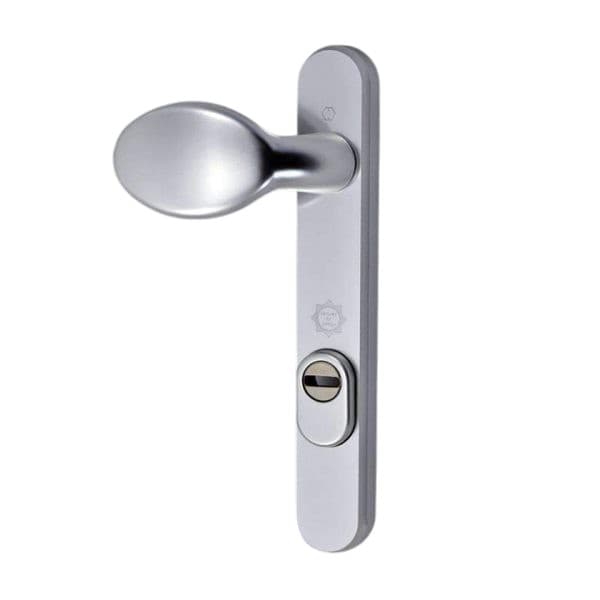
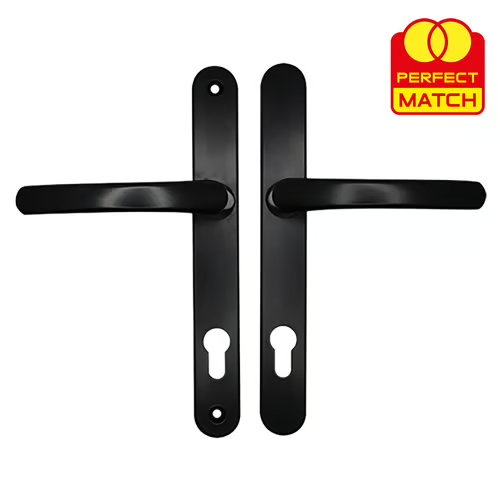
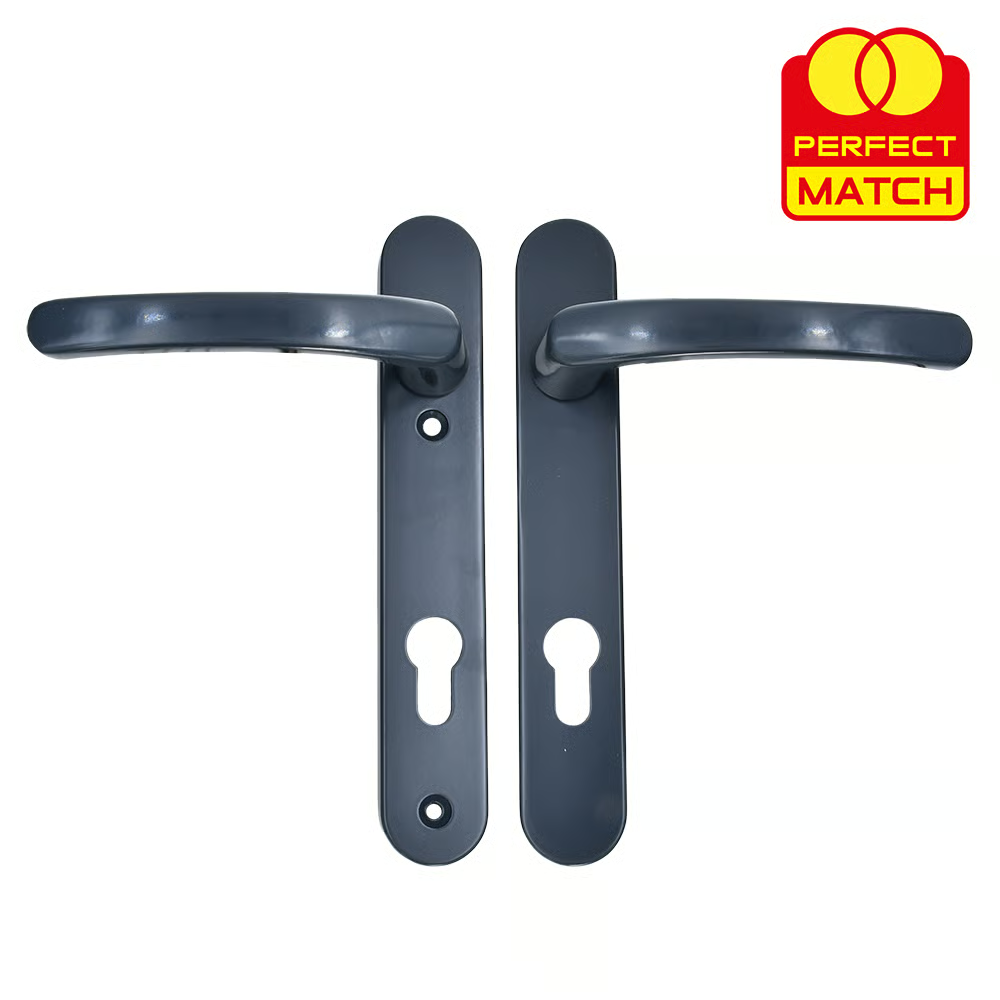
- Consider handle type: lever handles, pull handles and pad handles are all used on PAS24 doors; ensure the chosen style allows secure fixing and does not compromise the lock cylinder protection.
- Review weathering and finish: external pas24 door handle finishes must resist corrosion and maintain function over time; stainless steel or powder-coated finishes are common choices.
Installation best practice for PAS24 handles
Correct installation is critical. Even a certified pas24 door handle can underperform if fitted incorrectly. Follow these practical tips:
- Use the correct spindle: ensure spindle length and profile match the handle and lock; a loose spindle can allow leverage attacks.
- Fit machine bolts with sufficient embedment: through-fix bolts should engage both handle roses and the internal fixing plate to resist shear forces.
- Reinforce the door around cut-outs: use escutcheons, reinforcing plates or internal strengthening kits where the handle operates the lock to distribute loads.
- Torque fixings to manufacturer settings: over-tightening can deform fixings; under-tightening reduces resistance to attack.
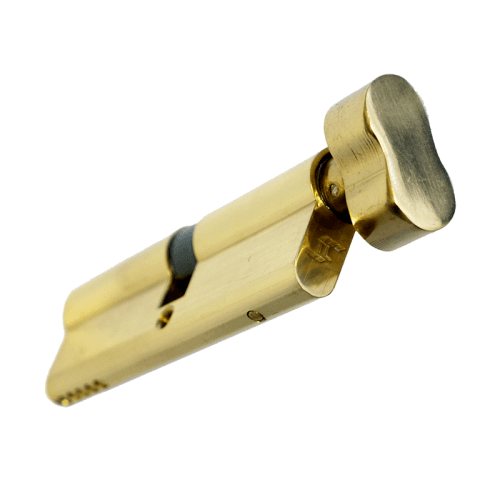
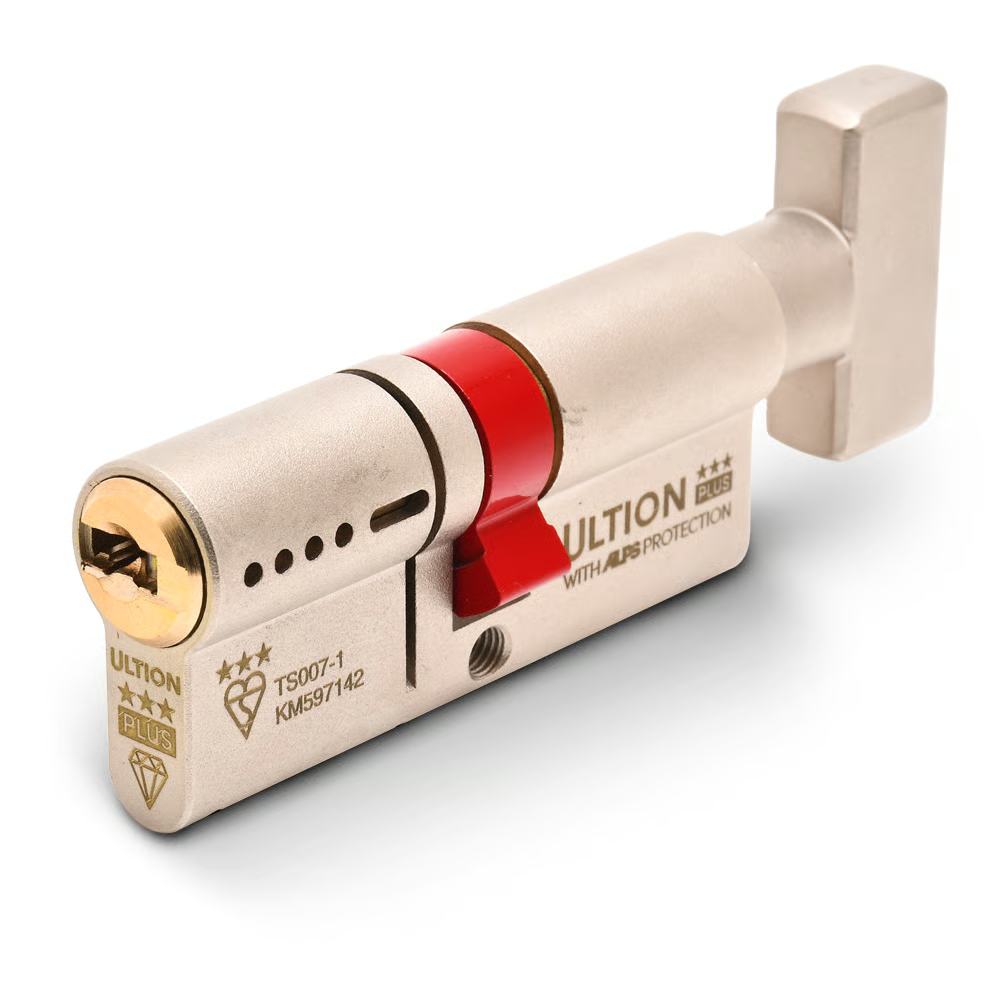
- Protect the cylinder: if the handle is close to a euro cylinder, fit a cylinder protector or use a cylinder with anti-snap features to meet PAS24 expectations.
- Document the work: record handle types, batch numbers and installation steps as part of the door set evidence for inspection and certification.
Common pitfalls and how to avoid them
Tradespeople and DIY installers often make similar errors when fitting pas24 door handle hardware. Avoid these issues:
- Assuming cosmetic similarity equals performance: a handle that looks heavy-duty may not have the fixings or reinforcement required for PAS24 compliance.
- Mismatching handle and lock: using a handle designed for a different spindle size or lock type can compromise operation and test evidence for a pas24 door handle.
- Ignoring cylinder protection: many forced-entry tests focus on the cylinder area; ensure the handle selection does not expose the cylinder to attack.
- Poor door preparation: incorrect cut-outs or weak door substrates will reduce the effectiveness of a pas24 door handle, regardless of quality.
Choosing trade-suitable products and suppliers
For new build projects, buy hardware from reputable trade suppliers who provide full technical data and test evidence. When sourcing a pas24 door handle:
- Ask for a certificate of compatibility showing the handle within an approved door set; this simplifies compliance checks.
- Request installation guides and torque values; good suppliers provide technical support for building control or site audits.
- Choose ranges with multiple finishes and coordinated ancillaries so that thresholds, letter plates and handles match without compromising security.
- Bulk-buy for site consistency; using the same pas24 door handle across a development reduces installation errors and simplifies maintenance.
Conclusion
Specifying and installing a compliant pas24 door handle is a practical task that requires attention to materials, fixings, compatibility and installation technique. For builders and installers, the safest approach is to choose handles supplied with clear PAS24 evidence or as part of a certified door set, use reinforced fixing methods, and follow manufacturer installation guidance. Homeowners undertaking DIY should consult trade suppliers and, where necessary, get a qualified installer to fit hardware to maintain the door’s PAS24 performance. Proper selection and fitting of a pas24 door handle protect the whole door assembly, helping projects pass inspection and keeping occupants secure.
Recommended Products
Based on this article, you may find these products helpful:
Part of our guide:
Complete Guide to Door Handles