Patio Door Handle Buying Guide: What to Look For
Choosing the right patio door handle affects security, durability and user experience. Whether you are a tradesperson specifying hardware for a project or a confident DIYer upgrading a door, this guid...
Choosing the right patio door handle affects security, durability and user experience. Whether you are a tradesperson specifying hardware for a project or a confident DIYer upgrading a door, this guide explains what to look for when selecting a patio door handle. It covers types, materials, locking options, ergonomics, installation considerations and maintenance in practical terms you can use on site.
Types of patio door handle
There are several common styles of patio door handle. Each suits different door systems and user needs:
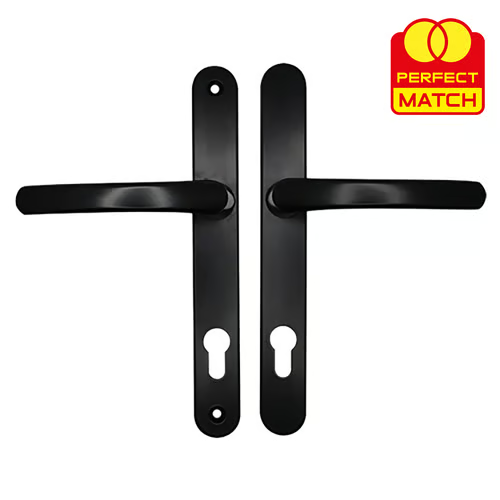
- Lever handles: traditional, versatile and easy to operate; often used on inward-opening French or stable-style patio doors.
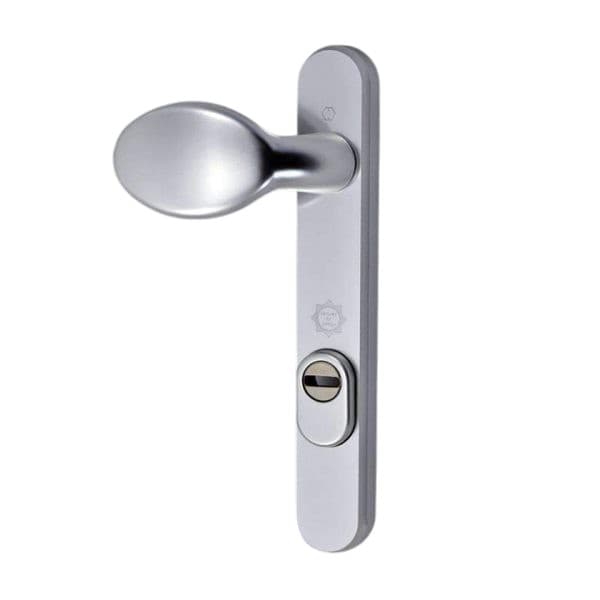
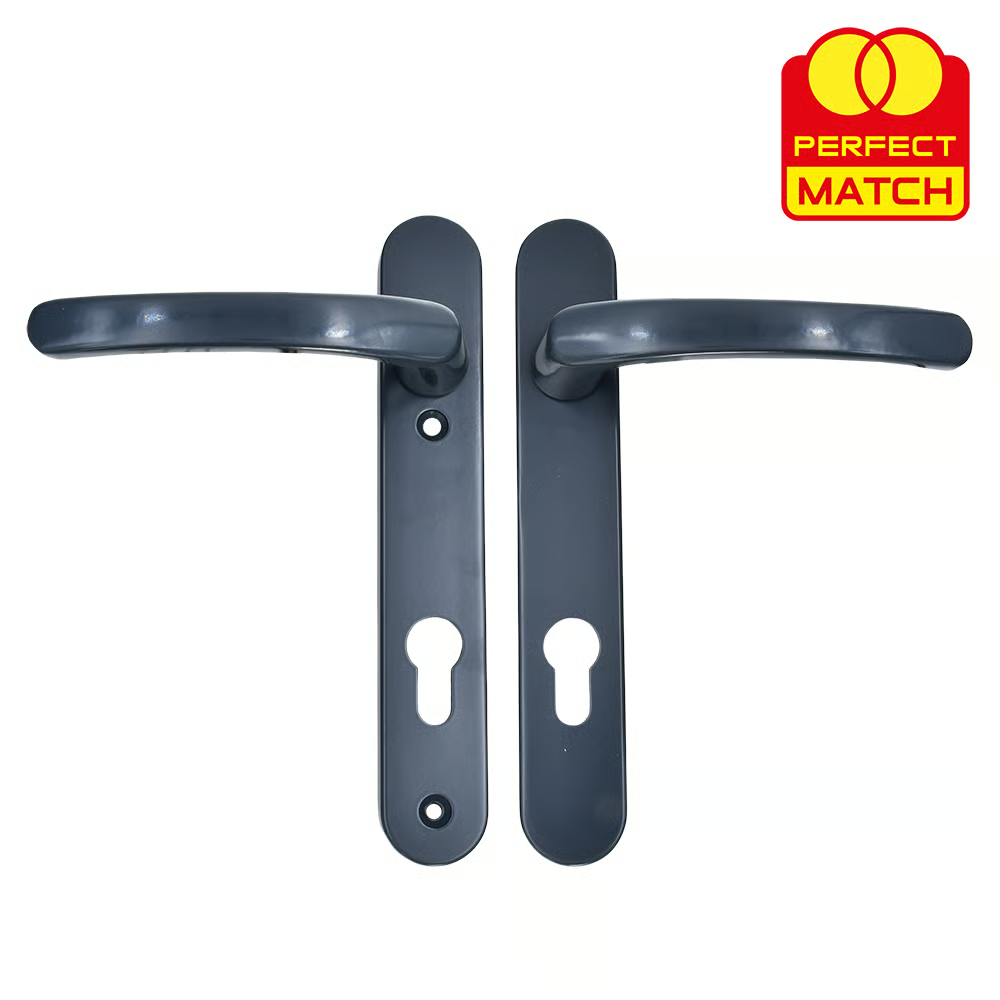
- Espag or espagnolette handles: common on uPVC and aluminium doors; they operate multi-point locking gear via a spindle and gearbox.
- Thumbturn and snib handles: provide quick locking and easy egress; suitable for low-risk areas or as secondary locking points.
- Flush pull handles: used on sliding patio doors where a projecting handle would interfere; choose variants that accept a lock or can be used with a mortice lock.
- Turn and release handles: simple locking for sliding sashes; look for models compatible with the door manufacturer’s keep and cylinder.
Match the handle type to the door operation: sliding, folding, French or inward/outward opening. Compatibility with the door’s locking mechanism is essential.
Material, finish and corrosion resistance
Handle material impacts corrosion resistance, durability and appearance. Common materials include:
- Stainless steel: excellent for coastal or high-moisture environments; robust and low-maintenance.
- Zinc alloy (Zamak): cost-effective with a wide range of finishes; check for quality die-casting to avoid brittleness.
- Aluminium: lightweight and corrosion-resistant; ideal for aluminium patio door frames to match thermal expansion.
- Brass and bronze: traditional finishes that age well; consider lacquered variants if you want a constant finish.
Finish selection should consider aesthetics and durability: satin, polished, powder-coated and PVD finishes all have different scratch and UV resistance. For coastal properties choose handles tested to high corrosion standards; look for salt spray test results where available.
Locking and security features
Security is a key concern for tradespeople specifying hardware. Choose a patio door handle that integrates with, or provides, the required level of security:
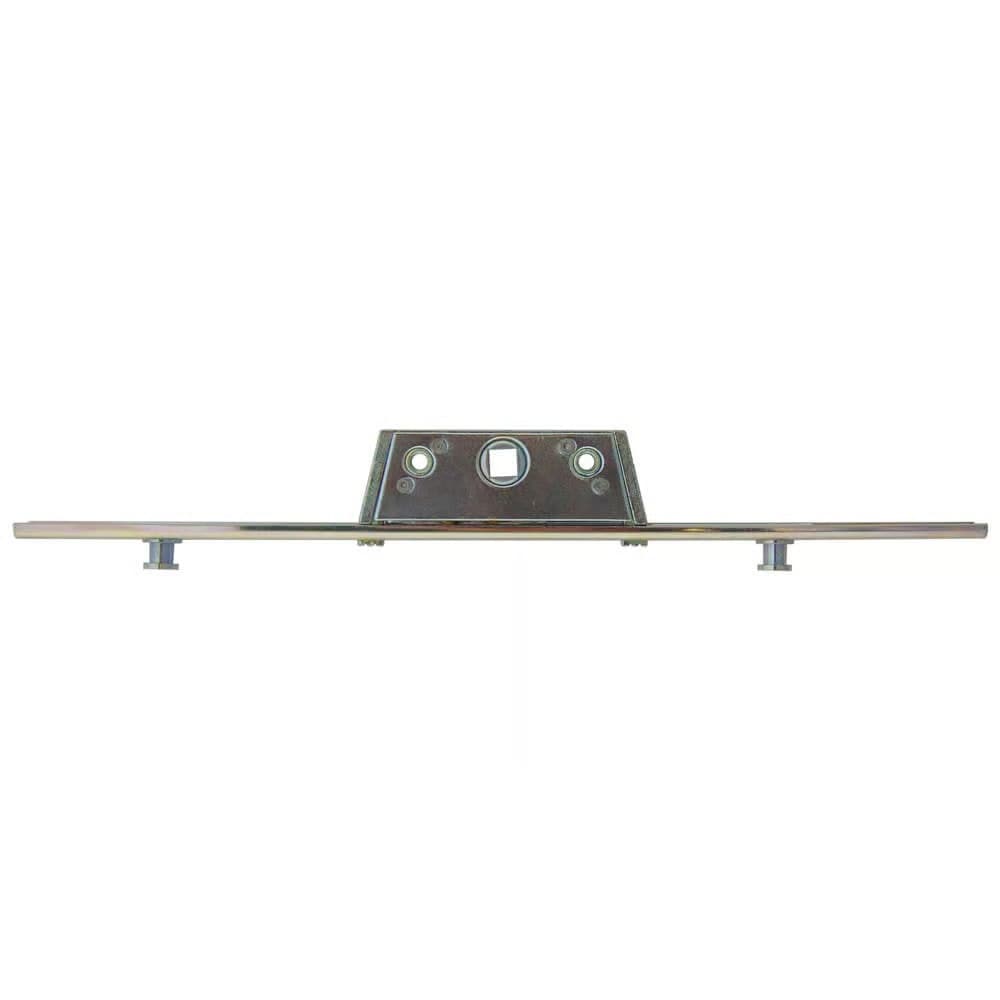
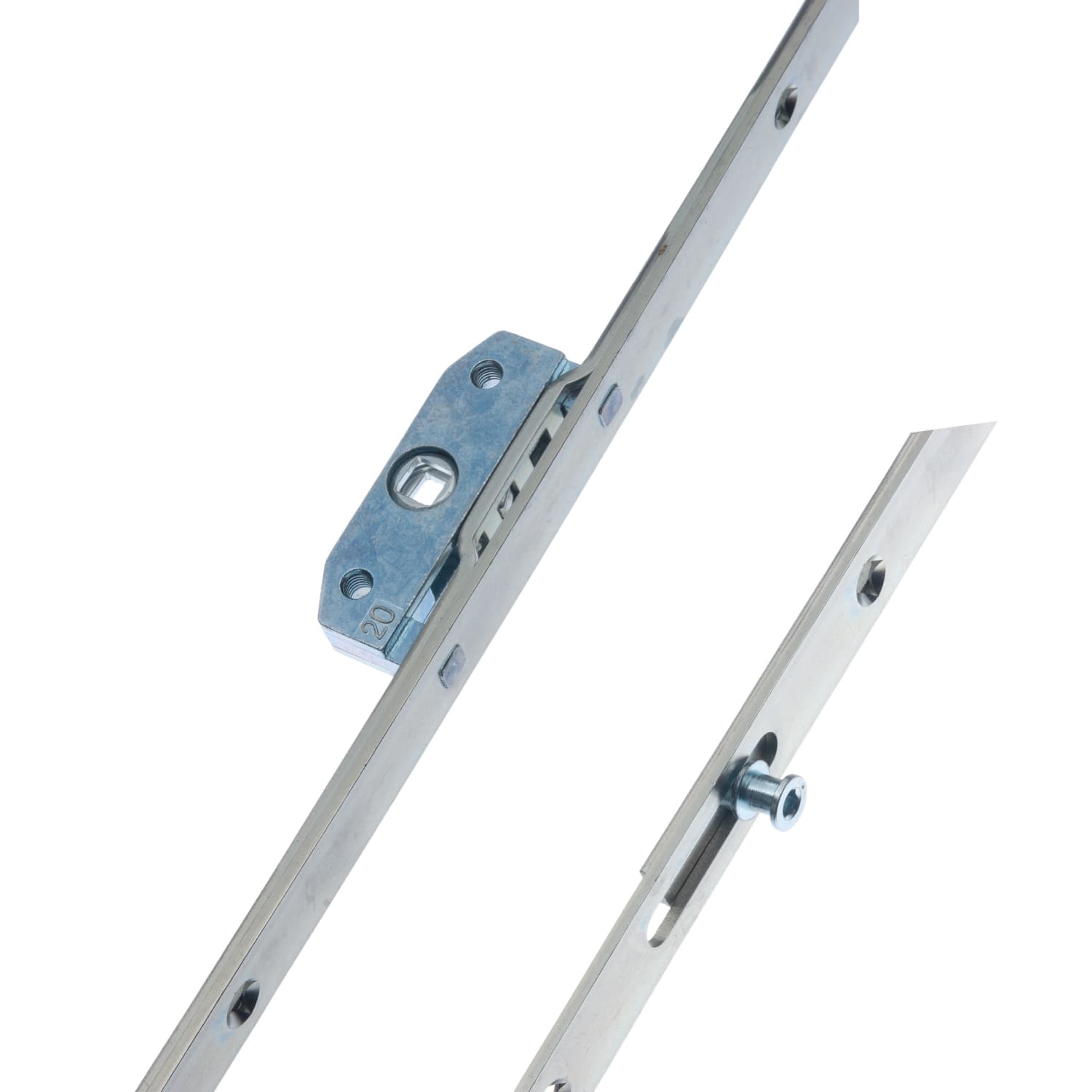
- Multi-point locking compatibility: espagnolette handles connect to multi-point gear to secure the door at several points; ensure spindle and gearbox sizes match the locking system.
- Keyed options: cylinder-operated handles allow external key access; select cylinders with recognised standards such as TS007 or Sold Secure where required.
- Anti-lift and anti-snap features: for sliding doors, choose handles and keeps designed to resist lift-out attacks; for hinged doors, select reinforced roses and secure fixings.
- Thumbturns with emergency release: internal thumbturns or snibs should allow quick egress; consider emergency access for childcare or rental properties.
- Secure fixings: use countersunk or security screws to deter removal; rising spindles or concealed fixings add protection.
Ergonomics and user considerations
The handle should be comfortable, operable by all users and suited to the frequency of use:
- Grip comfort: lever shape, length and edge profile affect user comfort; tradespeople should sample handles where possible before specifying.
- Ease of operation: force required to operate espagnolette handles should be low; test with the door’s locking gearbox fitted to ensure smooth action.
- Accessibility compliance: for social housing or commercial jobs, check Part M guidance and consider DDA requirements; lever handles and accessible heights are important.
- Aesthetics and matching: coordinate handle finish with hinges, letterplates and other ironmongery for a consistent look.
Installation and compatibility
Practical installation points that save time on site:
- Centres and spindle sizes: confirm backset, spindle length and fixing hole centres; mismatch is a common cause of returns.
- Surface or mortice fixing: some handles require only surface fixing, while others need a mortice or reinforced reinforcement plate; check door material and thickness before ordering.
- Pre-drilled doors: for factory-drilled doors use handles specified by the manufacturer to avoid altering the door’s integrity; use conversion kits only when approved.
- Sealing and movement: on sliding doors allow for framing tolerances; use handles that do not interfere with seals or weatherstrips.
- Maintenance access: choose handles that allow easy cylinder replacement and gearbox servicing without removing the entire assembly.
Maintenance and lifecycle costs
Consider ongoing maintenance and lifespan when advising clients or choosing stock:
- Durability: invest in higher-grade materials for rental or commercial properties to reduce long-term replacement costs.
- Servicing: easy-to-service handles with replaceable spindles, springs and fixings lower labour costs over time.
- Spare parts: ensure availability of spares such as keeps, roses and cylinders from the manufacturer or supplier.
- Warranty and certification: offer products with clear warranty terms and, where relevant, security certification for peace of mind.
Conclusion: Selecting the right patio door handle means balancing form and function. For each project check compatibility with the door type and locking system, specify materials and finishes appropriate to the environment, and consider ergonomics, security and maintainability. Tradespeople should verify spindle lengths, fixing centres and certification before ordering; DIYers can use this checklist to make informed choices and avoid common pitfalls. The correct patio door handle will improve security, longevity and user satisfaction; get the specification right first time to save time and cost on site.
Recommended Products
Based on this article, you may find these products helpful:
Part of our guide:
Complete Guide to Door Handles