Patio Door Handle PZ Centres Explained: 92mm and 122mm
Patio Door Handle PZ Centres Explained: 92mm and 122mm Understanding PZ centres for a patio door handle is essential for tradespeople and DIY enthusiasts who need to replace, specify or install handl...
Patio Door Handle PZ Centres Explained: 92mm and 122mm
Understanding PZ centres for a patio door handle is essential for tradespeople and DIY enthusiasts who need to replace, specify or install handles quickly and correctly. This guide explains what PZ centres are, why 92mm and 122mm are the common dimensions, how to measure them, and practical advice on choosing compatible handles for a variety of patio door systems.
What does PZ centre mean for a patio door handle?
PZ centre refers to the distance from the centre of the handle spindle to the centre of the key or cylinder hole. It is a critical measurement when selecting a patio door handle because it determines whether the handle aligns properly with the multipoint lock mechanism and the cylinder. Incorrect PZ centre will prevent the handle from operating the lock, or the keyhole will not line up with the cylinder.
For tradespeople specifying parts or for a homeowner ordering a replacement patio door handle, noting the PZ centre avoids returns and wasted time on-site. The two most common PZ centres for patio doors in the UK are 92mm and 122mm.
Why 92mm and 122mm are the common choices
Manufacturers standardise on a few PZ centre dimensions to maintain compatibility across different lock bodies and door systems. The 92mm and 122mm PZ centres cover the majority of patio and French doors on the market:
- 92mm PZ centre: Common on uPVC and some aluminium doors with compact multipoint lock cases.
- 122mm PZ centre: Often used on sash-style or taller multipoint lock cases, including some patio and French doors that require a longer leverage distance.
Knowing which PZ centre you need reduces the risk when replacing handles on-site. Many suppliers stock both sizes for left- and right-handed doors, with variations for keyed, non-keyed or tilt-and-turn style mechanisms.
How to measure the PZ centre for a patio door handle
Follow these steps to measure the PZ centre accurately before ordering a replacement patio door handle:
- Open the door to access the edge where the lock case sits.
- Identify the spindle hole centre: this is the centre of the square spindle that operates the handle.
- Locate the cylinder or keyhole centre: for keyed handles, this is where the Euro cylinder sits; for non-keyed variants, this may be a follower or separate hole.
- Measure the straight-line distance between the two centres in millimetres. Round to the nearest millimetre.
Common pitfalls to avoid:
- Measuring from the faceplate edge rather than the centres will give the wrong number.
- Confusing backset with PZ centre: backset is the distance from the door edge to the spindle, not the spindle-to-cylinder centre measurement.
- Failing to note handedness: patio door handles can be left- or right-handed; check orientation while standing on the side where the handle operates the lock.
Selecting the right patio door handle for 92mm and 122mm PZ centres
Once you have the correct PZ centre, consider these practical factors when choosing a patio door handle:
- Function: keyed cylinder, thumbturn, or non-locking dummy handles for sliding or fixed sashes.
- Material and finish: aluminium, stainless steel or zinc alloy in finishes such as chrome, satin, black or white to match the door.
- Spindle size: common spindles are 7mm or 8mm square; ensure the handle and lock spindle match.
- Fixing centres: check screw positions and cover plate lengths so the handle conceals previous screw holes where necessary.
- Security features: Spline drive, anti-snap cylinder compatibility and TS007 compatibility where relevant.
For installers, specifying handles with adjustable screw fixing or reversible roses simplifies stock holding and decreases returns. Homeowners should consider finishes and keying options for convenience and security.
Installation tips and common issues on site
Practical tips to ensure a smooth replacement or installation of a patio door handle:
- Remove the old handle and inspect the lock case before measuring PZ centre; debris or worn parts can distort measurements.
- Use a depth gauge or a simple ruler; measure twice before ordering.
- When fitting a new handle, hand-tighten fixings first to ensure alignment, then torque evenly to avoid twisting the plate.
- Check spindle engagement with the lock mechanism: the spindle should fully operate the follower without binding.
- Test locking and unlocking with the door open then closed; some multipoint mechanisms require a slight lift or turn to engage correctly.
Common faults to watch for include incorrect screw lengths that bottom out, loose cylinders that rattle, and handles with spindles that are too short to reach the mechanism.
When to replace the lock case instead of the handle
Sometimes problems are not caused by the handle or PZ centre but by the lock case itself. Replace the lock case if you find:
- Excessive wear or damaged gearbox that affects smooth operation.
- Missing or broken keep plates, rollers or cams within the multipoint mechanism.
- A different backset or bolt positions that prevent a new handle from aligning even with the correct PZ centre.
For trade professionals, bringing a small selection of common lock cases and handles on service calls can save repeat visits. For DIYers, consult a qualified locksmith if the lock case is damaged or if security features are compromised.
Recommended Products
Based on this article, you may find these products helpful:
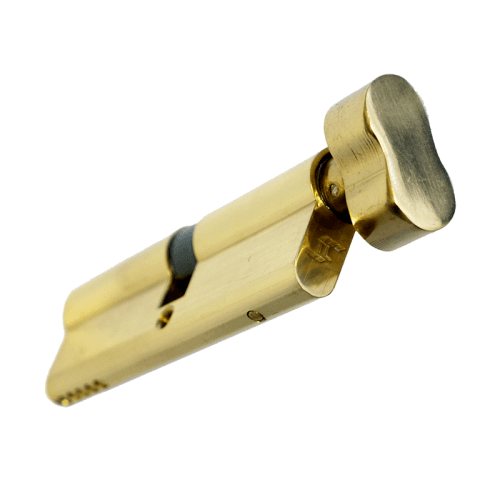
- TL Thumb Turn Euro Cylinder
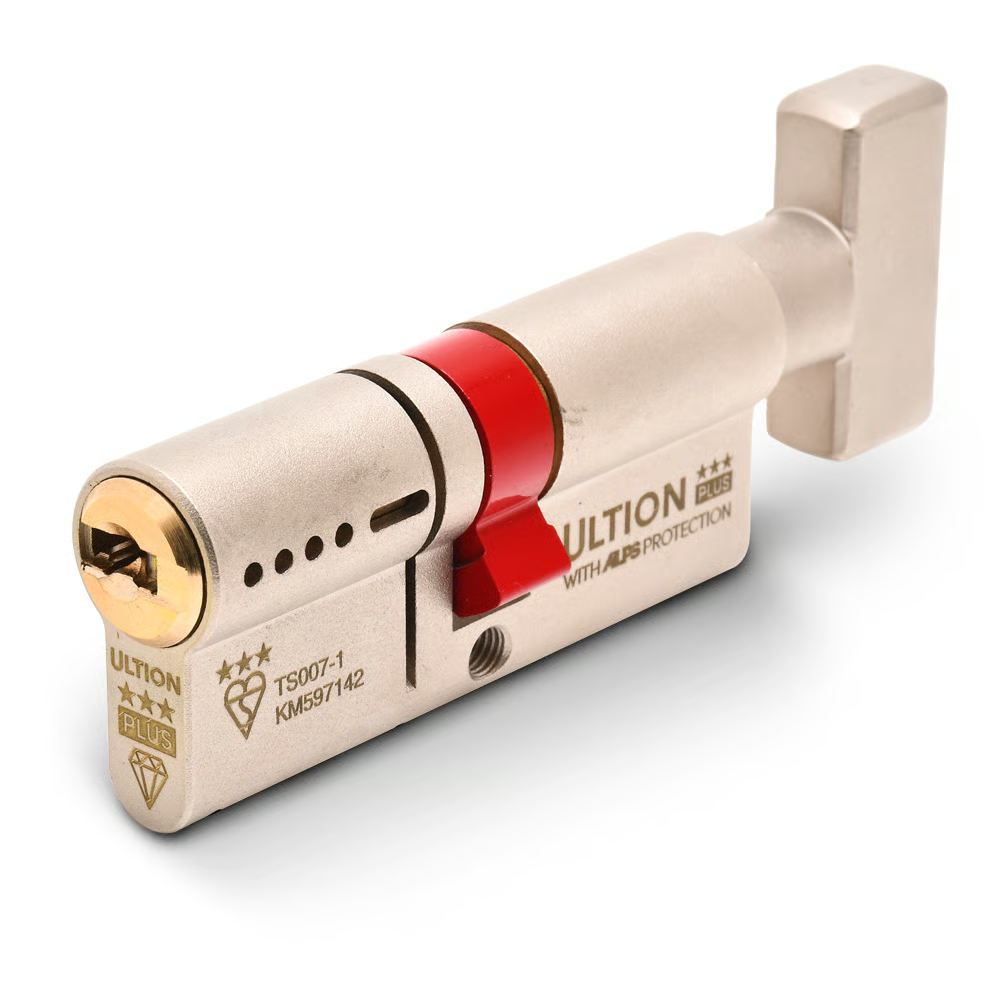
- Ultion Plus TS007 3* Kitemarked Euro Key & Turn Cylinder
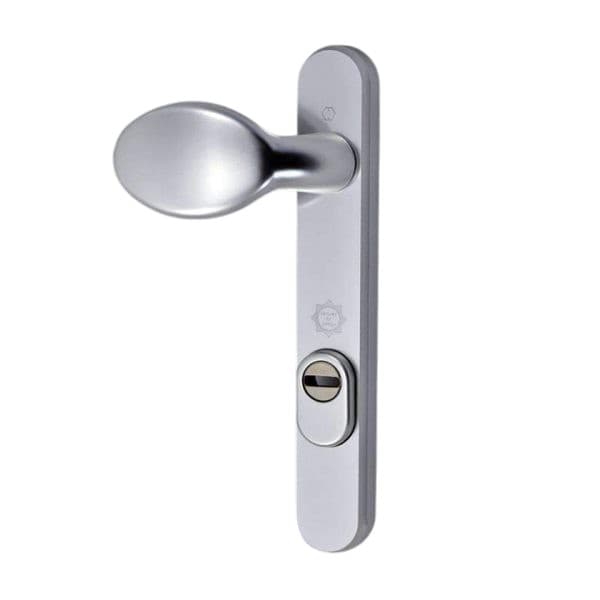
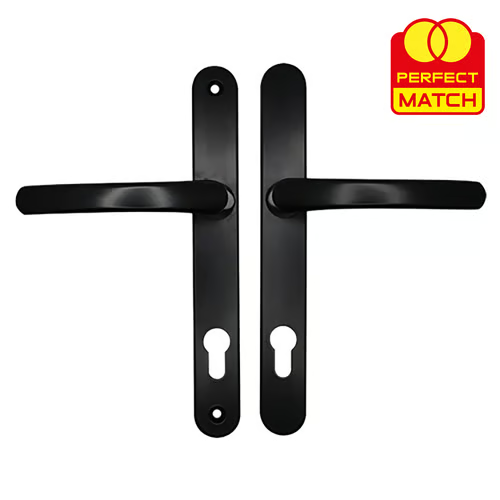
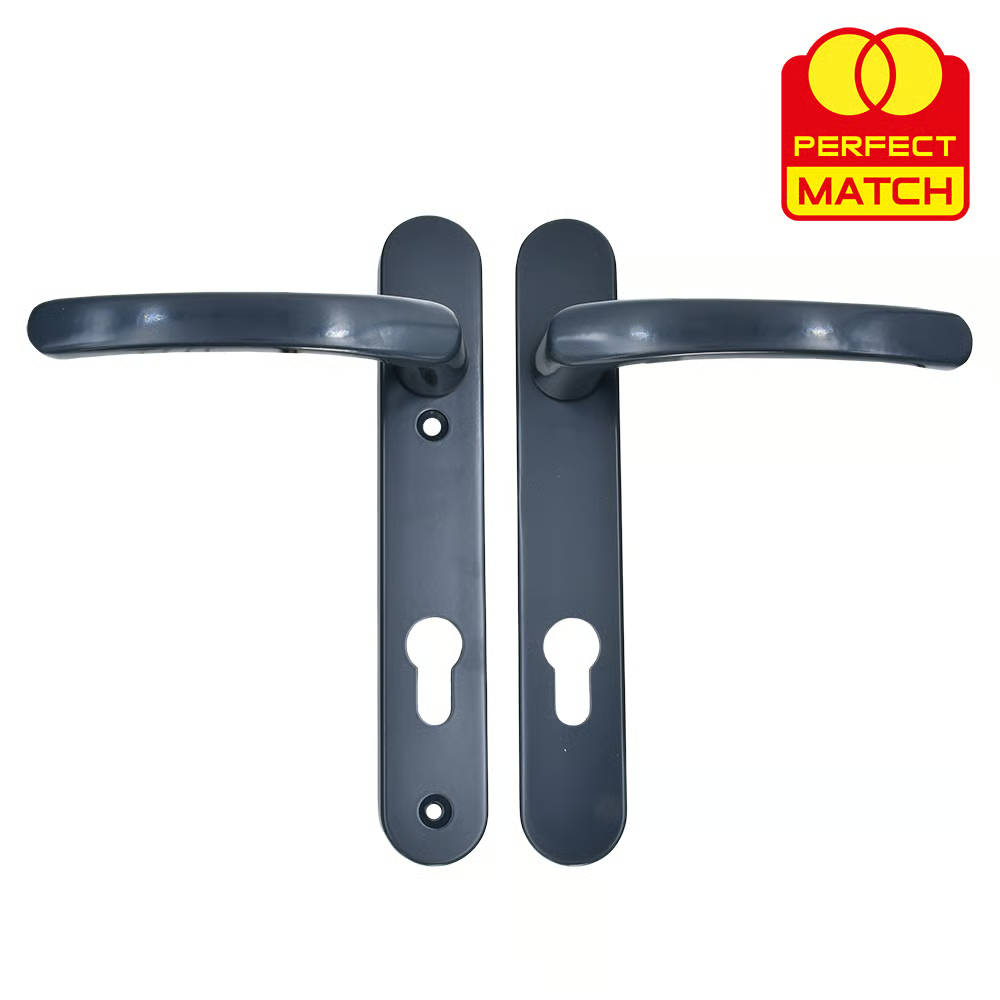
- TSS Door Handle Lever
- TSS Door Handle Lever Short
- Affinity Security Door Handle
Conclusion
Understanding PZ centres is fundamental when selecting a patio door handle. The two most common measurements, 92mm and 122mm, will cover the majority of uPVC and aluminium patio door installations in the UK. Measure accurately, note spindle size and handedness, and choose a handle and locking option that match the door finish and security requirements. For tradespeople, stocking both PZ centres and a range of finishes reduces call-backs; for homeowners, taking a clear measurement before ordering avoids delays and incorrect fittings.
If you need further technical advice or specification sheets for particular door hardware, consult our guides or contact Window Hardware Store for trade support and replacement options.
Part of our guide:
Complete Guide to Door Handles