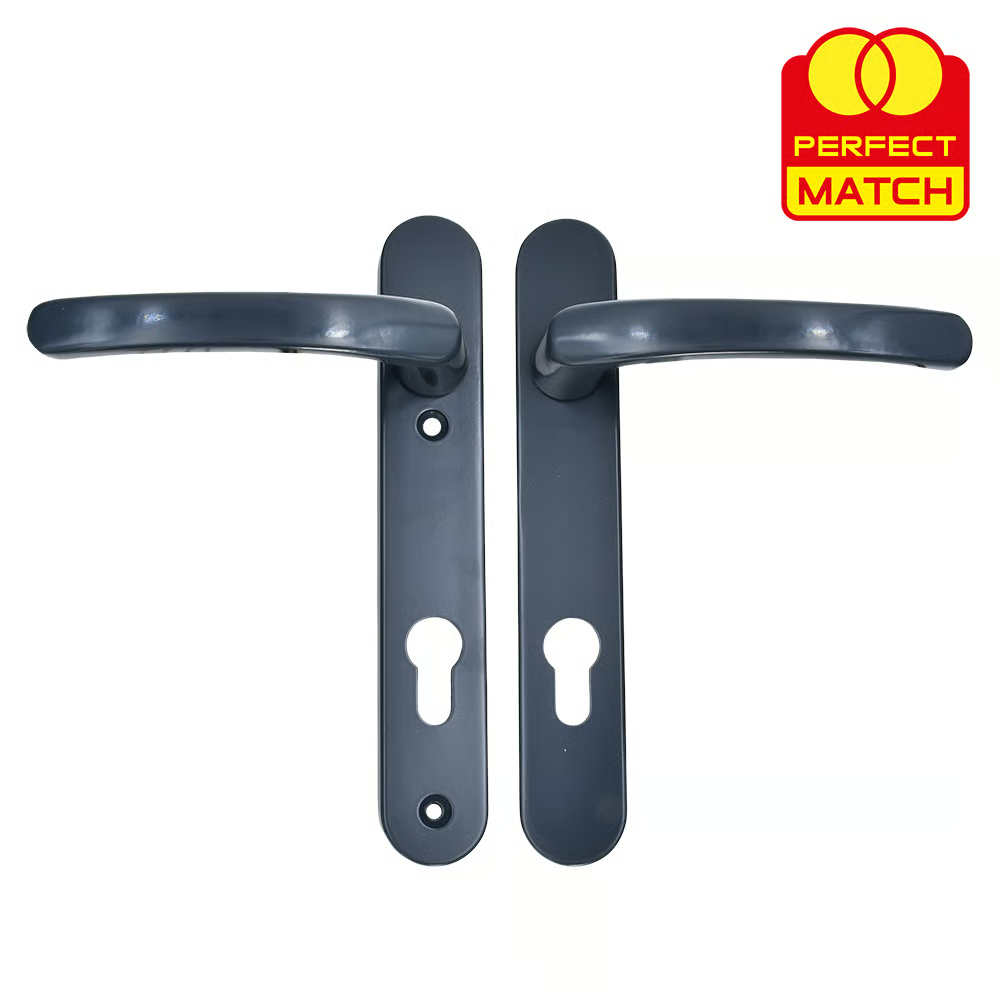
Patio Door Handle Security Features: Locking Mechanisms Explained
Choosing the correct patio door handle is more than an aesthetic decision; it is a critical part of your door security strategy. This guide explains the common locking mechanisms found on patio doors,...
Choosing the correct patio door handle is more than an aesthetic decision; it is a critical part of your door security strategy. This guide explains the common locking mechanisms found on patio doors, how they work, and practical considerations for tradespeople and DIY enthusiasts when selecting and fitting a secure patio door handle.
Why the patio door handle matters for security
A patio door handle is the user interface for a door locking system. A robust patio door handle with appropriate locking features makes it harder for intruders to force entry, reduces the risk of accidental disengagement, and offers better durability over time. For tradespeople supplying or fitting doors, specifying the correct patio door handle can significantly improve door performance and customer satisfaction.
Common locking mechanisms for patio door handles
Understanding the mechanism inside a patio door handle helps when advising customers or carrying out replacements. The main types you will encounter are:
- Espagnolette locks: A long multi-point engaging rod that runs vertically; when the patio door handle is turned, hooks or bolts engage into keeps at multiple points along the frame.
- Deadbolt locks: A single mechanical bolt actuated by the patio door handle or a separate turn; offers high shear resistance where a multi-point lock is not fitted.
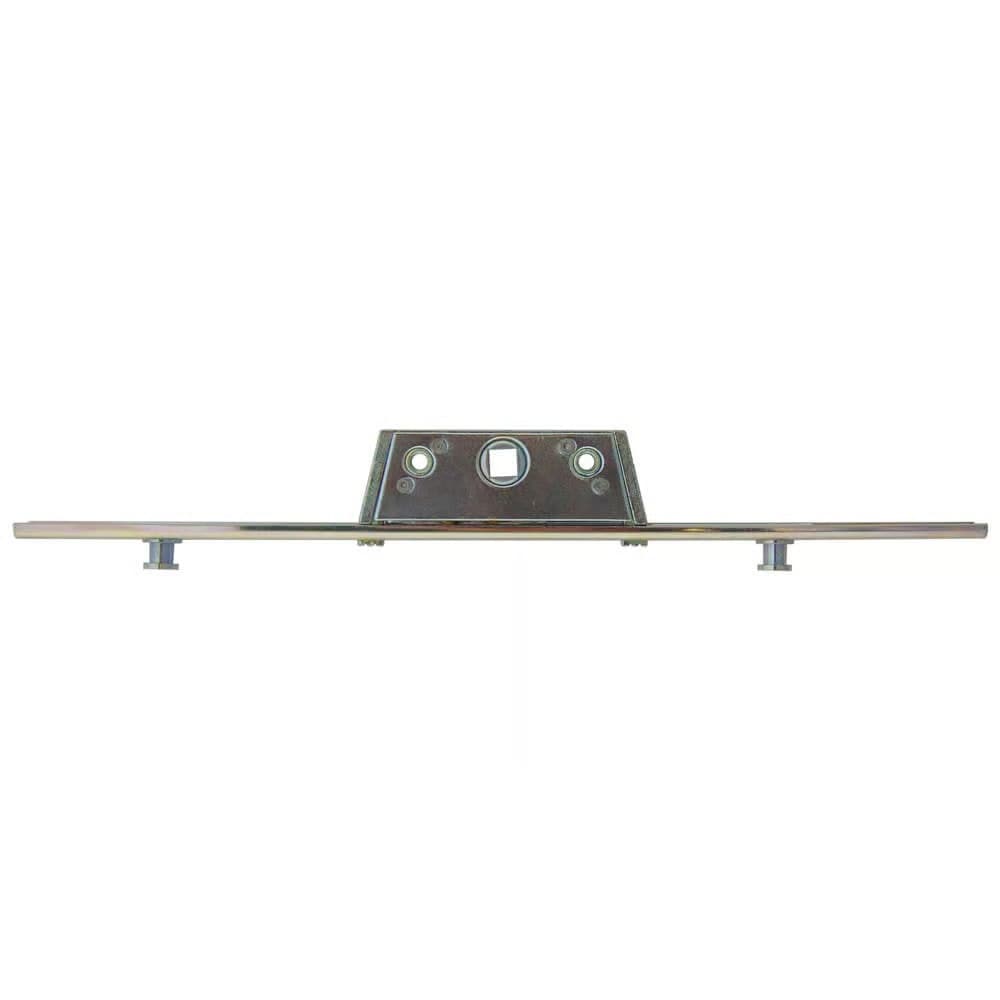
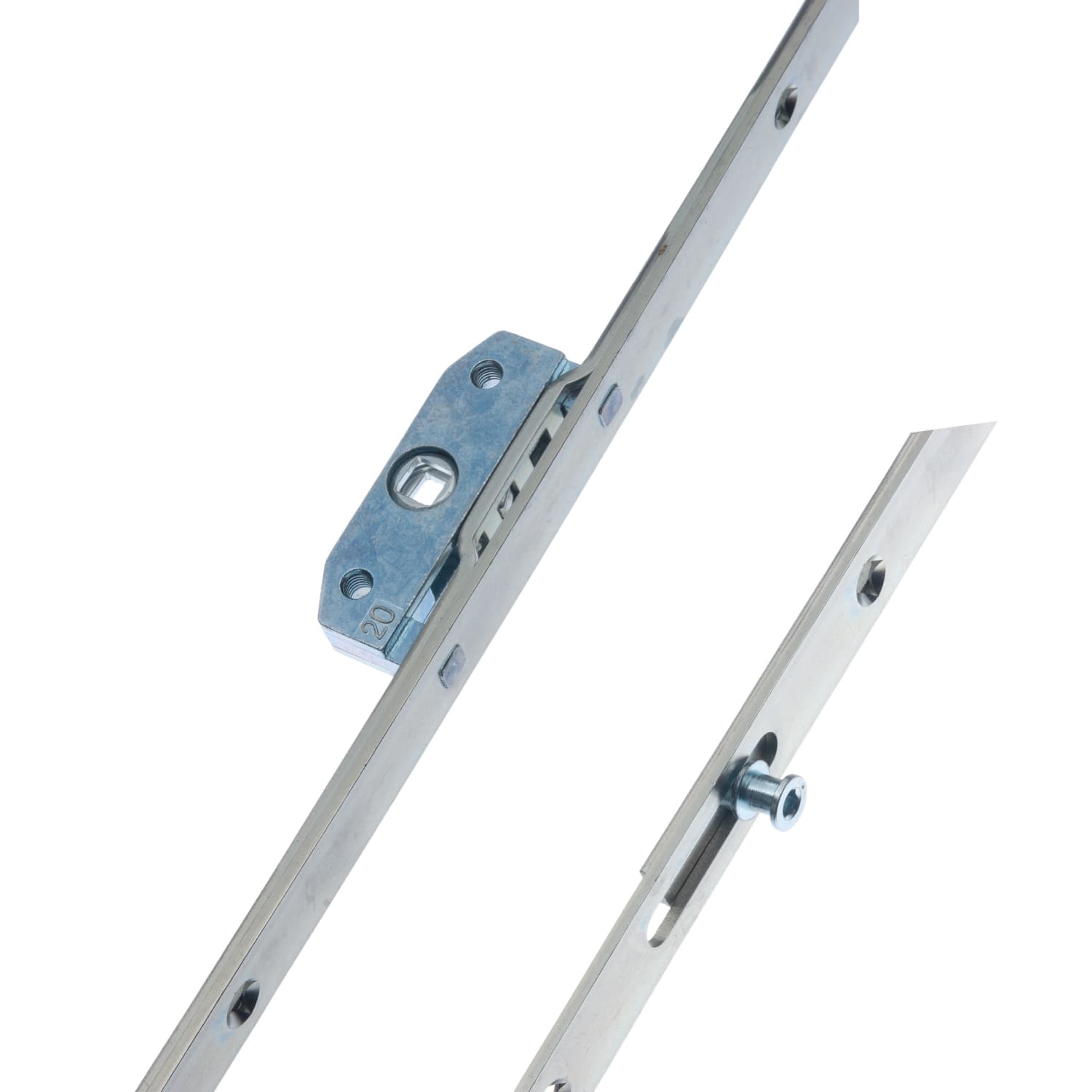
- Multipoint locks: Integrated into the edge of the door and operated by the patio door handle; offers several locking points to distribute load and resist levering.
- Hook locks: Common on sliding patio doors; hooks pull the door into the frame, improving sealing and resistance to forced entry.
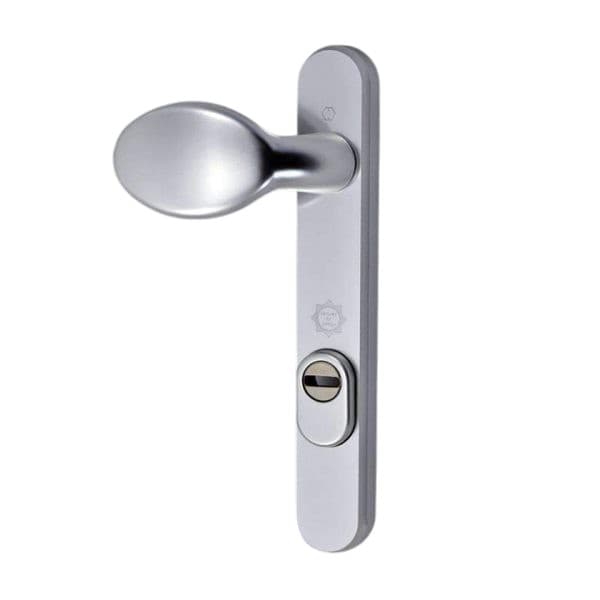
- Thumbturn and key-lock options: Patio door handles can include an internal thumbturn for quick locking and an external key cylinder for security from outside.
Key features to look for when specifying a patio door handle
When choosing a patio door handle for a project, check these practical points:
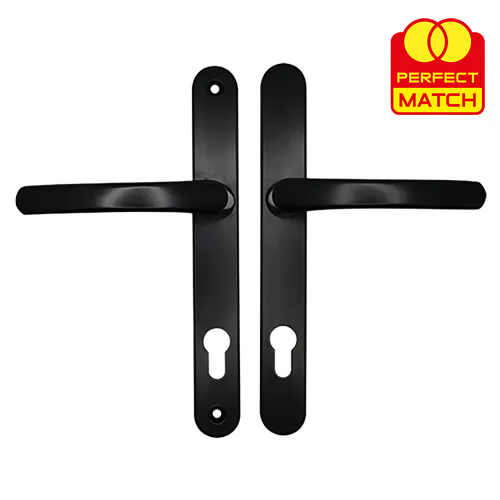
- Compatibility: Ensure the patio door handle matches the lock case type and centre distance; check spindle length and fixing positions.
- Multipoint operation: Select a patio door handle that operates the multipoint lock smoothly; consider gear ratio for ease of use.
- Cylinder protection: For keyed patio door handles, specify hardened cylinders and anti-snap protection where possible.
- Materials and finish: Choose corrosion-resistant materials for coastal locations; handles must withstand frequent use without wear affecting security.
- Endurance rating: For commercial or high-use installations, select a patio door handle with a high cycle rating to reduce maintenance.
- Compliance: Make sure the patio door handle and associated lock meet relevant British standards for safety and security.
Installation best practice for tradespeople
Correct installation is as important as the product itself. Follow these steps when fitting a patio door handle and lock:
- Verify the door preparation: Confirm mortice or lock case dimensions match the patio door handle; check backset and centre distance.
- Test the sash alignment: Ensure the door sash is square and runs true before locking components are fitted; misalignment stresses the patio door handle.
- Fit the handle with correct torque: Over-tightening screws can deform the handle or operate mechanism; under-tightening can lead to loosening and failure.
- Adjust keeps and striker plates: Fine-tune keeps so the multipoint or hook engages smoothly; a well adjusted patio door handle gives positive feedback when locked.
- Check cylinder security: If installing a keyed patio door handle, make sure the cylinder is correctly seated and the escutcheon protects against drilling or snapping.
- Carry out functional tests: Cycle the patio door handle through locking, unlocking and any night-lock positions; test from both sides if possible.
Upgrades and additional security options
There are practical upgrades you can offer customers to increase security without replacing the entire door:
- High-security cylinders: Upgrade to anti-snap, anti-pick and anti-drill cylinders compatible with the patio door handle.
- Reinforced keeps: Replace slim keeps with reinforced versions to resist levering at the locking points.
- Secondary locks: Consider auxiliary sash locks or security bolts that operate independently of the patio door handle for added peace of mind.
- Smart lock conversions: Electronic actuators can be integrated with some patio door handles to provide remote locking and audit trails; ensure mechanical fallback is provided.
- Door edge reinforcements: Strengthen the lock area of the door with steel edge strips to reduce deformation under attack.
Common faults and troubleshooting
Patio door handle faults often come from wear, misalignment or incorrect specification. Typical issues and solutions include:
- Stiff operation: Check for sash misalignment or dirt in the multipoint mechanism; lubricate with a dry PTFE lubricant and adjust keeps.
- Loose handle: Inspect spindle length and grub screws; replace worn spindles and secure handles to the rated torque.
- Lock fails to engage: Verify the centre distance and ensure the patio door handle is compatible with the lock case; adjust striker plates.
- Cylinder problems: If the cylinder sticks or won’t turn, check for damage; replace with a high-security cylinder matched to the patio door handle.
Choosing the right patio door handle and installing it correctly delivers improved security, smoother operation and fewer call-backs. For tradespeople, understanding the interaction between handle, lock case and keeps is essential to specifying the right product for each job. For DIYers, selecting a compatible patio door handle and following installation best practice will ensure a secure and reliable result.
If you need further technical details or fitting templates for specific patio door handle models, contact your supplier or consult manufacturer documentation to confirm dimensions and compatibility prior to ordering.
Recommended Products
Based on this article, you may find these products helpful:
Part of our guide:
Complete Guide to Door Handles