
Shootbolt Buying Guide: Types, Lengths and Compatibility
Shootbolt Buying Guide: Types, Lengths and Compatibility Shootbolt choices matter for security and operation of windows and doors. Whether you are a trade ...
Shootbolt Buying Guide: Types, Lengths and Compatibility
Shootbolt choices matter for security and operation of windows and doors. Whether you are a trade professional ordering parts for installations or a UK homeowner replacing a faulty bolt, this guide explains the common types of shootbolt, how to measure lengths, and what to check for compatibility with espagnolette and multipoint locking systems. Practical advice and DIY tips are included to help you select the right product and avoid common mistakes.
What is a shootbolt?
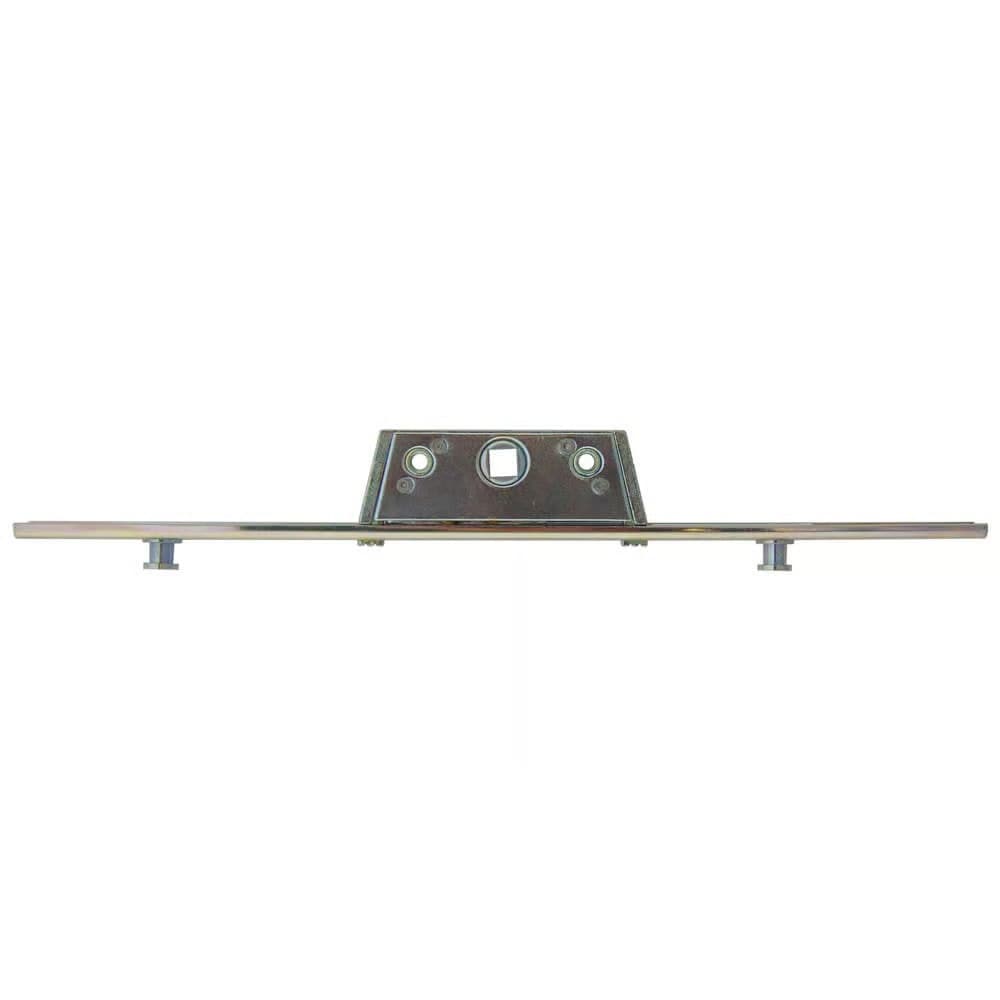
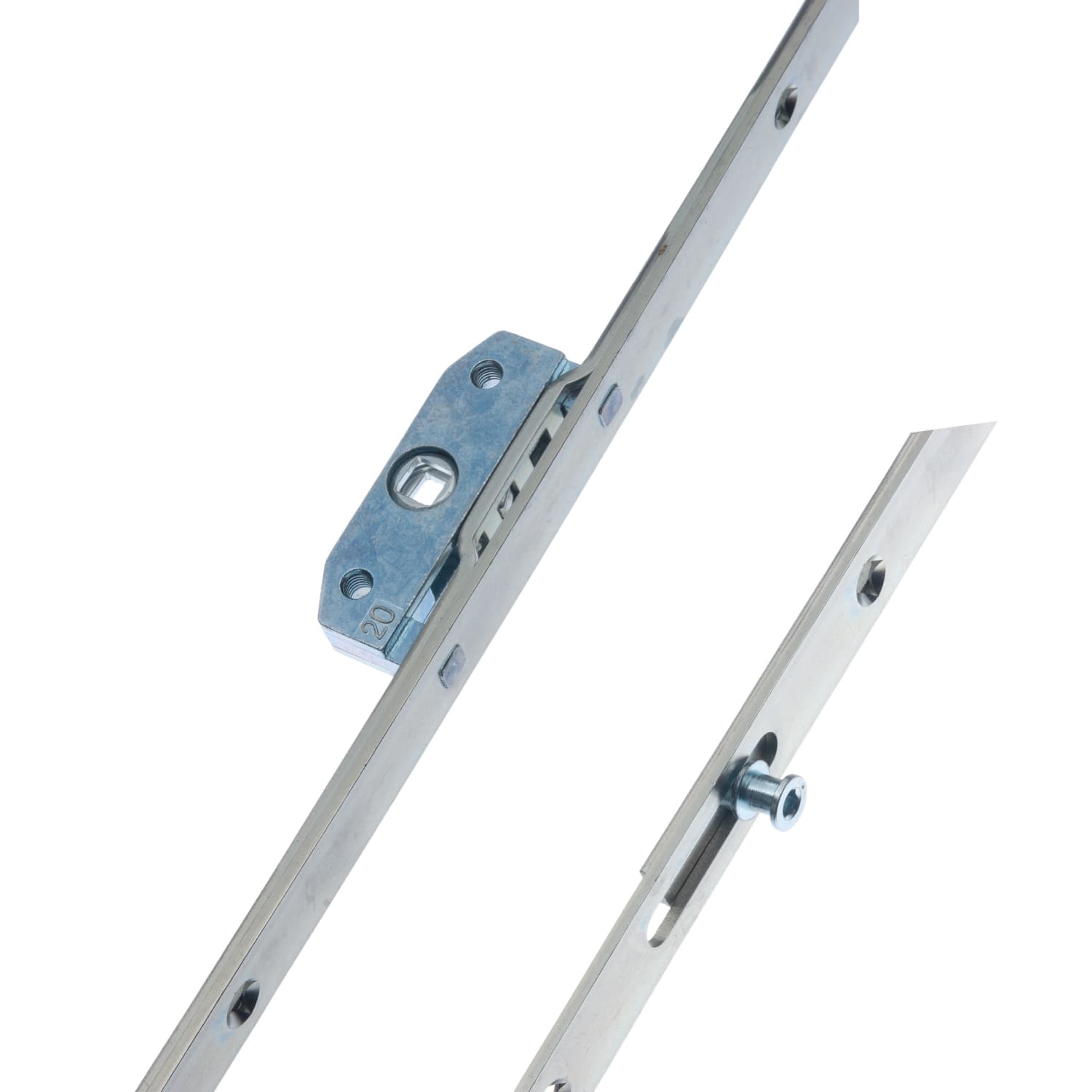
A shootbolt is a locking rod that is driven into a keeper or frame to secure the sash or door leaf at one or more points. Shootbolts are most often used on the locking edges of patio and French doors, tall windows and as top and bottom security for multipoint espagnolette systems. They can be operated by handle, key, or automatic plungers; they may be concealed inside the profile or surface-mounted on timber and aluminium doors.
Types of shootbolt
- Manual shootbolts: Operated by a turn or key cylinder. Common on timber doors where simple deadlocking is required.
- Handle-operated shootbolts: Integrated into multipoint espagnolette gear so turning the handle moves the bolt into the keep; final locking is often by a key.
- Automatic shootbolts: Engage when the door closes using a plunger mechanism; useful for two-leaf configurations where the passive leaf locks automatically.
- Telescopic or adjustable shootbolts: Allow for variable recessed lengths on tall sashes; handy for stockholding as one item can cover several profile depths.
- Surface-mounted shootbolts: Mounted on the face of the frame or sash; quicker to fit where profile routing is not possible.
Materials, finishes and environmental considerations
Shootbolts are commonly made from stainless steel, zinc alloy or brass. Choose stainless steel for coastal or high-moisture environments to avoid corrosion; grade 304 is usually sufficient for most UK applications, and grade 316 is recommended for severe marine conditions. Finishes should match your furniture: satin stainless, polished chrome, and black are common. For trade orders, specify the finish code to ensure consistency across a job.
How to measure shootbolt length accurately
Length measurement is the most frequent cause of incorrect orders. Rather than guessing, follow these steps:
- Measure from the centre of the handle or operator spindle to the tip of the shootbolt when it is fully retracted; this gives the retracted length you need.
- Measure the bolt travel or throw: the distance the bolt projects when fully engaged. Typical throws range from 12mm to 22mm; check the keep depth to ensure secure engagement.
- For top and bottom shootbolts in tall sashes measure the distance from the operator to the end face where the bolt engages; if the rod is internal, measure inside the profile if possible.
- If replacing an existing shootbolt, remove it and measure the overall length and the bolt diameter; note any stamped part numbers that can identify the manufacturer and type.
Compatibility with espagnolette and multipoint locks
Compatibility is crucial: shootbolts must match the espagnolette gear in terms of spindle position, bolt travel and mounting plate. Key points to check:
- Centre case size: Many espagnolette systems use standard centre cases; confirm whether your gear uses a 16mm or 22mm centre case and order matching shootbolts or conversion parts.
- Spindle and handle alignment: Ensure the shootbolt operates from the same spindle axis as the espagnolette operator, or use an adaptor plate where necessary.
- Handing: For inward and outward opening units, confirm left or right hand operation; some shootbolts are reversible, others are not.
- Keep depth and backset: The keep plate must accept the bolt diameter and throw; adjustable keeps offer some tolerance for installation variations.
- Manufacturer systems: Proprietary espagnolette systems sometimes use unique shootbolt geometries; where possible match the brand to avoid fit issues, or choose universal kits designed for common systems.
Practical trade advice
- Stock common lengths and finishes: Trade installers should carry the most common retracted lengths and throws to reduce call-backs; adjustable or telescopic options reduce SKUs.
- Order spares with fasteners and keeps: Keep plates, strike boxes and fixing screws are often omitted and cause delays on site; order as kits.
- Match corrosion resistance to site conditions: For coastal or industrial sites specify higher corrosion resistance to avoid premature failure and call-backs.
- Label kits for site use: Mark left/right and top/bottom to speed up installation in the workshop or on site.
DIY and installation guidance
Experienced DIYers can replace or fit shootbolts, but small errors cause misalignment and jamming. Follow these practical steps:
- Prepare the profile: For embedded shootbolts you will need accurate routing and packing; follow manufacturer templates for cutouts and screw positions.
- Drill pilot holes and countersink where required: This prevents splitting in timber frames and ensures flush fixing in PVCu and aluminium frames.
- Fit keeps and test engagement: Temporarily screw keeps in place and cycle the bolt to confirm smooth entry; adjust keep position in small increments until perfect.
- Seal around surface-mounted parts: Use suitable sealant to preserve weather performance; avoid blocking drainage channels in PVCu frames.
- Torque fixings correctly: Over-tightening can distort aluminium and PVCu profiles; follow the hardware manufacturer’s recommended screw torque when provided.
Troubleshooting and maintenance
Common issues include binding, incomplete throw and corrosion. Simple checks and maintenance can extend life and keep operation smooth:
- Clean and lubricate: Use a dry PTFE spray or light machine oil on moving parts every 6–12 months; avoid heavy grease in exposed mechanisms that attracts dust.
- Check alignment: If the bolt contacts the keep edge, loosen the keep and reposition; even a few millimetres can restore smooth operation.
- Replace worn keeps: Metal keeps wear; replacing them is often cheaper than repeatedly adjusting hardware.
- Address corrosion promptly: Remove surface rust and apply a corrosion inhibitor; replace severely corroded bolts to maintain security.
Recommended Products
Based on this article, you may find these products helpful:
- ERAB Espagnolette Window Lock Universal Lock Replacement
- Avocet Slimline Offset Window Espag
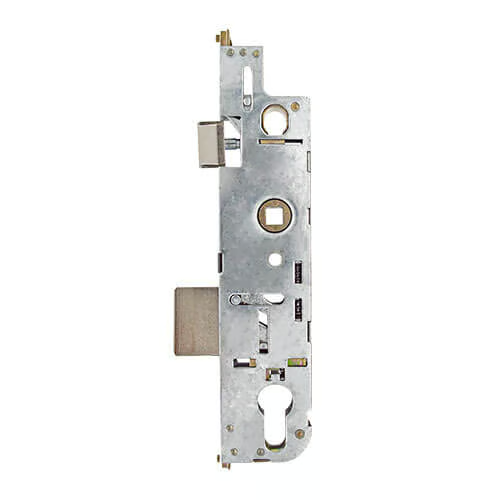
- Multipoint Gearbox GU Old Style
- In-Line Window Mechanism
- Offset Window Mechanism
Conclusion and next steps
Shootbolts are a small but essential element of secure, reliable windows and doors. When selecting a shootbolt check type, retracted length, bolt throw and compatibility with your espagnolette or multipoint gear. For the trade, keep a sensible stock of common lengths and complete kits; for homeowners, measure carefully and match materials to the environment.
Next steps: measure the retracted length and bolt throw of your existing hardware, note the centre case and handing, and consult product datasheets or our pillar page on espagnolette window locks for technical cross-references. If unsure, contact a qualified installer or our technical sales team with photos and measurements to get the right part first time.

Related articles
Window Gearbox Maintenance: Keeping Your Locks Working Smoothly
Window Gearbox Maintenance: Keeping Your Locks Working Smoothly A well maintained window gearbox keeps casement and tilt-and-turn windows operating smoothl...
Troubleshooting Shootbolt Problems: A Window Fitter's Guide
Troubleshooting Shootbolt Problems: A Window Fitter's Guide Shootbolts are a small but vital component in many modern window and patio door locking systems...
What Is a Shootbolt Lock? Complete Guide to Window Security
What Is a Shootbolt Lock? Complete Guide to Window Security What is a shootbolt? A shootbolt is a mechanical locking element commonly used in windows and d...