
Shootbolt Extensions and Keeps: Getting the Right Parts
Shootbolt Extensions and Keeps: Getting the Right Parts Shootbolts are the small, often overlooked components that secure the top and bottom of a casement ...
Shootbolt Extensions and Keeps: Getting the Right Parts
Shootbolts are the small, often overlooked components that secure the top and bottom of a casement sash or patio door; their extensions and keeps are what make the system reliable. Choosing the right parts saves time on site, prevents repeat call‑outs and keeps warranties intact. This article explains what to look for when replacing or upgrading shootbolt extensions and keeps, with practical trade advice and DIY pointers for UK homeowners and fitting professionals.
What a shootbolt and its keep do
Shootbolts are rods that extend from the edge of a sash or door into the frame to lock the opening at secondary points; they work alongside the main espagnolette or multipoint mechanism. Keeps are the receiving plates or sockets fixed to the frame, head or sill where the shootbolts land. Together they resist lift and racking forces and help meet weather and security requirements.
Common reasons for replacement
- Wear and corrosion: exposed bolts and keeps can seize or erode, especially on coastal properties.
- Altered frame geometry: new linings, thresholds or builds can leave the striker too far from the bolt tip.
- Refurbishment: changing hardware finishes or upgrading security levels may require new keeps or extensions.
- Broken or bent shootbolts: overforce, impact or worn mechanisms can deform bolts; an extension can be a cost‑effective repair if the gearbox is sound.
- Compatibility issues: retrofits between different manufacturers often need extensions to match bolt travel and fixing centres.
Measure before you buy: the critical dimensions
Accurate measurement is the single most important task. Note these key dimensions and details before ordering:
- Bolt travel: measure how far the bolt needs to extend into the keep when fully locked; measure with the handle in the locked position.
- Bolt diameter and profile: round, square or rectangular sections are used; the extension must match the existing bolt profile so it slides and seats correctly.
- Faceplate dimensions: length and width of the faceplate on the sash; replacements need to fit the routed or morticed area neatly.
- Screw hole centres and positions: keeps and faceplates must align with existing screw positions where possible to avoid new fixings or weakening the frame.
- Material thickness and depth of keep: this determines whether a faceplate or a box keep is required to accept the bolt without binding.
- Handing and orientation: top and bottom shootbolts are usually mirror images; note which side the bolt projects from when ordering matched sets.
Materials, finishes and durability
Choose materials to match the environment and intended lifetime: stainless steel for coastal locations or wet rooms; zinc or phosphate‑coated steel for moderate conditions; and nylon or polymer guides on the bolt for quieter operation. Finishes should match handles and furniture: chrome, satin stainless, white, black and bronze are common. For trade clients, keep a variety of standard finishes in stock to avoid delays on site.
Types of keeps and their fitment
Keeps come in several forms, each with fitting notes:
- Faceplate keeps: slim and used where the bolt drops into a shallow rebate; easy to fit with minimal routing.
- Box or socket keeps: deeper and used for larger bolt travel; may need a larger mortice in timber frames or a routed pocket in aluminium frames.
- Adjustable keeps: those with slotted fixings let you fine‑tune alignment by a few millimetres without refitting.
- Raised or extended keeps: used when additional depth is required because of linings, tiles or threshold build‑ups.
Trade tips for stocking and compatibility
- Stock common bolt profiles and a selection of adjustable keeps: this reduces return visits when an exact match is not available.
- Keep sample kits with different faceplate sizes and screw centres for on‑site comparison and for quick templating.
- Where possible, establish the original manufacturer and model of the espagnolette or multipoint gear; many systems have proprietary rod profiles and extension solutions.
- Document measurements: keep a checklist for bolt diameter, travel, faceplate length, screw centres and hand; photos with a tape measure are invaluable when matching parts after a site visit.
DIY and fitting guidance: step‑by‑step
Replacement of extensions and keeps is a task within the capability of many DIYers, but it needs care to avoid damaging frames or making the lock insecure. Tools you will need include a tape measure, screwdriver set, chisel or router, drill with wood or masonry bits, masking tape, silicone sealant and a suitable lubricant.
- Isolate the sash: open to a safe position and support where necessary, especially on heavy doors.
- Remove the handle and cover plates: take photos to help reassembly.
- Withdraw the shootbolt: some extensions slide off a spline or are held by a grub screw; others are riveted and will need replacement of the fixing method.
- Check fit: place the new extension onto the bolt and operate the handle slowly to check travel and engagement with the keep before fixing permanently.
- Prepare the keep location: chisel or route out the frame to the required depth; use a box keep if a deep pocket is needed.
- Secure with correct screws: use screws of the correct length and corrosion resistance; overlong screws can split timber or pass through hollow frame sections.
- Final adjustment: use slotted holes on adjustable keeps where possible to achieve smooth, positive engagement; lubricate moving parts with light machine oil or a suitable grease.
Security and regulation considerations
Where shootbolts form part of a fire escape or emergency egress, ensure the modification does not impede operation. For properties requiring enhanced security certification, check that new keeps and extensions are compatible with the lock's rating. Replacing parts on a multipoint system can affect compliance; when in doubt, consult the lock manufacturer or a qualified installer.
Further resources and compatibility checks
For information on how shootbolts integrate with espagnolette mechanisms consult our pillar page on espagnolette window locks. Manufacturer technical sheets and exploded parts diagrams are particularly useful for confirming bolt profiles and screw centres prior to purchase.
Recommended Products
Based on this article, you may find these products helpful:
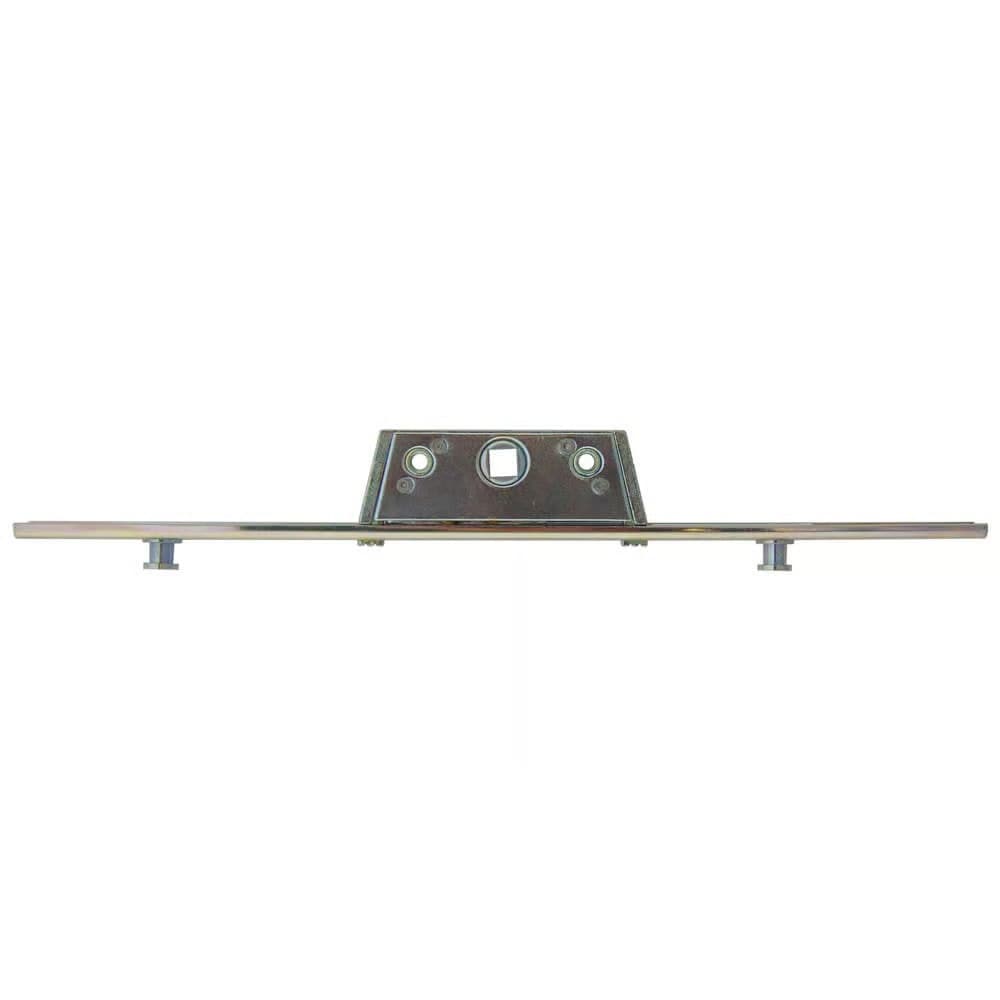
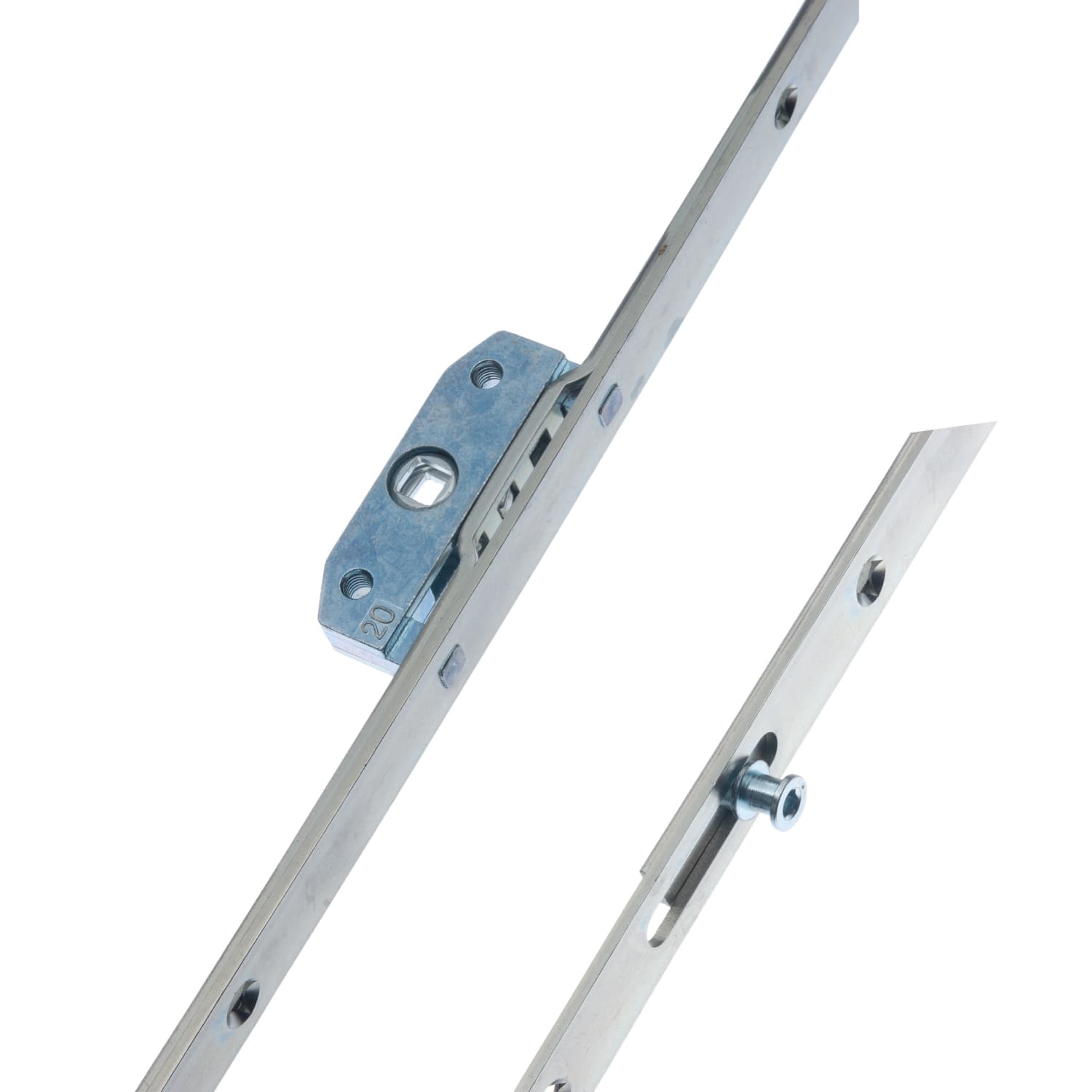
- ERAB Espagnolette Window Lock Universal Lock Replacement
- Avocet Slimline Offset Window Espag
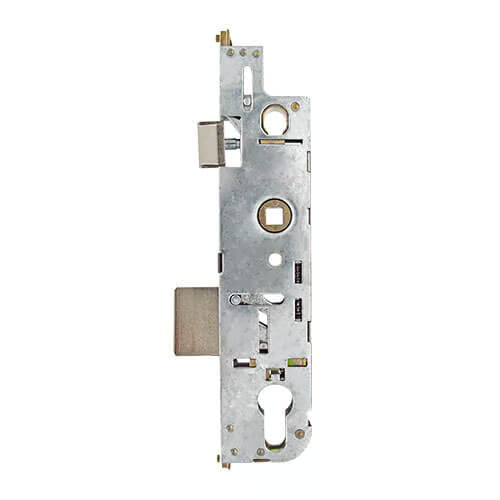
- Multipoint Gearbox GU Old Style
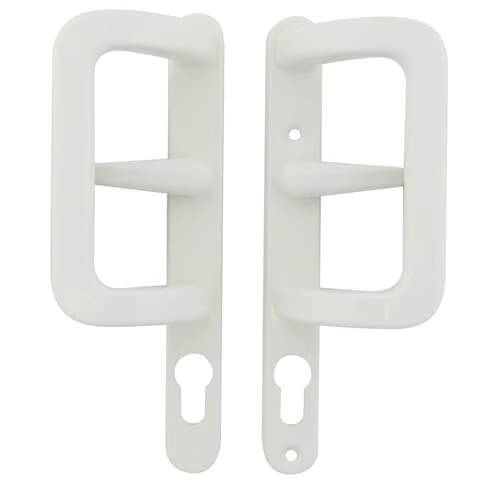
- Patio Door Handle Set - 92PZ White
- Winlock Patio Door Handle Set
Conclusion and next steps
Selecting the right shootbolt extensions and keeps comes down to accurate measurement, matching profiles and choosing appropriate materials for the environment. Trade professionals benefit from stocking adjustable keeps and a handful of common extension types; homeowners should measure carefully and consider manufacturer replacement parts where security or escape requirements apply. Next steps: measure the bolt travel and faceplate, take photos of the existing keep and bolt profile, and check compatibility with the espagnolette gear; then order parts or contact a specialist if the system appears proprietary or the frame requires complex routing.
Related articles
Window Gearbox Maintenance: Keeping Your Locks Working Smoothly
Window Gearbox Maintenance: Keeping Your Locks Working Smoothly A well maintained window gearbox keeps casement and tilt-and-turn windows operating smoothl...
Troubleshooting Shootbolt Problems: A Window Fitter's Guide
Troubleshooting Shootbolt Problems: A Window Fitter's Guide Shootbolts are a small but vital component in many modern window and patio door locking systems...
What Is a Shootbolt Lock? Complete Guide to Window Security
What Is a Shootbolt Lock? Complete Guide to Window Security What is a shootbolt? A shootbolt is a mechanical locking element commonly used in windows and d...