
Shootbolt vs Espagnolette: Which Locking System Is Better?
Shootbolt vs Espagnolette: Which Locking System Is Better? Choosing between a shootbolt and an espagnolette lock is a common decision for homeowners and tr...
Shootbolt vs Espagnolette: Which Locking System Is Better?
Choosing between a shootbolt and an espagnolette lock is a common decision for homeowners and tradespeople specifying secure and reliable hardware for windows and doors. Both systems are proven, but they suit different applications, performance requirements and budgets. This article compares functionality, security, suitability and installation considerations so you can decide which is better for your project.
What is a shootbolt and what is an espagnolette?
A shootbolt is a locking mechanism that drives hardened bolts vertically or horizontally into keeps fitted at the frame. Shootbolts are typically used as part of a multipoint locking system on doors and French doors, and also on some heavier windows where robust deadbolt locking is required. The bolt movement is a true deadbolt action: when engaged, the bolts are solidly housed in the keeper for good resistance to levering.
An espagnolette is a rod-operated locking system. A handle rotates a gearbox which translates motion into a vertical rod or rods that engage into top and bottom keeps. Espagnolettes are common on casement windows, inward- and outward-opening doors and some balcony or French doors. They are compact and provide a continuous engagement along the frame which can also give adjustable compression of the sash.
Security and performance comparison
- Shootbolt: Offers high-security deadbolt engagement; suitable for PAS24 specification when paired with certified keeps and cylinder. Excellent resistance to forced entry because bolts sit deeply into keeps. Often used on composite and timber doors where strong mechanical engagement is required.
- Espagnolette: Provides good multi-point engagement with even compression across the frame; easier to operate on larger sashes because of the gearing. Security is very good when used with robust gearbox, anti-lift pins and reinforced keeps; however, the rod connection can be a weak point if poor quality components are used.
- Weather and sealing: Espagnolette systems commonly allow fine compression adjustment, improving draught-proofing and weather performance. Shootbolts are deadbolt focused and may need additional compression locks if sealing is also required.
- Maintenance and longevity: Shootbolts are mechanically simpler but subject to wear in the keep area; use corrosion-resistant finishes for coastal locations. Espagnolette gearboxes have more moving parts and may require periodic adjustment for optimal compression and smooth operation.
Applications: where each locking system excels
- Shootbolt is ideal for:
- Main entrance and back doors where high security is a priority;
- French or patio doors where deep bolt engagement is needed to resist levering;
- Timber doors and some aluminium doors where box keeps can be fitted;
- Upgrades aiming for compliance with enhanced security standards.
- Espagnolette is ideal for:
- Casement windows and inward-opening doors where compression is required;
- PVCu window systems where pre-mounted gearboxes make fitting quick;
- Large sashes where the gearing reduces handle effort;
- Situations where weather-tightness and consistent sash-to-frame contact are important.
Installation and DIY guidance
Both systems require accurate alignment and correct sizing of keeps. For tradespeople and competent DIYers the main considerations are:
- Accurate measurement: Check backset and centre distances; shootbolt keeps often require deeper mortices while espagnolette gearboxes sit within the sash or door face. Use manufacturer templates for drilling and routing.
- Frame preparation: For shootbolts you may need to plan for box keeps or extended keeps; these can require routing deeper pockets in timber or reinforced plates on aluminium. Espagnolettes require straight, rigid rod runs; ensure sash stiles are clear of obstructions.
- Fixing and alignment: Use stainless steel fixings and ensure screws do not distort the keep. Trial-fit before final fixings; operate the mechanism several times to check smooth action and full engagement.
- Sealing and finishing: Where routing is necessary, seal exposed timber with preservation coat. For PVCu, be careful with solvents; use compatible sealants. Apply lubrication to metal-to-metal contact points using light machine oil or silicone spray suitable for locks.
- Commissioning: Adjust keeps and strike plates for even compression; check spindle lengths and handle torque. For shootbolt systems linked to a central gearbox, ensure synchronisation of rods or linkages.
Trade tips and specification advice
- Specify corrosion grade to suit the environment: BS EN 1670 ratings help select stainless or plated finishes for coastal or industrial areas.
- Choose integral anti-jemmy keeps and three-dimensional adjustable keeps for better resilience and easier on-site adjustment.
- For security upgrades, combine shootbolts with a certified multipoint mechanism and a high-security cylinder; for windows, select espagnolette gearboxes with anti-slam and anti-lift features.
- On pair doors, use shootbolts on the inactive leaf and combine with an espagnolette on the active leaf where compression tuning is required.
- Keep spare strike plates and keep adjustment packs on site; these small parts are commonly needed for final setting and can save repeat visits.
Cost and time considerations
Shootbolt systems can be more costly when heavy-duty keeps or boxed housings are required; they can also take longer to fit due to deeper frame works. Espagnolettes are often quicker to install in PVCu systems where pre-assembled gearboxes are used, and they may be more economical on smaller windows. Factor in long-term maintenance and the expected lifespan when budgeting; a slightly higher initial cost for certified hardware may reduce future call-outs and liability.
Recommended Products
Based on this article, you may find these products helpful:
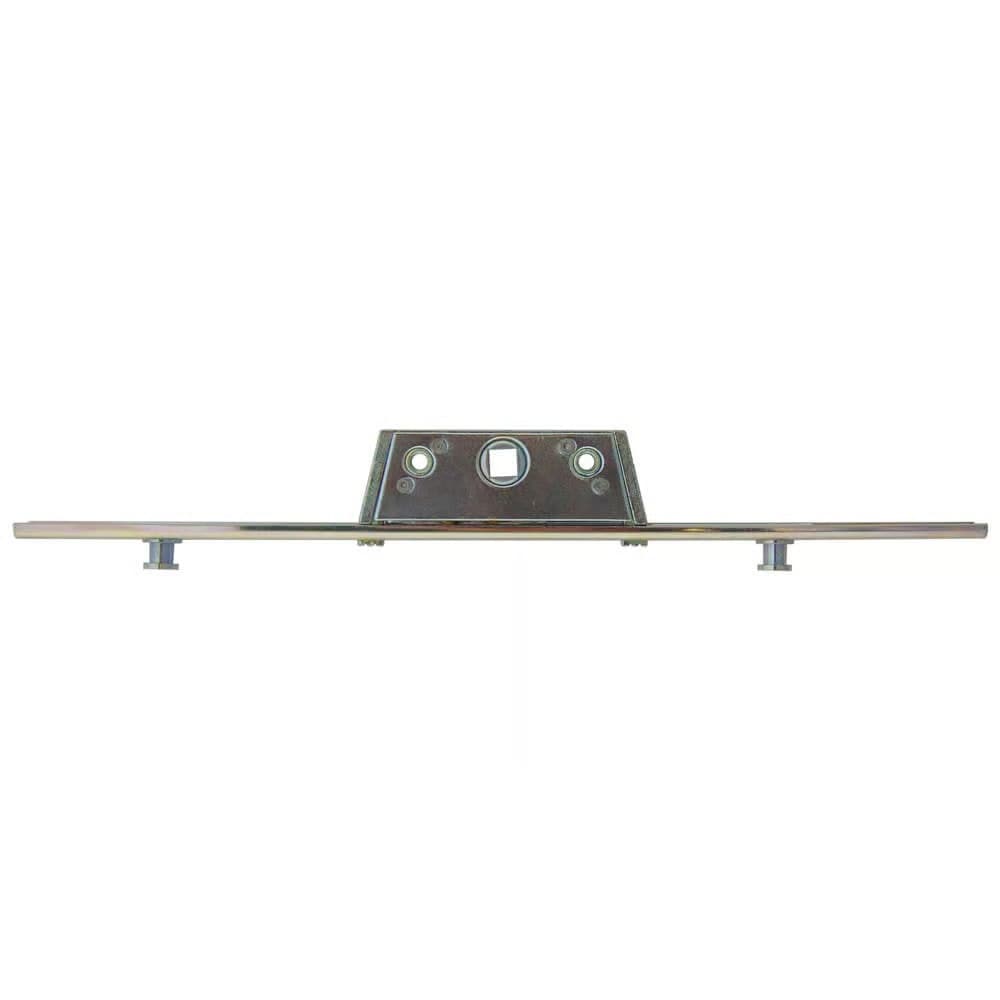
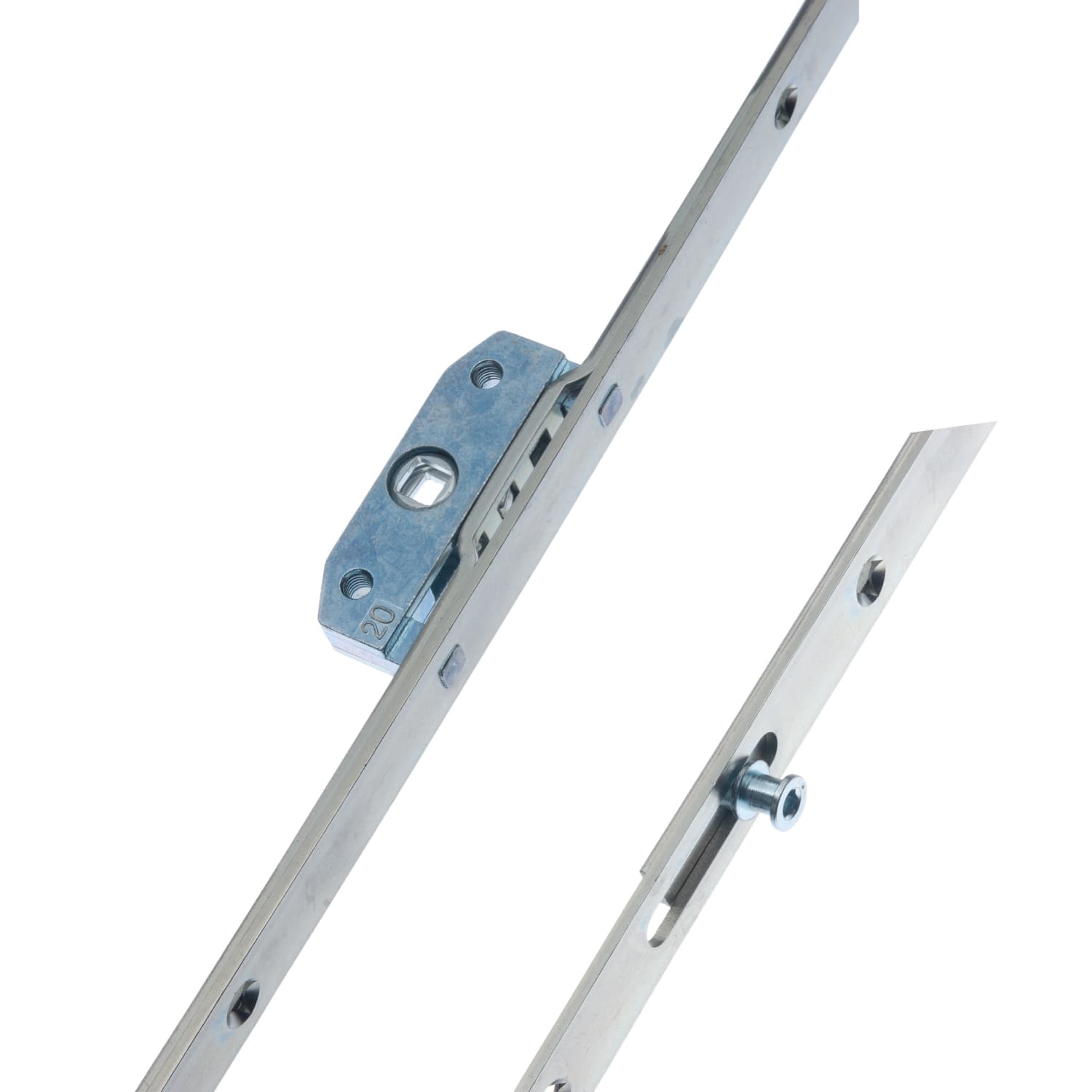
- ERAB Espagnolette Window Lock Universal Lock Replacement
- Avocet Slimline Offset Window Espag
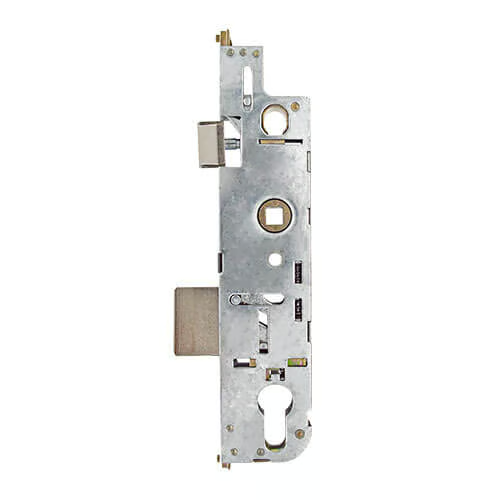
- Multipoint Gearbox GU Old Style
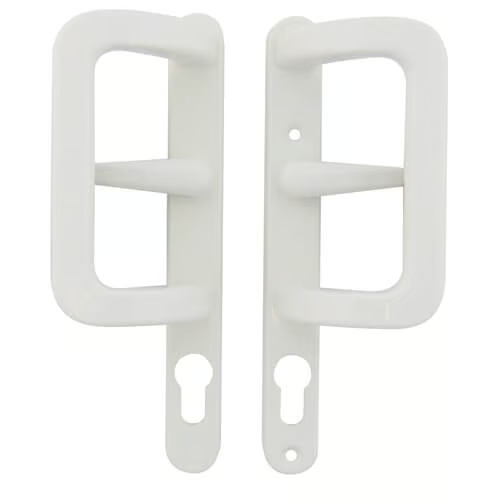
- Patio Door Handle Set - 92PZ White
- Winlock Patio Door Handle Set
Conclusion and next steps
Neither option is universally better: select shootbolt when maximum deadbolt security is the priority, especially on doors and external French doors; choose an espagnolette when consistent compression, smooth operation and suitability for PVCu or casement windows are required. For mixed requirements consider combining both on paired doors: shootbolts on the inactive leaf and an espagnolette or multipoint on the active leaf.
Next steps: assess the specific opening, check environmental factors and security classification, then consult product datasheets and installation instructions. For further detail on espagnolette options and installation techniques see our pillar resource at /guides/espagnolette-window-locks, or contact a Window Hardware Store technical advisor for trade pricing and on-site support.
Related articles
Window Gearbox Maintenance: Keeping Your Locks Working Smoothly
Window Gearbox Maintenance: Keeping Your Locks Working Smoothly A well maintained window gearbox keeps casement and tilt-and-turn windows operating smoothl...
Troubleshooting Shootbolt Problems: A Window Fitter's Guide
Troubleshooting Shootbolt Problems: A Window Fitter's Guide Shootbolts are a small but vital component in many modern window and patio door locking systems...
What Is a Shootbolt Lock? Complete Guide to Window Security
What Is a Shootbolt Lock? Complete Guide to Window Security What is a shootbolt? A shootbolt is a mechanical locking element commonly used in windows and d...