
Telescopic Letter Boxes: When You Need Adjustable Sleeves
Telescopic Letter Boxes: When You Need Adjustable Sleeves A telescopic letter box is a two-part sleeve system that allows the external and internal collars...
Telescopic Letter Boxes: When You Need Adjustable Sleeves
A telescopic letter box is a two-part sleeve system that allows the external and internal collars of a letter plate to bridge doors and walls of varying thickness. They are an essential component when a standard fixed-length letter box will not reach from the outside face to the inside face; common situations include uPVC and composite doors, thicker hardwood doors, and installations where the door sits within a thick frame or stone surround. This post explains when adjustable sleeves are necessary, offers practical trade and DIY advice, and covers the technical considerations installers must not overlook.
When you need a telescopic sleeve
Use a telescopic sleeve where door or wall thickness is greater or different from the manufacturer's standard letter box depth. Typical scenarios include:
- uPVC doors with bulb seals and thick panels: internal panel depth may vary and a fixed-length box can leave a gap or compress the seals.
- Composite doors: these often have deeper cores and may require a sleeve to avoid spigots that are too short.
- Thick hardwood or oak doors: traditional doors with thicknesses of 60mm or more need a sleeve to achieve a clean finish flush both sides.
- Masonry surrounds and extended frames: letterboxes fitted through door plus reveal or between door and frame use a telescopic sleeve to bridge the combined depth.
- Replacement work where the new door does not match the old opening depth: adjustable sleeves save time and avoid panel replacement.
Materials and finishes: choose for use and location
Telescopic sleeves are available in several materials. Common options include aluminium, uPVC, and stainless steel. Each has trade-offs:
- Aluminium: lightweight and easy to machine; often anodised or powder-coated to match the plate finish.
- uPVC: cost-effective and compatible with uPVC doors; avoid painted uPVC if a premium finish is required.
- Stainless steel: best for durability and exterior exposure; ideal for coastal environments where corrosion is a risk.
Match the finish of collars and flaps: brass, satin chrome, black, or white are typical. For trade stock, carry a range of finishes and depths to reduce on-site delays.
Security, weatherproofing and thermal performance
When selecting a telescopic letter box you must consider security: the sleeve should prevent easy access to the internal latch and be compatible with anti-tamper or anti-snake guards. Choose a letter box with an internal restrictor plate or consider an external anti-jemmy plate where mail theft is a concern.
Weatherproofing: ensure there is a draught brush or rubber seal on the inner flap and that the external flap has a drip profile to channel water away. Install a foam strip or purpose-made thermal sleeve insert to reduce thermal bridging; a telescopic sleeve can otherwise create a cold bridge through the door core, increasing heat loss.
Fire considerations: do not alter or fit letter boxes to fire doors unless you use a product specifically tested and certified for that door. Fire-rated letterboxes have intumescent seals and are supplied with approval documentation; fitting uncertified products to fire doors can void warranties and fail building regulations.
Measuring and preparing for installation
Accurate measurement is crucial. Trade and DIY installers should follow these steps:
- Measure the door thickness at the point of the intended cut-out: take measurements from both sides as profiles can taper.
- Include frame reveal thickness if the sleeve must pass through beyond the door leaf.
- Select a telescopic sleeve with a working range that comfortably covers the measured thickness; avoid using sleeves at their absolute minimum or maximum extension where possible.
- Check the backset: ensure the internal flap will not foul internal door furniture or a letterbox blind.
Installation: step-by-step practical advice
Follow these practical steps for a clean installation. This covers common surface-mounted and morticed letterboxes with telescopic sleeves:
- Cut the aperture: mark and cut the aperture to the manufacturer’s template. Use a fine-toothed saw or jigsaw; support the door to avoid splintering. For uPVC, use a sharp suitable blade and deburr the edges.
- Test-fit the sleeve: extend the sleeve to the approximate door thickness and slide through. Ensure both collars sit flush against the external and internal faces.
- Adjust and trim: some sleeves can be trimmed for a precise fit; use a hacksaw for metal and a fine-toothed saw for plastic. Remove burs and file smooth.
- Seal and insulate: apply a bead of neutral-cure silicone or expanding foam designed for doors around the sleeve where it meets the door to prevent draughts; do not block ventilation holes if the sleeve design requires them.
- Fix collars: secure the external and internal collars with the supplied screws. Countersink if necessary and use stainless steel screws in coastal areas.
- Fit flaps and test: attach the external flap and internal plate, checking alignment and closure. Ensure the flap seal meets the draught strip and that any internal restrictor is correctly positioned.
Common problems and fixes
Typical issues when installing telescopic letter boxes include misalignment, rattling, and water ingress. Solutions:
- Misalignment: re-check the aperture and the sleeve extension; shimming the collar with thin backing pads can correct minor misalignment.
- Rattling: use foam tape between sleeve sections and collar faces; ensure screws are properly tensioned and do not over-tighten plastic parts.
- Water ingress: fit a drip hood or replace the flap with a weather-optimised variant; check sealing and consider a small external canopy for exposed doors.
Trade tips for stockists and installers
For tradespeople, stock a small range of telescopic sleeves that cover common door thicknesses: 35–45mm, 45–55mm, 55–70mm and 70–90mm. Keep both standard and thermal-insulated sleeves. Offer customers options for security plates and draught seals as add-ons. For replacements, carry templates and universal fixing kits to speed up on-site work.
Recommended Products
Based on this article, you may find these products helpful:
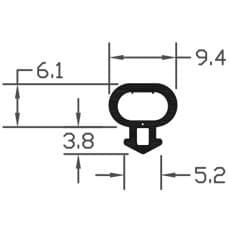
- E-Type Gasket - Black 5m Roll
- E-Type Gasket - Black (Per Metre)
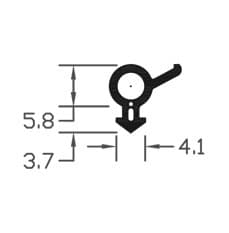
- B003 Bubble Gasket
- B004 Bubble Gasket
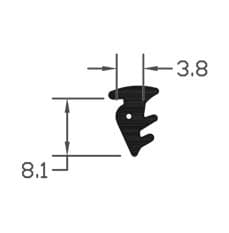
- SYS2 Wedge Gasket
Conclusion and next steps
Telescopic letter boxes are the right choice when standard fixed-depth fittings will not span the door and frame assembly. They provide a neat, secure, and weatherproof solution for a range of door types including uPVC, composite and timber. For safe installations, measure carefully, use the correct materials and seals, and avoid fitting to fire doors unless the product is certified.
Next steps: check door thickness and frame detail; select a sleeve with an appropriate extension range and thermal features; if the door is fire-rated consult the door manufacturer or use certified components. For additional resources and product selections see our pillar page: /guides/letterboxes or contact our trade team for specification advice and stock options.
Products mentioned in this article
Related articles
Internal vs External Letterbox Draught Excluders: Which Works Better?
Internal vs External Letterbox Draught Excluders: Which Works Better? A letterbox is a small opening that can let in a disproportionate amount of cold air,...
How to Retrofit an Anti Arson Letterbox to an Existing Door
How to Retrofit an Anti Arson Letterbox to an Existing Door What is an anti arson letterbox and why retrofit one? An anti arson letterbox is a specialist l...
Letterbox Draught Excluder for Security: Added Protection
Letterbox Draught Excluder for Security: Added Protection A well-chosen letterbox draught excluder reduces heat loss and noise while contributing to a stro...