
The Complete Espagnolette Buying Guide: Sizes, Types and Compatibility
The Complete Espagnolette Buying Guide: Sizes, Types and Compatibility An espagnolette is the common name for the rod and gearbox system used to lock casem...
The Complete Espagnolette Buying Guide: Sizes, Types and Compatibility
An espagnolette is the common name for the rod and gearbox system used to lock casement windows and French doors. Whether you are a trade installer or a DIY homeowner, choosing the correct espagnolette requires attention to sizes, types and compatibility with your existing frames and hardware. This guide explains the practical details you need when specifying, ordering or fitting an espagnolette.
What is an espagnolette and where it is used
An espagnolette consists of a central gearbox operated by a handle, with upper and lower rods or linkages that engage keepers or strike plates in the frame. They provide multi-point locking, improving security and compression for weather performance. Typical applications include:
- PVCu and aluminium casement windows
- French and inward-opening patio doors
- Timber windows where a discreet multi-point lock is required
Key sizes to measure before buying
Accurate measurement avoids costly returns. Measure these elements before ordering an espagnolette:
- Spindle size and length: the square spindle that connects the handle to the gearbox is commonly 7mm or 8mm square; measure thickness with callipers and overall length to ensure the handle sits flush.
- Backset: distance from the leading edge of the door or window to the centre of the gearbox or follower; this determines which faceplate style will fit.
- Gearbox centre and case size: some gearboxes are modular; measure the distance between fixing centres and overall case height if replacing an existing unit.
- Rod lengths and fixing positions: for rod systems, measure from the gearbox to the end of the rod and note where keepers sit in the frame.
- Handle centre/escutcheon dimensions: if you are replacing handles only, measure the screw centres and the distance between the spindle and any locking cylinder or keyhole.
Types of espagnolette mechanisms
There are several common types, each suited to different frames and security requirements:
- Standard rod espagnolette: a central gearbox with top and bottom rods; commonly used on casement windows and lightweight French doors.
- Multipoint espagnolette for doors: integrates hooks, rollers or deadbolts with a central gearbox for higher security on external doors.
- Telescopic or adjustable rods: useful where a precise rod length is required; trade-friendly when dealing with inconsistent frames.
- Locking handles and keyed espagnolette systems: provide additional security by locking the handle spindle to prevent operation from the inside or outside.
Compatibility: what to check
Compatibility is more than matching a spindle. Check these aspects to ensure a correct fit:
- Frame material and reinforcement: aluminium and PVCu frames may need different mounting plates or longer screws; timber frames may require different keeper styles.
- Keeper and striker alignment: new espagnolette keepers must line up precisely with the rods or bolts; misalignment causes poor locking and excess wear.
- Handle handedness and orientation: determine left or right handed application when ordering to ensure the handle operates comfortably and clears mouldings.
- Weather-seal compression: ensure the new espagnolette provides the correct amount of compression for the existing gasket; some systems are adjustable to increase or decrease compression.
- Coastal environments: choose stainless steel or corrosion-resistant finishes to avoid premature failure in salty atmospheres.
Trade advice for specifying and stocking espagnolette
For installers and merchants, the following practical tips reduce call-backs and speed up fits:
- Keep a small range of universal gearboxes and adjustable rods in common spindle sizes; they often solve awkward retrofits quickly.
- Stock locking and non-locking handle options, plus a selection of keepers for PVCu, aluminium and timber frames.
- Label kits with clear measurement ranges and installation notes; site operatives appreciate quick reference data for backset, spindle and rod length.
- Offer corrosion-resistant finishes and longer screws for aluminium or reinforced PVCu frames.
DIY fitting and troubleshooting tips
Basic espagnolette replacement can be undertaken by a competent DIYer; follow these practical steps and safety tips:
- Before removal, photograph the existing set-up with the handle in the closed and open positions; this helps when refitting rods and keepers.
- Mark and label rods: when taking off the old espagnolette, mark which rod is top and which is bottom, and note how the keepers are seated.
- Use correct screw lengths: too-short screws lead to movement and wear; too-long screws can damage reinforcement or glass beads.
- Check operation before final fixing: loosely assemble the gearbox and rods, operate the handle and ensure all keepers engage; adjust rod length or keeper position if necessary.
- Lubricate moving parts with a dry PTFE or light machine oil; avoid heavy greases that attract dust and impede smooth operation.
- If alignment cannot be achieved, consider adjustable telescopic rods or swapping to a different keeper profile rather than forcing the system.
Common mistakes to avoid
Be aware of these frequent issues that lead to problems:
- Mismatching spindle thickness or length: handle will not seat correctly and will rattle or fail to operate the gearbox.
- Ignoring keeper depth: if keepers sit too shallow or too proud, the bolts will not engage and the locking will be insecure.
- Using incorrect screw types: self-tapping screws in PVCu without correct length or head profile can crack beads or distort frames.
- Assuming all espagnolette kits are universal: always measure and check frame compatibility; a visual match is not enough.
Further resources and compatibility checks
For more detailed technical diagrams and step-by-step fitting notes consult our pillar resource on espagnolette window locks: /guides/espagnolette-window-locks. That page includes technical drawings, a checklist for measurements and downloadable templates for many common gearboxes and rod assemblies.
Recommended Products
Based on this article, you may find these products helpful:
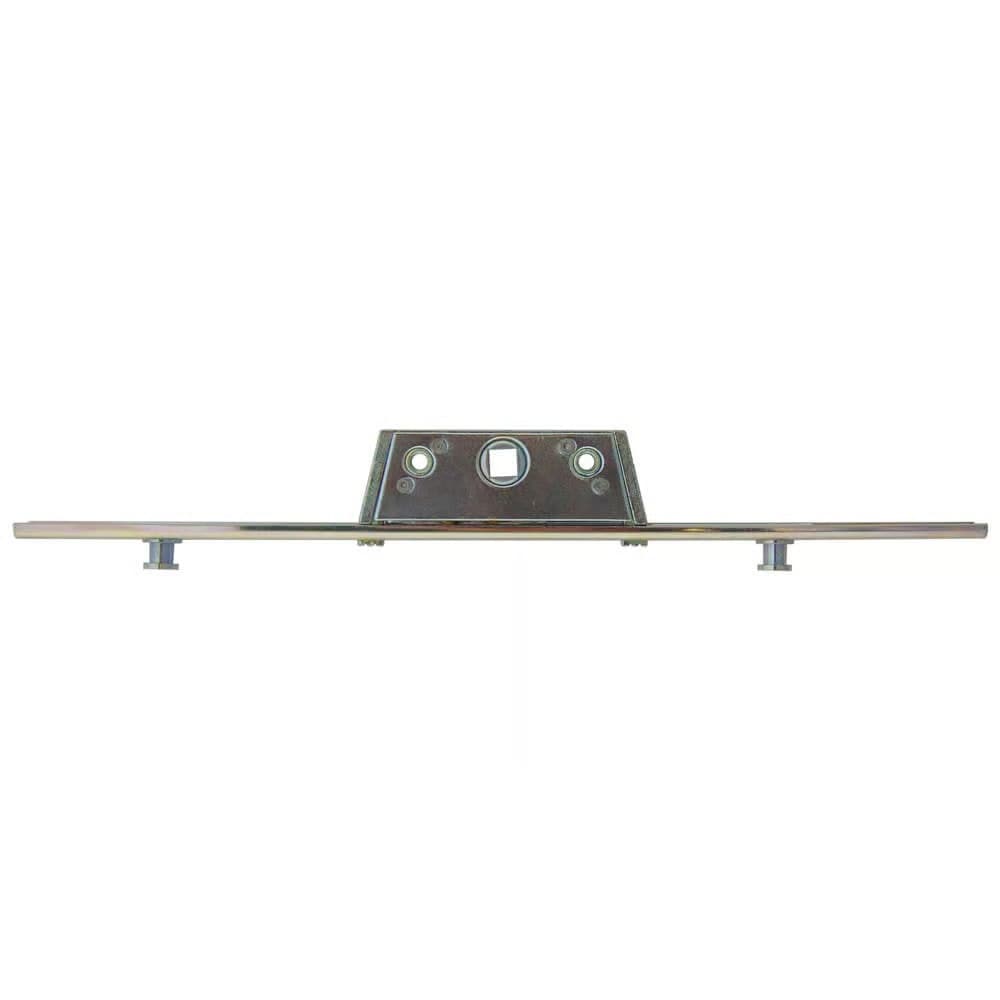
- ERAB Espagnolette Window Lock Universal Lock Replacement
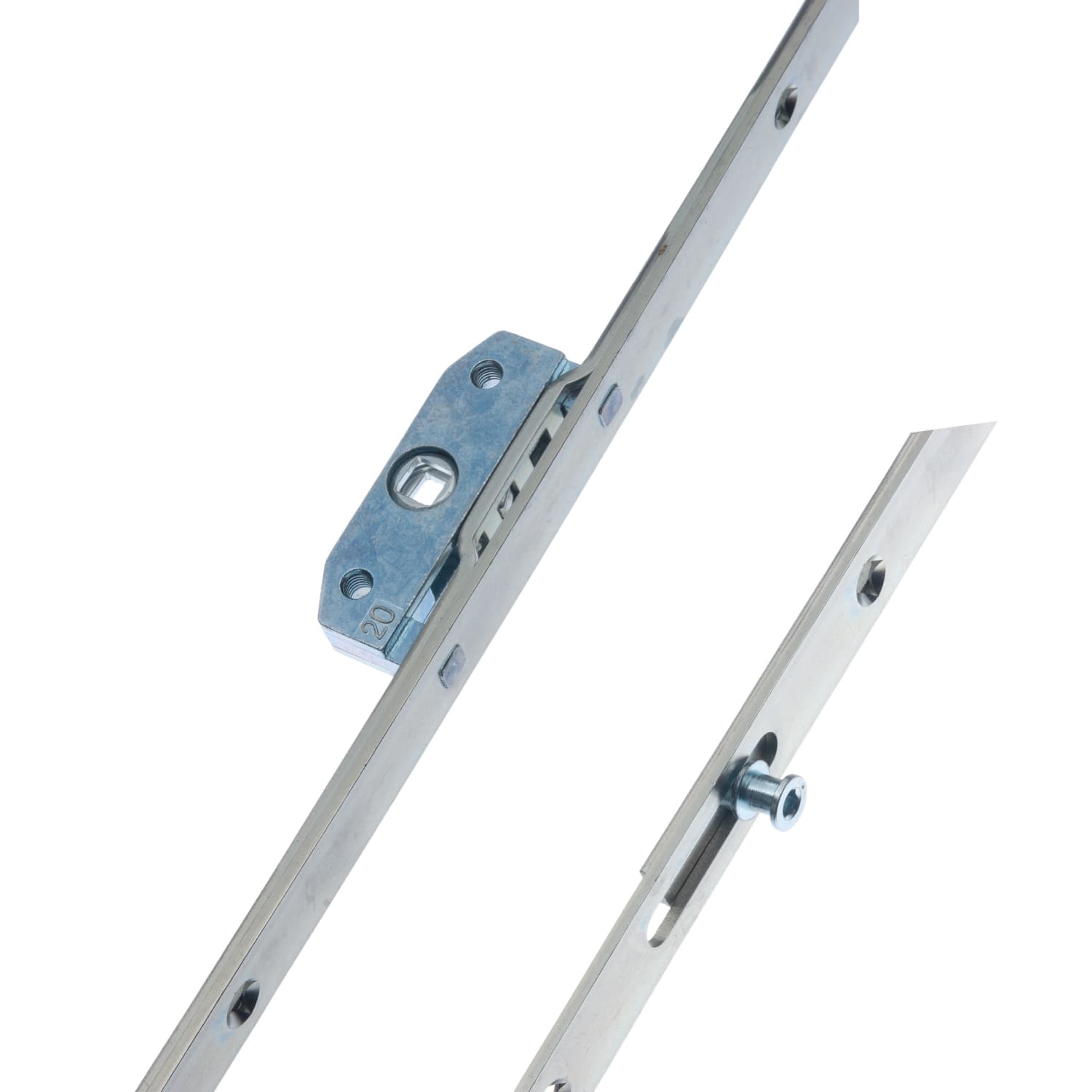
- Avocet Slimline Offset Window Espag
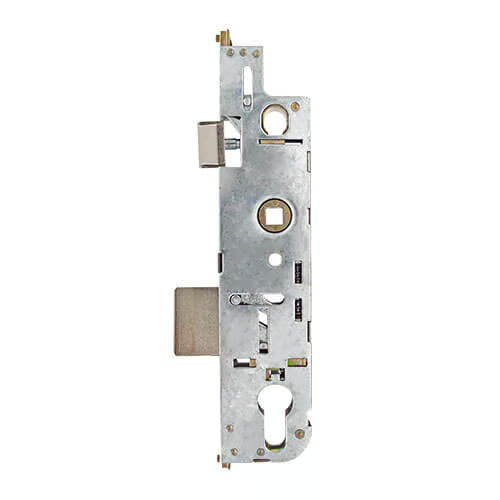
- Multipoint Gearbox GU Old Style
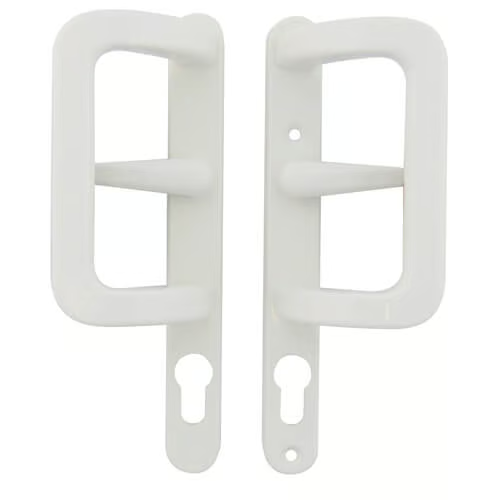
- Patio Door Handle Set - 92PZ White
- Winlock Patio Door Handle Set
Conclusion and next steps
Choosing the right espagnolette depends on careful measurement, awareness of frame type and selection of the correct rod, spindle and keeper styles. Tradespeople should maintain a small range of adjustable components and corrosion-resistant options; DIYers should photograph and label parts before disassembly and test alignment before final fixing. If you are unsure about any measurement or compatibility issue, send photos and exact measurements to your supplier or consult our technical team via the pillar page link above.
Related articles
Window Gearbox Maintenance: Keeping Your Locks Working Smoothly
Window Gearbox Maintenance: Keeping Your Locks Working Smoothly A well maintained window gearbox keeps casement and tilt-and-turn windows operating smoothl...
Troubleshooting Shootbolt Problems: A Window Fitter's Guide
Troubleshooting Shootbolt Problems: A Window Fitter's Guide Shootbolts are a small but vital component in many modern window and patio door locking systems...
What Is a Shootbolt Lock? Complete Guide to Window Security
What Is a Shootbolt Lock? Complete Guide to Window Security What is a shootbolt? A shootbolt is a mechanical locking element commonly used in windows and d...