
The Professional's Guide to Sourcing Double Glazing Supplies
The Professional's Guide to Sourcing Double Glazing Supplies Sourcing quality double glazing supplies is essential whether you are a trade installer, fabri...
The Professional's Guide to Sourcing Double Glazing Supplies
Sourcing quality double glazing supplies is essential whether you are a trade installer, fabricator or a DIY-savvy homeowner. The right components affect performance, longevity and compliance with building regulations. This post covers what to buy, how to evaluate suppliers, practical installation tips and simple DIY advice to help you get the best result for windows and doors in the UK.
Core components to specify
When ordering double glazing supplies make sure each unit includes or specifies the following items clearly:
- Insulating glass unit (IGU): glass types, thicknesses, spacer bar type and gas fill (usually argon).
- Frame material: uPVC, aluminium or timber; include profile system and finish.
- Hardware: hinges, friction stays, espagnolette multipoint locks, handles, rollers, shootbolts and keeps.
- Seals and gaskets: outer perimeter gaskets, compression gaskets, glazing beads and wedge seals.
- Ancillaries: cills, drip caps, trickle vents, setting blocks, fixings, drainage components and silicone or butyl sealant.
Glass and sealed unit choices
Decide on performance first: thermal insulation, acoustic reduction and safety/security. Typical IGUs for domestic use are 4mm glass with a 12mm or 16mm cavity and another 4mm pane; manufacturers will label this 4/12/4 or 4/16/4. Low-emissivity coatings and argon gas filling reduce U-values and should be selected to meet Part L energy requirements.
For safety and security: toughened (tempered) glass is required in critical locations; laminated glass provides added protection against break-in and retains fragments if broken. For higher security, specify laminated outer panes and consider laminated inner panes too. Ensure IGUs are manufactured to BS EN 1279 standards for insulating glass.
Frame systems and hardware selection
Choose frame profiles and hardware together so components are compatible. Common hardware items include:
- Espagnolette multipoint locking systems: essential for modern casement windows and doors to achieve weather and security performance.
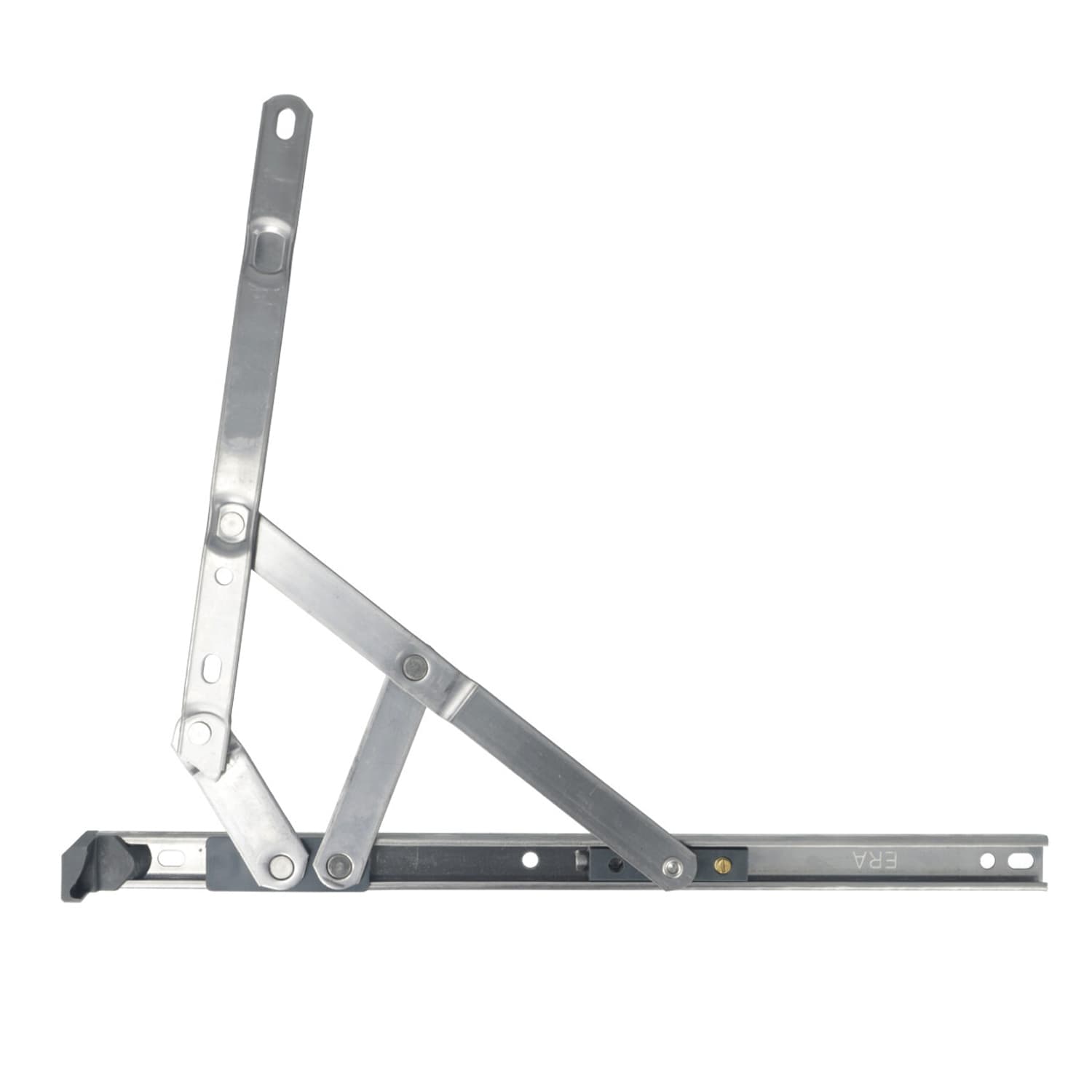
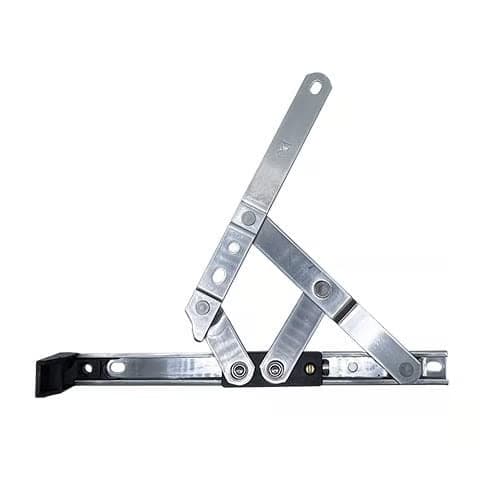
- Friction stays and butt hinges: select load-rated stays for the sash size and weight; friction stays come in different opening restrictors and keep settings.
- Handles and cylinders: for doors, select cylinders to meet British Standard requirements; for windows, choose handles with locking options if child safety or security is needed.
- Sliding and patio hardware: rollers, running tracks and brush seals must match the profile system and anticipated traffic.
Specify security standards where relevant: PAS 24 certification for doors and windows increases occupant safety and may be required for certain building approvals or new-build warranties.
Seals, perimeter bonding and ancillaries
Good sealing prevents drafts and moisture. Use compatible gaskets and ensure corner joints are correctly welded or mechanically joined. For perimeter bonding use butyl or neutral-cure silicones as specified by the frame maker; avoid acetic cure silicones near metal finishes or certain gaskets as they can cause degradation.
Other useful ancillaries to keep on the van or in the workshop include: setting blocks sized for the glazed unit thickness, proprietary foam backer rods for sealant control, drainage trays, and a selection of fixings and packers. Keep spare glazing beads and standard handles for quick repairs.
Supplier selection and ordering strategy
Work with suppliers who can demonstrate traceability and quality: ask for product data sheets, BS/EN standard references and warranty details. Consider these practical points:
- Lead times: plan orders around lead times for IGUs and specialised finishes; place bulk orders for common sizes to reduce per-unit cost.
- Minimum order quantities and returns: confirm cut-to-size policies and returns on standardised hardware.
- Local stock vs made-to-order: keep a basic stock list for quick repairs; order bespoke units early to avoid project delays.
- Testing and inspection: check sealed units on delivery for edge seals, desiccant depletion and glass clarity. Fogging inside units indicates a failed unit and should be rejected.
Installation tips for tradespeople and DIYers
Accurate preparation improves installation speed and performance: measure openings at several points for squareness and plumb; check reveal depth for adequate frame backset; and verify drainage fall for cills. Use setting blocks at quarter points under the IGU and pack frames to achieve even compression of gaskets. Maintain weep hole integrity and follow manufacturer guidance for the number and position of fixings.
When glazing: avoid overcompression of gaskets which can cause blow-outs in hot weather; ensure beads are clipped or screwed as intended; and finish with appropriate external sealant to provide a weatherproof joint while allowing the frame to breathe where recommended.
DIY considerations and safety
Homeowners may replace handles, change gaskets or install trickle vents, but full frame replacements or custom IGU supply and installation are best left to experienced tradespeople. If you attempt any glazing work yourself take these precautions:
- Wear PPE: safety glasses, gloves and long sleeves when handling glass.
- Work on a flat stable surface; use suction cups for large glass panes.
- Understand the weight and centre of gravity of units: two-person lifts may be required.
- Check local building regulations for safety glass requirements and notification needs for structural changes.
Practical checklist before completing an order
- Confirm exact sizes, tolerances and handedness for all frames and sashes.
- Match hardware to profile systems and confirm screw lengths and fixing methods.
- Verify glass specification: thickness, coatings, gas fill, spacer type and edgework finish.
- Agree delivery method and inspect units on arrival for transit damage.
- Keep manufacturer contact details for after-sales support and warranty claims.
Recommended Products
Based on this article, you may find these products helpful:
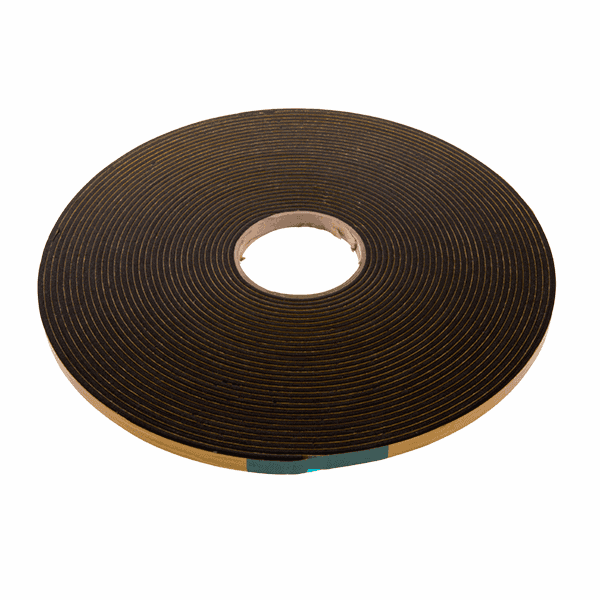
- Structural Glazing Tape - 20mm
- Security Glazing Tape
- Top Hung Friction Stay - 12"
- ERA Egress (Fire escape) Friction Stay
- TSS Standard Friction Stays – 13mm & 17mm Stack Height
Conclusion and next steps
Sourcing the right double glazing supplies requires attention to specification, supplier capability and installation detail. Start by defining the required performance for thermal, acoustic and security needs; then match glass, frames and hardware accordingly. For trade accounts, build relationships with reputable suppliers and maintain a core stock of consumables. For homeowners, use professional installers for structural or safety-critical work and limit DIY to minor maintenance or replacements.
For detailed product options and supplier guidance visit our pillar page: /guides/double-glazing-supplies or contact our trade team for quotes, specification help and lead-time information.
Products mentioned in this article
Related articles
How Old uPVC Window Parts Differ from Modern Replacements
How Old uPVC Window Parts Differ from Modern Replacements Older uPVC windows fitted in the 1980s and 1990s were robust for their time, but the components u...
Glazing Tools Safety Guide: Avoiding Common Injuries
Glazing Tools Safety Guide: Avoiding Common Injuries Working with glazing tools carries a real risk of cuts, crushed fingers and slips when handling panes ...
How to Maintain Your Glazing Tools for Longer Life
How to Maintain Your Glazing Tools for Longer Life Whether you are a trade glazier or a DIY homeowner replacing a pane, well‑maintained glazing tools save ...