
uPVC Window Parts That Affect Energy Efficiency: What to Upgrade
uPVC Window Parts That Affect Energy Efficiency: What to Upgrade. uPVC windows are a common choice in UK homes, but their thermal performance depends on mo...
uPVC Window Parts That Affect Energy Efficiency: What to Upgrade. uPVC windows are a common choice in UK homes, but their thermal performance depends on more than the frame material. Small components and the way hardware is specified and installed can make a significant difference to heat loss, draughts and condensation. This article describes the uPVC window parts that affect energy efficiency and gives practical advice for tradespeople and motivated DIYers on what to upgrade or maintain.
Which uPVC parts have the biggest effect on energy efficiency?
Not every component carries the same weight when improving thermal performance. The highest impact elements are:
- Sealed glazed units (IGUs): glass type, gas fill, and spacer bar;
- Compression seals and gaskets around sash and frame;
- Frame design and reinforcement: thermal bridging through steel reinforcements;
- Hardware that ensures consistent compression: espagnolette multipoint locks, keeps and hinges;
- Thresholds, cills and trickle vents: detailing that controls draughts and ventilation.
Glazing units and edge details
The sealed glazed unit is usually the single largest source of heat loss in a window. Upgrading from a single glazed unit or an old IGU to a modern double or triple glazed unit with low-emissivity low-E coating and a gas fill such as argon will reduce U-values substantially. Pay attention to the spacer bar at the unit edge: warm-edge spacers reduce conductive heat loss and reduce the chance of internal condensation at the edge.
Signs of a failed IGU include persistent condensation between panes and a foggy appearance. Replace failed units promptly; repairing the edge seal is not a DIY job unless you are trained and have the correct machinery.
Seals, gaskets and draughtproofing
Compression seals around the sash compress against the frame to form an airtight barrier. Over time rubber or PVC gaskets harden or compress and stop sealing effectively. Replacing worn seals is a low-cost, high-impact upgrade. Common options include brush pile, compression EPDM seals, and bulb seals; choose seals matched to the profile section and groove type.
Simple checks: slide a piece of tissue around the closed sash to find leaks; at night use a candle or thermal camera for more accuracy. For replacement you will typically remove the glazing bead, ease out the old gasket, and push in the new seal into the gasket groove. Keep spare beads to hand and use profile-safe tools to avoid damage. Use silicone-free lubricants designed for rubber seals to prolong life.
Hardware: locks, hinges and compression
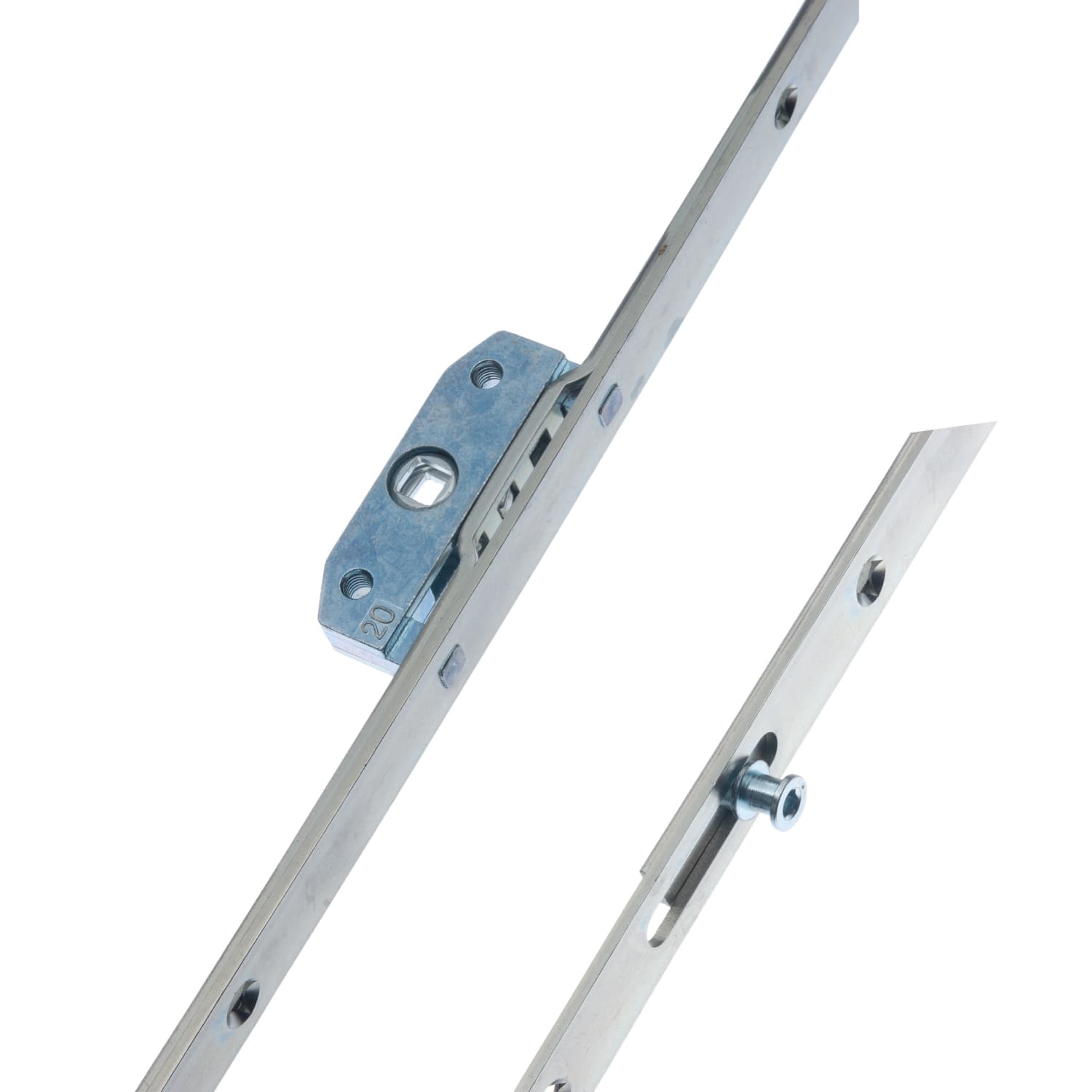
Hardware affects how well a window closes and how evenly compression is applied to seals. A multi-point espagnolette lock with compression cams provides adjustable pressure across the sash; if the cams are worn or not set correctly the sash may not compress evenly, causing draughts and cold spots. Replace worn espagnolette gearboxes and check keeps for alignment.
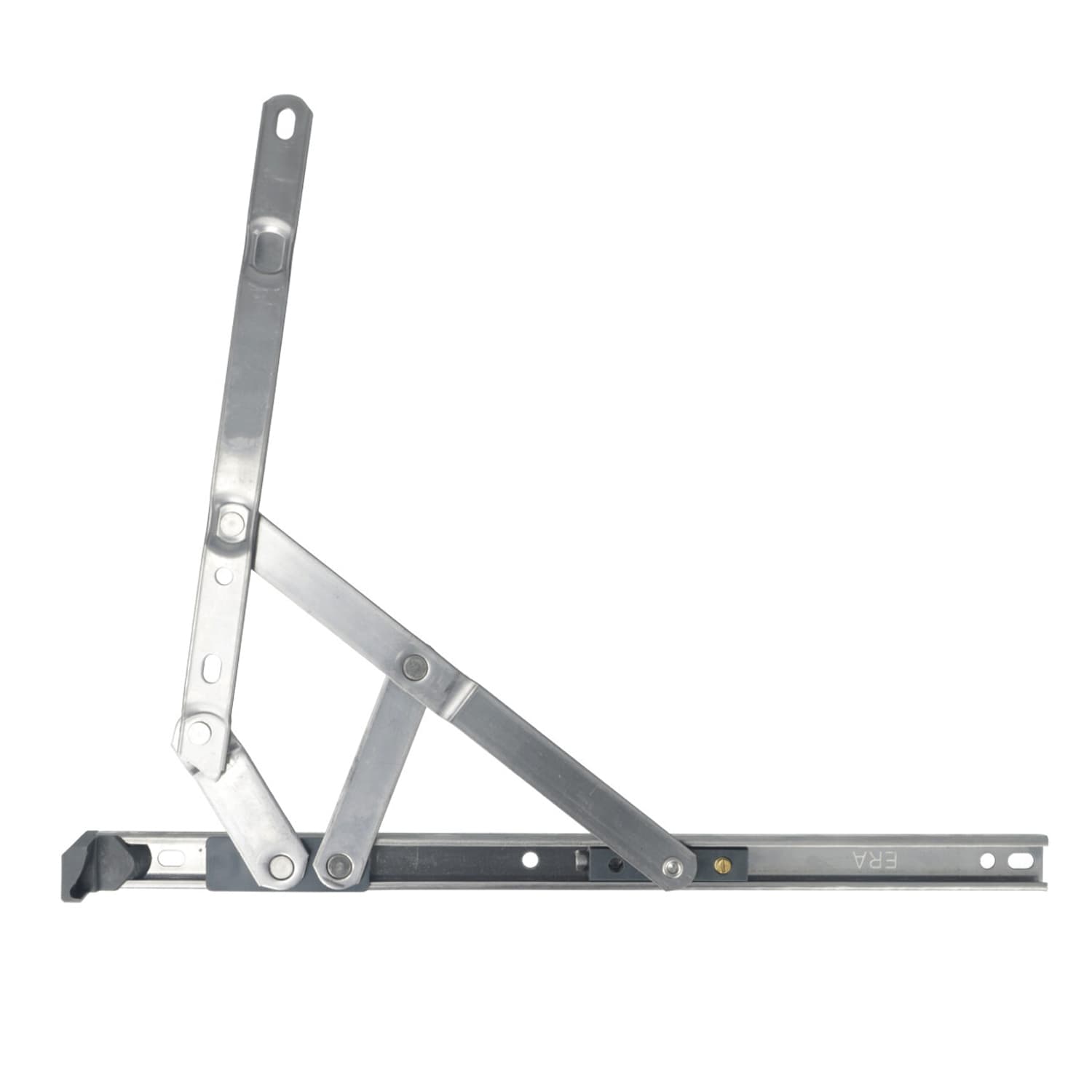
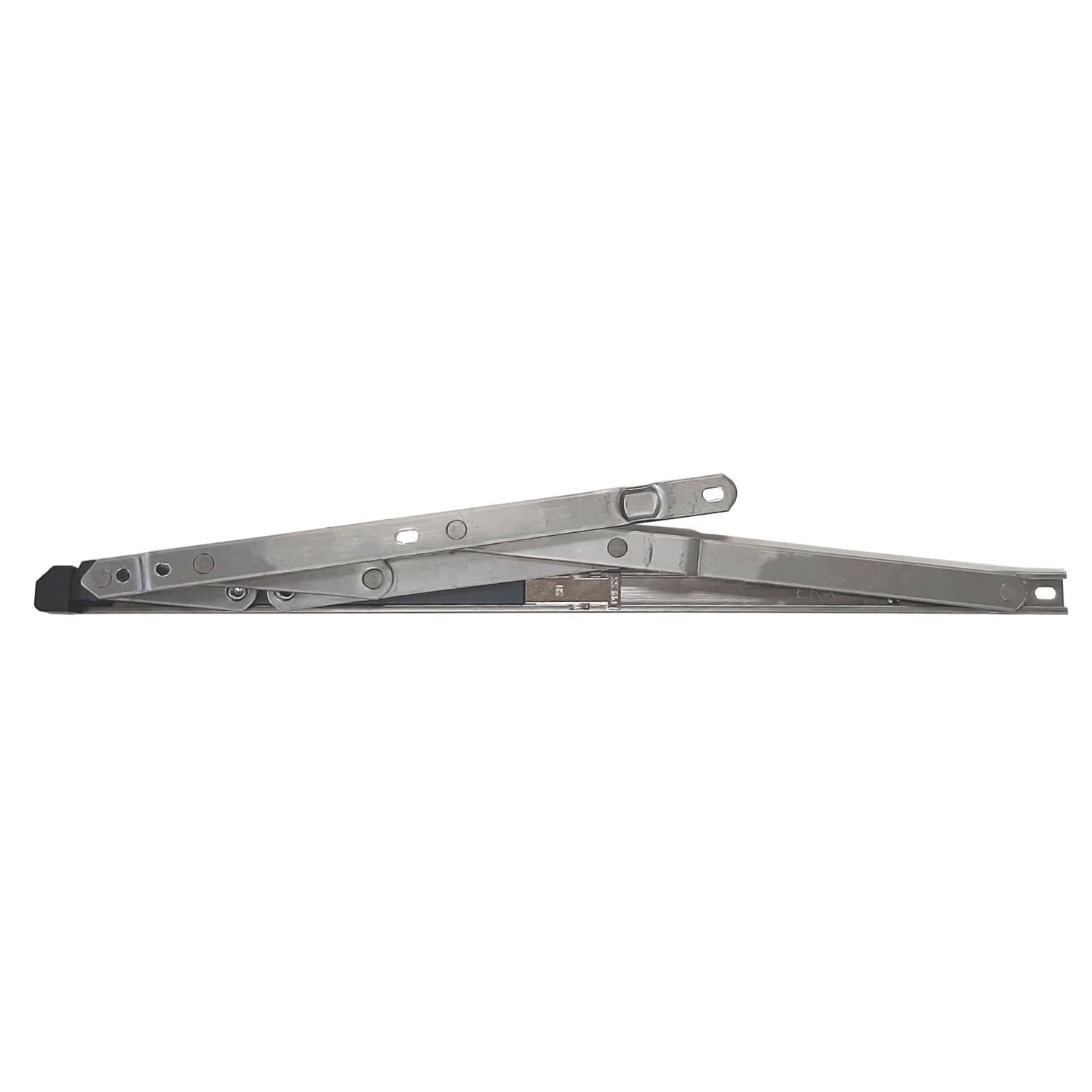
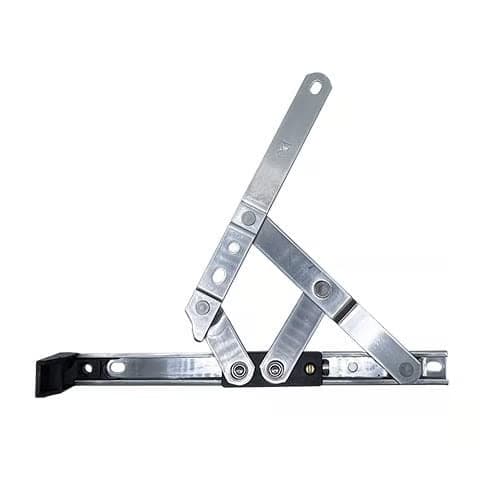
Hinges and friction stays must be adjusted so the sash sits squarely in the frame when closed. On top-hung and side-hung units adjust the hinge packers or the hinge pivot screws to remove gaps. For casements, ensure hinge screws are tight and lubricated; for tilt-and-turn types check the pivot points and corner drive mechanisms.
Thresholds, cills and ventilation
Threshold detailing is critical on doors and bottom-openers. A worn threshold seal will undermine all other measures; replace threshold gaskets and consider add-on cold-suppressing cill insulation where allowable by regulations. Trickle vents provide necessary background ventilation but are a small heat loss source. Consider trickle vents with better thermal characteristics or adjustable acoustic vents that reduce heat loss while maintaining ventilation and compliance with building regulations.
Other parts and materials to consider
- Foam or thermal inserts in profile chambers: some systems use inert foam to reduce conductive heat transfer; ensure compatibility with existing profiles;
- Glazing gaskets and packers: correct packer material avoids point loads and ensures glass sits in the right place for optimal seals;
- Drainage and weep holes: blocked drainage can cause moisture to collect and freeze in cold weather, affecting seals and operation; keep these clear;
- Surface finish and maintenance: keep profiles clean and lubricate moving parts to prolong life and minimise thermal performance loss through wear.
Practical trade advice: prioritising upgrades
For trade professionals advising clients, prioritise like this: replace failed IGUs first; then renew primary compression seals and ensure hardware delivers proper compression; next, address threshold and trickle vent improvements; lastly consider frame-level upgrades such as warm-edge spacer and reinforcement improvements if a full replacement is not feasible.
Specification tips: select IGUs with a certified U-value and specify warm edge spacer and argon fill for double-glazed units where cost allows; for higher performance specify triple glazing. For hardware choose multi-point espagnolette systems with adjustable compression cams and corrosion-resistant finishes rated to appropriate security standards such as PAS 24 where required.
DIY checks and simple upgrades for homeowners
Homeowners can carry out basic checks and small upgrades safely:
- Inspect seals visually and with the tissue test; buy profile-compatible replacement seals and follow manufacturer instructions for removal and insertion;
- Lubricate hinges and locking mechanisms with a dry PTFE spray or light oil recommended by the hardware maker;
- Check for condensation between panes; if present contact a professional to replace the IGU;
- Keep weep holes clear with a soft tool; do not enlarge them; use a vacuum or soft wire to clear debris;
- If draughts persist around the sill or frame consider draught-proofing strips and threshold brushes specifically made for uPVC doors and windows.
Safety note: do not attempt to replace glass without appropriate tools and support. Use suction cups and at least two people for heavy panes or call a glazier.
When to call a specialist
If you find inter-pane condensation, broken or corroded hardware, or if frames show serious distortion due to reinforcement issues, call a specialist. Complex upgrades such as replacing warm-edge spacers, regassing IGUs or modifying steel reinforcement are trade-level tasks that require specialised equipment and guarantee-backed components.
Recommended Products
Based on this article, you may find these products helpful:
- Top Hung Friction Stay - 12"
- ERA Egress (Fire escape) Friction Stay
- TSS Standard Friction Stays – 13mm & 17mm Stack Height
- Restricted Friction Stay Hinges
- ERAB Espagnolette Window Lock Universal Lock Replacement
Conclusion and next steps
Improving uPVC window energy performance is often about targeted upgrades rather than wholesale replacement. Start by assessing IGU condition, seals and hardware compression; these areas deliver the best return on investment. For more product options and trade supplies see our resources at /guides/double-glazing-supplies. If you are a homeowner with basic DIY skills you can replace seals, lubricate hardware and clear drainage; call a qualified installer for failed IGUs, structural reinforcement or security upgrades.
Related articles
How Old uPVC Window Parts Differ from Modern Replacements
How Old uPVC Window Parts Differ from Modern Replacements Older uPVC windows fitted in the 1980s and 1990s were robust for their time, but the components u...
Glazing Tools Safety Guide: Avoiding Common Injuries
Glazing Tools Safety Guide: Avoiding Common Injuries Working with glazing tools carries a real risk of cuts, crushed fingers and slips when handling panes ...
How to Maintain Your Glazing Tools for Longer Life
How to Maintain Your Glazing Tools for Longer Life Whether you are a trade glazier or a DIY homeowner replacing a pane, well‑maintained glazing tools save ...