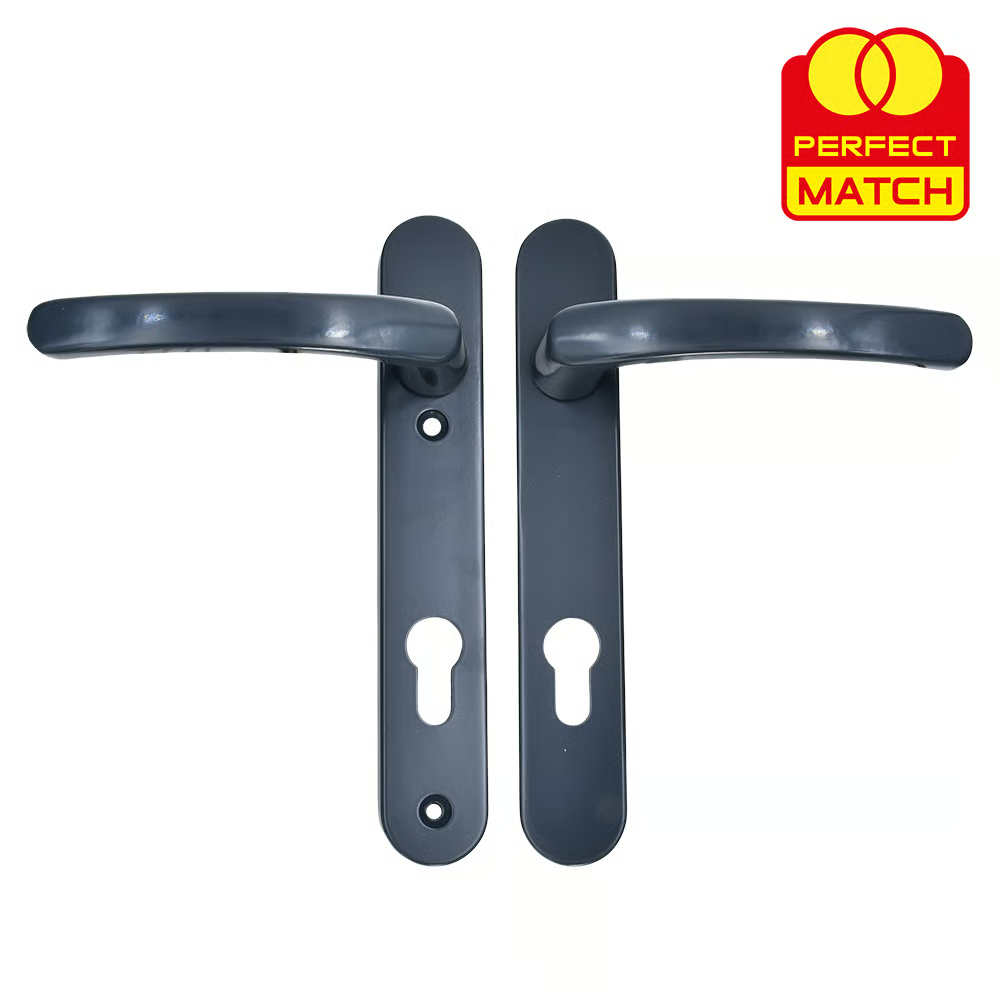
Upgrading Your Patio Door Handle for Better Security
Upgrading your patio door handle is one of the most cost-effective ways to improve home security without replacing the entire door. Whether you are a trade professional advising a client or a confiden...
Upgrading your patio door handle is one of the most cost-effective ways to improve home security without replacing the entire door. Whether you are a trade professional advising a client or a confident DIY enthusiast, choosing the right patio door handle and fitting it correctly can reduce the risk of forced entry and improve daily usability. This guide covers the practical considerations for selecting, testing and installing a new patio door handle to raise security standards on sliding and French doors.
Why upgrade your patio door handle?
A worn or basic patio door handle can be the weak link in an otherwise secure system. Upgrading a patio door handle can:
- Increase resistance to forced entry and lock snapping.
- Improve locking complexity by adding multi-point or deadbolt features.
- Enhance durability for high-traffic residential or rental properties.
- Improve user experience with smoother operation and better ergonomics.
For tradespeople, recommending a handle upgrade is often an affordable way to add value for customers compared to a full door replacement.
Types of patio door handle to consider
Selecting the right patio door handle depends on door type, material and security requirements. Common options include:
- Locking mortice handles: good for timber French doors where a mortice lock is already present.
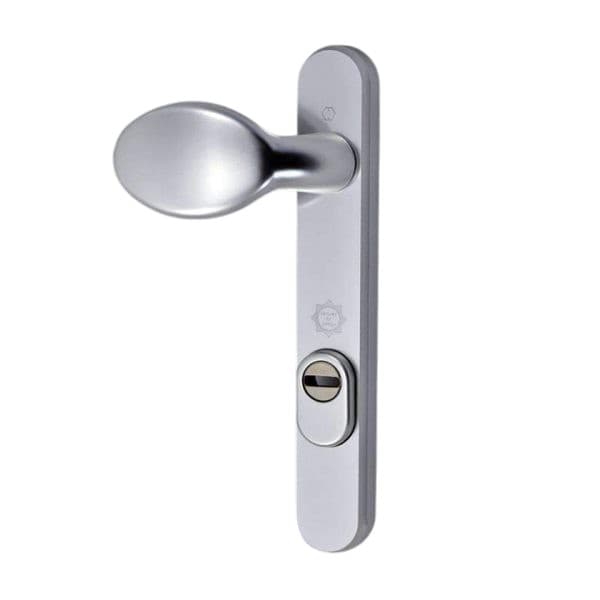
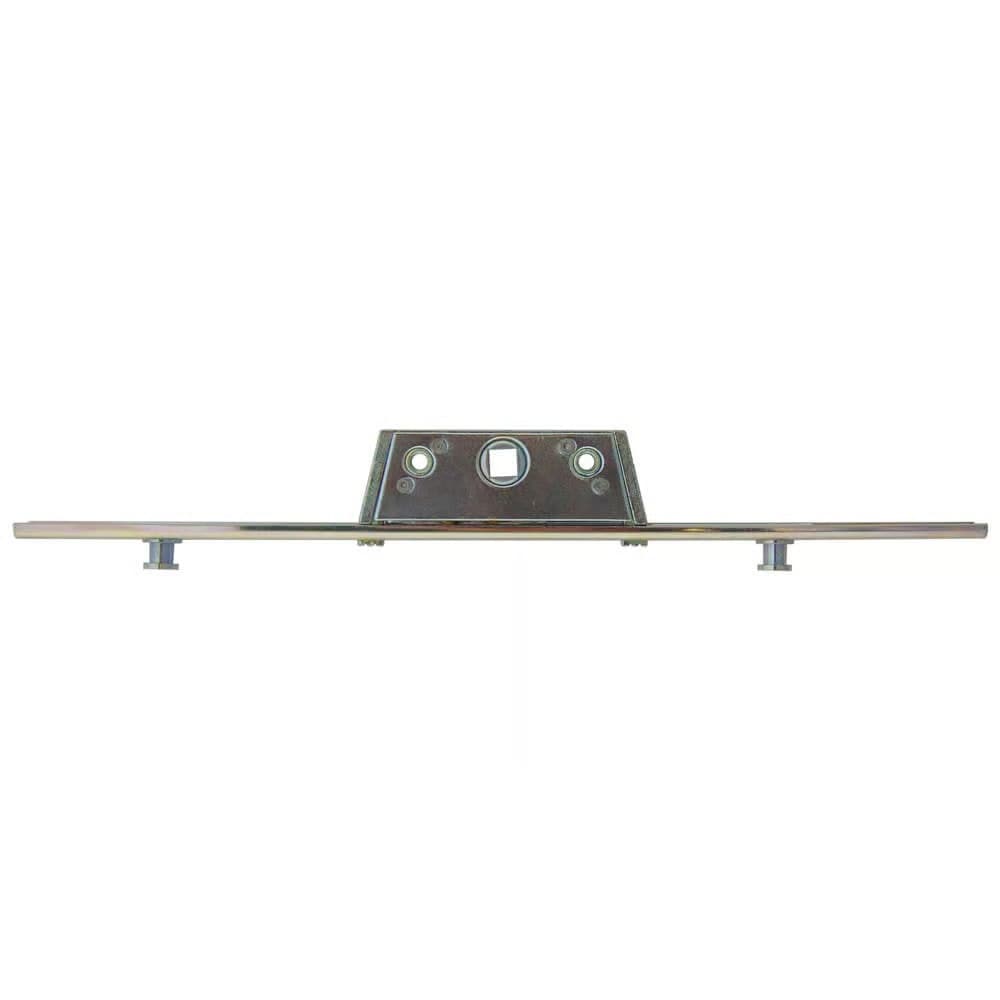
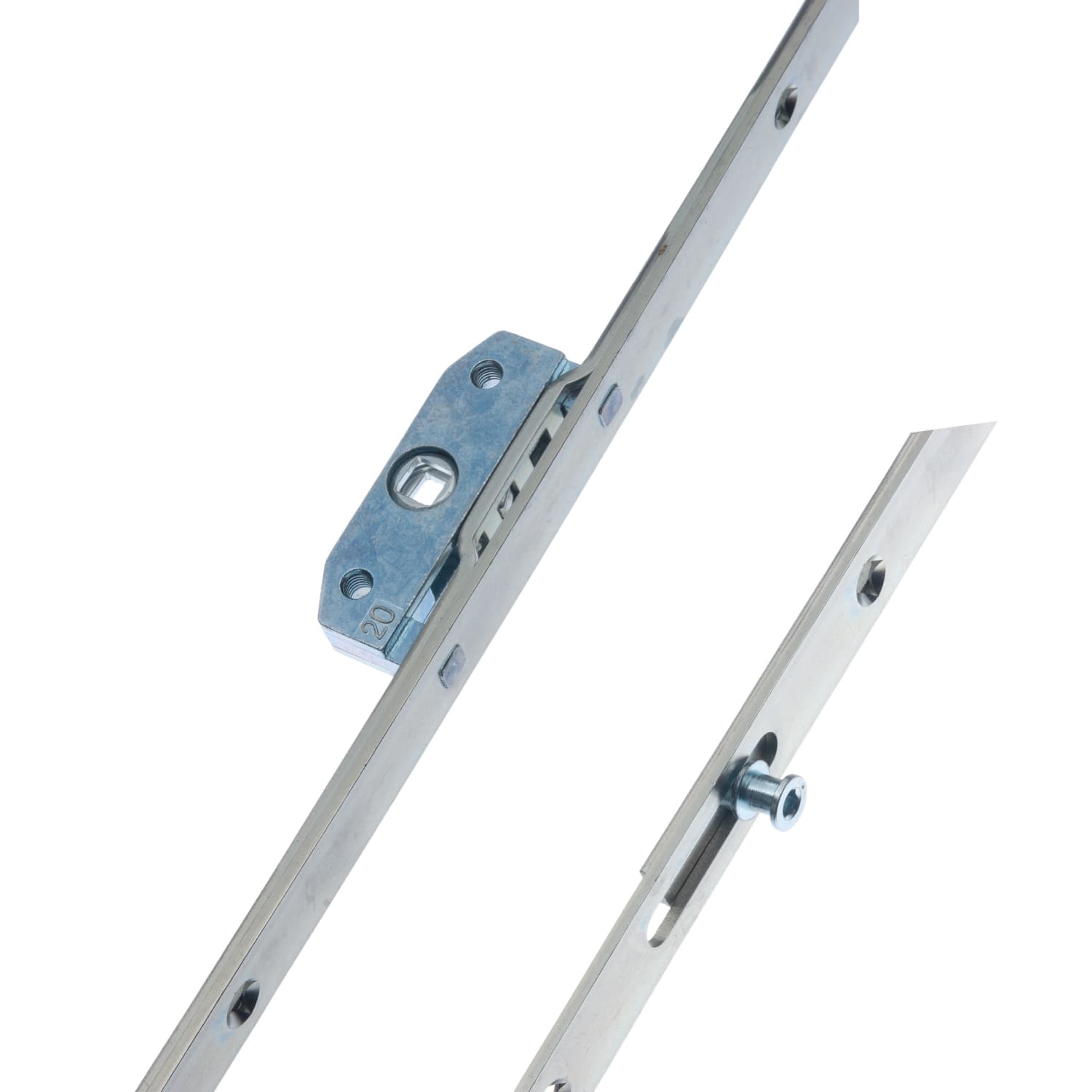
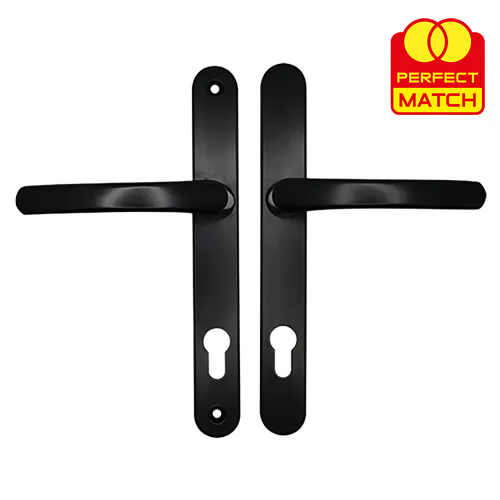
- Espagnolette handles: common on uPVC and aluminium French doors; they operate a multi-point locking system.
- Sliding door handles with hook or deadbolt locks: suitable for single and double sliding doors; some combine latch and deadlock functions.
- Keyed cylinder handles: provide cylinder security; choose anti-snap, anti-drill and anti-pick cylinders to reduce attack risk.
- Thumb-turn handles: useful for quick locking from the inside; pair with a secure cylinder for external access.
When specifying components for a job, match the handle type to the existing lock case or sash gear to avoid compatibility problems on site.
Security features to look for
Focus on mechanical robustness and resistance to common attack methods. Key features include:
- Secure cylinder options: anti-snap cylinders are essential for exterior handles on many properties.
- Reinforced backplates and spindle protection: reduce leverage attacks on the fixing points.
- Multi-point engagement: handles that operate a multi-point mechanism increase the number of locking points along the door.
- Hook or deadlocking cams for sliding doors: hooks lift and grip the keeps, preventing sideways force entry.
- British Standard or Secured by Design approval: useful for specifying to homeowners and insurers.
Preparing for installation: measurements and checks
Accurate measurement and assessment avoid wasted trips and returns. Check the following before ordering a new patio door handle:
- Identify door type: sliding, French, or bi-fold. Each requires different handle geometry and locking mechanisms.
- Measure backset and spindle length: the backset determines where the handle sits relative to the edge; spindle length must match the lock case depth.
- Check faceplate and fixing centres: note screw positions and any non-standard fixings.
- Inspect glass and frame condition: if frames are deteriorated, handle replacement alone may be insufficient.
- Confirm cylinder size and type: measure cylinder projection and determine if a thumb-turn or keyed option is required.
Take photos and bring the old handle to the depot when possible; for trade customers this reduces the risk of ordering the wrong item.
Installation tips for tradespeople and confident DIYers
Follow these practical steps to ensure a secure and lasting fit:
- Use the correct fixings: stainless steel or security screws for external-facing handles to resist corrosion and tampering.
- Align the spindle squarely: a misaligned spindle can cause premature wear of the lock case; use a square to check alignment before tightening fixings.
- Apply thread-lock where appropriate: for high-use doors, a removable thread-lock compound keeps screws secure without permanent bonding.
- Test the lock operation: cycle the handle and lock several times to confirm smooth engagement of keeps and hooks.
- Adjust keeps and striker plates: ensure the keep is positioned to fully receive the locking cam or hook; shimming may be necessary for older frames.
- Seal and protect: where new fixings penetrate the frame, reseal to prevent water ingress and deterioration.
Maintenance and aftercare
A quality patio door handle will perform well if maintained. Recommend to customers the following simple routine:
- Lubricate locking mechanisms annually with a dry graphite or light silicone spray; avoid heavy oils that attract grit.
- Check fixings and tighten periodically; high-traffic doors can work loose over time.
- Inspect the cylinder condition and replace if showing signs of wear or if it no longer meets security standards.
- Keep keys on separate rings and avoid excess weight; heavy key bunches can wear cylinder internals.
For tradespeople providing ongoing maintenance contracts, logging serial numbers and cylinder types helps manage future replacements efficiently.
Recommended Products
Based on this article, you may find these products helpful:
- ERAB Espagnolette Window Lock Universal Lock Replacement
- Avocet Slimline Offset Window Espag
- TSS Door Handle Lever
- TSS Door Handle Lever Short
- Affinity Security Door Handle
Conclusion
Upgrading a patio door handle is a straightforward way to improve security and user experience without major expense. For tradespeople, it is an opportunity to add value and advise customers on the most appropriate lock and handle combinations for their door type. For DIY enthusiasts, careful measurement, choosing components with anti-snap cylinders and multi-point action, and following correct installation steps will yield a resilient upgrade. If in doubt about compatibility or security standards, consult a specialist or your supplier to match the right patio door handle to the job.
Part of our guide:
Complete Guide to Door Handles