
Upgrading Your Windows with Shootbolt Security
Upgrading Your Windows with Shootbolt Security If you are specifying or fitting window hardware for improved security, a shootbolt is a highly effective op...
Upgrading Your Windows with Shootbolt Security
If you are specifying or fitting window hardware for improved security, a shootbolt is a highly effective option for many casement windows and French doors. This post explains what shootbolts are, how they differ from other locking systems, and practical trade and DIY advice for selection, fitting and maintenance. For more on related mechanisms see our pillar page on espagnolette window locks: /guides/espagnolette-window-locks.
What is a shootbolt and where it is used
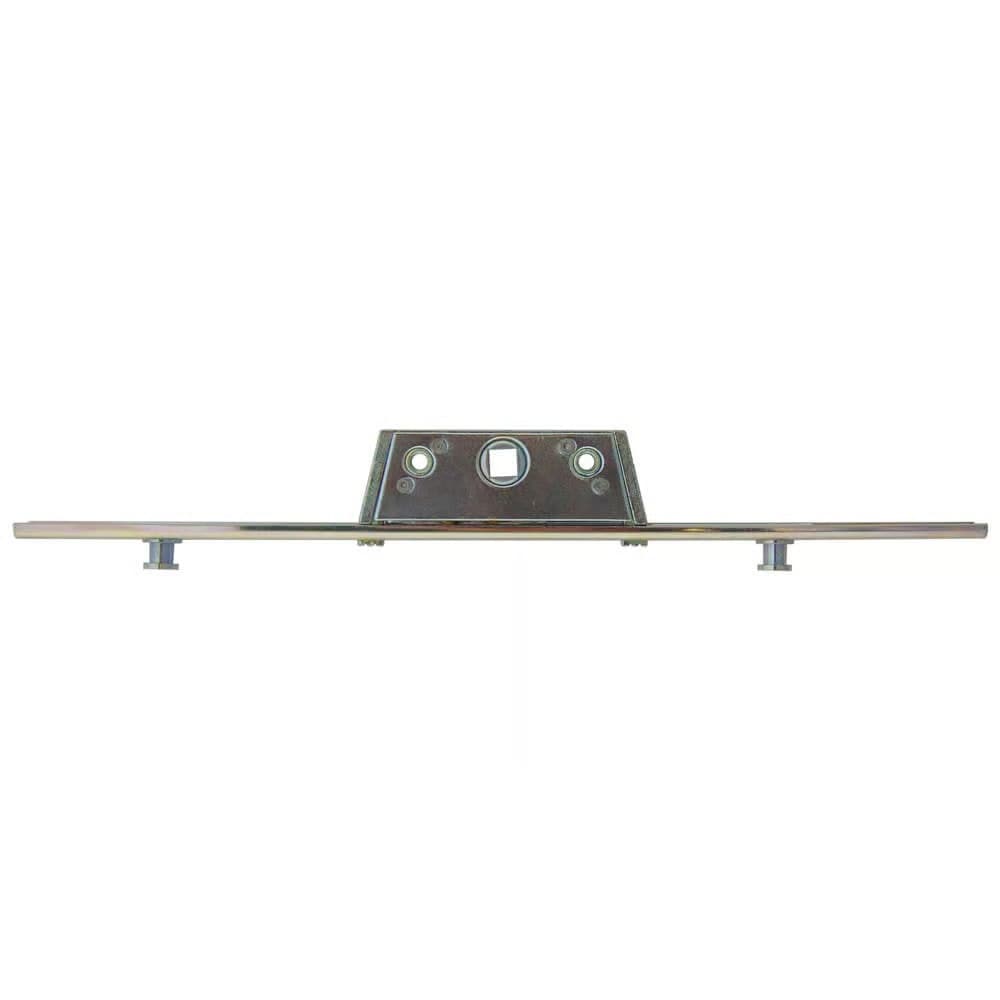
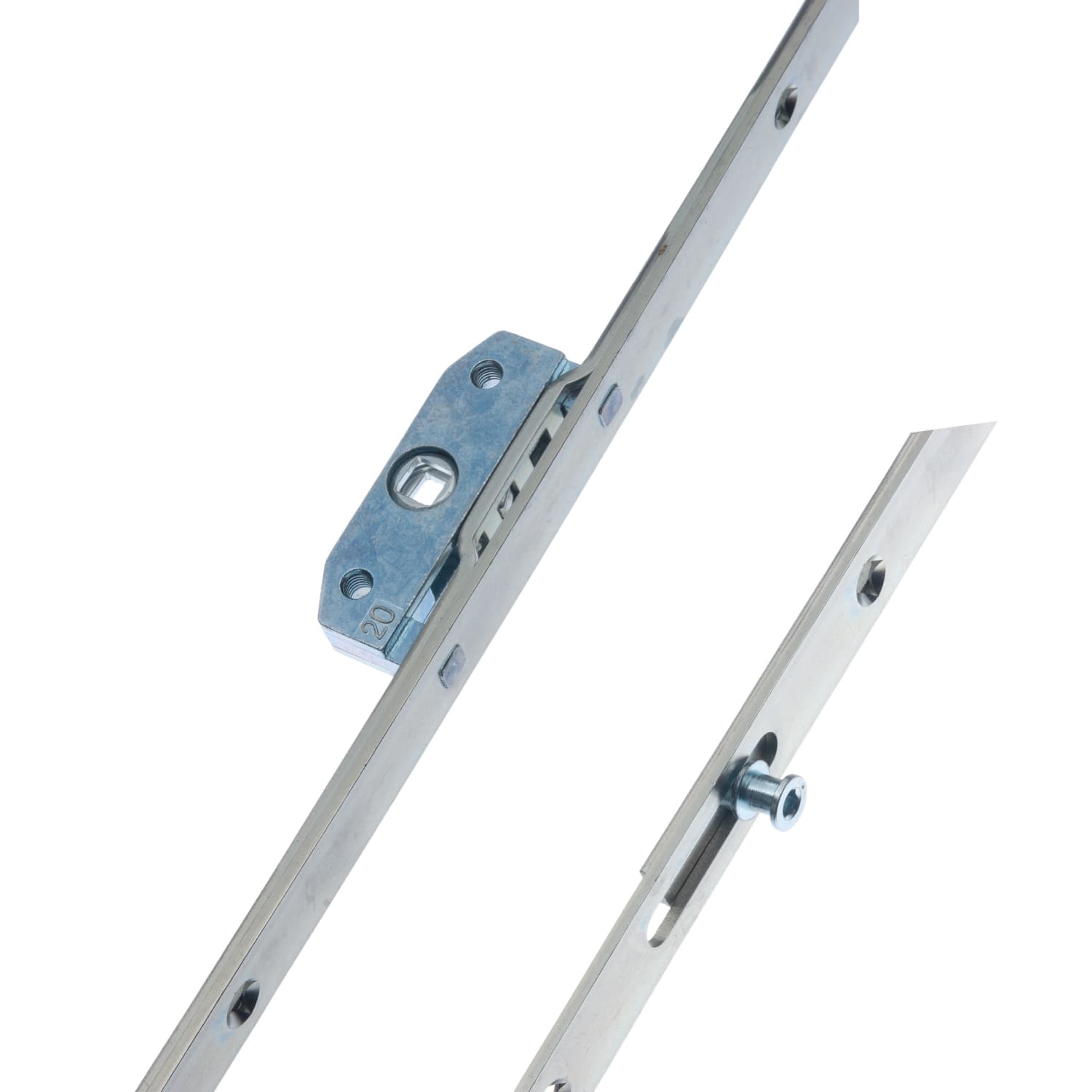
A shootbolt is a locking device that drives steel bolts into keeps or the frame to secure a sash or leaf. Unlike multi-point espagnolette gear that uses a central handle to operate locking points via rods, shootbolts are often fitted to the top and bottom of a sash; they can be either integral to a multipoint system or fitted as separate components. Common applications include aluminium, steel and timber casement windows, and the leaves of inward or outward opening French doors.
Benefits of using shootbolts
- High security: Solid steel bolts provide strong resistance to forced entry and levering.
- Concealed options: Recessed shootbolts sit within the sash and frame for a neat finish and reduced attack points.
- Compatibility: Can be used with a central keyed cylinder or as part of a multipoint locking mechanism.
- Versatile: Suitable for heavy or tall sashes where additional locking points prevent wind rattle and sash sag.
Types of shootbolt systems
- Top and bottom shootbolts: Operated from a centre point; the centre mechanism drives the bolts up and down.
- Single-action shootbolts: Surface-mounted or morticed units operated by a lever or key; good for retrofits.
- Automatic shootbolts: Engage when the sash is closed; useful for passive leaves on French doors where the active leaf locks first then the passive leaf secures automatically.
- Concealed multipoint shootbolts: Incorporated into the gear of the frame; ideal for high-spec security and aesthetic finishes.
Compatibility: what to check before upgrading
Before ordering shootbolts, confirm the following dimensions and details; these save time and avoid on-site modifications:
- Sash thickness and stile width: Ensure there is enough timber or aluminium to mortice the shootbolt case and keep.
- Frame layout: Check head, foot and jamb profiles for keep positions and screw accessibility.
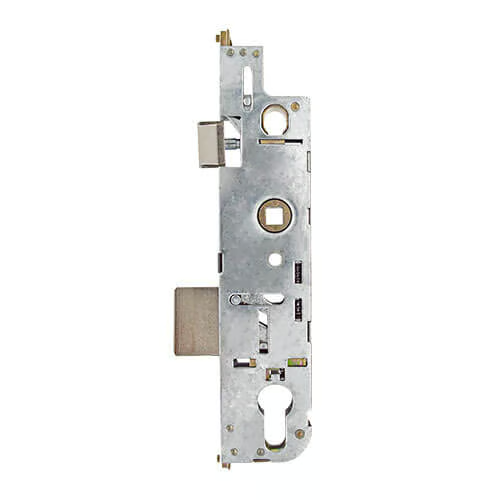
- Backset and case size: Match the shootbolt case to the sash profile so bolts fully engage with keeps.
- Glazing and bead positions: Verify that routing for the shootbolt will not weaken glazing beads or affect gasket compression.
- Compliance: Where security accreditation is required, specify hardware that meets PAS 24 or Secured by Design approvals.
Trade advice: specifying and fitting shootbolts
For trade professionals specifying shootbolts for a project follow these practical steps:
- Choose material and finish to match the window system: stainless steel for coastal areas, zinc plated for general environments, and powder coated where colour match is required.
- Order keeps and striker plates to match the shootbolt bolt diameter and faceplate design; poor matches cause misalignment and premature wear.
- Pre-assemble and trial-fit on a sample sash to set correct mortice depths and keep positions. Use the sample sash to mark bolt travel and ensure full engagement at extremes of tolerance.
- Use setting blocks and jigs when routing mortices: this maintains consistent depth and protects the face of the sash from bite marks.
- Seal any exposed timber after routing: treat with preservative and finish to prevent moisture ingress around the mortice.
DIY guidance: retrofitting shootbolts safely
Homeowners with basic carpentry skills can retrofit shootbolts, but check your confidence and tools before starting. For simpler upgrades consider surface-mounted units if you want to avoid routing.
- Tools needed: drill with wood and metal bits, router or chisel, screwdrivers, tape measure, square and a pencil.
- Marking out: Close the sash and mark where the bolt meets the frame; transfer these marks to the keep positions before any cutting.
- Routing: If morticing, cut shallow test grooves and check bolt engagement. It is better to remove small amounts progressively than to take out too much at once.
- Fixing: Use the recommended screw sizes and avoid over-tightening; countersink where screws sit near soft material to prevent splitting.
- Security considerations: If you fit a keyed shootbolt, ensure the cylinder does not protrude excessively; use anti-snap and anti-drill cylinders if possible.
Installation checks and tuning
After fitting shootbolts, run through these checks to ensure reliable operation and long life:
- Engagement: Operate the lock several times; bolts should enter keeps smoothly with minimal lateral movement.
- Clearances: Maintain a small clearance between bolt and keep to avoid binding; adjust keep position if necessary.
- Handle torque: If integrated with an espagnolette or multipoint gear, set handle torque so the mechanism fully drives both bolts without excessive stiffness.
- Weatherproofing: Re-seal any new gaps around keeps and faceplates with appropriate sealant to prevent water ingress.
- Test for sash distortion: Close the sash under different temperatures to ensure there is no binding at extremes of movement.
Maintenance and troubleshooting
Regular maintenance keeps shootbolts functioning and secure. Recommended schedule and checks:
- Every six months: Lubricate bolts with a light silicone spray or graphite; avoid heavy grease that attracts dust.
- Annually: Check fixings and retighten screws; inspect keeps for wear and replace if the bolt shows lateral movement.
- Troubleshooting: If bolts stick, check alignment and keep position first; if the bolt is bent or damaged replace it and investigate cause of misalignment to prevent recurrence.
Recommended Products
Based on this article, you may find these products helpful:
- ERAB Espagnolette Window Lock Universal Lock Replacement
- Avocet Slimline Offset Window Espag
- Multipoint Gearbox GU Old Style
- In-Line Window Mechanism
- Offset Window Mechanism
Conclusion and next steps
Shootbolts are a robust way to increase window and French door security while controlling sash stability and draught. For trade professionals they provide a reliable, specifiable option that can meet PAS 24 and Secured by Design requirements when combined with appropriate cylinders and keeps. For competent DIYers, surface-mounted or simple morticed shootbolts are achievable with standard tools; more complex integrated multipoint systems are best left to experienced fitters.
Next steps: measure your sash and frame, note the backset and sash thickness, then consult product datasheets to pick the correct shootbolt and keep combination. If you need help with specification or fitting, contact Window Hardware Store or view our detailed espagnolette resource at /guides/espagnolette-window-locks.

Related articles
Window Gearbox Maintenance: Keeping Your Locks Working Smoothly
Window Gearbox Maintenance: Keeping Your Locks Working Smoothly A well maintained window gearbox keeps casement and tilt-and-turn windows operating smoothl...
Troubleshooting Shootbolt Problems: A Window Fitter's Guide
Troubleshooting Shootbolt Problems: A Window Fitter's Guide Shootbolts are a small but vital component in many modern window and patio door locking systems...
What Is a Shootbolt Lock? Complete Guide to Window Security
What Is a Shootbolt Lock? Complete Guide to Window Security What is a shootbolt? A shootbolt is a mechanical locking element commonly used in windows and d...