What Is a Door Handle Backplate and Do You Need One?
When choosing hardware for a new door, one of the first decisions is whether to specify a plain rose, a backplate, or a lever set that integrates both. For tradespeople and confident DIYers, understan...
When choosing hardware for a new door, one of the first decisions is whether to specify a plain rose, a backplate, or a lever set that integrates both. For tradespeople and confident DIYers, understanding what a door handle backplate is and when to use one saves time, improves finish quality and reduces call-backs. This guide explains the function, types, fitting considerations and common problems to help you decide if a backplate is the right choice for your project.
What is a door handle backplate?
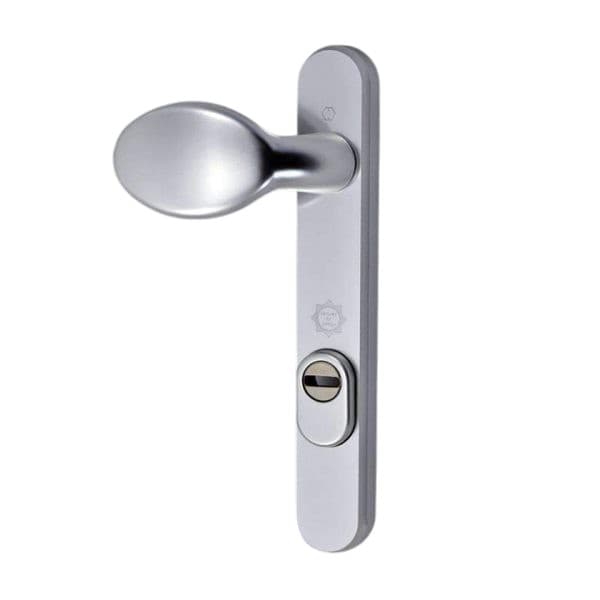
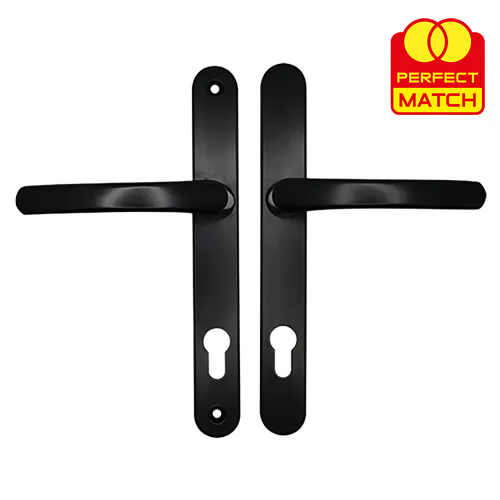
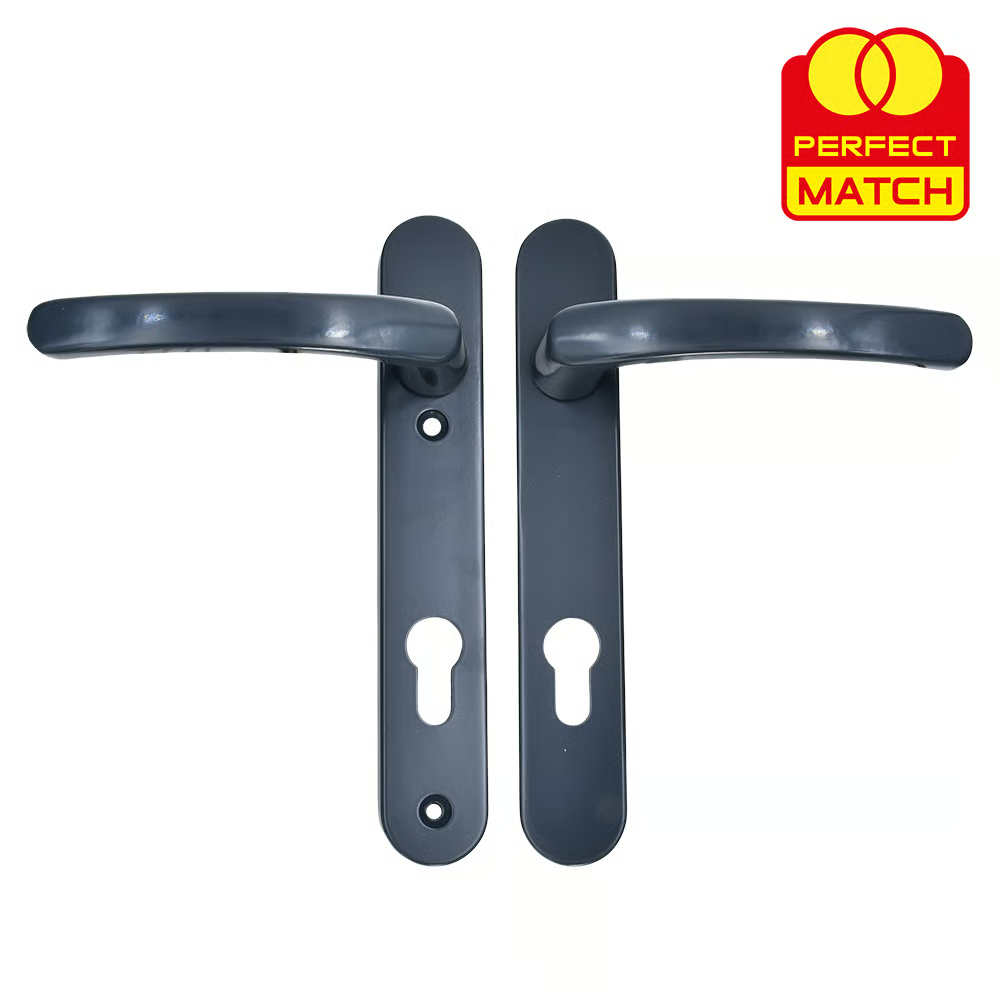
A door handle backplate is the flat plate that sits between the handle and the door surface. It usually includes holes for the handle spindle and for fixing screws, and may incorporate a keyhole or thumbturn cut-out. Backplates are available in a wide range of sizes, shapes, materials and finishes; they can be purely decorative or designed to offer additional protection around the handle area.
In contrast a rose is a small, often circular cover that conceals the mechanism where the handle meets the door. Many modern ironmongery ranges offer both options; choosing between them influences both appearance and functionality.
Why choose a backplate: practical benefits
- Protection: backplates protect the door surface from wear and tear caused by repeated use of the door handle, and from marks left by keys around the lock area.
- Concealment: they hide unsightly or non-matching fixings, previous holes or uneven door finishes, which is useful in refurbishment work.
- Strength and support: larger backplates distribute operational forces over a wider area, reducing the risk of the handle loosening on softer or hollow doors.
- Security options: many backplates are supplied with reinforced sections for euro-cylinder escutcheons or bolt-through fixings, offering improved resistance to forced entry.
- Aesthetic cohesion: they allow a more traditional or substantial look that suits certain period doors or commercial entrances.
Types of backplates and where they are used
Backplates vary by profile, function and finish. Common types include:
- Escutcheon backplates: include a cut-out for a key or cylinder and are common on entrance doors where locking is required.
- Latch-only backplates: plain plates with a spindle hole for internal doors or cupboards without a lock.
- Thumbturn backplates: designed to combine a handle with a thumbturn on the same plate for bathroom doors or WC doors.
- Long backplates: run vertically to cover multiple fixings or damage and are often used where robustness and visual impact matter.
- Designer backplates: decorative profiles or bespoke shapes for heritage or high-end projects.
Materials, finishes and corrosion considerations
Common materials include brass, stainless steel, aluminium and zinc alloys. For trade applications specify:
- Stainless steel or marine-grade finishes for coastal or high-moisture environments; they resist corrosion and staining.
- Solid brass or bronze for longevity and the ability to re-polish on refurbishment jobs.
- Powder-coated or PVD finishes for consistent appearance and scratch resistance on commercial doors.
When specifying for social housing or commercial projects, check the finish warranty and whether the backplate has undergone salt-spray testing. This reduces maintenance visits and ensures compliance with project specifications.
Installation considerations for tradespeople
Fitting a backplate is straightforward but there are a few trade tips to ensure a secure, neat result:
- Check door thickness and type: ensure the backplate and spindle length suit solid, timber or composite doors; adjust spindle length where necessary.
- Mark and centre accurately: measure the handle height from finished floor and transfer across both faces before cutting or fixing; small errors are more obvious with larger backplates.
- Use the correct fixings: bolt-through screws offer better resistance on hollow doors; use countersunk screws where recommended and avoid overtightening which can warp thin backplates.
- Consider reinforcing: on softwood or thin doors, fit a backing plate inside the door or use longer coach bolts to spread load; this reduces loosening over time.
- Seal cut-outs: for external doors, apply a minimal bead of weatherproof sealant around keyholes or cylinder interfaces to prevent water ingress without jamming the mechanism.
Common problems and how to avoid them
- Misaligned handles: ensure the spindle is cut square and square to the handle; use a square to check alignment before final tightening.
- Loose fixings: pre-drill pilot holes in hardwood to avoid splitting and use threadlocker if vibration is an issue in busy commercial settings.
- Corrosion and finish wear: specify appropriate materials and finishes for the environment; advise clients on routine cleaning to prolong life.
- Incompatibility with locks: always confirm cylinder projection and pad spacing match the backplate profile to prevent binding.
Do you need a backplate for your project?
Deciding whether to fit a backplate depends on function, appearance and budget. Use a backplate when:
- You need to cover up previous damage or holes;
- Enhanced protection and strength are required for high-traffic doors;
- Architectural appearance calls for a traditional or substantial aesthetic;
- Extra security measures are being specified, such as reinforced escutcheons.
Choose a rose instead when a minimal, contemporary finish is desired or where cost and quick replacement are priorities. For mixed projects you can standardise on a single range that offers both roses and backplates in matching finishes to simplify ordering and installation.
For further practical guidance on choosing the right hardware, see our detailed guides on door handles and associated ironmongery. Whether you are fitting a single backplate in a domestic refurbishment or specifying a consistent look across a multi-door project, selecting the correct door handle and backplate will improve performance, appearance and client satisfaction.
Conclusion: a door handle backplate is a small component with practical impact. For tradespeople and DIYers it offers protection, strength and a purposeful aesthetic. Specify the right type, material and fixings for the door environment and you will reduce maintenance, improve security and deliver a professional finish.
Recommended Products
Based on this article, you may find these products helpful:
Part of our guide:
Complete Guide to Door Handles