What Is a Lever Door Handle? A Complete Guide
Introduction: whether you are fitting doors on a new build, replacing worn hardware in a rental property, or advising a homeowner, understanding what a lever door handle is and how it performs is esse...
Introduction: whether you are fitting doors on a new build, replacing worn hardware in a rental property, or advising a homeowner, understanding what a lever door handle is and how it performs is essential. This guide explains the types, operation, standards, and installation considerations for a lever door handle. It is trade-focused but accessible to DIY enthusiasts who want clear, practical information.
What is a lever door handle?
A lever door handle is a mechanical fitting used to operate a latch or a lock by depressing a lever. Unlike knob handles, a lever door handle provides a larger surface and easier operation for users with limited dexterity; it is commonly specified for commercial, residential, and accessible buildings. The term covers a wide range of designs: straight levers, curved levers, return-to-door levers, and lever/rose combinations where the lever is mounted on a circular or square rose.
Key components and how they work
Understanding the anatomy helps when specifying or installing a lever door handle:
- Lever: the handle you push down or lift to operate the latch.
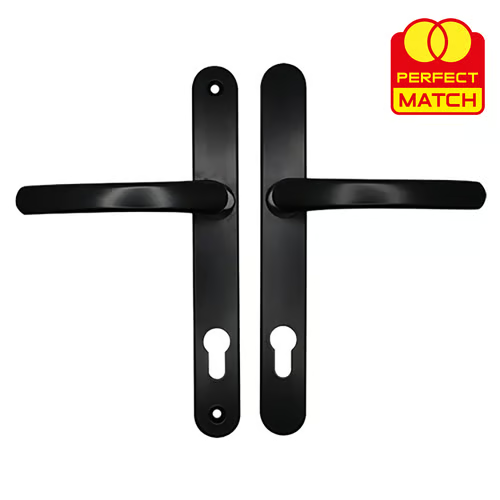
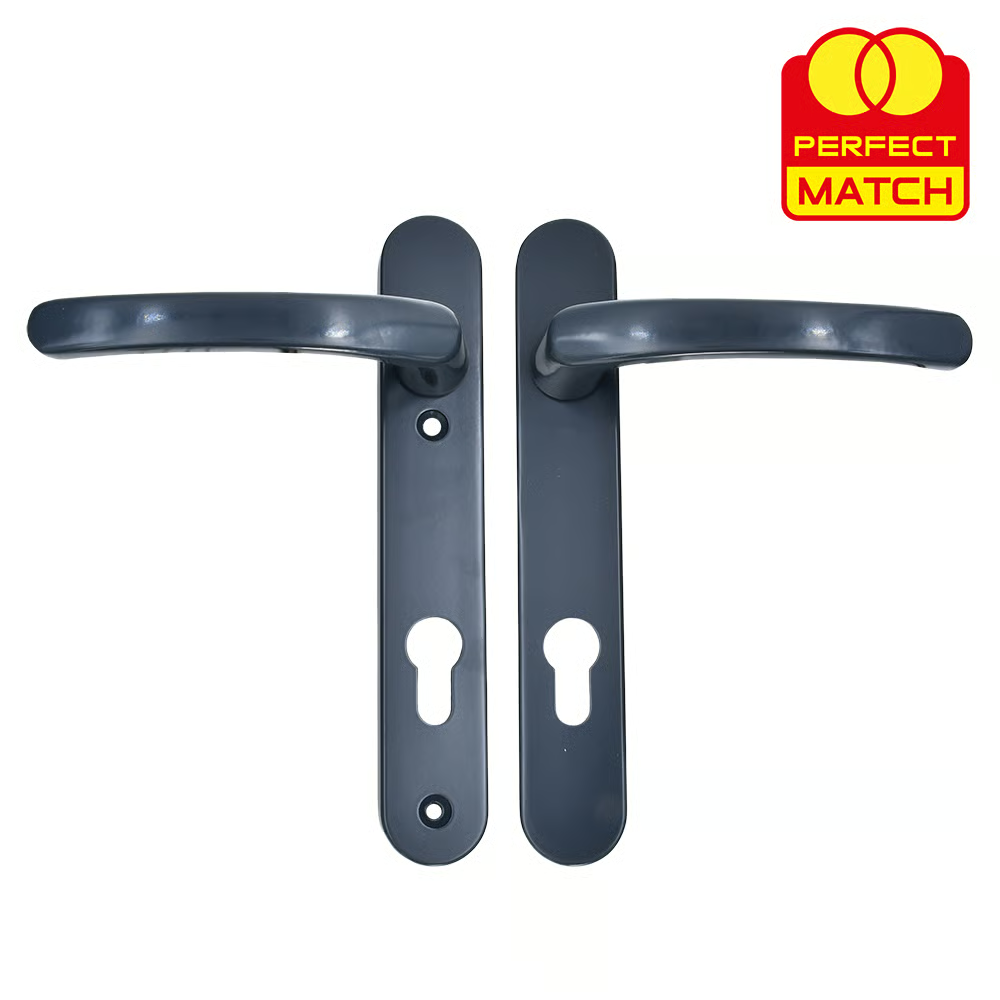
- Rose or backplate: the component that sits flush to the door surface and conceals the fixings; roses are circular, backplates are rectangular.
- Spindle: a square or flat bar that connects the pair of levers through the door; it transfers motion to the latch.
- Latching mechanism: the latch or lock case installed in the door edge; the lever retracts the latch when operated.
- Fixings: screws, through-bolts or machine screws used to secure the handle; choice depends on door thickness and security requirements.
Types of lever door handle and common applications
Selecting the correct lever door handle depends on function, aesthetic and compliance requirements. Typical types include:
- Passage lever door handle: for internal doors without a lock; used on corridors and cupboards.
- Privacy lever door handle: with a thumb-turn and release; suitable for bathrooms and bedrooms.
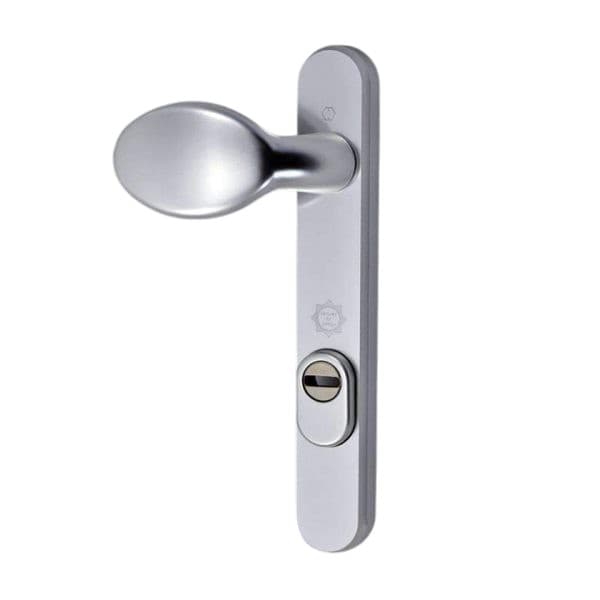
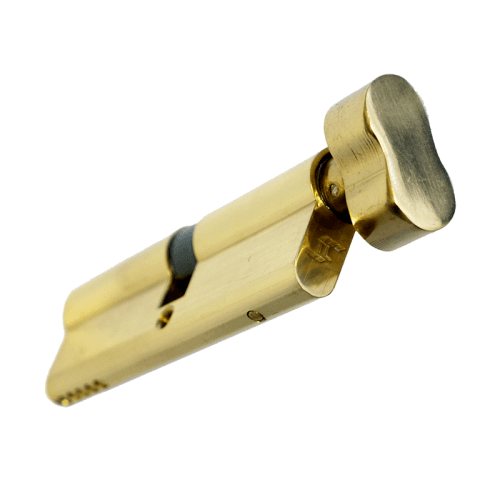
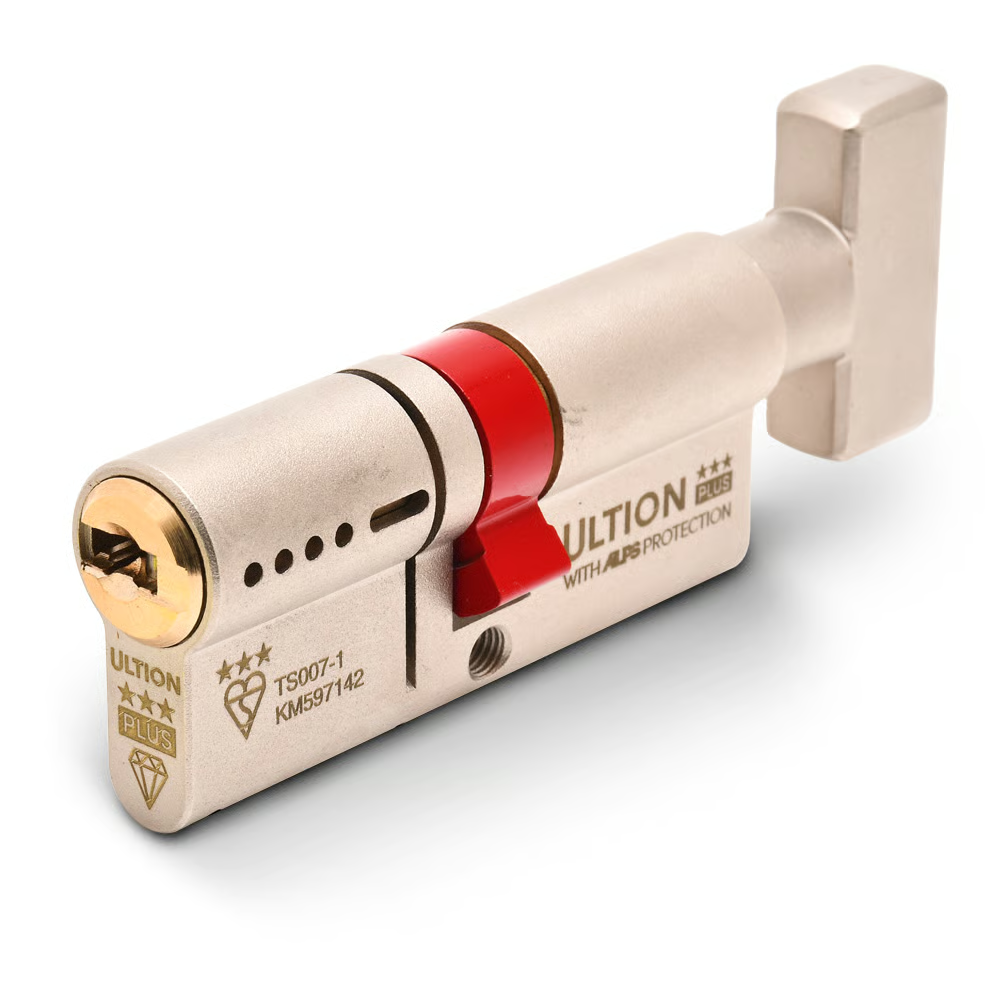
- Keyed lever door handle: keyed cylinder or euro profile lock for external doors or rooms requiring security.
- Lever on rose and lever on backplate: choice depends on door style and whether a key or thumb-turn needs to be accommodated.
- Fire-rated and escape lever handles: designed to meet fire door regulations and to allow quick egress in emergencies.
Standards, accessibility and security considerations
Tradespeople must ensure that any lever door handle specified meets the relevant British and European standards and accessibility guidance:
- BS EN 1906: mechanical performance of building hardware; check usage category and durability rating for the application.
- Fire door compliance: lever door handle sets fitted to fire doors must be compatible with the door’s fire rating and have appropriate certification; consult test evidence.
- Accessibility: lever handles are preferred under Building Regulations for accessibility because they require less grip strength and are easier for wheelchair users; check Approved Document M for public buildings.
- Security: for external doors choose lever door handle sets compatible with high-security euro cylinders, anti-snap options, and reinforced backplates or handles with torque resistance.
Practical installation tips for trades and DIYers
Installing a lever door handle is straightforward if you follow best practice. Steps and tips include:
- Check door preparation: measure door thickness, backset and spindle size; most handles suit 35–45 mm doors, but options exist for thicker doors.
- Mark and mortice: ensure the latch case aligns with the spindle height; use templates where supplied to mark holes accurately.
- Use the correct fixings: through-bolts give greater security than short screws; use anti-rotational fixings where required for heavy use doors.
- Test operation: check lever travel and latch retraction; adjust striker plate so the latch engages smoothly without binding.
- Seal and protect: if fitting exterior lever door handles, apply appropriate sealing to the cut edges and consider corrosion-resistant finishes.
- Follow manufacturer guidance: torque settings for machine screws, keying instructions for cylinder locks and maintenance schedules are often provided.
Maintenance, troubleshooting and lifespan
Proper maintenance extends the life of a lever door handle and prevents failures on site:
- Regular lubrication: use a light machine oil or graphite in the lock; avoid heavy greases that attract dust.
- Periodic tightening: check screws and fixings every six months on commercial doors; replace worn spindles or bushes to stop wobble.
- Common faults: loose handles usually mean worn fixings or spindle; sticky action often indicates misaligned striker plate or dirty latch.
- Replacement: where aesthetics or functionality have changed, lever door handle sets are generally easy to swap without replacing the latch.
Choosing the right finish and style
Finish and design matter for both aesthetics and durability. Popular finishes include satin chrome, polished brass, aged bronze and stainless steel. For high-traffic or external doors choose corrosion-resistant finishes and solid construction. When specifying, consider:
- Matching the handle finish with hinges, locks and other ironmongery for a coordinated look.
- Using lever shapes that suit the décor: straight for contemporary, scroll or curved for period properties.
- Durability ratings: check the finish’s salt-spray or abrasion resistance if installed near the coast or on communal doors.
Conclusion: a lever door handle is a versatile, accessible and widely used fitting in both trade and domestic environments. Knowing the types, standards, installation best practice and maintenance needs will help tradespeople specify and fit the right lever door handle quickly and reliably. For any specific projects consult product datasheets and test evidence, and if needed contact the supplier to confirm compatibility with fire doors and security cylinders.
Recommended Products
Based on this article, you may find these products helpful:
Part of our guide:
Complete Guide to Door Handles