What Is a PAS24 Door Handle? Security Standards Explained
Understanding what makes a secure external door involves more than choosing a sturdy frame or a good lock: the right hardware matters. This guide explains what a PAS24 door handle is, why it matters f...
Understanding what makes a secure external door involves more than choosing a sturdy frame or a good lock: the right hardware matters. This guide explains what a PAS24 door handle is, why it matters for compliance and security, and how tradespeople and capable DIYers can choose and install PAS24 door handles to improve resistance against forced entry.
What is a PAS24 door handle: standard and purpose
PAS24 is a British standard that sets minimum security requirements for doors and windows; when we say "PAS24 door handle" we mean a handle that forms part of a door assembly tested to PAS24 criteria. A PAS24 door handle is designed to resist common attack methods such as leverage, snapping, and forced rotation. It is not a standalone certification for every handle; instead, the handle is one component in a PAS24-compliant door set.
How PAS24 testing affects the door handle
PAS24 testing examines the whole door unit under realistic attack scenarios. For a PAS24 door handle this means:
- Resistance to leverage: the handle and its fixings must not allow the door to be levered open.
- Durability under repeated operation: the handle should continue to operate after many cycles and attacks.
- Compatibility with secure locks and cylinders: the handle must work with multipoint locks and anti-snap cylinders where required.
- Robust fixing methods: screws, spindle connections and backplates need to prevent removal or collapse under force.
Types of PAS24 door handles and common features
Tradespeople will encounter several handle formats that can be part of a PAS24-compliant door:
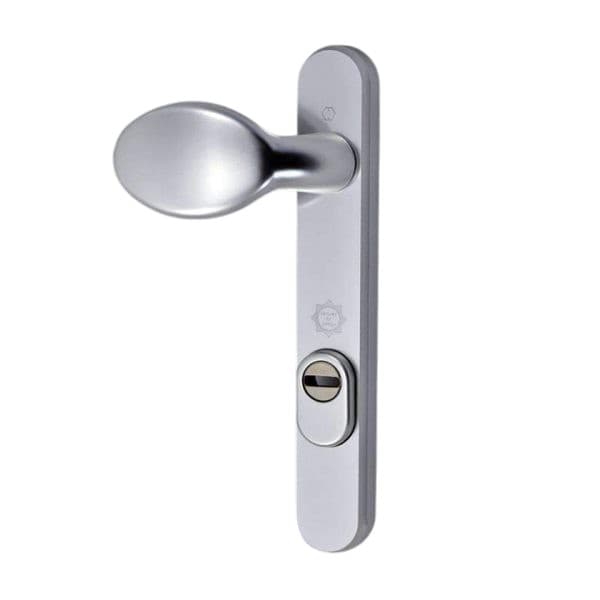
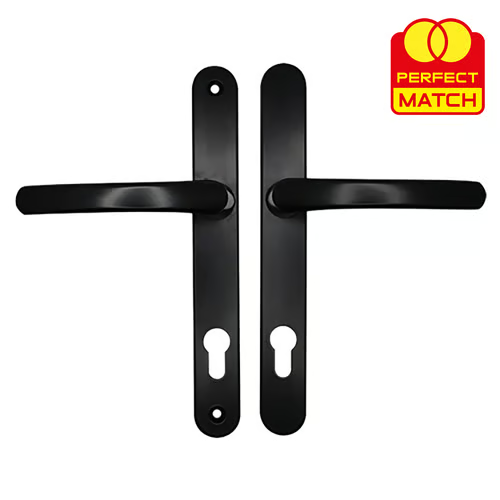
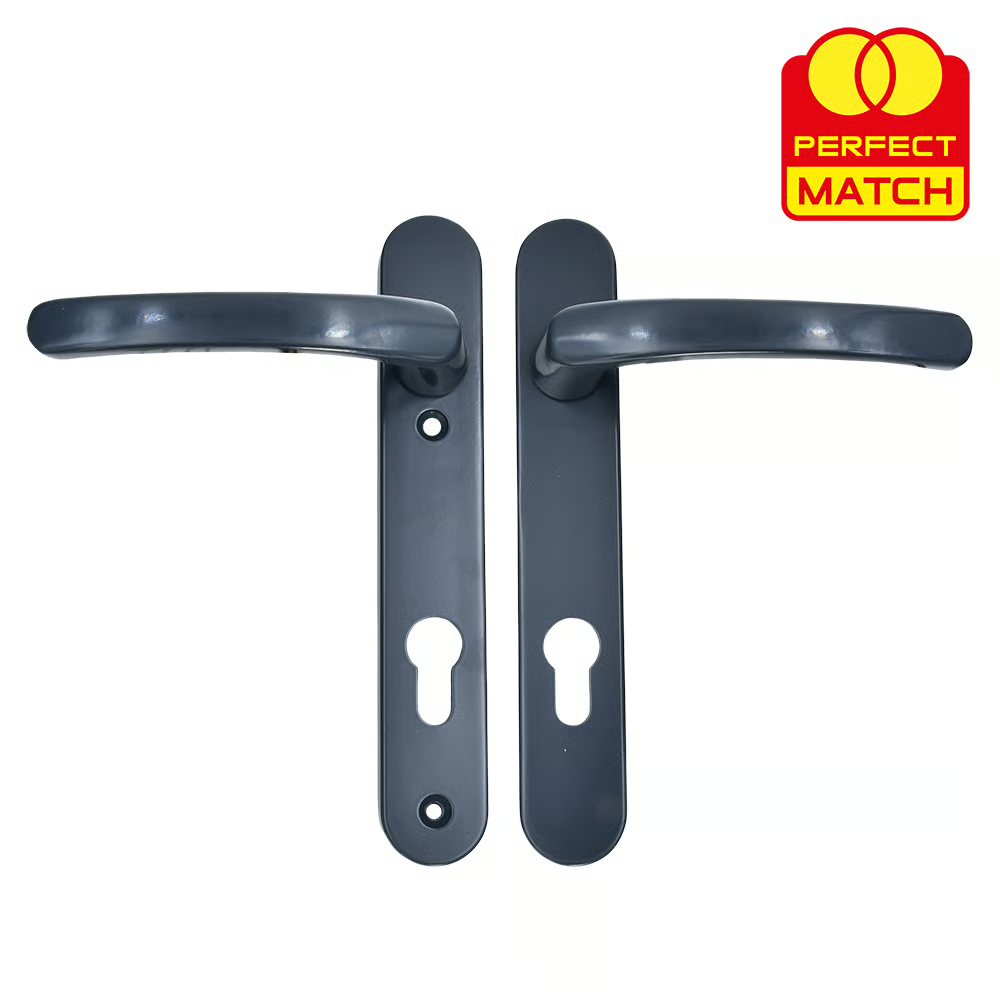
- Lever on backplate: common in residential doors; backplate offers additional protection for cylinder and fixing points.
- Lever on rose: allows compact appearance; roses must be robustly fixed to meet security requirements.
- T-handles and pull handles: used on composite or timber doors where access control relies on a separate mortice or multipoint lock.
- Hoppe-style or return-to-door handles: often used with multi-point locks; the spindle and grub screw arrangements are critical for PAS24 performance.
Common features to look for when specifying a PAS24 door handle include reinforced backplates, anti-tamper fixings, through-bolts for strong screw retention, and spindles sized and fixed to resist extraction.
Choosing the right PAS24 door handle: what tradespeople should check
When selecting a PAS24 door handle for a project, check these practical points:
- Compliance evidence: ask for test reports or declaration from the manufacturer showing the handle was part of a PAS24-tested door set.
- Fixing method: prefer handles with through-bolts or anti-rotation fixings rather than short surface screws.
- Compatibility with locks: ensure the handle matches the multipoint lock’s spindle length, centre distance and operation direction.
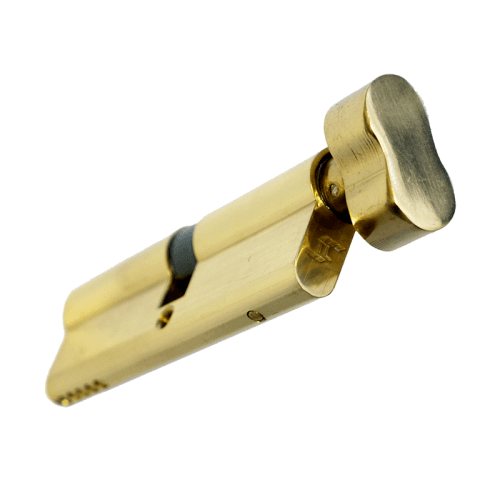
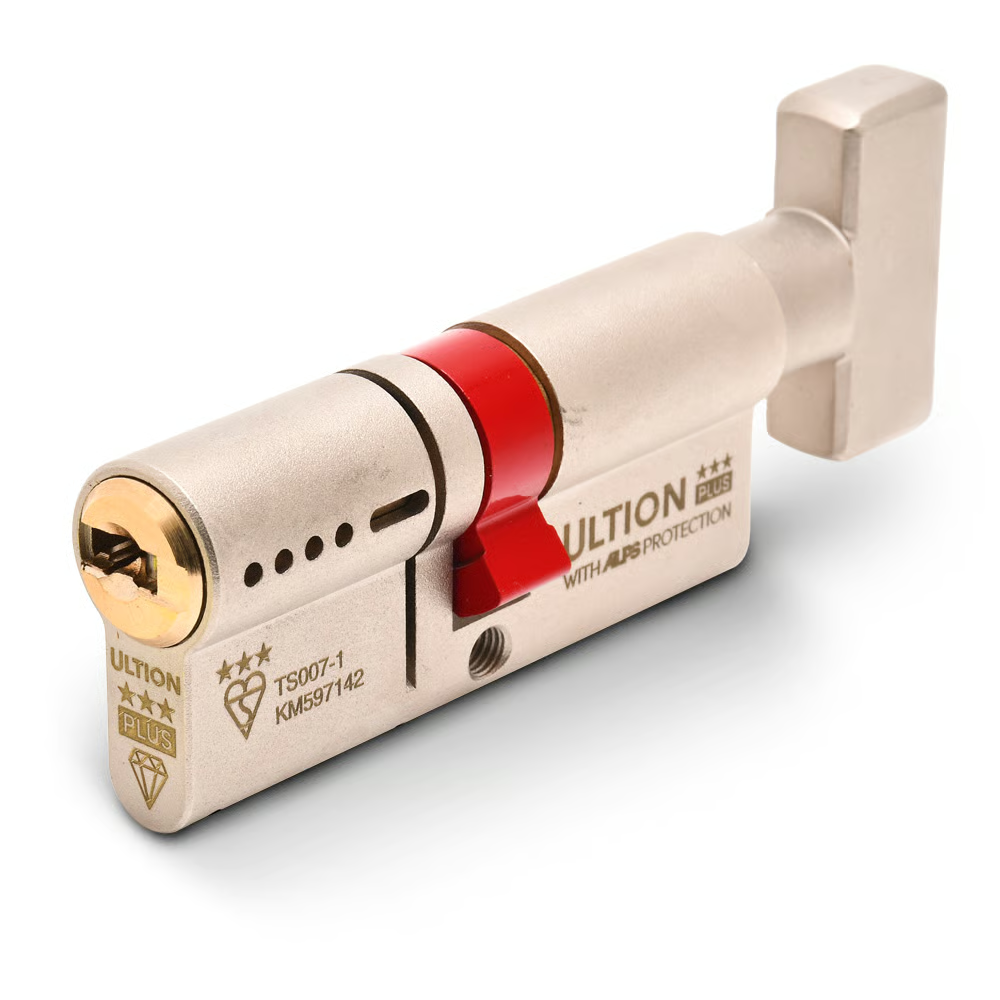
- Cylinder protection: if the door has a euro cylinder, use handles with integrated or matching cylinder protection to reduce snap risk.
- Material and finish: durable materials such as stainless steel or hardened alloys perform better in exposed locations.
Remember: a product labelled "PAS24 door handle" should be backed up by evidence that the handle has been used in a PAS24-tested assembly; a handle on its own cannot claim full PAS24 compliance unless the whole door has been tested.
Installation tips for PAS24 door handles: trade best practice
Correct installation is vital to maintain the PAS24 performance of a door. Key tips for installers:
- Follow manufacturer instructions closely: deviation can compromise tested performance.
- Use recommended fixings: replace short screws with supplied through-bolts where required; do not substitute inferior fasteners.
- Check spindle engagement: fully engage the spindle in the lock to prevent wobble and eventual failure.
- Seal and weatherproof around fixings: moisture ingress can corrode fixings and weaken security over time.
- Test operation after fitting: operate the multipoint lock through full cycles to ensure smooth operation and correct alignment.
Common misconceptions: what a PAS24 door handle does and does not do
There are several misunderstandings among homeowners and some buyers:
- A PAS24 door handle is not a standalone lock: it contributes to overall security; the lock, cylinder and door construction are equally important.
- Not every handle branded as PAS24 is automatically compliant: the whole door must be tested. Always request evidence of a PAS24-tested door set.
- PAS24 increases resistance but does not make a door impenetrable: it raises the time and effort required by an attacker, which is the practical objective.
For tradespeople advising customers, explain that investing in a PAS24 door handle as part of a PAS24-tested door is a cost-effective way to improve insurance acceptance and reduce burglary risk.
Conclusion:
Specifying and installing a PAS24 door handle correctly can make a substantial difference to a door’s resistance to forced entry. Tradespeople should always verify that handles are part of PAS24-tested door assemblies, follow manufacturer guidance, and use robust fixings and compatible locks. For homeowners, choosing a PAS24-tested door set with quality handles offers clear, measurable improvements in security and peace of mind.
Recommended Products
Based on this article, you may find these products helpful:
Part of our guide:
Complete Guide to Door Handles