What Is a Patio Door Handle? Types and Styles Explained
Introduction: A patio door handle is a small part with a big role. Whether fitting new aluminium sliding doors on a new-build project or replacing worn handles on an existing timber French door, under...
Introduction: A patio door handle is a small part with a big role. Whether fitting new aluminium sliding doors on a new-build project or replacing worn handles on an existing timber French door, understanding what a patio door handle does, how it fits, and which style to choose saves time on site and reduces call-backs. This guide explains the common types of patio door handle, practical considerations for tradespeople, and tips for homeowners who want to make an informed choice.
What is a patio door handle and how it works
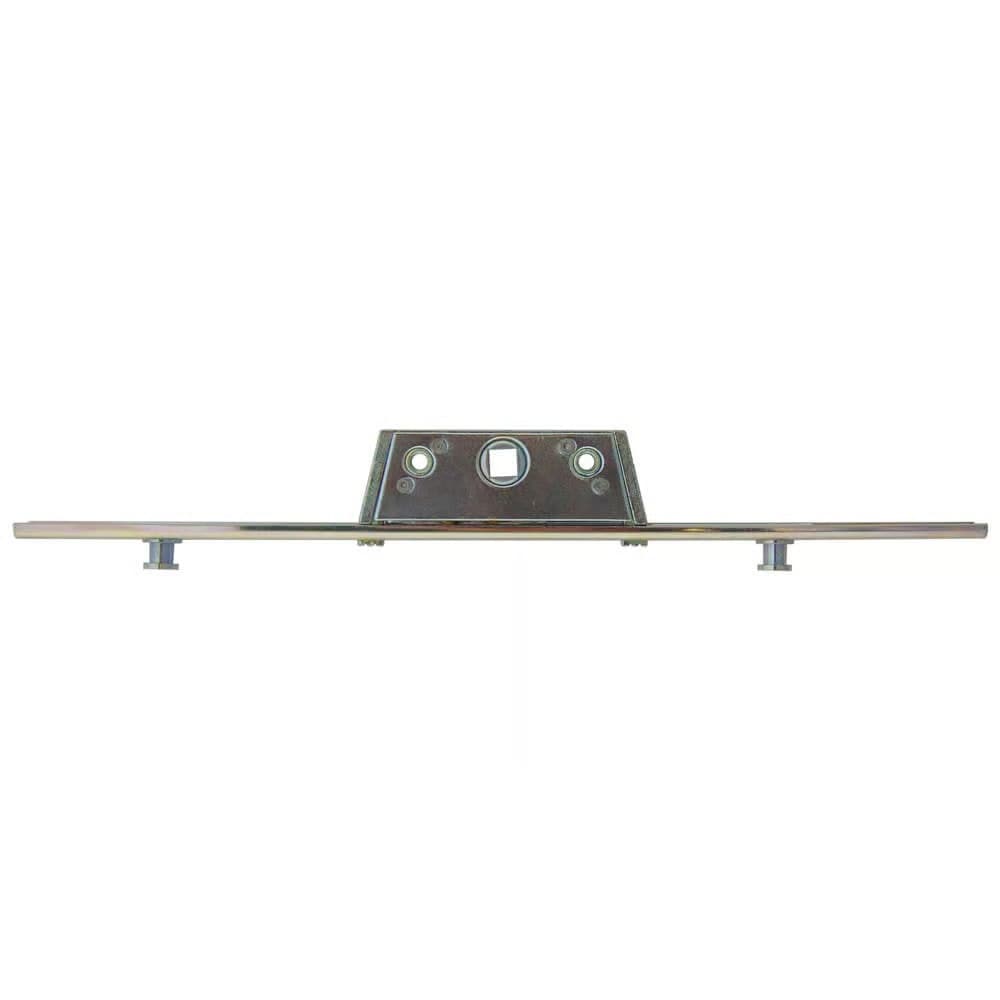
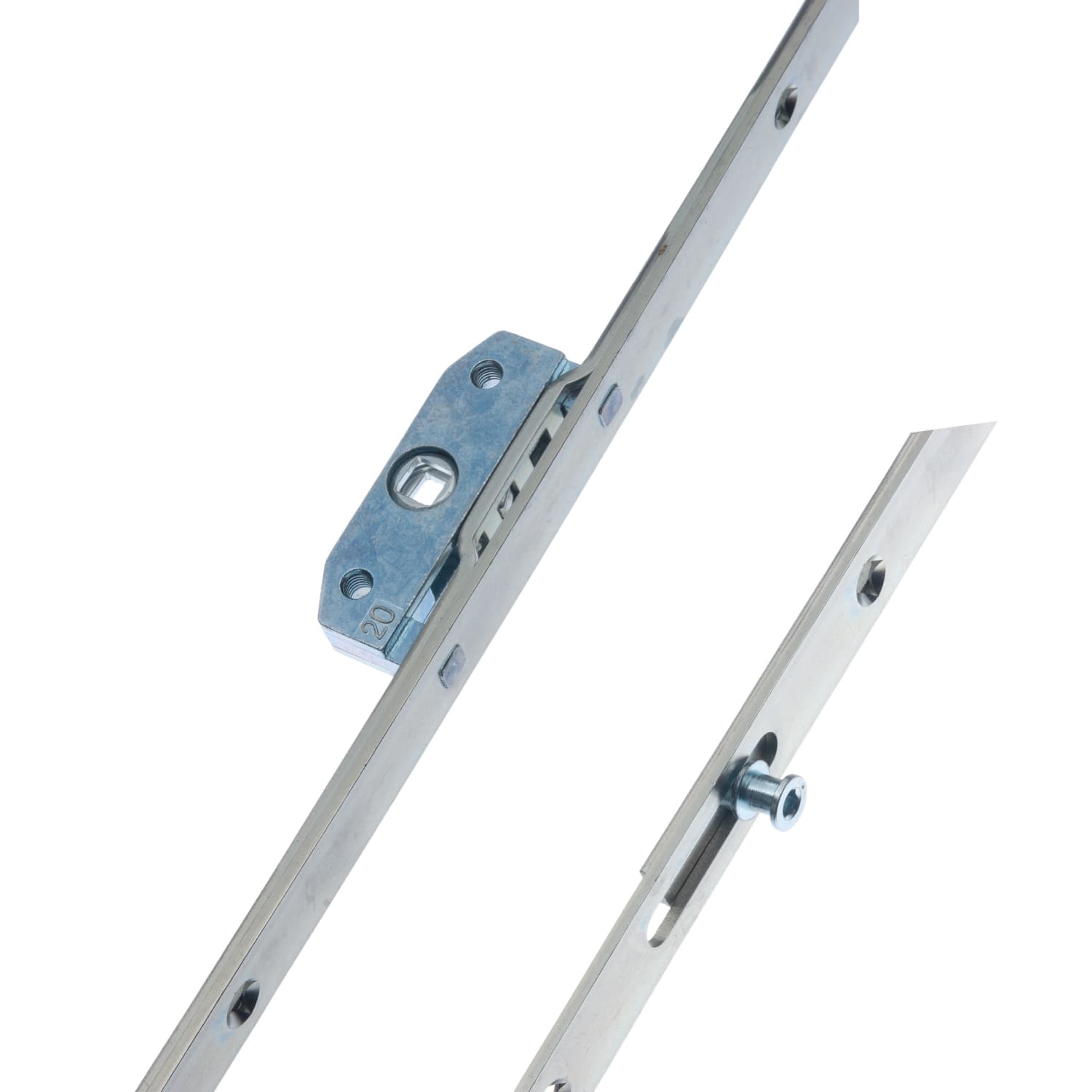
A patio door handle is the component used to operate and secure a patio or exterior access door. It may be part of a multipoint locking system, a simple latch for sliding doors, or a bolt for folding doors. The patio door handle transfers manual input into mechanical movement: lifting, sliding, turning, or retracting locking points. For tradespeople, recognising the operation type is the first step in selecting a compatible replacement or upgrade.
Common types of patio door handle
Different door profiles and locking systems require specific handle types. The main categories are:
- Espagnolette handles: Operate multipoint locking rods by turning the handle; common on French and patio doors.
- Inline pull handles: Typically used on sliding patio doors; they recess into the door face for a flush finish.
- Hookbolt handles: Feature a hook-shaped bolt for enhanced security on uPVC and composite doors.
- Turn and release knobs: Simple mechanism for internal operation and emergency egress, commonly paired with locking handles.
- Drop bolts and flush bolts: Used on the inactive leaf of a patio or French door to secure the leaf at head or threshold.
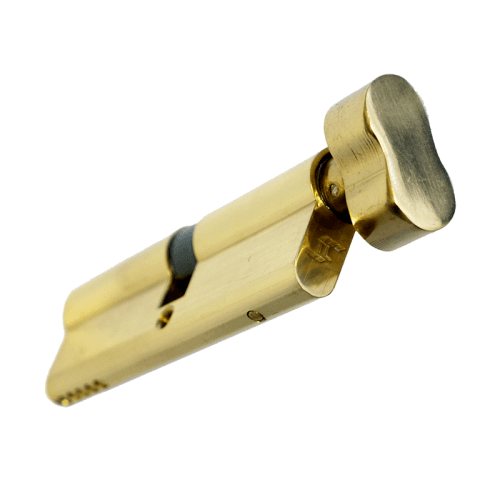
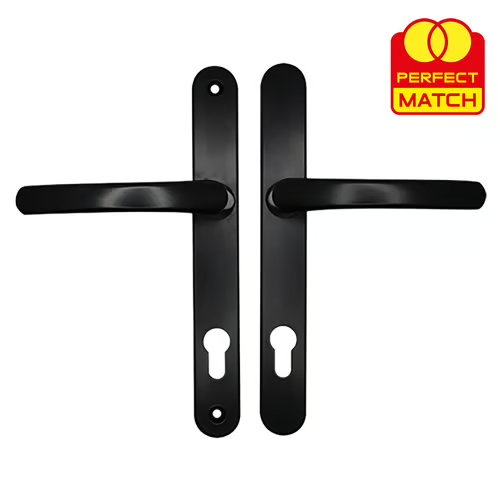
- Lever handles with escutcheon: Often used where a lock cylinder is required; compatible with euro cylinder or oval cylinder locks.
Materials, finishes and durability
Material choice affects corrosion resistance, wear and the aesthetic match to other ironmongery. Common materials include:
- Aluminium: Lightweight and corrosion-resistant; often anodised or powder-coated to match frames.
- Stainless steel: Durable and ideal for coastal properties where salt air accelerates corrosion.
- Zinc alloy: Economical; used for many standard handles but can show wear faster in high-use locations.
- Brass: Traditional aesthetic; often lacquered to retain finish.
Finishes such as satin chrome, polished chrome, black powder coat and bronze should be specified to match door hardware and withstand weather exposure. For trade installs, choose handles to match the door manufacturer’s recommendations to maintain warranties.
Security considerations and standards
Security is often the primary concern for patio door hardware. Key points to consider:
- Compatibility with multipoint locks: Ensure the patio door handle drives the locking mechanism correctly; spindle length and square section size must match.
- Secured by Design: Look for handles and locks compliant with police-accredited product lists where required.
- Hookbolts and anti-lift features: These prevent forced entry on sliding and outward-opening doors.
- Cylinder protection: Choose handles with reinforced escutcheons or cylinder guards to resist snapping or drilling.
- Keyed options: Consider keyed alike or master-keyed systems for trade projects to simplify site management.
Practical installation tips for tradespeople
Installing or replacing a patio door handle involves measuring, aligning and testing. Follow these practical steps:
- Check the existing spindle size and backset: A mismatch is the most common cause of incompatibility.
- Measure fixing centres: Verify screw positions and distance between holes to avoid unnecessary drilling.
- Test operation before final fixing: Ensure the handle lifts or turns smoothly and that locking points engage fully.
- Use suitable fixings for material: Choose stainless steel screws for aluminium or timber frames; use threadlocker on metal-to-metal fastenings where vibration is a concern.
- Adjust striker plates and keepers: Minor adjustments often cure misalignment and reduce wear on the patio door handle and lock.
- Record part numbers: For ongoing maintenance, log the exact patio door handle model and finish for future replacements.
Selecting the right patio door handle for the job
When advising clients or making spec choices, consider the following checklist:
- Door type: sliding, bifold, French, or hinged; each needs a different handle style.
- Usage frequency: High-traffic commercial jobs benefit from heavy-duty stainless handles; domestic installs can use zinc alloy or aluminium.
- Security level required: Retrofit stronger locks and handles for ground-floor doors or properties in higher-risk areas.
- Aesthetic match: Coordinate with window furniture and internal ironmongery for a consistent finish.
- Compliance: Confirm required standards for insurance or building regulations.
Conclusion: A well-chosen patio door handle improves operation, security and the overall finish of a door installation. For tradespeople, understanding the different types of patio door handle, the importance of material and finish, and the practical tips for installation reduces site delays and call-backs. For homeowners, specifying the correct handle for the door type and security needs ensures long-term performance and peace of mind. If you are unsure which patio door handle suits your project, consult the door manufacturer’s guidance or contact a specialist supplier to confirm compatibility before ordering.
Recommended Products
Based on this article, you may find these products helpful:
Part of our guide:
Complete Guide to Door Handles