
What Is an Anti-Snap Cylinder? How They Protect Your Door
What Is an Anti-Snap Cylinder? How They Protect Your Door An anti snap cylinder is a euro profile lock cylinder engineered to resist the most common forced...
What Is an Anti-Snap Cylinder? How They Protect Your Door
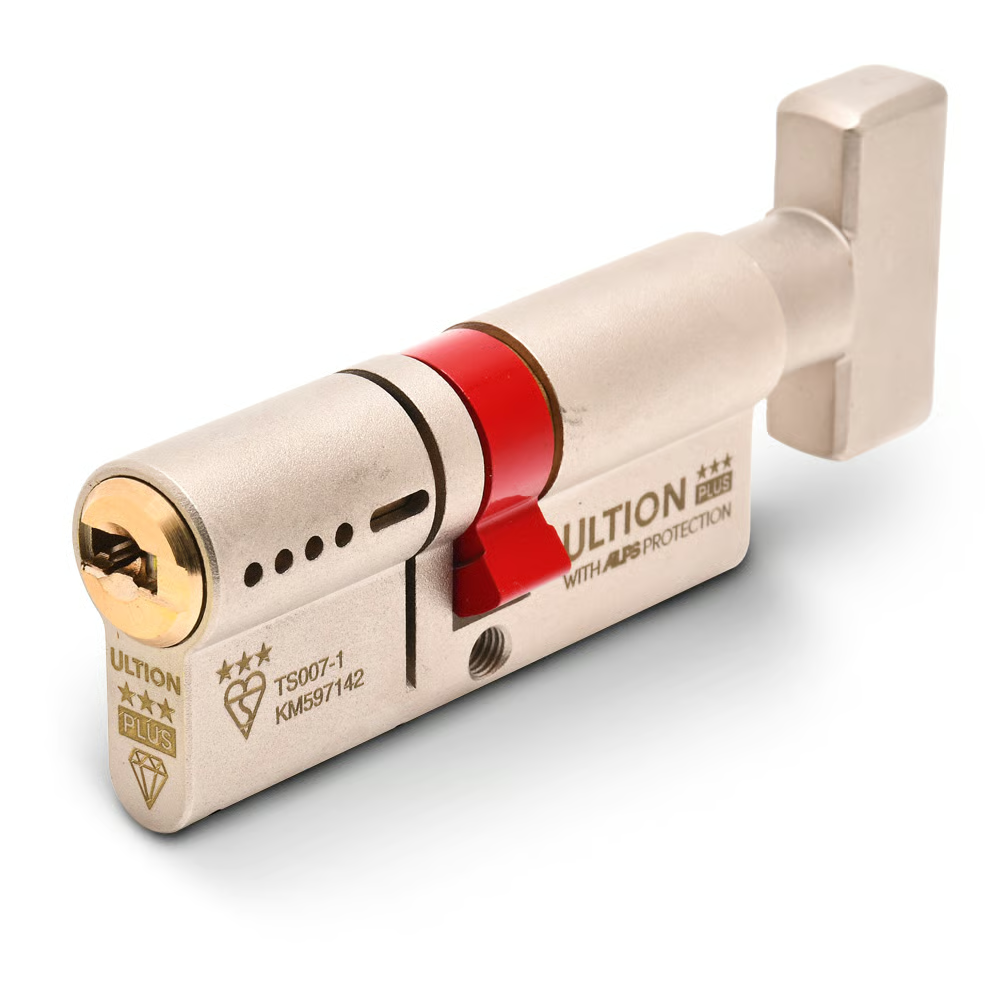
An anti snap cylinder is a euro profile lock cylinder engineered to resist the most common forced-entry method against uPVC and composite doors: the snap attack. Thieves use pliers or a purpose-made tool to break the cylinder at the shear line, remove the snapped piece and operate the lock. Anti snap cylinders prevent or limit that attack by combining sacrificial sections, reinforced cores and other security features so that entry is not possible after a snap attempt.
How a cylinder snap attack works
Understanding the attack explains why anti snap features are necessary. A standard euro cylinder has a narrow section on the outside face that is vulnerable to snapping. An attacker grips that section and applies force until the metal fractures. The external half breaks away while the internal portion still contains the cam that operates the multi-point mechanism. If the cam is exposed, the burglar can turn it and open the door.
What makes a cylinder "anti snap"?
Anti snap cylinders use several design elements to prevent a successful snap attack:
- Sacrificial nose: a deliberately weaker outer section that breaks away in a controlled way, leaving the critical cam region intact and unrevealed.
- Reinforced central core: the middle section is strengthened so it cannot be broken, drilled or forced to reveal the cam.
- Hardened steel pins and plates to resist drilling and twisting.
- Anti-bump and anti-pick features in the inner pin mechanism to reduce other burglary techniques.
- Specialised cam designs that are protected once the sacrificial section has failed; the cam cannot be manipulated from the outside.
Standards and ratings to look for
When specifying or buying an anti snap cylinder, look for recognised standards and marks relevant in the UK market:
- TS007 3-star rating: a key benchmark for anti-snap performance on domestic uPVC and composite doors. Many insurers require at least one TS007 3-star cylinder fitted to the main access door.
- BS EN 1303: this European standard covers performance characteristics such as resistance to torque and durability; check cylinder classifications for relevant attributes.
- BSI Kitemark or Sold Secure accreditation: additional independent verification of quality and resistance.
Choosing the right cylinder for your door: trade and DIY advice
Whether you are a homeowner or a tradesperson, making the correct selection is critical. Key considerations include:
- Type of cylinder: double cylinder (key both sides), single cylinder (key only one side) or thumbturn (internal turn knob). For doors that require emergency escape, a thumbturn or cylinder with an internal turn may be preferable; note that a thumbturn can be exploited if there is easy access through nearby glazing.
- Length and sizing: measure from the centre of the fixing screw to each end of the cylinder; common sizes are 35/35, 45/45, 30/35 etc. Incorrect length causes binding or makes the cylinder protrude, which reduces security.
- Profile and keyway: ensure the euro profile and keyway type match the existing hardware and door furniture.
- Security grade: specify at least TS007 3-star for external doors in domestic properties; for higher-risk properties consider additional accreditation.
Fitting and replacement: practical steps
Replacing a euro cylinder is a straightforward task for a competent DIYer or a locksmith. Basic procedure:
- Remove the door handle or lever on the side of the cylinder; some handles have hidden fixings so check before applying force.
- Locate and remove the central fixing screw: this is positioned on the edge of the door at the midline of the cylinder.
- Open the door slightly and turn the key a quarter turn to align the cam; the cylinder should then slide out. If you have a thumbturn cylinder, turn the thumbturn instead.
- Measure the removed cylinder for correct replacement length and confirm type and security rating before fitting the new anti snap cylinder.
- Insert the new cylinder with the cam aligned, secure with the central fixing screw, and refit the handle. Test operation with the door in the closed and locked position to ensure smooth functioning of the multi-point lock.
Trade tip: always test the cylinder on the door before fully tightening furniture. Some cylinders require slight rotation under load to seat the cam correctly within the locking gearbox.
Common installation pitfalls and how to avoid them
- Wrong length: a protruding cylinder is easier to attack. Use precise measurements and order matched lengths for optimal security.
- Using a 3rd-party cylinder without checking compatibility: ensure the replacement cam and profile operate the existing mortice or multi-point gearbox correctly.
- Poorly tightened fixings: do not overtighten the fixing screw; this may distort the cylinder. Torque it to a firm but not excessive setting.
- Ignoring insurance requirements: some insurers demand a TS007 3-star cylinder; fit the correct specification to avoid invalidating cover.
When to call a professional
If the door is warped, the lock gearbox is damaged, or the cylinder will not release after removing the fixing screw, contact a qualified locksmith. Similarly, if you need master keying, restricted keying or specific fire escape compliance, a trade professional can advise and supply appropriate cylinders and documentation.
Further resources and product selection
For detailed technical information about euro cylinders and to compare anti snap options, visit our pillar page: /c/locks-security. Window Hardware Store supplies a wide range of TS007 3-star anti snap cylinders, plus technical data sheets so you can match performance to the door and lock case.
Conclusion: upgrading to an anti snap cylinder is one of the most cost effective security improvements for uPVC and composite doors. Check your current cylinder type and length, choose a TS007 3-star rated product where appropriate, and follow correct fitting steps; when in doubt, use a qualified locksmith. Next steps: measure your existing cylinder, check your insurer's requirements, and contact a supplier for a matched anti snap cylinder and fitting advice.
Recommended Products
Based on this article, you may find these products helpful:
Related articles
What Is a Thumb Turn Cylinder? Convenience vs Security
What Is a Thumb Turn Cylinder? Convenience vs Security What is a thumb turn cylinder? A thumb turn cylinder is a type of euro-profile lock cylinder that ha...
Thumb Turn Cylinder vs Panic Bar: Exit Options Compared
Thumb Turn Cylinder vs Panic Bar: Exit Options Compared examines two very different approaches to door egress and security. The thumb turn cylinder is a co...
Thumb Turn Cylinder Sizes: Finding the Right Length
Thumb Turn Cylinder Sizes: Finding the Right Length Choosing the correct thumb turn cylinder is vital for security, smooth operation and a neat finish on d...