
Thumb Turn Cylinder vs Panic Bar: Exit Options Compared
Thumb Turn Cylinder vs Panic Bar: Exit Options Compared examines two very different approaches to door egress and security. The thumb turn cylinder is a co...
Thumb Turn Cylinder vs Panic Bar: Exit Options Compared examines two very different approaches to door egress and security. The thumb turn cylinder is a common choice for residential and some commercial doors where quick internal locking and unlocking is needed; a panic bar, also known as a push bar or crash bar, is designed to allow rapid escape from buildings in an emergency. This post sets out the technical differences, compliance considerations, practical trade advice and DIY guidance so you can select the correct hardware for the job.
How each system works
A thumb turn cylinder is a type of euro profile cylinder that has a key entry on the outside and a thumb-operated turn knob on the inside. Turn the thumb turn and the cylinder actuates the multipoint or mortice lock mechanism; turn back and the door is locked or unlocked without a key. Thumb turn cylinders are often found on front doors, flat entrance doors and some internal security doors.
A panic bar is a horizontal bar mounted across the internal face of an outward-opening door. Pushing the bar retracts a latch or a series of latches; the mechanism is designed to allow unimpeded escape even when the door is locked from the outside. Panic bars are typically used on commercial premises, schools and public buildings where fast evacuation of many people is required.
Where they are used: suitability and compliance
- Residential doors: Thumb turn cylinder is usually the appropriate option; it offers convenience and compliance with day-to-day security needs. For flats in a communal block, check communal door management rules and fire strategy before fitting thumb turns to avoid unauthorised access issues.
- Commercial and public buildings: Panic bars are generally required where there is a high-occupancy risk or where Building Regulations and fire safety guidance demand an emergency escape route. Look to BS EN 1125 for panic escape devices and BS EN 179 for emergency exit devices which are used where people are familiar with the exit.
- Fire doors: Panic hardware must be certified for use on fire doors; many panic bars are available with intumescent kits and fire rating to suit FD30 or FD60 applications. Thumb turn cylinders must not compromise fire door integrity; use approved cylinder types and follow the door manufacturer’s guidance.
Security and cylinder selection
For the thumb turn cylinder, consider these technical points:
- Anti-snap and anti-bump features: Choose cylinders graded to TS007 or similar to resist common attack methods; many euro cylinders now incorporate sacrificial sections and hardened cores.
- Correct length and profile: Measure from the centre of the fixing screw to each end; common sizes are 35/35 mm but doors often need asymmetric lengths. A poor length will expose the cylinder or prevent proper operation.
- Thumb turn considerations: For communal doors where a thief could break the external part of the cylinder and manipulate the thumb turn, consider key-accessible escutcheons or anti-snap protected thumb turn cylinders.
- Compatibility: Ensure the cylinder cam aligns with the lock mechanism; some multipoint locks require specific cam positions.
Installation and DIY guidance
Installing a thumb turn cylinder: basic steps for a competent DIYer or trade operative:
- Measure the existing cylinder or the door thickness to determine the correct length.
- Remove the fixing screw from the faceplate and turn the key slightly to align the cam; the cylinder will slide out.
- Insert the new thumb turn cylinder, using the key or thumb turn to align the cam as you push it home, then refit the retaining screw and test operation from both sides.
- Use a light application of graphite or silicone lubricant if the mechanism is stiff; do not use oil-based lubricants which attract dirt.
- Check for smooth operation of the multipoint locking and ensure the thumb turn clears any applied trims.
Installing a panic bar: recommended for experienced tradespeople; basic considerations:
- Confirm the door type and whether the panic device is certified for that door and fire rating.
- Follow the manufacturer’s template carefully for positioning; a wrong mounting height or incorrect fixings will prevent correct operation.
- For narrow stile aluminium or glazed doors, order a panic bar designed for that profile; avoid forcing a timber device into a metal frame without proper brackets.
- Test the device multiple times under load; doors on panic escapes must unlatch reliably on the first push.
- For panic bars with remote or alarmed functions, check wiring, power isolation and integration with your fire detection and access control systems.
Practical trade advice
- Assess the risk: For commercial premises, start with a fire risk assessment and consult the responsible person or fire officer before specifying exit hardware.
- Document compliance: Keep certificates for panic devices and record the cylinder specification for warranties and insurance purposes.
- Stock common thumb turn cylinder sizes and anti-snap variants if you are a trade professional; this speeds up replacements and reduces repeat visits.
- When retrofitting panic hardware to an existing door, check frame strength and reinforcement; some retrofit jobs require reinforcement plates or additional fixings.
- When dealing with flats and communal doors, check leaseholder agreements and building management rules before changing cylinder types; replacing a communal lock without authority can breach regulations.
Pros and cons summary
- Thumb turn cylinder: Pros — quick internal locking, convenient for homeowners, easy to fit and replace; Cons — less suitable for high-occupancy escape routes, potential security risk if poorly protected.
- Panic bar: Pros — designed for rapid evacuation, compliant with fire safety standards for public buildings, robust for high-traffic use; Cons — more expensive to supply and fit, requires appropriate door type and certification.
Useful resources
For more detail on euro cylinder types and specifications see our pillar content: /c/locks-security. Consult BS EN 1125 and BS EN 179 when specifying panic or emergency exit devices for commercial projects. When in doubt, speak to a fire safety officer or a qualified locksmith for site-specific advice.
Recommended Products
Based on this article, you may find these products helpful:
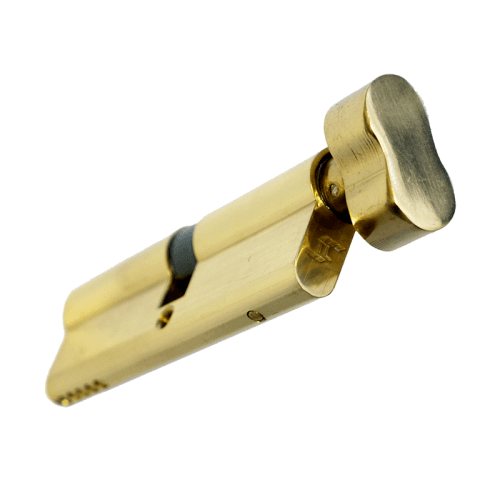
- TL Thumb Turn Euro Cylinder
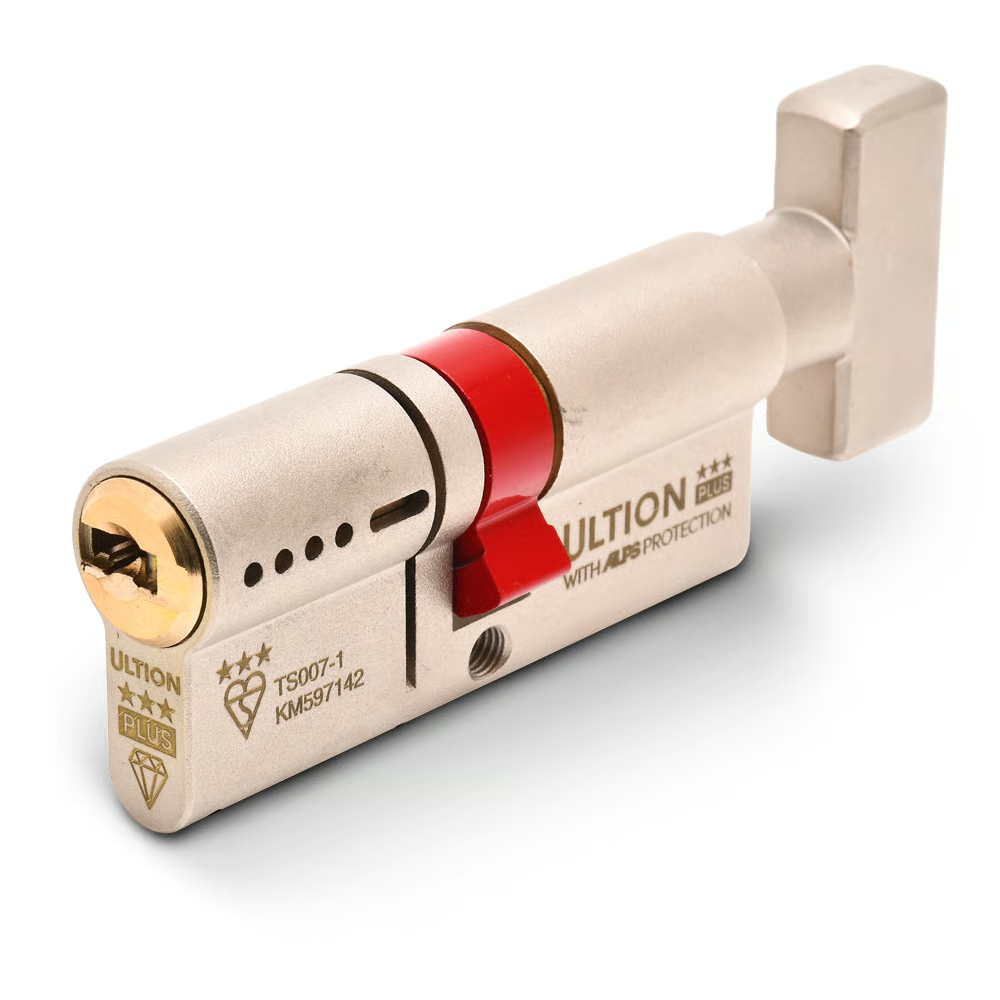
- Ultion Plus TS007 3* Kitemarked Euro Key & Turn Cylinder
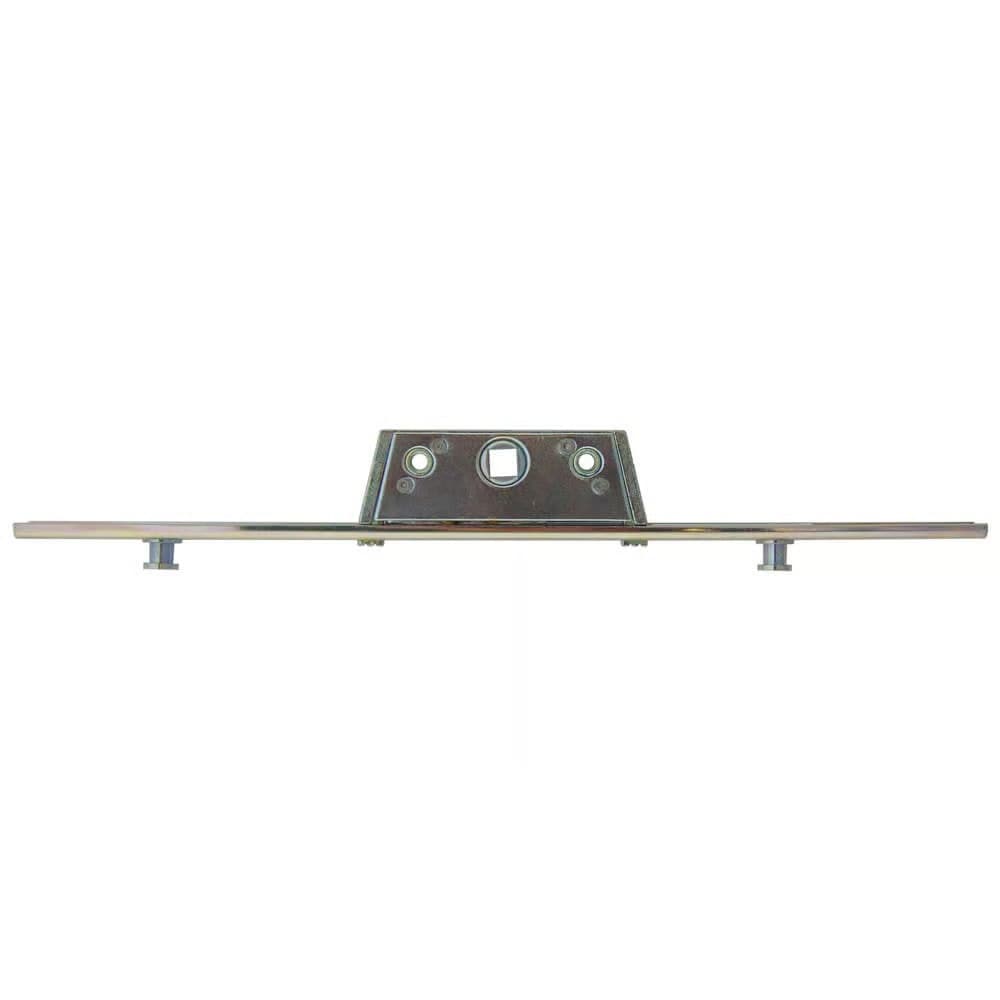
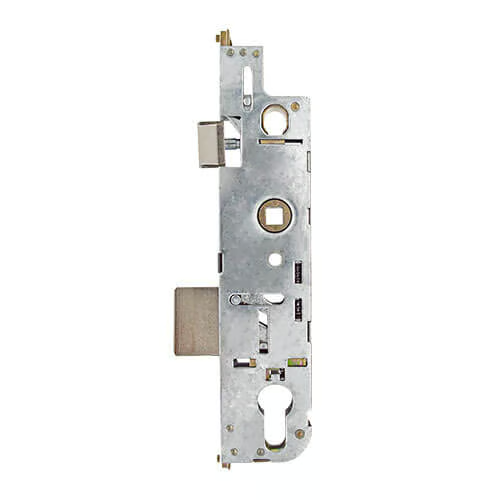
- Multipoint Gearbox GU Old Style
- In-Line Window Mechanism
- Offset Window Mechanism
Conclusion and next steps
Choose a thumb turn cylinder for domestic doors where convenient internal access is required and security can be maintained with anti-snap features. Choose a panic bar for commercial or public doors where rapid, barrier-free evacuation is a priority and certification is mandatory. Next steps: measure your door and note its fire rating; if you are a homeowner replacing a cylinder, order the correct length and an anti-snap thumb turn cylinder; if you are specifying for a commercial project, obtain a fire risk assessment and procure a certified panic device that matches the door type. If you need help selecting the right part, contact a qualified locksmith or your local trades supplier for tailored advice.

Related articles
What Is a Thumb Turn Cylinder? Convenience vs Security
What Is a Thumb Turn Cylinder? Convenience vs Security What is a thumb turn cylinder? A thumb turn cylinder is a type of euro-profile lock cylinder that ha...
Thumb Turn Cylinder Sizes: Finding the Right Length
Thumb Turn Cylinder Sizes: Finding the Right Length Choosing the correct thumb turn cylinder is vital for security, smooth operation and a neat finish on d...
How to Replace a Euro Cylinder: Step-by-Step Instructions
How to Replace a Euro Cylinder: Step-by-Step Instructions Why replace a euro cylinder lock? Euro cylinder locks are the most common locking mechanism on UK...