
Thumb Turn Cylinder Sizes: Finding the Right Length
Thumb Turn Cylinder Sizes: Finding the Right Length Choosing the correct thumb turn cylinder is vital for security, smooth operation and a neat finish on d...
Thumb Turn Cylinder Sizes: Finding the Right Length
Choosing the correct thumb turn cylinder is vital for security, smooth operation and a neat finish on doors and some windows. Whether you are a UK tradesperson fitting multiple properties or a homeowner replacing a single lock, understanding how to measure and select the right cylinder length will avoid common problems such as protruding cylinders, misalignment with handles and reduced security.
What is a thumb turn cylinder?
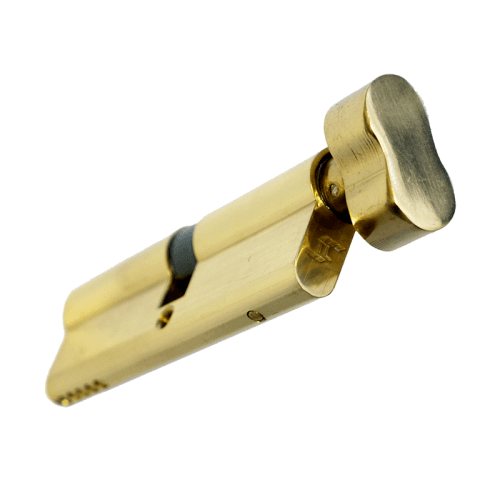
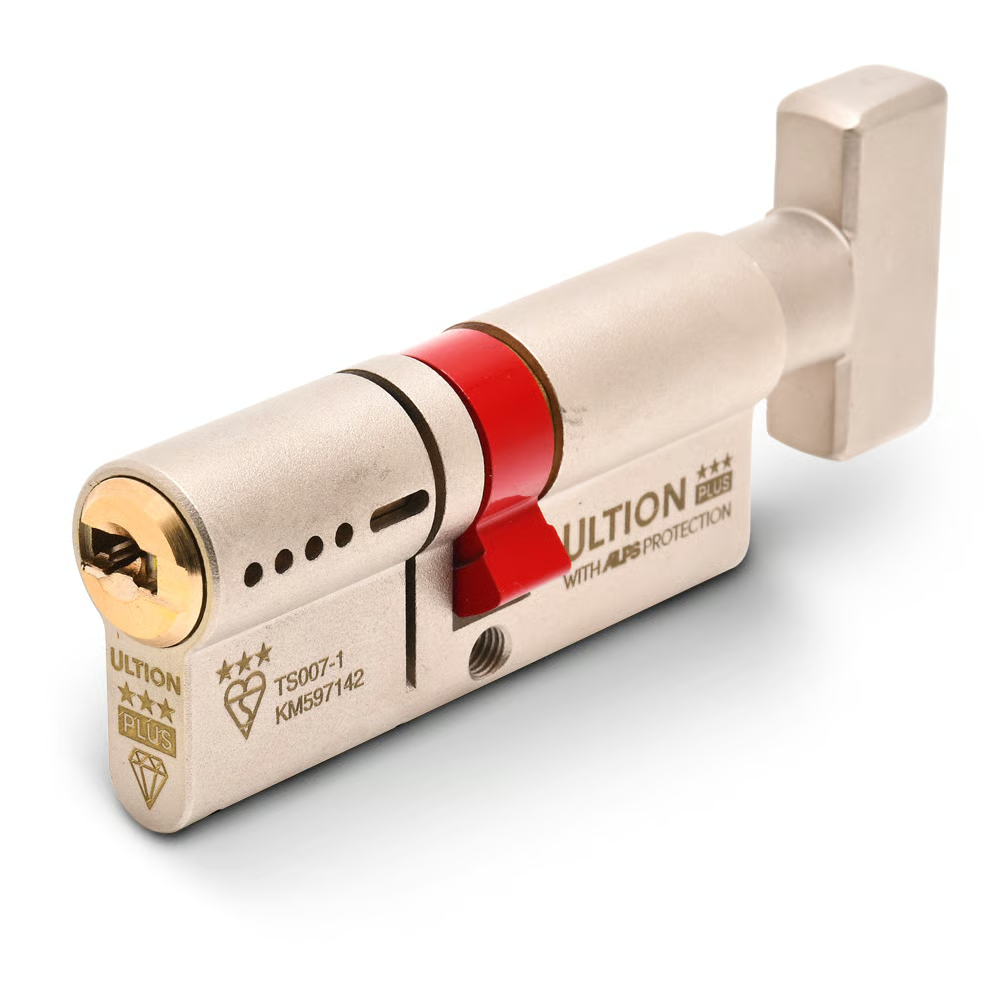
A thumb turn cylinder is a type of euro profile cylinder that has a thumb turn knob on one side instead of a key. This allows locking and unlocking from the inside without a key while retaining keyed operation on the outside. Thumb turn cylinders are commonly used on front and rear doors, and on certain internal doors where quick egress is required; they are also sometimes used on windows with secure ventilation functions.
Why cylinder length matters
Cylinder length determines how the cylinder sits relative to the door faces and the escutcheons or handles. The correct length ensures:
- the cylinder does not protrude excessively beyond the face of the door;
- the cam aligns correctly with the multipoint lock or mortice mechanism;
- the thumb turn has sufficient clearance to operate without obstruction from furniture;
- maximum security: an overhanging cylinder is a weak point and can be targeted by snapping attacks.
How to measure a thumb turn cylinder
Accurate measurement is straightforward if you follow a few simple steps. Use a steel rule or callipers for best accuracy.
- Remove the existing cylinder: open the door and locate the fixing screw on the edge of the door at the height of the cylinder. Unscrew it and turn the key slightly to align the cam; this releases the cylinder so you can slide it out. For thumb turns, do the same with the thumb knob positioned to free the cam.
- Identify the cam centre: the cam is the square rotating part in the middle of the cylinder. The centre of the cam is your reference point.
- Measure each side: measure from the centre of the cam to the outer end of the cylinder on the external side, and from the centre to the outer end on the internal side. Report the length as X/Y in millimetres; for example 45/35 means 45mm from cam centre to external end and 35mm to internal end.
- Note the thumb turn projection: the thumb turn knob itself may add a few millimetres beyond the cylinder body; factor in clearance so that escutcheons or handles do not impede operation.
Do not measure the thickness of the door as a substitute for cylinder side lengths; the critical dimension is from cam centre to cylinder ends. Also remember that escutcheon thickness and protective collars affect how the cylinder sits relative to the external face.
Common sizes and typical applications
There is no single standard size for every door; however some dimensions are commonly used in the UK. Typical examples include:
- 35/35 (70mm total): used on many UPVC and inner doors where the cylinder is central in the door thickness.
- 40/40 (80mm total) and 45/45 (90mm total): popular on composite doors and external doors with thicker furniture or multipoint locks.
- Asymmetrical sizes such as 45/35 or 35/45: used where one face of the door has thicker escutcheons or where an internal thumb turn protrusion is required.
Choose the size that allows the cylinder to sit flush or slightly recessed behind protective escutcheons; avoid cylinders that sit proud by more than a few millimetres.
Security and certification considerations
When selecting a thumb turn cylinder for an external door, security certification matters. Look for cylinders with recognised standards such as TS007 3-star accreditation and Sold Secure ratings; these indicate protection against snap, bump and drill attacks. Features to consider include:
- anti-snap sections: sacrificial front to resist snapping attempts;
- anti-drill plates or hardened pins;
- anti-pick mechanisms and mushroom or spool pins;
- robust cam design to work reliably with multipoint locks.
For trade customers fitting many properties, matching the security level to the property type is important: recommend 3-star cylinders for main entrance doors and a lower graded cylinder on internal doors where appropriate.
Practical tips for installation and DIY replacement
Follow these practical steps to ensure a successful replacement or installation:
- always purchase the correct length: measure as described rather than guessing;
- ensure the cam is set to neutral when inserting the new cylinder; this helps it slide into the lock case easily;
- fit the fixing screw and tighten snugly; do not over-tighten as this can distort the cylinder housing;
- check the thumb turn clearance and operation before refitting any handles or escutcheons; rotate the thumb turn several times to ensure it does not bind;
- use an appropriate lock lubricant sparingly: dry graphite or a specialist lock spray is preferred over general purpose oils; avoid products that attract dirt;
- if replacing multiple cylinders on a property, consider keyed-alike sets so one key operates all locks; this is a popular trade option for landlords.
Common problems and troubleshooting
- Cylinder protrudes: re-measure; select a shorter end or use a different escutcheon to cover small protrusions; excessive protrusion requires a different length or flush-fitting hardware.
- Thumb turn binds: check for interference from handles, escutcheons or internal furniture; verify the cam position and ensure the cylinder is fully seated.
- Key will not turn: inspect the cam alignment; sometimes the cylinder is not central in the lock case and needs repositioning by adjusting the fixing screw or using the correct length cylinder.
Where to find more technical information
For full technical details on euro cylinder types and specifications visit our pillar page on euro cylinders: /c/locks-security. That page contains information on cylinder profiles, security ratings and compatibility with multipoint locks.
Conclusion: Selecting the correct thumb turn cylinder comes down to accurate measurement, attention to security standards and ensuring compatibility with your door furniture. For tradespeople, keeping a stock of the most common sizes and accredited security options saves time on site. For DIYers, remove the old cylinder, measure from the cam centre to each end and choose a security-rated replacement that allows the thumb turn to operate freely. If in doubt, contact a trusted supplier or locksmith who can advise on the correct length and security grade for your specific door.
Recommended Products
Based on this article, you may find these products helpful:

Related articles
What Is a Thumb Turn Cylinder? Convenience vs Security
What Is a Thumb Turn Cylinder? Convenience vs Security What is a thumb turn cylinder? A thumb turn cylinder is a type of euro-profile lock cylinder that ha...
Thumb Turn Cylinder vs Panic Bar: Exit Options Compared
Thumb Turn Cylinder vs Panic Bar: Exit Options Compared examines two very different approaches to door egress and security. The thumb turn cylinder is a co...
How to Replace a Euro Cylinder: Step-by-Step Instructions
How to Replace a Euro Cylinder: Step-by-Step Instructions Why replace a euro cylinder lock? Euro cylinder locks are the most common locking mechanism on UK...