
Window Gearbox Backset Explained: 20mm, 22mm and 25mm Options
Window Gearbox Backset Explained: 20mm, 22mm and 25mm Options A window gearbox is the heart of an espagnolette window locking system; the backset is a smal...
Window Gearbox Backset Explained: 20mm, 22mm and 25mm Options
A window gearbox is the heart of an espagnolette window locking system; the backset is a small dimension that makes a big difference when replacing or upgrading gearboxes. This article explains what backset means, why 20mm, 22mm and 25mm are common choices, and gives practical trade and DIY advice to help you pick the right gearbox for casement and tilt‑and‑turn windows.
What is gearbox backset?
Backset is the distance between the face of the gearbox forend (the visible edge that sits against the sash) and the centre of the handle spindle or follower. In simpler terms: it tells you how far the spindle sits in from the edge of the sash. For espagnolette gearboxes the backset determines where the handle sits relative to the window frame and whether the spindle will line up with the existing handle or keepers.
Why 20mm, 22mm and 25mm matter
These three sizes are the most commonly stocked backsets for UK windows. Each suits different sash profiles and handle geometries:
- 20mm: Often found on older or slimmer-section timber and aluminium windows where the handle sits close to the frame. Useful where glass or seals are close to the handle location.
- 22mm: A common standard for many modern casement windows and a safe choice when the original size is unknown; it balances handle projection and clearance.
- 25mm: More common with thicker PVCu stiles and certain modern hardware ranges where handle clearance and internal gearing require the spindle to be set slightly further in.
Choosing the wrong backset can result in a handle that sits off-centre, binds on the frame, or fails to engage the locking mechanism correctly. That is why correct measurement is essential.
How to measure backset correctly
Follow these steps to confirm the backset before ordering replacements:
- Open the window and remove the handle: unscrew the handle fixings and withdraw the spindle; keep screws and cover caps safe.
- Measure from the face of the forend (the narrow visible edge of the gearbox that sits against the sash) to the centre of the spindle hole or follower. If the gearbox is already removed, measure from the forend edge to the spindle hole centre.
- If you cannot access the forend, measure from the outer edge of the sash to the centre of the spindle; this gives the same backset dimension for replacement purposes.
- Note the follower shape and size: standard spindles are usually 7mm square in modern windows but older systems can be 8mm square, round with a drive pin, or mushroom shaped.
Compatibility issues to check
When selecting a replacement gearbox, check these additional points:
- Follower type: square spindle, round with pin, or eccentric cam; confirm size and orientation. You can fit adapter spindles in some cases, but exact matches are best.
- Faceplate size and fixing positions: screw hole spacing must match the existing sash cut‑out; otherwise you may need to re-drill or use an adaptor plate.
- Case depth and overall length: ensure the gearbox fits inside the sash cavity without fouling the reinforcement or glass channel.
- Handing and reversible design: many gearboxes are reversible for left or right hung windows; check if handed versions are required for some multipoint rods.
- Multipoint rod connections: for espagnolette systems with rods, confirm the connection style and position so the rods still engage correctly with the cams and keepers.
Practical trade advice
For glaziers, installers and locksmiths working regularly on espagnolette hardware:
- Stock the three most common backsets: 20mm, 22mm and 25mm. This covers the majority of jobs without delay.
- Carry a selection of followers and spindles: 7mm square spindles, common conversion spindles and small adapter pins will save call‑backs.
- Record original part numbers where possible: many manufacturers produce near‑identical gearboxes with slight dimensional differences. A photo of the faceplate and screw positions helps suppliers match parts.
- Offer customers matched keepers and handles: replacing the gearbox alone can reveal worn keepers that prevent the gearbox from closing correctly. A small kit price often avoids repeat visits.
- Keep stock of reversible gearboxes: these fit both left and right openings and reduce the need to carry both handed versions.
DIY replacement: step‑by‑step guidance
For competent DIYers planning to replace a gearbox, follow this safe, practical sequence:
- Tools: screwdriver set, tape measure, spirit level, masking tape, marker, and suitable replacement gearbox with matching backset and follower.
- Support the sash where needed: if you need to remove the sash or disconnect rods, prop it securely to avoid damage or injury.
- Remove handle and unscrew the gearbox forend: keep screws in order. Withdraw the gearbox carefully, noting any shims or packing pieces.
- Compare the old and new gearboxes: confirm backset, spindle size and screw positions before fitting.
- Fit the new gearbox, engage any multipoint rods and reassemble: test operation several times to ensure smooth action and correct locking into keepers.
- Adjust keepers or striker plates if the lock does not draw the sash fully: minor adjustments commonly make the set operate correctly.
- If unsure at any point, stop and seek professional help; espagnolette systems that connect to rods can be tricky and a mistake could compromise security.
Common pitfalls and how to avoid them
Typical problems and easy precautions:
- Buying the wrong backset: always measure rather than guessing; when in doubt, measure both sides of the window sash.
- Mismatched follower: a correct spindle adaptor can work temporarily but long‑term use of the correct follower is recommended for security and wear.
- Poor seal or draught after replacement: check that the gearbox orientation has not altered the compression setting; adjust keepers if required.
- Overlooking rusted or seized fixings: apply penetrating oil beforehand and have the correct driver bits to avoid stripping screws.
Further reading and resources
For related information on espagnolette window locks, including multipoint rods and keeper adjustments, see our detailed pillar page: /guides/espagnolette-window-locks. Manufacturer technical datasheets are also invaluable for exact dimensions and part cross‑references.
Recommended Products
Based on this article, you may find these products helpful:
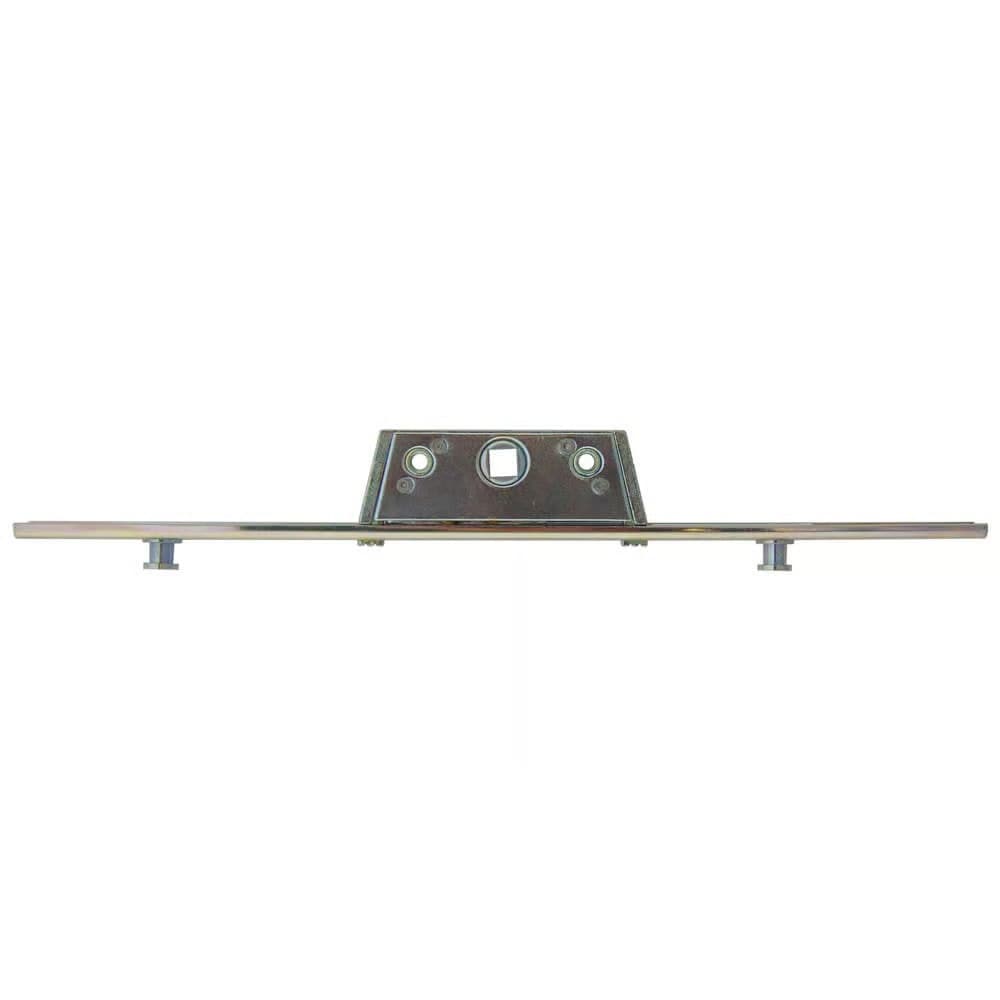
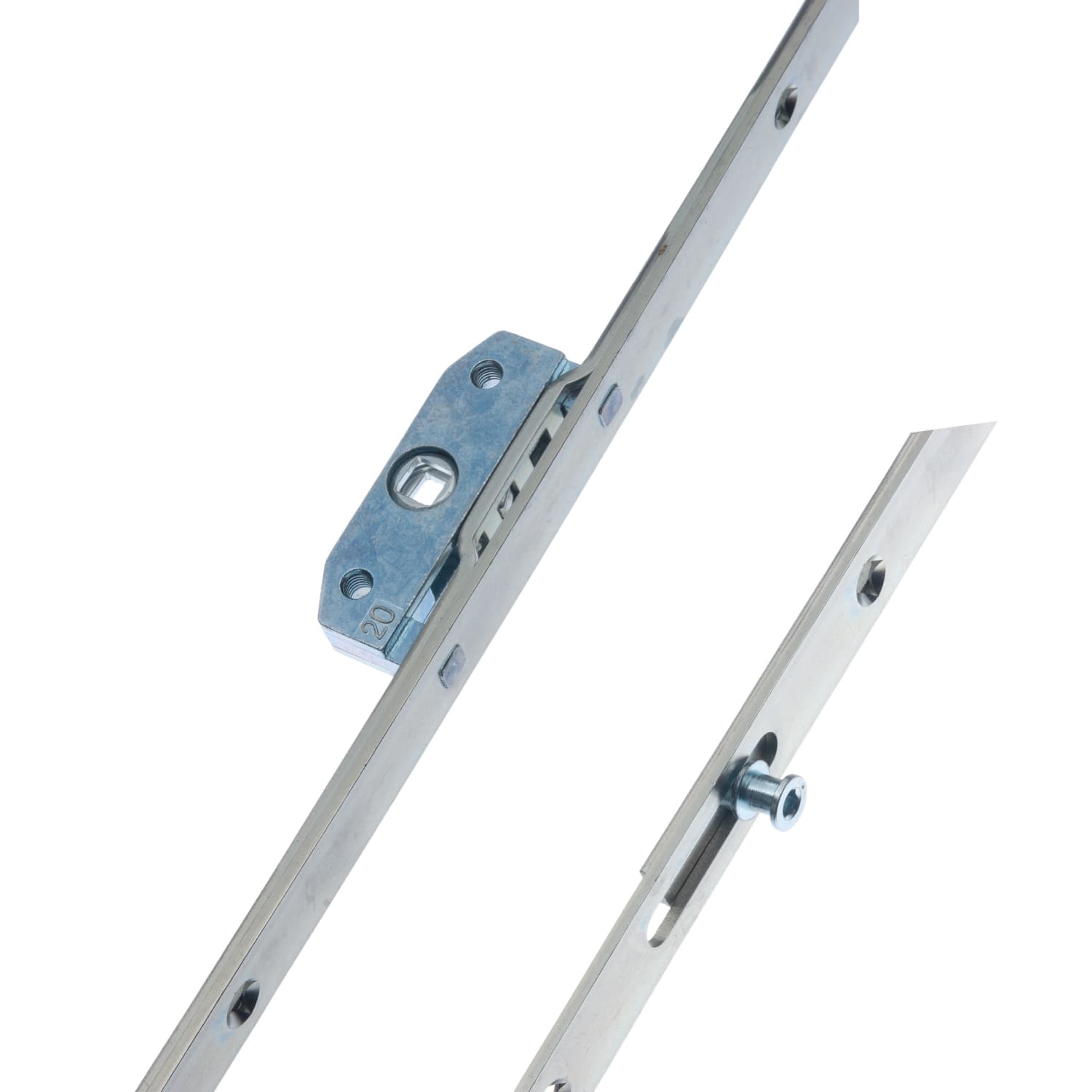
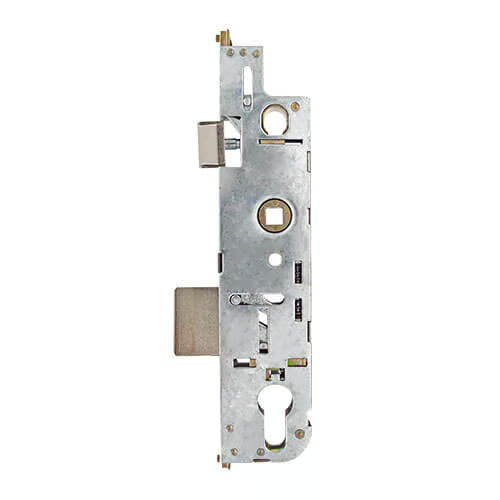
- ERAB Espagnolette Window Lock Universal Lock Replacement
- Avocet Slimline Offset Window Espag
- Multipoint Gearbox GU Old Style
- In-Line Window Mechanism
- Offset Window Mechanism
Conclusion and next steps
Choosing the correct gearbox backset is a small but crucial detail when replacing or upgrading a window gearbox. Measure the backset carefully, confirm the follower type and faceplate fixing pattern, and keep common sizes (20mm, 22mm and 25mm) in stock if you work in the trade. For DIYers, follow the step‑by‑step guidance above and stop if the job looks more complex than expected.
Next steps: measure the existing backset, compare the follower and faceplate, and consult our espagnolette guide or contact Window Hardware Store for help identifying the right replacement gearbox.
Related articles
Window Gearbox Maintenance: Keeping Your Locks Working Smoothly
Window Gearbox Maintenance: Keeping Your Locks Working Smoothly A well maintained window gearbox keeps casement and tilt-and-turn windows operating smoothl...
Troubleshooting Shootbolt Problems: A Window Fitter's Guide
Troubleshooting Shootbolt Problems: A Window Fitter's Guide Shootbolts are a small but vital component in many modern window and patio door locking systems...
What Is a Shootbolt Lock? Complete Guide to Window Security
What Is a Shootbolt Lock? Complete Guide to Window Security What is a shootbolt? A shootbolt is a mechanical locking element commonly used in windows and d...