
Anti Arson Letterbox Installation: DIY or Professional?
Anti arson letterbox protection is an effective way to reduce the risk of incendiary devices being pushed through an external door. For UK homeowners and t...
Anti arson letterbox protection is an effective way to reduce the risk of incendiary devices being pushed through an external door. For UK homeowners and trade professionals deciding whether to fit one yourself or appoint a specialist, the choice depends on door type, certification, skill level and the level of protection required. This article outlines the technical considerations, installation options and practical trade advice so you can make an informed decision.
What is an anti arson letterbox and why it matters
An anti arson letterbox is a letterplate combined with a fire-resistant back box and internal features that prevent objects being pushed through the aperture. Typical features include a fire-rated mineral wool back box, intumescent seals, anti-fishing deflectors and robust fixing plates. The unit aims to protect the inside of a property from flames and burning material and to maintain the door's fire resistance where required.
Standards, certification and legal considerations
When fire performance is relevant, look for products that are fire-tested and certified to maintain FD30 or FD60 ratings; FD30 indicates 30 minutes fire resistance. If the door is a certified fire door — commonly found on flat entrance doors and some communal doors — altering the door without using a tested letterbox assembly will almost certainly void the door's certification. For security, PAS 24 and Secured by Design approved components are preferred where anti-intrusion performance matters.
Always check insurance documentation and, where applicable, building control or the flat management company before modifying a fire door. For non-fire doors the regulatory burden is lower, but you should still choose products that meet the required standards for weatherproofing and security.
DIY or professional: key factors to consider
- Door type: timber, composite, steel and fire doors each require different approaches. Fire doors demand certified assemblies and usually professional installation.
- Skill and tools: accurate cutting, routing and sealing are essential; incorrect work can compromise security, weatherproofing and fire performance.
- Product complexity: some anti arson letterbox kits are designed for simple retrofit; others require more substantial joinery or metalwork.
- Warranty and insurance: professional installation often preserves warranties and provides documentation for insurers; DIY work may not.
- Cost and time: DIY can be cheaper but may take longer if you need to source tools or correct mistakes; professionals are faster but cost more.
DIY installation: what you need to know and do
DIY installation is feasible for competent tradespeople and experienced DIYers on non-fire doors. If you decide to fit an anti arson letterbox yourself, follow these practical steps and precautions:
- Inspect the door: confirm material and construction; identify any existing fire door certification or manufacturer advice. Do not cut into a certified fire door unless the replacement unit is part of a tested system and you understand the certification implications.
- Choose the right product: buy an anti arson letterbox kit that states fire performance where required. For external doors choose corrosion-resistant fixings and weatherproof components.
- Tools and materials: tape measure, pencil, spirit level, chisel, router or jigsaw for neat apertures, drill and appropriate bits, stainless steel screws or rivets, intumescent strips, fire-rated mastic, mineral wool or supplied back box, silicone sealant and appropriate protective equipment.
- Preparation: mark and centre the aperture carefully; double-check measurements against the kit. Protect the door surface with masking tape when cutting.
- Cutting and fitting: cut the aperture cleanly; fit the back box so it sits flush with the internal face. Secure using the manufacturer specified fixings; overlong screws can damage door cores so choose length carefully.
- Sealing for fire and weather: install intumescent strips around the back box where required and fill voids with the recommended mineral wool or non-combustible infill. Use fire-rated mastic on joints and silicone externally to prevent water ingress.
- Final checks: ensure the flap closes freely, brushes or seals are in place to prevent draughts, and internal anti-fishing devices are installed. Check the finish and touch up paint if needed.
When to hire a professional
Hire a professional when dealing with fire doors, aluminium or steel doors, or when you are unsure about the structural impact of cutting. Professional installers will supply and fit a tested assembly; they can provide certification and carry insurance that may be required by building control or insurers. Expect tradespeople to check door construction, recommend a suitable product, perform the cut-out accurately and refit or replace associated trims and seals.
Estimated costs and time
Retail prices for a quality anti arson letterbox kit range widely; basic retrofit kits may cost from around £40 to £150, while certified fire-rated assemblies typically start higher. Labour for a straightforward retrofit might be £80 to £200 depending on location and door complexity; professional work on fire doors or metal doors can be more. A competent DIYer can complete a standard retrofit in a few hours; professional installation is usually completed in one visit.
Maintenance and periodic checks
Regular maintenance keeps an anti arson letterbox effective: check flap operation, clean brush seals, inspect intumescent strips and seals annually, and tighten fixings if any movement is detected. If the letterbox or surrounding door is damaged, replace or have it checked immediately; damaged intumescent material or gaps reduce fire performance.
Recommended Products
Based on this article, you may find these products helpful:
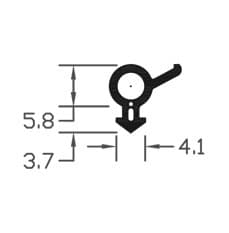
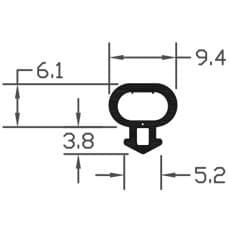
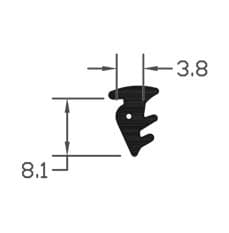
- E-Type Gasket - Black 5m Roll
- E-Type Gasket - Black (Per Metre)
- B003 Bubble Gasket
- B004 Bubble Gasket
- SYS2 Wedge Gasket
Conclusion and next steps
If the door is not a certified fire door and you have good joinery skills and the right tools, a DIY fit of an anti arson letterbox can be a cost-effective option. For fire doors, steel doors, or where certification and insurance documentation are required, always opt for a professional installer using a tested assembly. Next steps: identify your door type, check any fire door certification and your insurer's requirements, and choose a suitable anti arson letterbox product. For product options and trade-grade kits visit /guides/letterboxes or contact Window Hardware Store for technical advice and certified units tailored to your door.
Products mentioned in this article
Related articles
Internal vs External Letterbox Draught Excluders: Which Works Better?
Internal vs External Letterbox Draught Excluders: Which Works Better? A letterbox is a small opening that can let in a disproportionate amount of cold air,...
How to Retrofit an Anti Arson Letterbox to an Existing Door
How to Retrofit an Anti Arson Letterbox to an Existing Door What is an anti arson letterbox and why retrofit one? An anti arson letterbox is a specialist l...
Letterbox Draught Excluder for Security: Added Protection
Letterbox Draught Excluder for Security: Added Protection A well-chosen letterbox draught excluder reduces heat loss and noise while contributing to a stro...