
How to Retrofit an Anti Arson Letterbox to an Existing Door
How to Retrofit an Anti Arson Letterbox to an Existing Door What is an anti arson letterbox and why retrofit one? An anti arson letterbox is a specialist l...
How to Retrofit an Anti Arson Letterbox to an Existing Door
What is an anti arson letterbox and why retrofit one?
An anti arson letterbox is a specialist letterplate assembly designed to reduce the risk of fire or smoke ingress and to prevent objects being pushed through the letterbox opening. Typical features include an internal baffle or box, intumescent and smoke seals, and robust outer and inner flaps or plates. Retrofitting one to an existing door improves safety and may be specified for flats, sheltered housing or properties at higher risk. It also enhances security and draught control compared with a basic letterplate.
Assess the door and choose the right product
Before buying a kit, identify the door type: timber, composite, uPVC or metal. Check door thickness and whether the door is a certified fire door. Fire doors often carry an FD30 or FD60 rating; cutting into a certificated fire door can invalidate that rating unless the letterbox is part of a fire-tested system and fitted according to the manufacturer’s instructions. For flats and communal areas you may need to follow building regulations or landlord rules. Choose an anti arson letterbox with appropriate documentation: technical datasheets, fire test certificates where relevant, and a fitting template.
Tools and materials required
- Anti arson letterbox kit with template, internal box and intumescent seals
- Pencil, tape measure and spirit level
- Drill with bits for timber or metal
- Jigsaw or portable router with suitable blades
- File, chisel and sandpaper for finishing edges
- Stainless steel or coated screws supplied with kit
- Neutral-cure silicone sealant or intumescent adhesive as specified
- PPE: safety glasses, hearing protection, dust mask and gloves
Step-by-step retrofit procedure
- Read the documentation: Check the letterbox template and the manufacturer’s fitting instructions. If fitting to a fire door, confirm the kit is fire-tested for that door type and thickness.
- Locate the correct position: Traditional letterbox height is about 900mm from floor to centre of aperture, but confirm with client or local guidance. Avoid cutting near locks, multipoint gear or glazing beads. Mark the centreline and transfer the template to the door surface; use a spirit level to ensure horizontal alignment.
- Drill pilot holes: Drill clear starter holes at the corners of the template. Use a bit sized to accept your jigsaw blade or router cutter; if working on metal doors use a suitable metal-cutting pilot.
- Cut the aperture: Cut carefully with a jigsaw or router. For timber and composite doors a sharp wood blade is fine; for metal doors use a fine-tooth metal blade and slow feed. Keep cuts neat; avoid splintering by masking the face with low-tack tape.
- Check and finish the aperture: Test-fit the letterbox components. File and sand edges so the internal box sits flush. For composite doors, remove any foam or honeycomb filler where the kit requires a clear cavity.
- Fit intumescent and smoke seals: Apply the intumescent strip and smoke seal exactly as per the manufacturer’s drawing. The position is critical; incorrect placement can negate fire performance. Use the adhesive or mechanical fixings supplied.
- Install external and internal plates: Fit the external letterplate and internal inner box or baffle. Use the screws provided, tightening evenly. Some kits include rear clamp plates: these must be fitted to secure the assembly and preserve the door’s structural performance.
- Seal and finish: Apply neutral-cure silicone sparingly around the internal perimeter if the instructions permit; do not use expanding foam near intumescent elements. Ensure flaps operate freely and that internal baffles prevent a direct path for flames or smoke.
- Final checks: Test the flap operation, check seals compress correctly, and confirm any fire-rated performance documentation is completed. Record photographs and keep the product certificates; these may be required for compliance or insurance purposes.
Practical trade tips and common pitfalls
- Measure twice and use the supplied template; cutting errors are difficult to reverse.
- For composite doors, confirm the internal construction. Some cores require reinforcement or a specific fixing method found in the manufacturer’s guidance.
- Do not retrofit into a certified fire door unless the letterbox and installation method are fire-tested for that exact door type and thickness; if in doubt, seek a fire door specialist.
- Use stainless or corrosion-resistant fixings on external faces to avoid staining and long-term deterioration.
- Avoid expanding foam or uncontrolled fillers near intumescent materials; they can prevent proper expansion in a fire.
- When working on metal doors use coolant and correct blades to prevent heat build-up which could damage paint or seals.
- Pre-paint raw cut edges where appropriate to prevent moisture ingress into timber or composite cores.
Compliance, safety and insurance considerations
Retrofitting an anti arson letterbox can improve safety, but altering doors can affect building regulations and insurance. For flats, communal entrances and purpose-built fire doors you must follow building control requirements and the door manufacturer’s recommendations. Keep manufacturer data sheets, test certificates and a record of the installation. If you are not confident with fire-rated doors, commission a qualified installer or a door maintenance specialist to ensure compliance. Always ensure safe working practices: isolate the working area, wear PPE and check for hidden services or locks before cutting.
Recommended Products
Based on this article, you may find these products helpful:
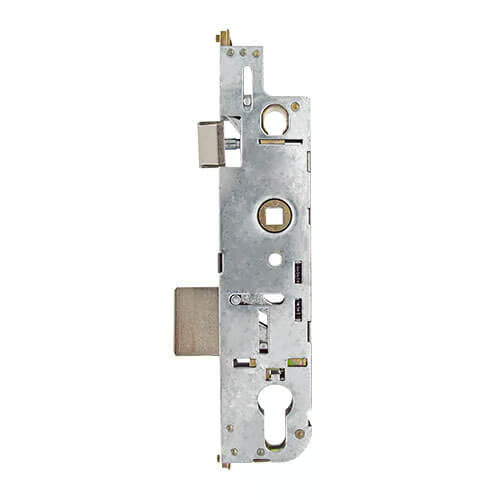
- Multipoint Gearbox GU Old Style
- E-Type Gasket - Black 5m Roll
- E-Type Gasket - Black (Per Metre)
- Structural Glazing Tape - 20mm
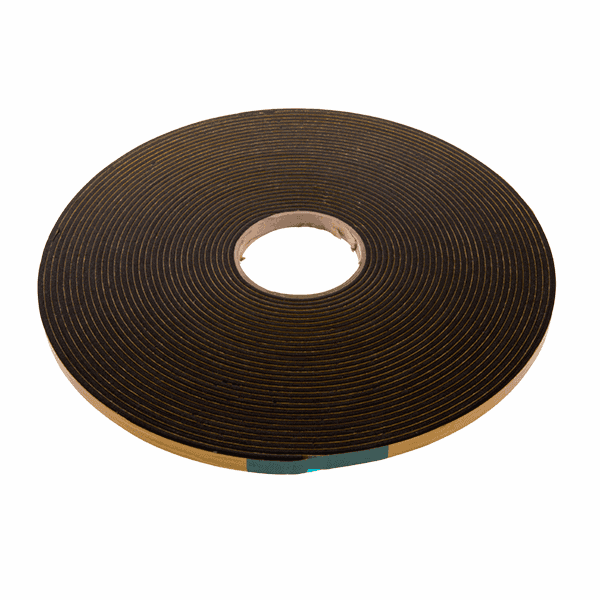
- Security Glazing Tape
Conclusion and next steps
Fitting an anti arson letterbox to an existing door is a practical upgrade for safety and security when done correctly. Select a product suited to your door material and any fire-rating, follow the supplier template and fitting instructions, and use the correct seals and fixings. For high-risk or certificated doors seek professional installation. To proceed, choose a suitable anti arson letterbox from Window Hardware Store, download the product technical data sheet and fitting template, or contact our trade support for specification help and bulk pricing.
Products mentioned in this article
Related articles
Internal vs External Letterbox Draught Excluders: Which Works Better?
Internal vs External Letterbox Draught Excluders: Which Works Better? A letterbox is a small opening that can let in a disproportionate amount of cold air,...
Letterbox Draught Excluder for Security: Added Protection
Letterbox Draught Excluder for Security: Added Protection A well-chosen letterbox draught excluder reduces heat loss and noise while contributing to a stro...