
Anti Arson Letterbox Testing Standards: BS EN 13724 Explained
Anti Arson Letterbox Testing Standards: BS EN 13724 Explained What BS EN 13724 covers BS EN 13724 is a European standard that specifies dimensions, design ...
Anti Arson Letterbox Testing Standards: BS EN 13724 Explained
What BS EN 13724 covers
BS EN 13724 is a European standard that specifies dimensions, design and usability requirements for letter plates and letter boxes fitted in doors and walls. It sets sensible benchmarks for aperture size, flap operation, mail acceptance and resistance to everyday misuse. For homeowners and installers the standard helps ensure post can be delivered reliably and that the product will perform as expected for general use.
Why BS EN 13724 matters for anti arson letterbox selection
While BS EN 13724 is primarily about usability and durability, it provides the baseline geometry and construction features that manufacturers use when designing enhanced protection models. An anti arson letterbox typically begins with a product that meets BS EN 13724 and then adds specific fire and tamper-resistant elements: internal baffles, specialised non-combustible liners, intumescent seals and secure fixings. Understanding the relationship between the standard and anti arson features helps tradespeople and homeowners choose products that will work in practice and install correctly.
What BS EN 13724 does not cover
BS EN 13724 does not directly test for fire resistance or arson protection. It does not replace fire testing or building regulation requirements for entrance doors, flat entrance doors or fire doors. If a property requires arson-resistant performance, look for additional third-party test evidence and certification that specifically addresses flame spread, heat transfer and smoke sealing. Do not assume compliance with BS EN 13724 alone is sufficient for a fire-critical situation.
Typical anti arson features to look for
- Internal flame baffle or louvred chamber that prevents direct flame and smoke travel into the dwelling.
- Non-combustible liners and baffle plates; stainless steel or galvanised steel is common.
- Intumescent seals that expand under heat to close gaps around the aperture.
- Heavy-duty flaps with secure hinges and concealed fixings to resist tampering and prevent "fishing".
- Back boxes or internal deflectors to contain burning material and reduce draughts.
Certifications and test evidence to request
For anti arson performance request independent test reports rather than informal claims. Useful documentation can include third-party fire test reports, product assessment reports and compliance with trade-assured schemes. For door assemblies and fire doors, ask the door manufacturer if the letterbox option is covered by the door’s fire test certificate. For communal entrances and commercial sites, insurers may require specific documented tests.
Practical trade advice for specifying and installing
Follow these shop-floor and specification tips when working with anti arson letterboxes:
- Always check the door type before cutting: do not retrofit a standard letterbox into a certified fire door unless the letterbox model is covered by the door’s fire certificate. Modifying a fire door without an appropriate upgrade will void its rating.
- Match the letterplate aperture and centring to Royal Mail delivery recommendations where appropriate; a standard recommendation for accessibility is an aperture centred at about 1.1 metres above finished floor level for most residential deliveries.
- Use the manufacturer’s template and fixings: anti arson models often require backing plates or through-bolts to secure internal liners. Use stainless steel screws and correct torque settings to avoid distorting the faceplate.
- Provide a continuous draught seal: fit compressible gaskets or intumescent strips as specified; avoid expanding polyurethane foams near intumescent materials as some foams may degrade the seal’s performance.
- For timber doors consider a steel reinforcement sleeve in the cut-out to hold the liner and prevent burn-through in the event of arson attempt.
DIY guidance for homeowners
Homeowners can improve letterbox safety without specialist tools, but take care when working on fire-rated doors. Practical DIY steps include:
- Purchase a purpose-built anti arson letterbox kit that is compatible with your door; avoid cheap generic plates that do not include an internal baffle or robust fixing system.
- Measure twice: confirm door thickness, cut-out size and whether the door is fire-rated before buying. If in doubt, contact the door manufacturer or a qualified installer.
- Install intumescent strips to the rebate around the letterbox as per the product instructions; these expand under heat to help seal the aperture.
- Use tamper-resistant screws and conceal fixings where possible; check alignment so the flap sits flush and seals correctly to reduce draughts and ingress of burning debris.
- For any door forming part of a means of escape or an official fire door, do not DIY the installation; arrange for a competent person who can ensure the door’s fire rating remains intact.
Maintenance and ongoing checks
Regular maintenance keeps an anti arson letterbox effective. Inspect the flap operation, clean any debris from the baffle chamber and check intumescent strips annually. Replace worn seals and corroded fixings promptly. Keep a copy of the product’s test reports and fitment instructions with your household maintenance records; these are useful for insurers and future tradespeople.
Where to get product and regulatory advice
When specifying anti arson letterboxes consult manufacturers’ technical teams, product datasheets and independent test labs. For fire door issues consult an accredited fire door inspector or the door manufacturer. Window Hardware Store stocks a range of letterplates and can provide trade advice and recommended installation kits; see our pillar resource on letterboxes at /guides/letterboxes for product comparisons and fitting templates.
Recommended Products
Based on this article, you may find these products helpful:
- E-Type Gasket - Black 5m Roll
- E-Type Gasket - Black (Per Metre)
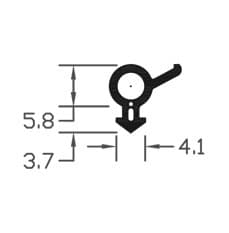
- B003 Bubble Gasket
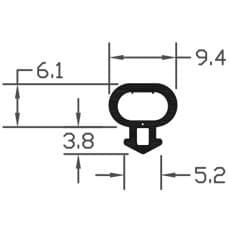
- B004 Bubble Gasket
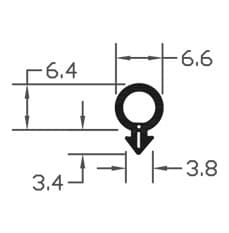
- B007 Bubble Gasket
Conclusion and next steps
BS EN 13724 sets useful design and usability benchmarks for letterplates and letter boxes, but it does not replace specific fire or arson resistance testing. For true anti arson letterbox performance seek products with additional tested features: internal baffles, non-combustible liners, intumescent sealing and documented independent test reports. Tradespeople should follow manufacturers’ templates and never modify a certified fire door without an approved solution. Homeowners can make practical upgrades by choosing compatible anti arson kits, fitting seals correctly and maintaining components.
Next steps: review your current letterbox against the points above; if you need product recommendations or installation support contact Window Hardware Store or view our detailed resources at /guides/letterboxes.
Products mentioned in this article
Related articles
Internal vs External Letterbox Draught Excluders: Which Works Better?
Internal vs External Letterbox Draught Excluders: Which Works Better? A letterbox is a small opening that can let in a disproportionate amount of cold air,...
How to Retrofit an Anti Arson Letterbox to an Existing Door
How to Retrofit an Anti Arson Letterbox to an Existing Door What is an anti arson letterbox and why retrofit one? An anti arson letterbox is a specialist l...
Letterbox Draught Excluder for Security: Added Protection
Letterbox Draught Excluder for Security: Added Protection A well-chosen letterbox draught excluder reduces heat loss and noise while contributing to a stro...