
How to Fit a Letter Box in a uPVC Door: Complete Guide
Fitting a letter box in a uPVC door is a common task for homeowners and trade professionals. Whether you are replacing an old plate, retrofitting a new sty...
Fitting a letter box in a uPVC door is a common task for homeowners and trade professionals. Whether you are replacing an old plate, retrofitting a new style or installing for the first time, correct planning and the right technique will give a neat, secure and weatherproof result. This article covers practical advice for both DIYers and tradespeople: tools and materials, measuring and marking, cutting the aperture, fitting the plate and finishing details.
Tools and materials
Gather the right tools before you start; using unsuitable blades or fixings can damage the uPVC skin or the steel reinforcement inside the door. Typical tools and materials are:
- Manufacturer's template and the chosen letter box kit (external flap, internal cowl or draught excluder, backbox if supplied)
- Pencil, masking tape and spirit level
- Drill with Brad point or wood bits for pilot holes
- Jigsaw with fine-tooth blade for uPVC or a multi-tool with a fine blade; alternatively a router with a straight cutter for a cleaner edge
- Files and a rasp for final trimming
- Stainless steel screws and, if required, rawl plugs for metal backbox
- Low-modulus silicone sealant, closed-cell foam or draught-excluding brush
- PPE: safety glasses, dust mask, gloves
Choosing location and size
Decide the vertical position of the letter box: most installations place the centre of the aperture between 900mm and 1000mm above finished floor level for convenience; adjust to suit occupant needs. Horizontally, centre the aperture in the field of the door panel and avoid placing it too close to the lock, hinge or glazing panel. Confirm the chosen letter box dimensions: common plate widths range from about 250mm to 300mm and heights from 50mm to 70mm; always check the manufacturer’s specification and use their template.
Pre-checks and preparation
Before cutting, check whether the door is fire-rated or under any manufacturer warranty that forbids modifications; altering a fire door may void certification and is usually not permitted. Inspect the door construction: many uPVC doors have a steel reinforcement profile; locate it to avoid drilling into reinforcement where unnecessary, or to use it to take fixings. It is generally best practice to remove the door and lay it flat on supports for cutting: this reduces vibration, gives a better finish and is safer for accurate work.
Marking and cutting the aperture
Stick the paper template to the door face with masking tape and check it is level and centred. Mark the outline with a pencil. Drill small pilot holes at the corners of the outline to give the jigsaw blade an entry point. When using a jigsaw, select a blade designed for plastics and cut slowly to avoid melting; support the cut-out piece so it does not chip the uPVC as you near completion. A router with a straight cutter produces the neatest edge but requires a steady hand and possibly a guide. After cutting, de-burr edges with a file and test-fit the external plate (flap) and internal box.
Securing and reinforcing the installation
Many uPVC doors are hollow or have foam cores; to get secure fixing, fit the letter box’s backbox or a reinforcing plate if supplied. If the door has steel reinforcement in the profile that lines up with the aperture, use that to take screws; otherwise use the backbox as a structural fixing and use appropriate screws. Use stainless steel screws to avoid corrosion. Ensure the external flap sits flush against the outer skin and that the internal cowl or draught excluder covers the cut edge neatly.
Sealing, weatherproofing and thermal considerations
Seal the perimeter of the letter box with a low-modulus silicone sealant to prevent water ingress; apply a continuous bead between the back of the plate and the uPVC skin. Internally fit the supplied draught excluder or a brush strip to reduce heat loss and stop drafts. If the door has thermal insulation panels, avoid over-compressing insulation foam; use closed-cell tape or gasket where appropriate. For external protection in exposed locations, consider a letter plate with a hooded flap or integrated weather baffle.
Security and compliance
Letter boxes can be a security vulnerability if not fitted correctly; choose plates with anti-fishing baffles or an internal cage to prevent reach-in. Avoid cutting through multi-point lock zones or undermining lock keeps. If the door is a fire door, fitting a new letter box is often prohibited unless using an intumescent fire-rated letter plate and maintaining all certification; seek specialist advice for fire-rated installations. For communal entrances or where mail theft is a concern, consider a secure lockable internal box.
Troubleshooting and trade tips
- If the jigsaw melts the uPVC, slow the feed rate and use a finer-toothed blade; warm blades magnify melting risks, so allow the blade to cool between cuts.
- For a perfectly square aperture use a router with a straightedge guide; a router gives a cleaner finish than a jigsaw for tradespeople who fit many plates.
- When removing doors, mark hinge positions and fit packing to reproduce the original vertical alignment on rehang.
- If the flap sticks due to slight misalignment, loosen fixings, reposition and re-tighten evenly to avoid distortion of the plate.
- Always follow the letter box manufacturer’s template and fitting instructions; off-template cuts can compromise warranty and performance.
Recommended Products
Based on this article, you may find these products helpful:
- E-Type Gasket - Black 5m Roll
- E-Type Gasket - Black (Per Metre)
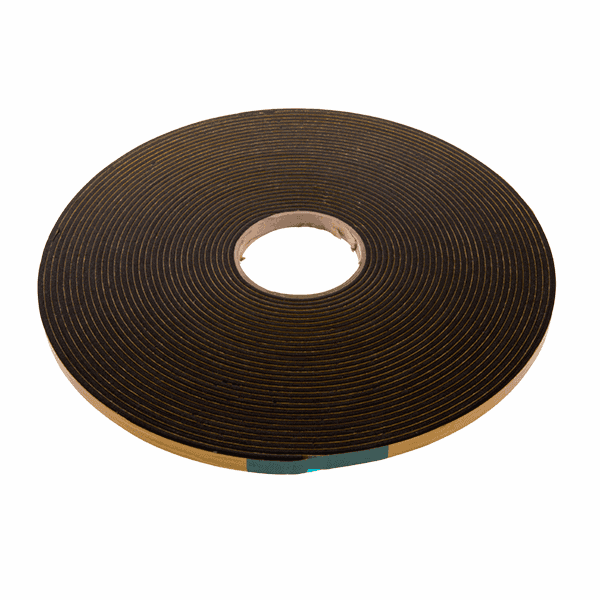
- Structural Glazing Tape - 20mm
- Security Glazing Tape
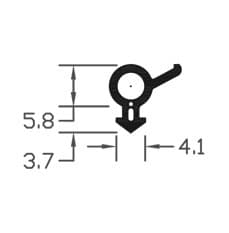
- B003 Bubble Gasket
Conclusion and next steps
Fitting a letter box in a uPVC door is straightforward when you plan the position, use the right tools and follow manufacturer templates. For most domestic doors a competent DIYer can complete the job safely; tradespeople should ensure robust reinforcement and security measures. Next steps: choose a letter box that meets your security and weatherproofing needs, order the kit and template from a reputable supplier, and if the door is fire-rated or part of a warranty, consult the door manufacturer or a specialist fitter. For further technical options and product choices visit our pillar page: /guides/letterboxes.
Products mentioned in this article
Related articles
Internal vs External Letterbox Draught Excluders: Which Works Better?
Internal vs External Letterbox Draught Excluders: Which Works Better? A letterbox is a small opening that can let in a disproportionate amount of cold air,...
How to Retrofit an Anti Arson Letterbox to an Existing Door
How to Retrofit an Anti Arson Letterbox to an Existing Door What is an anti arson letterbox and why retrofit one? An anti arson letterbox is a specialist l...
Letterbox Draught Excluder for Security: Added Protection
Letterbox Draught Excluder for Security: Added Protection A well-chosen letterbox draught excluder reduces heat loss and noise while contributing to a stro...