
Anti-Snap Cylinder Ratings: 1 Star vs 3 Star Security
Anti-Snap Cylinder Ratings: 1 Star vs 3 Star Security Choosing the right anti snap cylinder is one of the most effective, cost-efficient ways to reduce the...
Anti-Snap Cylinder Ratings: 1 Star vs 3 Star Security
Choosing the right anti snap cylinder is one of the most effective, cost-efficient ways to reduce the risk of forced entry via euro profile cylinders. Whether you are a homeowner fitting a replacement cylinder or a trade professional specifying locks for a project, understanding the differences between 1 star and 3 star rated cylinders helps you match security to risk and insurance requirements.
What is an anti snap cylinder and how does it work
An anti snap cylinder is a euro profile cylinder engineered to resist the common burglary method known as cylinder snapping. A typical anti snap design includes a sacrificial front section that breaks away if an attacker applies force; this prevents access to the internal mechanism and keeps the lock engaged. Additional security features often include hardened steel pins and anti-drill plates, an anti-pick cam, and reinforced bodies that resist pulling and drilling.
1 star versus 3 star: the practical differences
Star ratings commonly reference the TS 007 technical specification used in the UK to give a simple indication of a cylinder's protection level. Practical differences between a 1 star and 3 star anti snap cylinder include:
- Resistance level: 1 star provides basic resistance to snapping and some drilling; 3 star offers higher resistance to snapping, drilling, picking and bumping.
- Construction: 3 star cylinders typically include more hardened components, multiple anti-drill pins and a reinforced sacrificial section; 1 star cylinders usually have fewer hardened elements.
- Insurance and specification: many insurers and Secured by Design specifications require 3 star cylinders on external doors; 1 star may be acceptable for lower-risk internal doors or less exposed entrances.
- Cost: 3 star cylinders are more expensive; however, the additional cost is small compared with the cost of a break-in and potential insurance implications.
Where to use 1 star and where to use 3 star
Choosing between 1 star and 3 star should be based on location, type of door and insurance requirements. Use these practical guidelines:
- 3 star: recommended for front doors, back doors, side doors, and any external access points on ground-floor or easily reachable levels. Also specify 3 star for new builds and when insurance or Secured by Design certification is required.
- 1 star: acceptable for internal doors, garden sheds without windows, or areas where additional physical protections are present such as steel gates or robust alarmed enclosures.
- Special cases: for double-cylinder doors consider replacing the external double cylinder with a thumb-turn cylinder on the inside where appropriate; this may affect escape functionality so check fire and building regulations.
Practical trade advice: specifying and fitting anti snap cylinders
For installers and specifiers: always check the certificate and the manufacturer’s data sheet. Look for the TS 007 mark or explicit 3 star certification. Consider these trade tips:
- Match cylinder type: choose the correct cylinder configuration: double, thumb-turn, half or keyed alike depending on the door and client preference.
- Measure accurately: measure from the centre of the fixing screw to both ends to determine the correct length. A mis-sized cylinder will protrude and be vulnerable to attack.
- Complementary hardware: fit reinforced door furniture, handles with anti-drill plates, and a hardened escutcheon. A 3 star cylinder performs best when combined with strong door furniture and a multi-point lock.
- Test after fit: cycle the lock multiple times and check that the cam operates smoothly; verify that the door closes flush and the face of the cylinder does not protrude by more than a few millimetres.
- Record keeping: provide customers with certificates, part numbers and test evidence; this helps with insurance documentation and future maintenance.
DIY guidance: replacing an anti snap cylinder
For competent DIYers the replacement of a euro cylinder is straightforward. Typical steps are:
- Tools: screwdriver, tape measure, replacement cylinder with correct STAR rating and length, key for the existing cylinder.
- Measure first: with the existing cylinder in place measure from the centre of the fixing screw to both ends and order the matching length.
- Remove the fixing screw: open the door and locate the cylinder fixing screw on the edge of the door; remove it using a suitable screwdriver.
- Align cam and withdraw: insert the key and turn slightly to align the cam; while holding the key and cam position, pull the cylinder out gently.
- Fit new cylinder: insert the replacement anti snap cylinder until the cam engages, tighten the fixing screw and test operation with the key and any thumb-turn functions.
- Final checks: ensure the cylinder does not protrude and that multipoint locks operate correctly; if in doubt call a professional locksmith.
Common misinformation and what to watch for
It is common to see vendors claim "anti-snap" without certification. Always check for documented test evidence and the TS 007 or equivalent certification. Beware of cheap cylinders that include only a cosmetic sacrificial section; these may fail under real attack. Also do not assume that a high star rating removes the need for other security measures: strong doors, hinges with security studs and good overall installation are essential.
Additional security measures to combine with anti snap cylinders
To maximise security combine anti snap cylinders with:
- Reinforced door furniture and escutcheons that protect the cylinder ends;
- High-quality multipoint locking mechanisms;
- Hinge security: hinge bolts or security studs on outward-opening doors;
- Alarm systems and visible deterrents such as security lights or cameras;
- Secured by Design specifications for new projects where appropriate.
Recommended Products
Based on this article, you may find these products helpful:
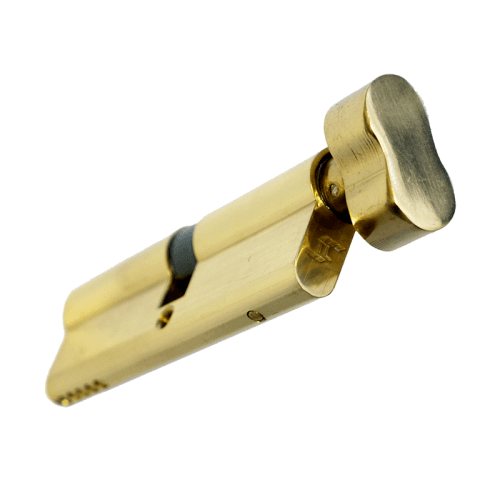
- TL Thumb Turn Euro Cylinder
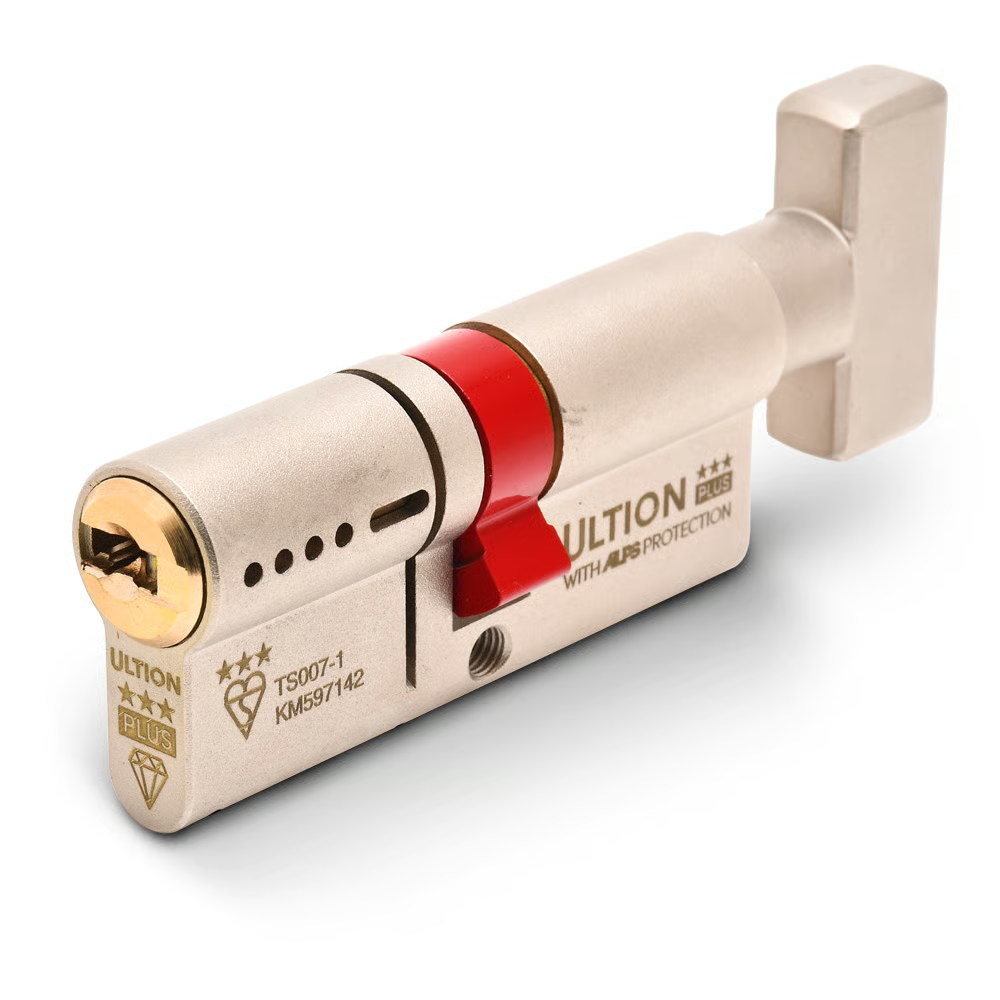
- Ultion Plus TS007 3* Kitemarked Euro Key & Turn Cylinder
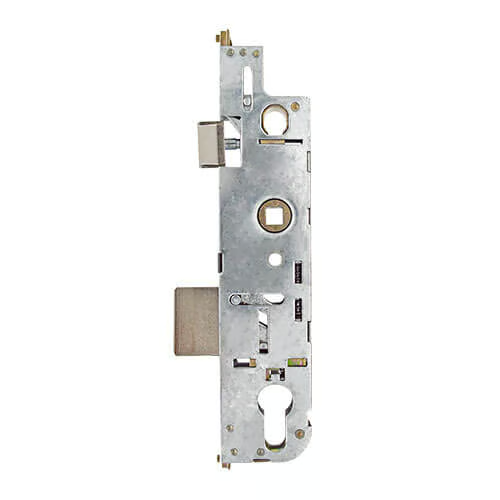
- Multipoint Gearbox GU Old Style
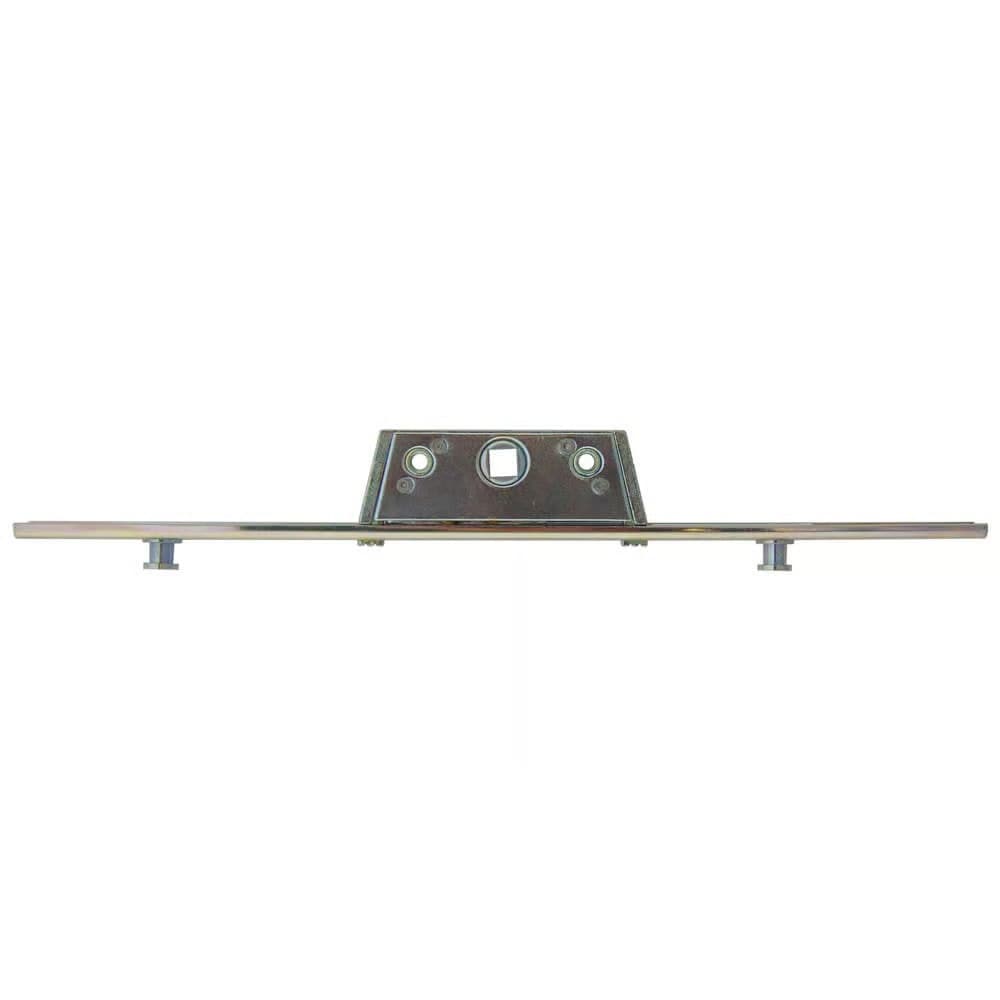
- In-Line Window Mechanism
- Offset Window Mechanism
Conclusion and next steps
Selecting the correct anti snap cylinder is both a practical and insurance-sensitive decision: use 3 star cylinders for exposed external doors and in locations where insurers or Secured by Design require higher protection; 1 star remains useful for low-risk or internal applications. For tradespeople, always specify certified products, measure accurately and fit complementary hardware. For DIYers, measure before you buy and follow safe removal and fitting steps; when unsure, engage a qualified locksmith.
Next steps: inspect your existing cylinders, check for TS 007 or 3 star certification, and if replacement is needed consult our pillar resource on euro cylinders for further technical detail: /c/locks-security. If you require specific product recommendations or on-site advice, contact your local Window Hardware Store trade representative.

Related articles
What Is a Thumb Turn Cylinder? Convenience vs Security
What Is a Thumb Turn Cylinder? Convenience vs Security What is a thumb turn cylinder? A thumb turn cylinder is a type of euro-profile lock cylinder that ha...
Thumb Turn Cylinder vs Panic Bar: Exit Options Compared
Thumb Turn Cylinder vs Panic Bar: Exit Options Compared examines two very different approaches to door egress and security. The thumb turn cylinder is a co...
Thumb Turn Cylinder Sizes: Finding the Right Length
Thumb Turn Cylinder Sizes: Finding the Right Length Choosing the correct thumb turn cylinder is vital for security, smooth operation and a neat finish on d...