
Anti-Snap Euro Cylinders: Why You Need One
Anti-Snap Euro Cylinders: Why You Need One If you have a uPVC, composite or timber door with a euro cylinder lock, upgrading to an anti-snap euro cylinder ...
Anti-Snap Euro Cylinders: Why You Need One
If you have a uPVC, composite or timber door with a euro cylinder lock, upgrading to an anti-snap euro cylinder is one of the most practical security improvements you can make: it reduces the risk of forced entry by snapping attacks and increases the chance your door will remain secure after an attempted break-in. This article explains how anti-snap cylinders work, what to look for, and practical DIY and trade advice for selecting and fitting the right product.
What is an anti-snap euro cylinder?
A euro cylinder lock is the common profile barrel used in many British doors and some patio windows. An anti-snap euro cylinder is a purpose-designed version of that barrel which resists the most common method of forced entry: cylinder snapping. Anti-snap cylinders typically include a sacrificial front section that breaks away at the outer face plate, leaving the core locked and the locking mechanism intact; hardened components to resist drilling; and security pins to reduce vulnerability to picking and bumping.
Why cylinder snapping matters
Attackers use basic tools such as pliers to snap weak euro cylinders at a predictable point close to the external face of the door. Once the front section is removed, they can manipulate the cam and operate the locking mechanism directly. A plain, non-security euro cylinder that protrudes beyond the furniture or that has no sacrificial zone can be snapped in seconds; the result is a fast and often undetected entry. An anti-snap euro cylinder prevents that simple attack or severely delays it, increasing the chance the intruder will be disturbed.
Key features to specify
- TS007 3-star accreditation: the industry gold standard for anti-snap performance. Look for products tested to this scheme; many professional installers and insurance policies expect it.
- Sold Secure Silver or Diamond where available: additional independent assurance for higher-risk sites.
- Anti-snap sacrificial section: a deliberately weaker front section which breaks away but leaves the inner core intact; verify the break point is designed to protect the cam.
- Anti-drill hardened pins and steel inserts: protect the core from drill attacks.
- Anti-pick and anti-bump security pins: reduce vulnerability to covert entry techniques.
- Minimal cylinder protrusion: the cylinder should be flush or protrude no more than 3 mm beyond the faceplate; excess projection greatly reduces security.
- Correct profile and length: available as single, double and thumbturn cylinders; ensure compatibility with your multipoint lock and furniture.
Practical DIY: how to measure and replace a euro cylinder lock
Replacing a cylinder is a straightforward job for a competent DIYer. You will need a screwdriver and the correct replacement cylinder. Follow these steps:
- Measure before ordering: with the existing cylinder in place, measure from the central fixing screw (in the door edge) to each end of the cylinder. Typical sizes are given as 35/35, 40/50 etc; the first number is the external length, the second the internal length. Always measure to the nearest millimetre.
- Note the type: determine whether you need a double cylinder, a thumbturn cylinder or an emergency cylinder for communal entrance doors.
- Remove the retaining screw: open the door and locate the long fixing screw on the edge of the door; remove it with a screwdriver while holding the key in the cylinder.
- Align the cam: insert the key and turn it slightly (usually about 10 to 15 degrees) to align the cam so the cylinder can slide out; pull gently to remove the old cylinder.
- Fit the new cylinder: insert the replacement so the cam aligns; replace the fixing screw and check the cylinder does not protrude excessively.
- Test operation: operate the key and any thumbturn several times; check the multipoint locking engages smoothly. Replace handles or furniture and retest.
Trade tip: when replacing, always ensure the cam is central when measuring; if the cam is off-centre the measured lengths will be wrong and the cylinder may bind or protrude. For high-volume work, carry a small set of common sizes and a finishing washer kit for minor adjustments.
Trade considerations and specifying for projects
For trade professionals specifying hardware on new installs and refurbishments, consider the following:
- Specify TS007 3-star for external doors as a minimum; some insurers and local authorities require it for new dwellings and certain tenures.
- Check compatibility with multipoint locks: not all cylinders suit every gearbox and handle set; confirm the cylinder cam type and number of cam rotations required.
- For flats and communal entrances: double cylinder configurations can impede escape. Use emergency or thumbturn cylinders where regulations and practicability require quick egress; confirm with building control for flats above ground floors.
- Consider upgrading the furniture: replacement of handles and fixings with reinforced, anti-drill escutcheons and cylinder guards complements the anti-snap cylinder; a cylinder alone is not always sufficient against a determined attack on the door furniture.
- Record the keying information: for master-keyed systems ensure the anti-snap cylinder can be keyed to your specification; some high-security cylinders come with restricted key profiles for controlled duplication.
Complementary security measures
Fit an anti-snap cylinder as part of a layered security approach. Useful complementary measures include reinforced escutcheons or cylinder guards; a robust multipoint lock; door reinforcement plates; and visible deterrents such as external lighting and CCTV. For sliding patio doors and windows that use euro-style cylinders, use secondary locking devices and ensure glazing and frames are secure.
Common pitfalls to avoid
- Buying the wrong length: a cylinder that protrudes puts its anti-snap features at risk; always measure accurately.
- Assuming all anti-snap products are equal: check independent accreditations more robust than marketing claims.
- Neglecting associated hardware: cheap handles and poorly fitted escutcheons can negate the benefit of a quality cylinder.
- Overlooking fire escape requirements: choose thumbturn or emergency access options where occupant safety dictates.
Recommended Products
Based on this article, you may find these products helpful:
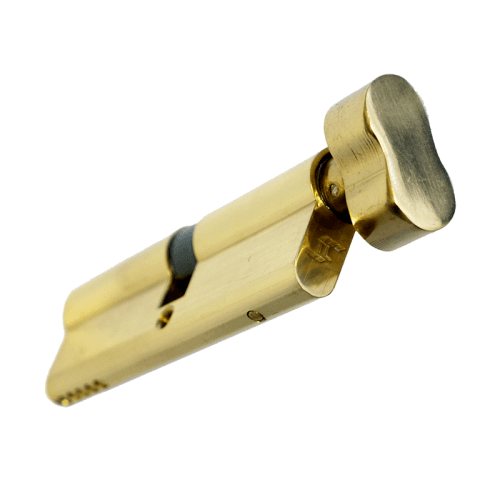
- TL Thumb Turn Euro Cylinder
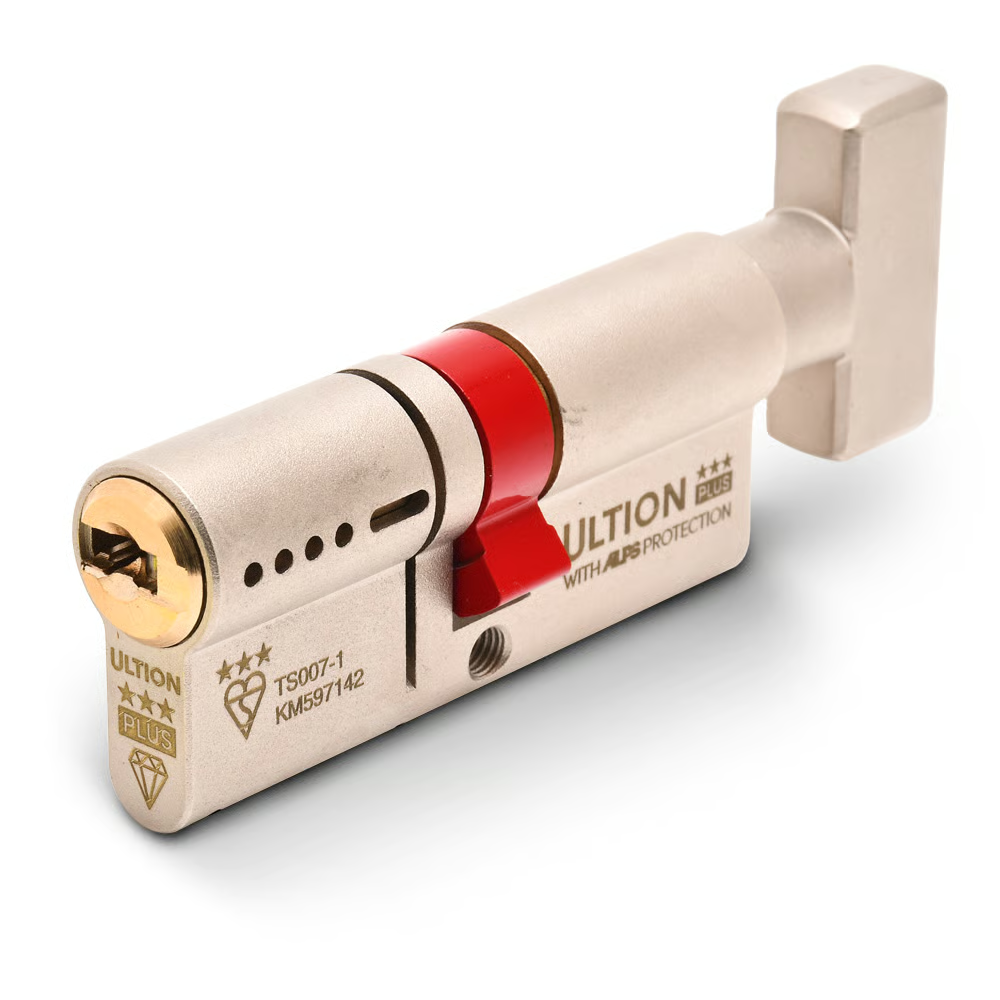
- Ultion Plus TS007 3* Kitemarked Euro Key & Turn Cylinder
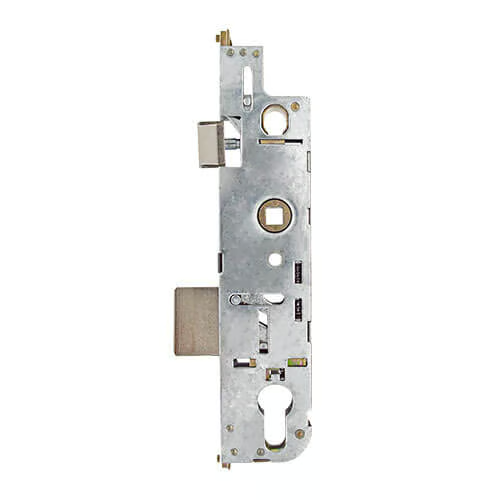
- Multipoint Gearbox GU Old Style
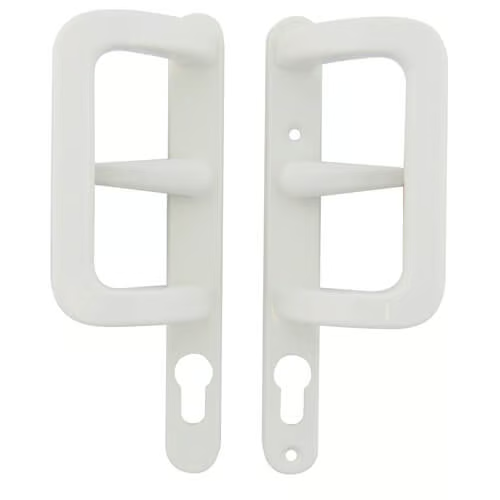
- Patio Door Handle Set - 92PZ White
- Winlock Patio Door Handle Set
Conclusion and next steps
Fitting an anti-snap euro cylinder is a cost-effective way to improve door security for homeowners and professionals alike. Choose cylinders with recognised accreditations such as TS007 3-star; measure accurately for the correct length; and pair the cylinder with reinforced furniture and appropriate multipoint locks. For professional specifications and more detailed technical information, consult our dedicated pillar content on euro cylinder locks at /c/locks-security.
Next steps: measure your existing cylinder, check the protrusion and accreditation, and decide whether a thumbturn or double cylinder best suits the property. If unsure, contact a qualified locksmith or our trade support team for site-specific advice and recommended products.
Related articles
What Is a Thumb Turn Cylinder? Convenience vs Security
What Is a Thumb Turn Cylinder? Convenience vs Security What is a thumb turn cylinder? A thumb turn cylinder is a type of euro-profile lock cylinder that ha...
Thumb Turn Cylinder vs Panic Bar: Exit Options Compared
Thumb Turn Cylinder vs Panic Bar: Exit Options Compared examines two very different approaches to door egress and security. The thumb turn cylinder is a co...
Thumb Turn Cylinder Sizes: Finding the Right Length
Thumb Turn Cylinder Sizes: Finding the Right Length Choosing the correct thumb turn cylinder is vital for security, smooth operation and a neat finish on d...