
Best Anti Arson Letterboxes in the UK: Top Security Picks
Best Anti Arson Letterboxes in the UK: Top Security Picks An anti arson letterbox is a specialised letterplate designed to reduce the risk of fire and smok...
Best Anti Arson Letterboxes in the UK: Top Security Picks
An anti arson letterbox is a specialised letterplate designed to reduce the risk of fire and smoke entering a property through the mail slot. For homeowners and trade professionals in the UK, selecting the correct product means balancing fire performance, security and practicality. This article outlines what to look for, the main product types, installation tips and ongoing maintenance advice.
Why choose an anti arson letterbox?
Letterboxes are a recognised point of vulnerability for both burglary and deliberate ignition. An ignited object pushed through a standard slot can introduce flame, heat and smoke directly into a hallway; smoke in particular can spread rapidly and cause harm before occupants are aware. An anti arson letterbox reduces these risks by using non-combustible materials, fire-resistant barriers and smoke-sealing features. For flats, communal blocks and high-risk properties, an anti arson solution can be a cost-effective part of a wider passive fire protection strategy.
Key features to look for
- Fire-resistant flap and baffle: a self-closing outer flap combined with an internal fire baffle or box prevents flame penetration and helps contain heat.
- Intumescent and smoke seals: intumescent strips expand when exposed to heat to seal the aperture; brush or smoke seals help limit smoke ingress at normal room temperatures.
- Non-combustible construction: stainless steel or galvanised steel plates and internal boxes are preferred; plastics and timber should be avoided on the fire-exposed face.
- Independent fire testing: look for products tested to recognised standards relevant to doors and hardware; suppliers should provide test certification or classification details.
- Secure fixings and anti-vandal features: countersunk, tamper-resistant screws and reinforced mounting plates reduce the risk of forced removal.
- Internal locked collection box option: for through-the-wall installations, a secure internal box prevents unauthorised access to mail while maintaining fire performance.
- Compatibility with door type: ensure the unit is suitable for timber, composite, aluminium or steel doors and that the door manufacturer’s warranty is preserved.
Top security picks and product types
Rather than naming specific manufacturers, focus on the product types that perform well across most installations. Trade professionals will find these categories useful when specifying to clients:
- Fire-rated through-the-door letterplate with internal baffle: ideal for domestic doors where minimal alteration is required; offers a compact solution with good fire and smoke resistance.
- Recessed stainless steel wall box: used in communal or converted properties where the post runs through an external wall; provides a larger internal volume and robust fire protection.
- Anti-vandal exterior plate with internal secure box: combines a heavy-duty external plate with an internal lockable box for high-security needs; suitable for ground-floor flats and commercial premises.
- High-capacity internal collector units: for businesses or high-mail households, choose an internal collector with fire-rated membranes and a lockable front access panel.
Selecting the right type depends on the property: terraced houses often suit door-mounted fire-rated plates; flats with communal entrances should consider through-the-wall boxes to prevent tampering from the communal corridor.
Installation and DIY guidance for trades and homeowners
Installing an anti arson letterbox is straightforward for experienced tradespeople but requires care to preserve fire integrity. Homeowners attempting a DIY fit should assess their skills and the door material before starting. Key steps and tips:
- Check compatibility: verify the letterbox is suitable for the door material and thickness; some products have maximum/minimum door thickness ranges.
- Measure twice: carefully mark the aperture position; ensure the internal collection box or baffle clears any internal mouldings or reinforcement cavities.
- Use appropriate tools: timber doors can be cut with a jigsaw and plunge saw; metal or steel doors may need specialist cutting tools and will often be better handled by a tradesperson.
- Fit intumescent seals and mastic: apply intumescent strips and a bead of fire-rated mastic around the backbox to maintain the fire barrier and reduce smoke leakage.
- Secure fixings: use the manufacturer’s recommended tamper-resistant screws and torque settings; over-tightening can warp plates and under-tightening can allow movement.
- Test operation: ensure the outer flap self-closes, the internal baffle deploys correctly and any brushes or seals are not obstructed by paint or debris.
- PPE and safety: wear eye protection and gloves; when working with external walls, be aware of hidden services such as cables or pipes.
For fire-rated doors or where the door forms part of a certified fire door assembly, consult the door manufacturer or a competent installer; modifying a certified fire door without approval can invalidate its rating.
Maintenance and routine checks
Anti arson letterboxes require simple maintenance to ensure ongoing performance:
- Inspect seals and intumescent strips annually; replace if compressed, damaged or degraded.
- Clean brush seals and hinges to prevent build-up of dirt that might prevent full closure.
- Check fixings for corrosion in coastal locations; use stainless fasteners where specified.
- Test the self-closing mechanism regularly and lubricate moving parts with a non-combustible lubricant approved for door hardware.
- Record maintenance for communal properties; insurers and building managers may request evidence of upkeep.
Compliance and pairing with other door hardware
When specifying an anti arson letterbox, consider the wider door and glazing arrangement. Pair the letterbox with appropriate security measures: multi-point locking, reinforced strike plates, anti-snap cylinders where required and laminated glazing or obscure glass in nearby panels. Check any product documentation for fire test references and ensure that any changes to a fire door assembly do not invalidate the door’s certification. Where insurer or building regulations apply, request written confirmation from the manufacturer that the chosen letterbox meets the required performance levels.
Recommended Products
Based on this article, you may find these products helpful:
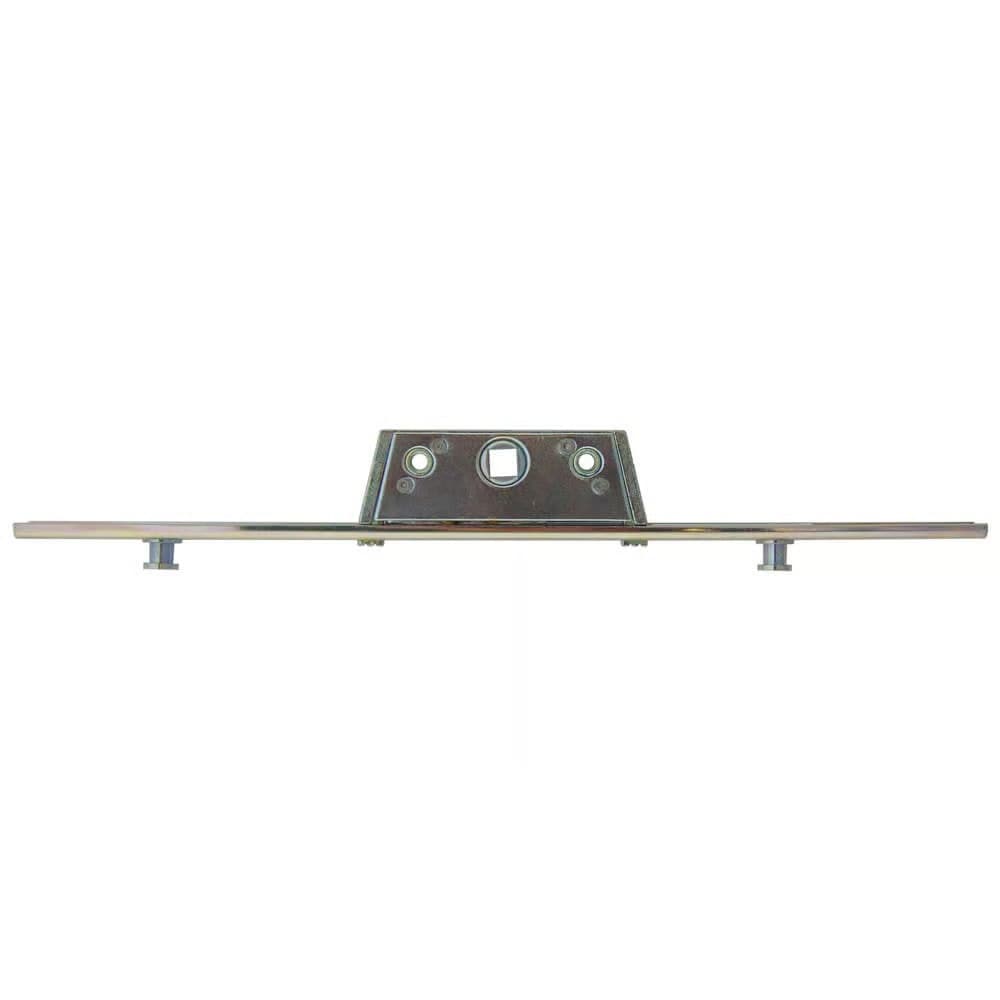
- In-Line Window Mechanism
- Offset Window Mechanism
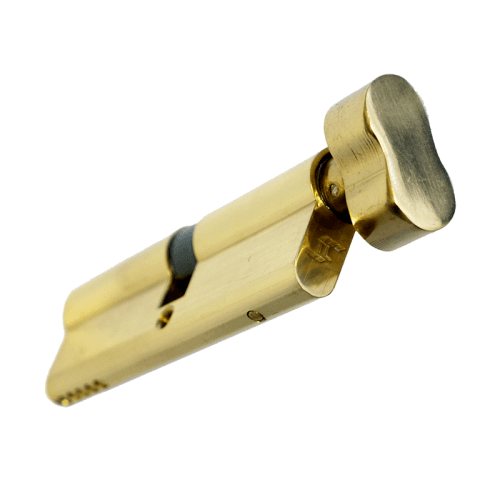
- TL Thumb Turn Euro Cylinder
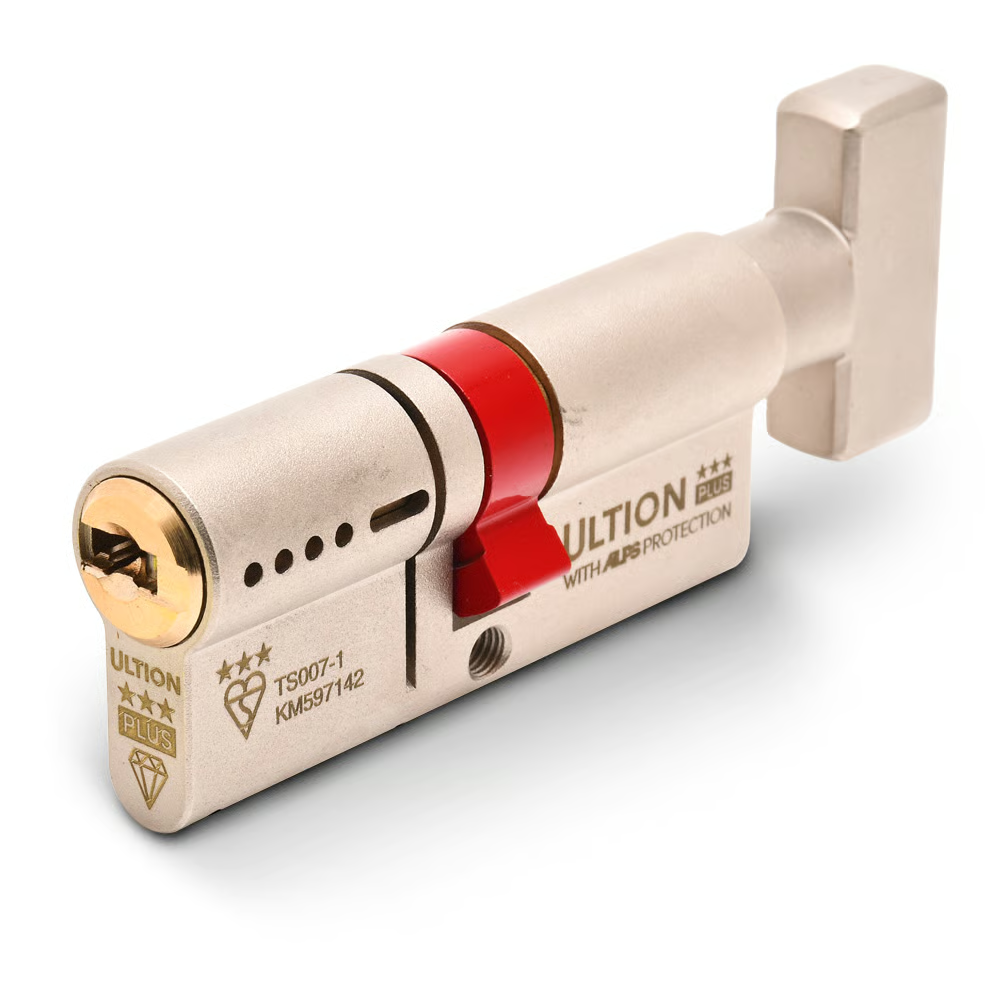
- Ultion Plus TS007 3* Kitemarked Euro Key & Turn Cylinder
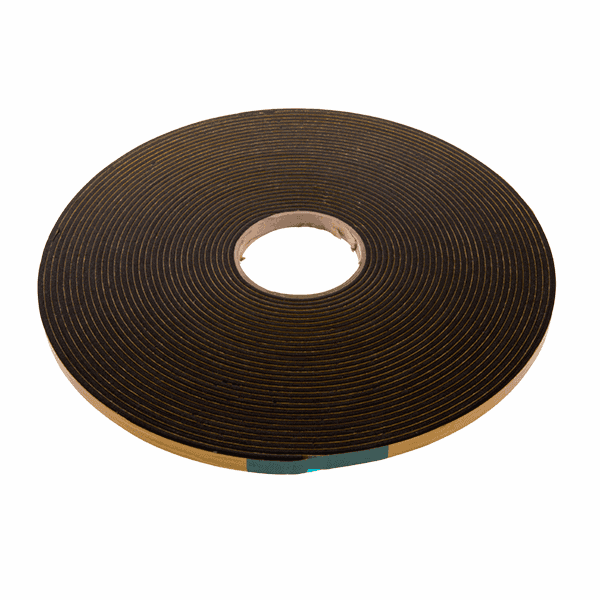
- Structural Glazing Tape - 20mm
Conclusion and next steps
Choosing an anti arson letterbox improves both fire safety and security when the correct product is specified and correctly installed. For homeowners: assess your property type, select a stainless-steel or fire-rated unit with intumescent sealing and consider professional installation for metal doors. For trade professionals: specify test-certified products, follow manufacturer fitting instructions and document maintenance for clients. For more technical detail and product selection advice, visit our pillar resources at /c/letter-boxes or contact Window Hardware Store for tailored recommendations and trade pricing.

Related articles
Internal vs External Letterbox Draught Excluders: Which Works Better?
Internal vs External Letterbox Draught Excluders: Which Works Better? A letterbox is a small opening that can let in a disproportionate amount of cold air,...
How to Retrofit an Anti Arson Letterbox to an Existing Door
How to Retrofit an Anti Arson Letterbox to an Existing Door What is an anti arson letterbox and why retrofit one? An anti arson letterbox is a specialist l...
Letterbox Draught Excluder for Security: Added Protection
Letterbox Draught Excluder for Security: Added Protection A well-chosen letterbox draught excluder reduces heat loss and noise while contributing to a stro...