
Best Cat Flaps for Large Cats: Our Top Picks for 2026
Best Cat Flaps for Large Cats: Our Top Picks for 2026 Choosing a suitable cat flap for a large cat involves more than selecting the biggest aperture. For U...
Best Cat Flaps for Large Cats: Our Top Picks for 2026
Choosing a suitable cat flap for a large cat involves more than selecting the biggest aperture. For UK homeowners and trade professionals working on installations in timber, UPVC, composite and aluminium doors or double-glazed units, the right product and fitting method will preserve security, thermal performance and the door or window warranty. This post highlights practical options for 2026, offers DIY and trade installation guidance, and links back to our wider resources: /guides/pet-flaps.
What to consider when buying a cat flap for large cats
- Size of the aperture: measure your cat across the shoulders and chest when standing. For large breeds and chunky moggies aim for a flap aperture at least 170mm high and 170mm wide; many large models offer 190–210mm widths for very big cats.
- Weight and robustness: heavy-duty frames in aluminium or reinforced plastics prevent deformation from repeated use. Check hinge and flap pivot construction for longevity.
- Locking and selective entry: mechanical four-way locks, strong magnetic latches and microchip-controlled units are options. For multi-cat households where you want selective entry, microchip or RFID units are best.
- Weatherproofing and draught control: seals and brush strips reduce heat loss; look for flaps with tight compression seals, and consider insulation panels if fitting into a thin panel door.
- Compatibility with door hardware: composite doors and UPVC doors can contain steel reinforcement or multi-point locking; avoid cutting through structural elements and check manufacturer guidance.
- Glazing and safety: if fitting into a glazed panel, replace the sealed unit with a pre-cut glass assembly to maintain insulation and safety; do not attempt to cut double glazing yourself unless qualified.
Top categories and recommended uses
- Large mechanical flaps with reinforced frame: Best for trade installs where security and durability are priorities. Use in timber or composite panels that can take routed openings. Pros: simple to maintain; no power required. Cons: no selective entry unless combined with a lock.
- Microchip-controlled electronic flaps: Ideal for selective entry and busy streets; many models support multiple chips and adjustable reading distance. Pros: prevents stray animals; programmable. Cons: batteries must be replaced; mains versions require safe conduit work and IP-rated cabling for external connection.
- Magnetic-locking flaps: Good compromise for security while keeping the simplicity of a mechanical flap. Pros: strong closure; energy-free. Cons: magnets can reduce ease of use for elderly cats or those with mobility issues.
- Glass-fit tunnel flaps and DGU replacements: For modern glazed doors and panels replace the sealed unit with a factory-modified double-glazed unit that includes a tunnel and flap. Pros: retains U-value and aesthetics. Cons: requires glazing contractor; higher cost but preserves insulation and warranty.
DIY and trade installation guidance
Preparation and assessment are key. For both DIYers and trade professionals, follow these steps and best practices:
- Measure the cat: get width at the shoulders and height while standing. Add 20–30mm clearance on all sides for comfort and to prevent rubbing.
- Choose the right location: avoid blocks that interfere with multipoint locks, hinges and reinforcement members. For external doors position the bottom of the flap so the cat can step through comfortably; for many large cats the bottom edge will sit 75–120mm above the finished external threshold but always test with the actual cat.
- Check door construction: remove trims to inspect for steel or aluminium reinforcement. For UPVC doors, you may encounter a steel chassis; either remove the reinforcement locally and replace with a suitable support plate or use a flap designed to fit through reinforced panels.
- Routing and cutting: use a jigsaw with a fine-tooth blade for timber and composite panels; drill pilot holes at internal corners. For aluminium, use a fine-toothed metal-cutting blade and de-burr edges; consider a trade-grade circular saw with an aluminium blade. For timber doors a plunge router gives the cleanest finish for recessing frames.
- Sealing and insulation: fit the supplied rubber seals and apply neutral-cure silicone around external trims. If the door panel is thin, add an insulation pack or foam block behind the frame to prevent rattles and heat loss.
- Glazed panels: never cut double glazing on site unless you are a qualified glazier. Arrange for the sealed unit to be remade with the aperture factory-cut and toughened safety glass; the existing frame and bead arrangement can be reused where possible.
- Electrical connections: for microchip or motorised flaps, use a low-voltage DC supply where possible. If using mains, route a hidden conduit back to a fused spur and ensure any external wiring is IP-rated; observe local regulations and use a qualified electrician for mains work.
- Final checks: ensure the flap does not bind, check seal compression, test locks, and observe the cat using the flap to confirm placement and ease of use.
Trade tips for installers
- Offer a site survey to confirm door construction and plan reinforcement or panel replacement; include the cost of a DGU replacement where relevant.
- Stock a selection of large apertures and aluminium-framed flaps for quick installs; these sell well for larger breeds and multi-cat homes.
- Document any modification to multipoint locking; if you alter a door affecting the lock keep the customer informed and offer a door check to maintain security.
- Provide a simple handover sheet for owners covering battery replacement, cleaning and how to train their cat to use the flap.
Brief product selection checklist
- Minimum aperture: 170 x 170mm for most large cats; consider 190–210mm for very large breeds.
- Frame material: aluminium or reinforced polymer for long life.
- Locking: microchip or magnetic locks for selective entry; mechanical four-way for simple security.
- Power: battery for easy retrofit; mains for permanent power where heavy use is anticipated.
- Glazing: use factory-modified sealed units for glazed installations to preserve thermal performance.
Recommended Products
Based on this article, you may find these products helpful:
- Structural Glazing Tape - 20mm
- Security Glazing Tape
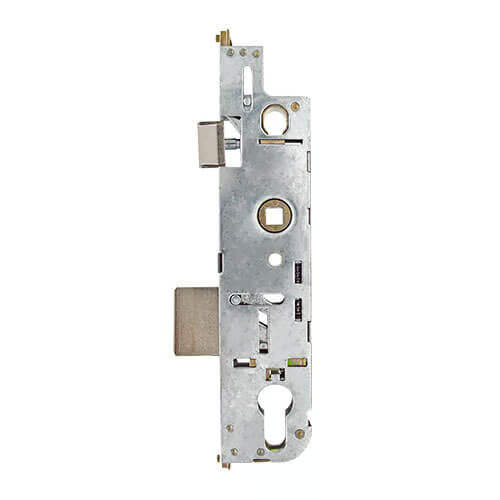
- Multipoint Gearbox GU Old Style
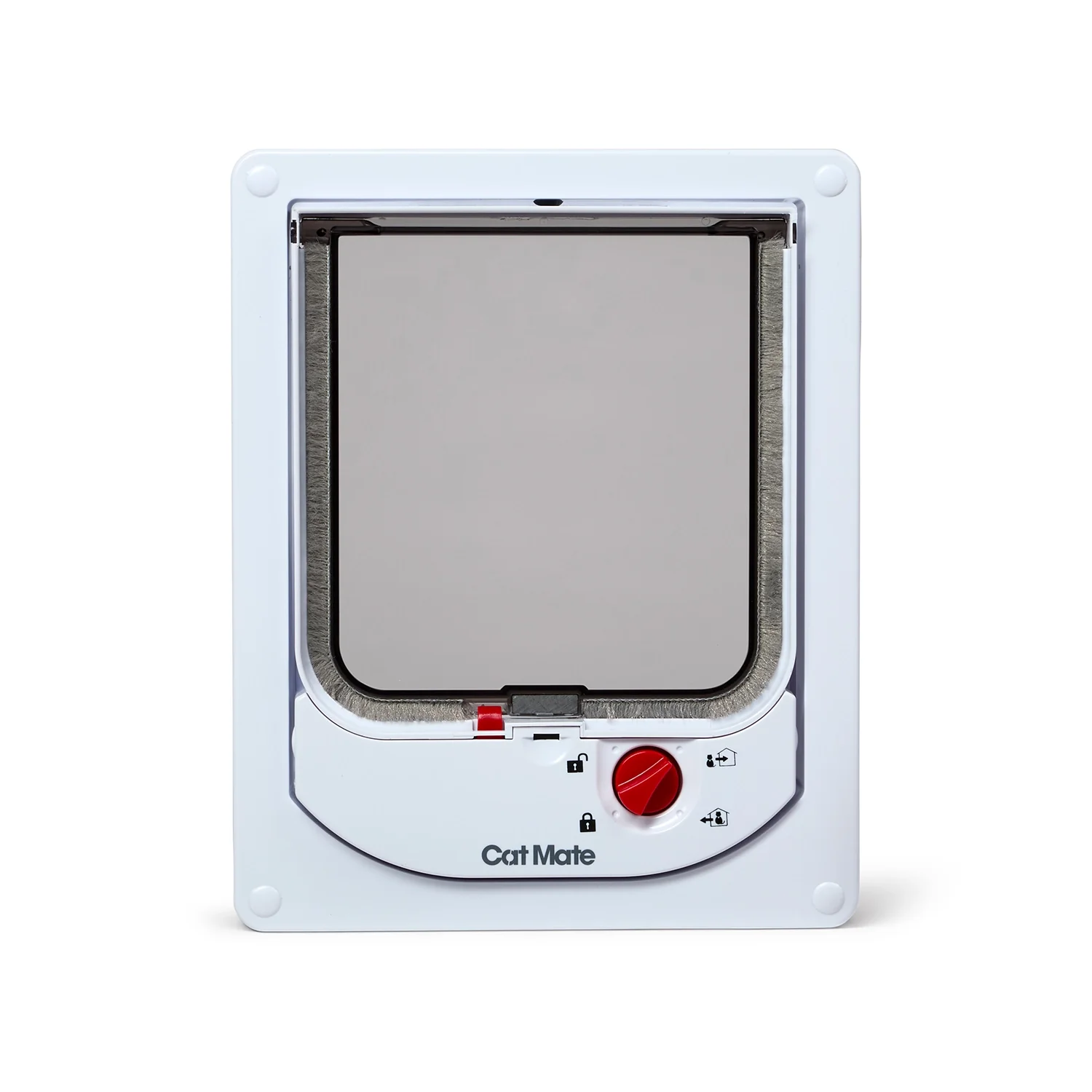
- Cat Mate Electromagnetic Cat Flap
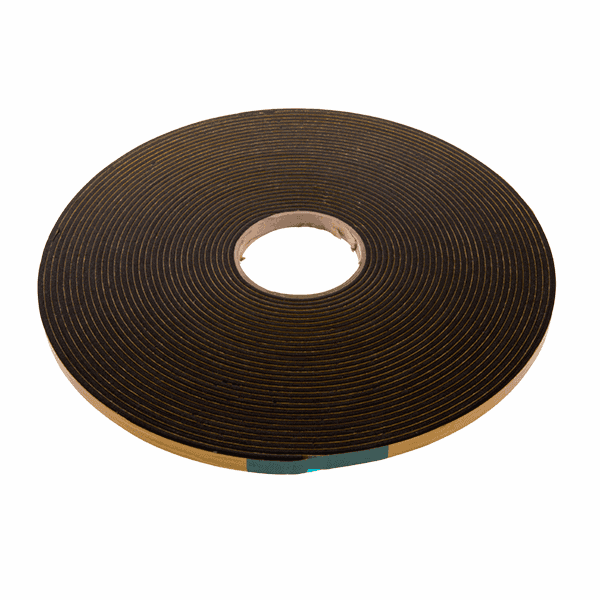
- E-Type Gasket - Black 5m Roll
Conclusion and next steps
Select a cat flap that matches your cat's dimensions, the door or window construction and your security needs. For tradespeople, carry out a site survey to determine reinforcement and glazing requirements; for DIYers follow the routing and sealing guidance above and call a glazier or electrician where appropriate. For more in-depth product comparisons and fitting templates see our pet flap hub at /guides/pet-flaps. If you would like a quote for supply and fit, contact our trade team with door type and measurements and we will recommend suitable large cat flaps for 2026.
Products mentioned in this article
Related articles
Replacing uPVC Door Panels with Cat Flap Panels: A Cleaner Solution
Replacing a uPVC door panel with a purpose-made cat flap panel is a practical way to give pets easier access while keeping the rest of the door intact. Whe...
Rented Property Cat Flap Options: What Landlords Need to Know
Rented Property Cat Flap Options: What Landlords Need to Know Installing a cat flap in a rented property can improve tenant satisfaction but it raises ques...
Dog Flap Insulation: Preventing Heat Loss Through Larger Pet Doors
Dog Flap Insulation: Preventing Heat Loss Through Larger Pet Doors Large dog flaps are convenient for owners and pets, but they create a significant therma...