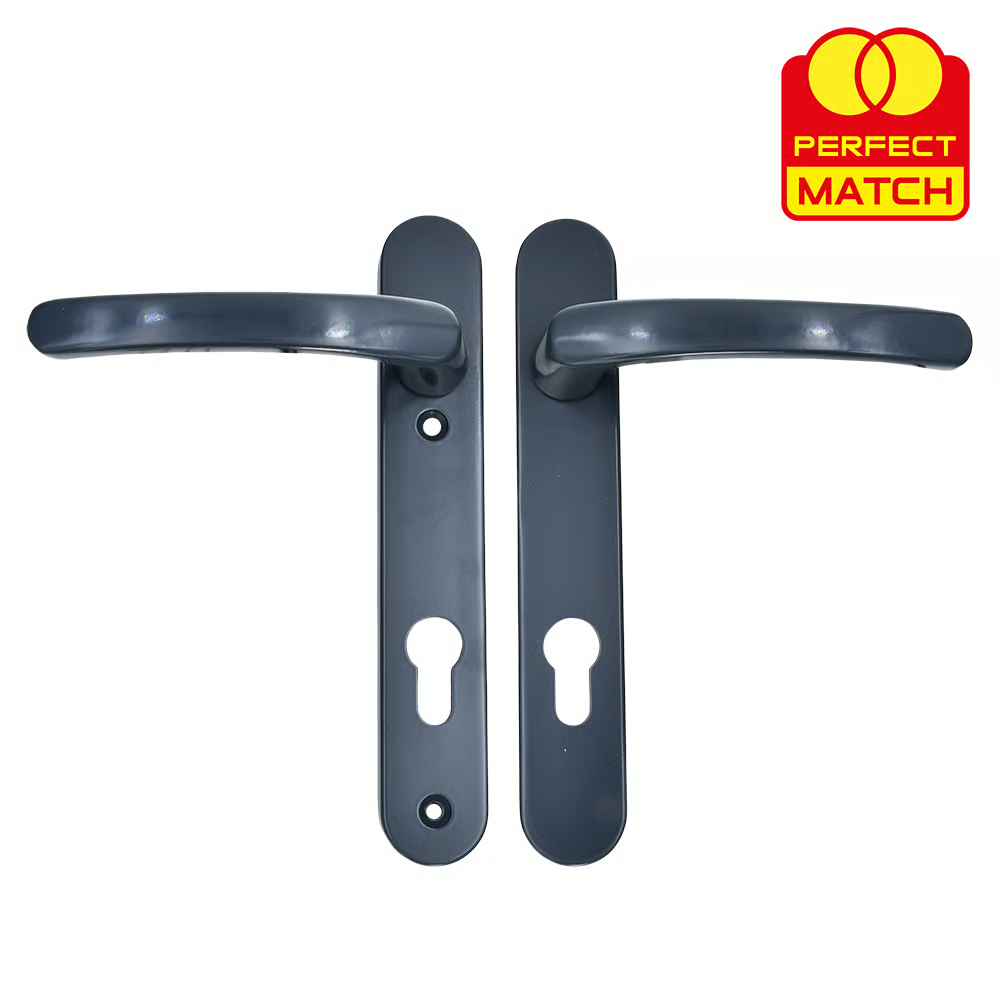
Best Composite Door Handles: Top Picks for 2026
Choosing the right composite door handle can make a big difference to the appearance, performance and security of an entrance. For tradespeople and DIY enthusiasts in the UK, understanding the differe...
Choosing the right composite door handle can make a big difference to the appearance, performance and security of an entrance. For tradespeople and DIY enthusiasts in the UK, understanding the differences between styles, materials and locking compatibility is essential when specifying or fitting hardware. This guide outlines the best composite door handle options for 2026 and offers practical advice on selection, installation and maintenance.
Why composite door handle selection matters
A composite door handle is not just an aesthetic accessory; it affects usability, durability and security. Composite doors are heavier than standard timber or uPVC doors, so the handle and its fixings must tolerate higher stresses. Choosing the correct composite door handle ensures smooth operation, long service life and compatibility with multi-point locking systems.
Key factors to consider when choosing a composite door handle
Before selecting a composite door handle, assess these practical aspects on the job or at home:
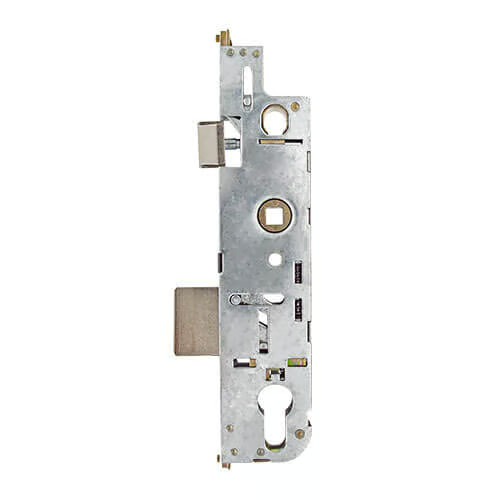
- Compatibility with the door’s multipoint lock: check backset and spindle length.
- Material and finish: corrosion-resistant materials such as stainless steel, aluminium and high-grade zinc alloys are standard.
- Fixing method: surface-fix or through-bolt fixings; for composite doors through-bolts often provide superior strength.
- Handing and reversible designs: reversible composite door handle models reduce ordering errors.
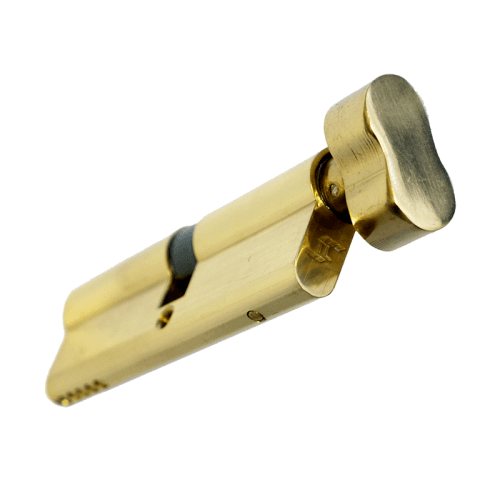
- Security features: anti-snap and anti-drill properties where applicable, particularly for cylinder handles.
- Weather performance: handles with robust seals and corrosion-resistant coatings for coastal or exposed sites.
Top styles and finishes for 2026
Design trends and practical requirements guide the choice of composite door handle style. Popular options for 2026 include:
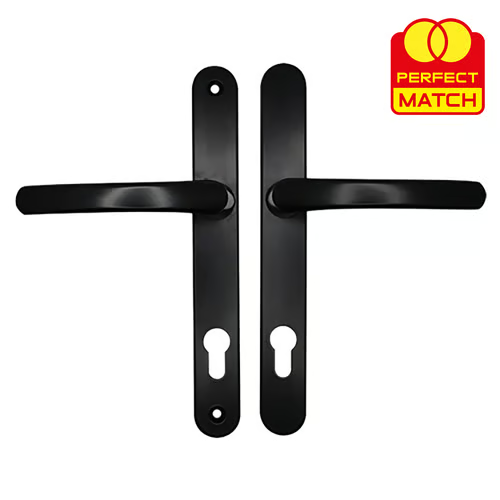
- Lever/lever: common for residential composite doors; provides easy operation for users of all ages.
- Lever/pad: preferred where latch-only operation upstairs is needed or when separating external and internal furniture.
- Backplate handles: offer a classic look and provide more weather protection around the lock area.
- Cranked handles: used to accommodate different lock centres or rebated doors.
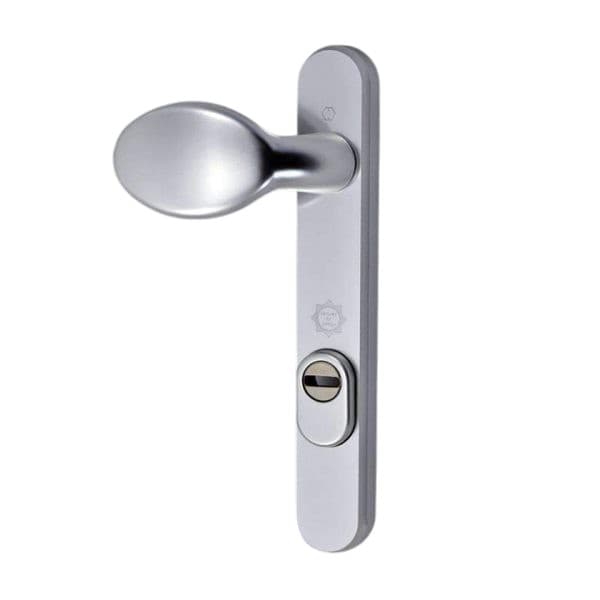
- Contemporary tubular pulls: often used with multipoint locks that use separate knuckles; combine sleek looks with robust performance.
Finish choices that remain popular include stainless steel, satin chrome, black and gold-effect finishes; choose marine-grade finishes for coastal installations.
Best composite door handle materials for longevity
Material choice has a direct impact on life expectancy and maintenance. Consider the following materials when specifying a composite door handle:
- Stainless steel: excellent corrosion resistance and strength; ideal for busy entrances and coastal locations.
- Aluminium: lightweight and corrosion resistant; anodised or powder-coated options provide long-lasting finishes.
- Zinc alloys: cost-effective and versatile; ensure the alloy is of high grade and plated correctly for weather resistance.
- Brass: traditional appearance and good durability when lacquered or maintained; choose solid brass where possible to avoid plating wear.
Installation tips for tradespeople and experienced DIYers
Fitting a composite door handle correctly reduces callbacks and improves customer satisfaction. Follow these practical steps:
- Confirm lock compatibility: measure the backset, spindle size and centre distance before ordering the composite door handle.
- Use the correct fixings: through-bolts into the door core give a solid connection; avoid relying on faceplate screws alone.
- Align the handle and spindle accurately: misalignment causes wear and operational issues; use a spirit level and a square when marking holes.
- Torque settings: hand-tighten fixings, then follow manufacturer torque guidance to avoid crushing seals or dislodging internal hardware.
- Check multipoint engagement: operate the lock to ensure full throw of hooks and bolts without binding; adjust keeps if necessary.
- Weatherproofing: seal around the spindle aperture and backplate base where required to prevent water ingress into the door core.
Maintenance and troubleshooting
Regular checks help maintain a composite door handle’s performance. Recommend the following maintenance to customers:
- Lubricate moving parts annually with a dry lubricant or light machine oil; avoid heavy grease that attracts dirt.
- Tighten fixings every year; handle screws can work loose through repeated use.
- Inspect finishes for corrosion or wear; touch up powder-coats or replace plated handles showing degradation.
- If the composite door handle feels stiff or binding occurs, check rod alignment, spindle wear and multipoint lock adjustment.
Choosing the right composite door handle for different customers
Different properties and users require different solutions. Use this guide to recommend the best composite door handle for common scenarios:
- High-traffic properties: stainless steel lever/lever handles with through-bolts for longevity and strength.
- Heritage or period aesthetics: solid brass backplate handles with protective lacquer; ensure modern multipoint compatibility.
- Coastal locations: marine-grade stainless or anodised aluminium with robust seals and appropriate fixings.
- Accessible homes: lever handles or D-pulls that meet accessibility guidelines for ease of use.
Choosing the right composite door handle requires balancing security, durability and aesthetics. Tradespeople should measure carefully, specify materials suited to the environment and use correct fixings to ensure long-term performance. DIY customers benefit from selecting reversible, easy-fit handles and following manufacturer fitting instructions to avoid issues.
Conclusion: A well-specified composite door handle improves the appearance and security of a composite door while reducing maintenance and call-backs. For 2026, focus on robust materials, correct lock compatibility and appropriate finishes to match the installation environment. Whether you are a trade professional or an informed DIYer, understanding these practical considerations will help you choose the best composite door handle for the job.
Recommended Products
Based on this article, you may find these products helpful:
Part of our guide:
Complete Guide to Door Handles