
Best Letterbox Draught Excluders: Brush, Flap and Cover Options
Best Letterbox Draught Excluders: Brush, Flap and Cover Options A correctly chosen letterbox draught excluder prevents cold air, rain, dust and noise from ...
Best Letterbox Draught Excluders: Brush, Flap and Cover Options
A correctly chosen letterbox draught excluder prevents cold air, rain, dust and noise from entering through the mail slot while preserving security and appearance. Whether you are a UK homeowner upgrading an external door or a trade professional fitting multiple properties, understanding brush, flap and cover solutions helps you specify the best option for performance, durability and compliance.
Why a dedicated letterbox draught excluder matters
Letterboxes are a common weak point in a door's thermal and acoustic performance. Even small gaps cause heat loss and allow wind-driven rain to penetrate. A purpose-built letterbox draught excluder reduces convective air movement and noise transfer; it also helps keep properties dry and prevents pests. For external and fire-rated doors, the right system also meets safety and regulatory requirements.
Brush excluders: robust, flexible and low-profile
Brush excluders use a strip of dense filaments fixed to a metal or plastic carrier. They work well where the gap under or around a letterplate needs continuous contact to block airflow while allowing the flap to operate freely.
- Construction: aluminium or stainless backing with nylon or polypropylene filament. UV-stabilised filaments tolerate weather exposure.
- Applications: surface-mounted to the inside of the letterplate, fixed beneath the internal flap or applied to the door face around the aperture. Also useful on cheek mounts for recessed letterboxes.
- Trade advice: specify pile height to match gap; 8 to 12 mm is common for letterboxes. Use corrosion-resistant fixings for external doors and consider screw-retained carriers for easy replacement on site.
- DIY tips: measure aperture depth and door reveal; cut aluminium carrier with hacksaw, trim brush with heavy-duty scissors; pre-drill pilot holes to avoid splitting timber or lifting UPVC skins.
Flap excluders: seals that sit with the letterplate
Flap-based draught excluders combine a hinged letterplate with an integrated seal. Seals are typically foam, rubber or sprung-edge strips that compress against the frame or inner stop when closed, providing a neat finish and strong weatherproofing.
- Types: single flap with foam gasket; double-flap designs for extra insulation; spring-loaded flaps that close flush against seals for better draught resistance.
- Advantages: better aesthetic finish; simpler to fit as a replacement plate; effective at blocking wind, rain and insects.
- Trade advice: check that the replacement plate aligns with existing screw centres; for metal or composite doors use the manufacturer-approved fixings and avoid over-tightening which can distort seals.
- DIY tips: remove old plate, clean the door surface and use a silicone bead to seal behind the new plate where recommended; ensure the flap clears internal trims and letter cages.
Covers and internal mailboxes: full enclosure solutions
Where maximum insulation or security is required, consider an internal cover box or mail cowl. These create a secondary barrier inside the property, trapping mail in an insulated box rather than letting it fall into the hallway.
- Options: internal letterbox covers, full-height mailboxes, anti-fishing cages and insulated letterbox cows for external fitment.
- Benefits: improved thermal performance, better sound attenuation and enhanced anti-fishing security. Internal boxes are ideal for flats where draft reduction is a priority.
- Trade advice: ensure adequate fixings into plasterboard or masonry; for retrofit to thin walls use chemical anchors or toggles. Space behind skirting should be checked for mountings.
Choosing the right letterbox draught excluder for the job
Selecting the correct product depends on door material, location and regulatory requirements. Key considerations include:
- Door type: timber, composite, metal or UPVC each require different fixings and cutting techniques. For UPVC and composite doors, follow manufacturer guidance to avoid invalidating warranties.
- External vs internal: external letterplates should be corrosion-resistant and have robust seals; internal excluders focus on thermal and acoustic performance.
- Fire doors: never fit a standard letterbox to a fire door. Use purpose-made fire-rated letterplates with intumescent seals and certified fixings; consult the fire door manufacturer or a qualified installer.
- Security: choose anti-fishing plates or cages where theft risk exists; consider lockable or spring-loaded closures in high-risk locations.
Installation tips for tradespeople and DIYers
Correct installation is crucial to performance. Follow these technical tips:
- Preparation: measure aperture and check the door thickness and material. For replacement plates, confirm screw centres match existing holes; for new cut-outs refer to manufacturer templates.
- Fixings: use stainless steel or coated screws for external use; for masonry walls use appropriate wall plugs or rawlbolts. For timber, use sharp countersunk timber screws; for metal doors use self-tapping screws or rivets as specified.
- Sealing: use a suitable external-grade silicone between plate and door to prevent water ingress. For internal seals use closed-cell foam or neoprene strips that will not absorb moisture.
- Adjustment and testing: ensure flaps close without binding; check for contact points that may abrade seals. Perform a smoke test or use a thermographic camera to identify remaining leaks if required.
- Safety: when cutting doors, support the area to avoid cracking; for composite or fire doors, consult the manufacturer or use specialist cutters to preserve structural integrity.
Maintenance and longevity
Routine inspection prolongs life and performance. Replace worn brush filaments, refresh foam seals annually if compressed, and lubricate hinges with silicone spray to prevent squeaks. For external plates check seal compression and corrosion at least once a year; replace fixings if corroded.
Recommended Products
Based on this article, you may find these products helpful:
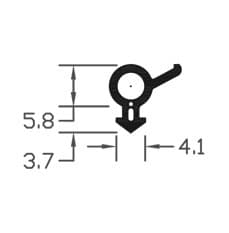
- E-Type Gasket - Black 5m Roll
- E-Type Gasket - Black (Per Metre)
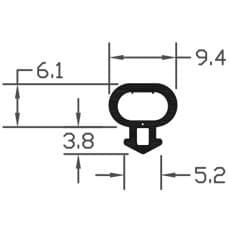
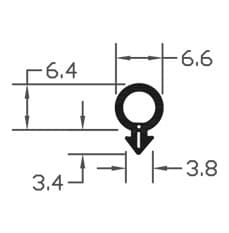
- B003 Bubble Gasket
- B004 Bubble Gasket
- B007 Bubble Gasket
Conclusion and next steps
Choosing the right letterbox draught excluder improves comfort, reduces energy loss and enhances security. For straightforward upgrades, a brush or flap excluder often provides the best balance of cost and performance. For higher performance or when working with fire doors, choose certified products and follow manufacturer instructions or consult a specialist.
For product selection, technical datasheets and compliant fitting advice, visit our pillar page on letterboxes: /guides/letterboxes. If you are specifying for multiple properties or need trade pack options, contact our trade sales team for bulk pricing and installation support.
Products mentioned in this article
Related articles
Internal vs External Letterbox Draught Excluders: Which Works Better?
Internal vs External Letterbox Draught Excluders: Which Works Better? A letterbox is a small opening that can let in a disproportionate amount of cold air,...
How to Retrofit an Anti Arson Letterbox to an Existing Door
How to Retrofit an Anti Arson Letterbox to an Existing Door What is an anti arson letterbox and why retrofit one? An anti arson letterbox is a specialist l...
Letterbox Draught Excluder for Security: Added Protection
Letterbox Draught Excluder for Security: Added Protection A well-chosen letterbox draught excluder reduces heat loss and noise while contributing to a stro...