
Brush Letterbox Draught Excluders: Pros and Cons
Brush Letterbox Draught Excluders: Pros and Cons A brush letterbox draught excluder is a simple strip of bristles fitted around or inside a letterplate to ...
Brush Letterbox Draught Excluders: Pros and Cons
A brush letterbox draught excluder is a simple strip of bristles fitted around or inside a letterplate to reduce cold air, noise and dust entering through a letterbox. For UK homeowners and trade professionals, they are an inexpensive measure to improve comfort and energy efficiency; however they are not a universal solution. This article covers how they work, the main advantages and drawbacks, selection criteria, practical installation guidance and maintenance tips.
How brush letterbox draught excluders work
Brush excluders create a soft, flexible barrier at the letterplate opening; bristles conform around delivered items while restricting airflow when the flap is closed. They work by reducing convective airflow and partly blocking draught paths that form through the gap behind the letterplate. Brush strips are commonly supplied as surface-mounted units, recessed kits for letterbox frames, or integrated into replacement letterplates.
Pros
- Cost-effective draught reduction: Brush seals are relatively inexpensive compared with full letterbox replacement or secondary glazing; they can lower cold spots at the threshold of the door and reduce heat loss.
- Easy to fit: Many brush units are suitable for quick surface mounting using screws or adhesive tapes; this makes them convenient for both tradespeople on site and competent DIYers.
- Low maintenance: Bristle strips do not require complicated servicing; occasional cleaning and replacement of the strip is usually sufficient.
- Acoustic benefits: Brushes help cut down road and street noise; while they will not match a solid seal, they make a noticeable difference in noise transmission.
- Does not obstruct post: Properly chosen brushes allow standard letters and many small parcels to pass without manual adjustment; they sit around the flap while maintaining functionality.
- Adaptable solution: Brush strips come in different pile lengths and densities; tradespeople can match the product to the letterbox depth and expected traffic.
Cons
- Limited thermal performance: Brush seals cannot create an airtight barrier; the reduction in U-value for the door is modest when compared with full draught-sealing or replacing the letterplate with a sealed system.
- Vulnerable on fire doors: Fitting anything to a certified fire door can compromise its rating; brush excluders fitted to a fire door or a communal flat entrance may invalidate the certificate unless a tested, approved product is used.
- Security and water ingress: Some thicker brushes can give a false sense of security; determined intruders can still manipulate mail openings. In exposed locations heavy rain or wind-driven water can get past brush seals more easily than solid flaps.
- Wear and snagging: Bristles wear with heavy use and can trap dirt, mail tags or small items; abrasive materials and postal items with sharp edges can damage the pile.
- Possible interference with letter delivery: If the brush is too dense or poorly fitted it may obstruct the postal flap or cause letters to snag; careful measurement is required to avoid complaints from householders or the postman.
Choosing the right brush excluder: trade advice
Selecting the correct product requires attention to dimensions, fixing method and intended application:
- Pile length and density: Shorter pile (5–10 mm) suits shallow letterboxes and heavy traffic; longer pile (10–20 mm) gives better draught and noise control in deeper frames. Denser piles seal better but may impede delivery.
- Backing material: Aluminium or steel channels provide durability for trade use; plastic-backed self-adhesive strips are suitable for temporary or low-use applications.
- Fixings: Use mechanical fixings for external doors or commercial installations; adhesive-only solutions are appropriate for internal doors or low-stress locations. Countersunk screws and stainless-steel fixes resist corrosion.
- Fire-rated options: For fire doors choose brush products specifically tested and listed for use on fire-rated assemblies; consult the door manufacturer and the relevant fire certificate.
- Combine measures: For best results fit a brush strip together with a well-sealed letterplate flap and consider an internal letter cage or draught baffle for older doors.
Installation: practical DIY and trade steps
Below is a straightforward procedure for a surface-mounted brush letterbox draught excluder. Tradespeople should adapt these steps to suit recessed kits or bespoke letterplates.
- Tools and materials: tape measure, pencil, hacksaw or suitable cutter for metal/plastic channel, drill with pilot bit, countersink, stainless screws, a spirit level, and silicone for sealing if required.
- Measure: Get the internal width of the letter aperture and depth from the face of the door to the inner edge of the flap. Choose a pile length that clears the flap and does not prevent the post from being pushed through.
- Cut to length: Trim the channel to size cleanly; ensure equal overhang if fitting both top and bottom strips so the bristles meet correctly when closed.
- Test fit: Hold the strip in place and check that the flap closes smoothly and letters feed through without catching. Adjust pile length if necessary.
- Fix: Drill pilot holes, countersink for screw heads, and fix using stainless screws. For timber doors countersink and use appropriate screw length to avoid protrusion at the back.
- Seal if needed: Apply a bead of neutral cure silicone between the channel and door face in exposed locations to reduce water ingress; avoid overuse which could impede future removal.
- Final check: Make several mail passes and close the flap repeatedly to ensure longevity and that the postal service is not impeded.
Maintenance and regulatory notes
Brush letterbox draught excluders require simple upkeep: vacuum or brush the pile to remove debris, trim frayed ends, and replace the strip when the bristles become matted. For commercial or multi-occupancy entrances check that any alteration complies with building safety rules: altering a certified fire door or its letterplate may invalidate the certificate. If in any doubt consult the building owner, door manufacturer or a qualified inspector.
Also consider that Royal Mail delivery standards expect reasonable access to the letterbox; never install a seal that obstructs normal delivery. For additional draught control in very exposed doors combine a brush strip with internal baffles, letter cages or a secure external letterbox unit.
Recommended Products
Based on this article, you may find these products helpful:
- E-Type Gasket - Black 5m Roll
- E-Type Gasket - Black (Per Metre)
- Structural Glazing Tape - 20mm
- Security Glazing Tape
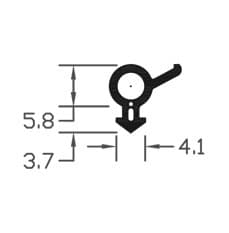
- B003 Bubble Gasket
Conclusion and next steps
Brush letterbox draught excluders offer an affordable, low-effort way to reduce draughts and noise through a letterplate; they suit many domestic and light-commercial situations. However they are not a full airtight or fire-rated solution and should be chosen and fitted with those limits in mind. For a trade-quality installation select the correct pile length and secure fixings, and consult door/fire documentation where appropriate.
Next steps: measure your letterplate and assess whether a surface-mounted brush strip is sufficient or if you need a recessed kit or a fire-rated option. For further reading on letterbox types and more extensive draught-proofing options visit our pillar page: /guides/letterboxes or contact our technical team for product recommendations and pricing.
Products mentioned in this article
Related articles
Internal vs External Letterbox Draught Excluders: Which Works Better?
Internal vs External Letterbox Draught Excluders: Which Works Better? A letterbox is a small opening that can let in a disproportionate amount of cold air,...
How to Retrofit an Anti Arson Letterbox to an Existing Door
How to Retrofit an Anti Arson Letterbox to an Existing Door What is an anti arson letterbox and why retrofit one? An anti arson letterbox is a specialist l...
Letterbox Draught Excluder for Security: Added Protection
Letterbox Draught Excluder for Security: Added Protection A well-chosen letterbox draught excluder reduces heat loss and noise while contributing to a stro...