Best Patio Door Handles for Sliding Doors: 2026 Picks
Introduction Choosing the right patio door handle is essential for performance, security and aesthetics. Tradespeople and DIY enthusiasts fitting sliding doors need handles that match the door’s locki...
Introduction
Choosing the right patio door handle is essential for performance, security and aesthetics. Tradespeople and DIY enthusiasts fitting sliding doors need handles that match the door’s locking system, material and usage frequency. This guide covers the best patio door handle options for 2026 and explains how to select, measure and install a patio door handle correctly.
Why the right patio door handle matters
A good patio door handle does more than look smart: it provides reliable operation, integrates with multipoint locks, resists wear in coastal or high-humidity locations, and helps meet security standards. Whether you are replacing a worn patio door handle for a domestic client or specifying hardware for a new build, the wrong choice can lead to rattling panels, failed multipoint hooks, or unsightly corrosion.
Popular patio door handle types and when to use them
Selection depends on door profile, desired finish and lock type. Common types include:
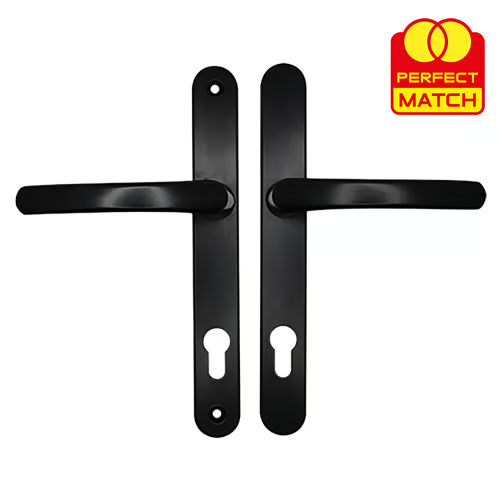
- Lever/lever handles: Traditional and simple; suitable for aluminium and timber sliding doors when paired with the correct lock case. A lever patio door handle provides clear operation and good grip for frequent use.
- Pull/flush handles: Low-profile options for sliding panels that pocket or slide past one another. A flush patio door handle is ideal where protruding hardware would interfere with the door’s path.
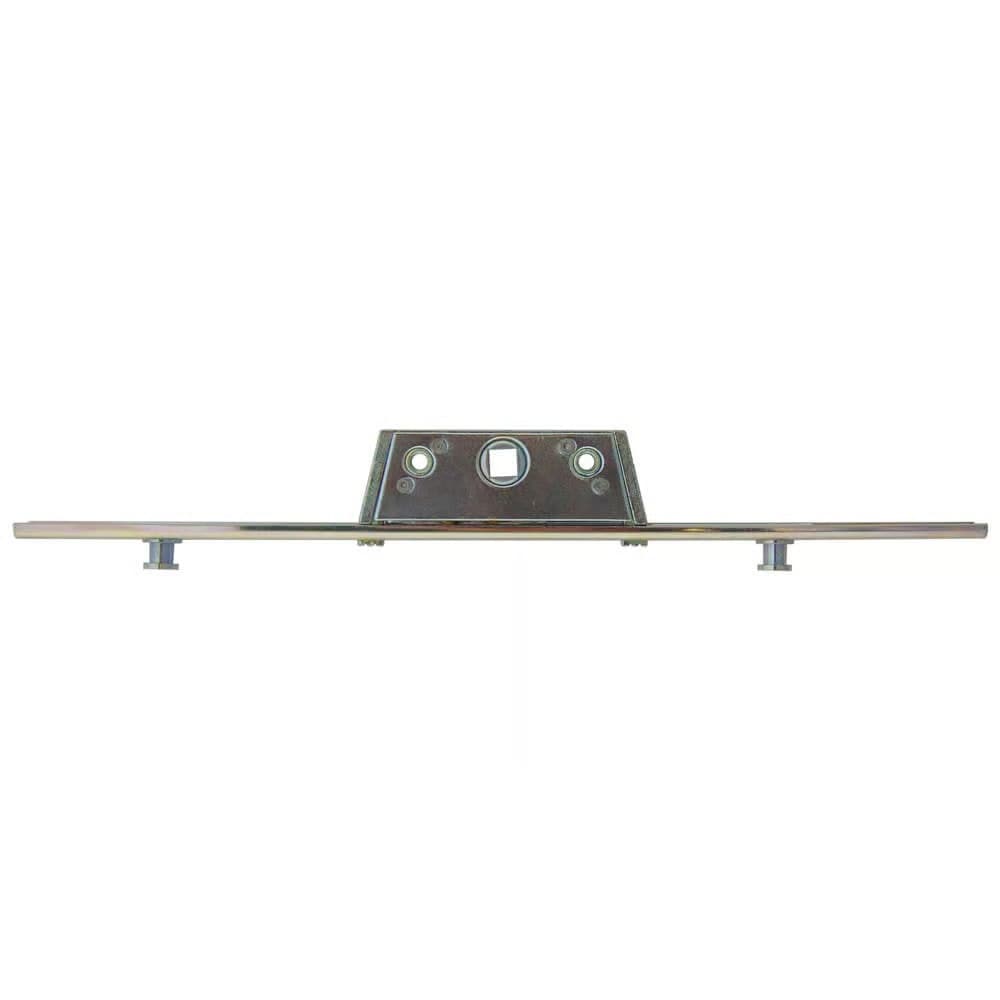
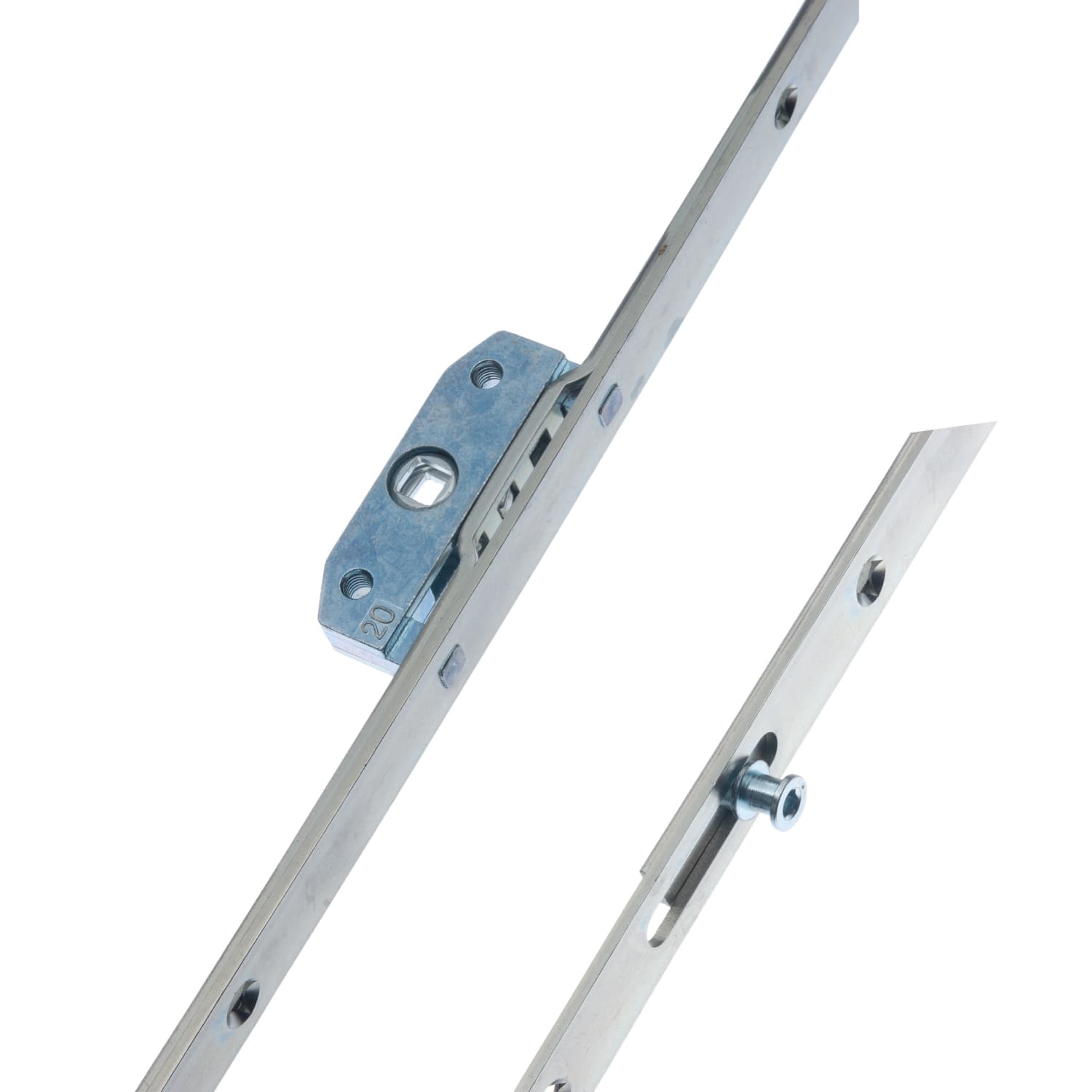
- Espagnolette handles: Often used with multipoint locking; they operate locking rods or hooks through a single spindle action. Use an espagnolette-style patio door handle where greater security is required.
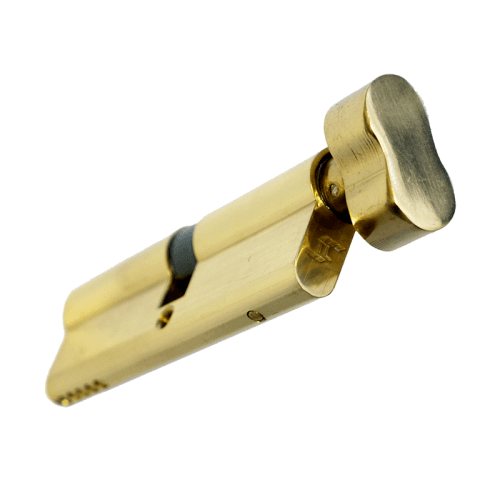
- Thumbturn and keyed handles: Provide on-panel locking options. A keyed patio door handle enables secure external access while a thumbturn offers quick internal locking.
- Handle sets with hook locks: Designed specifically for patio sliders using hook bolts to engage keeps and give enhanced resistance to lift-out.
Materials, finishes and corrosion resistance
Material choice affects durability, feel and longevity. Common materials include aluminium, stainless steel and zinc alloy. For coastal or commercial projects choose stainless steel or high-grade aluminium with a durable powder coat finish. When specifying a patio door handle consider:
- Grade: 316 stainless steel offers superior corrosion resistance over 304 in marine environments.
- Surface treatment: Powder coating or anodising for aluminium; PVD or lacquered finishes for brass or stainless options.
- Wear resistance: For high-traffic sites choose solid metals rather than plated alloys to avoid flaking.
Security and locking compatibility
Security is central to selecting a patio door handle. Ensure compatibility with the door’s lock case, cylinder and keeps. Key factors to check include:
- Spindle size and type: Match the spindle to the lock case; a mismatch prevents proper engagement of the patio door handle.
- Backset and fixing centres: Verify measurements so the patio door handle lines up with existing holes and the lock mechanism.
- Cylinder type: Euro cylinder, oval or British Standard formats require specific handle designs; a keyed patio door handle must accept the chosen cylinder profile.
- Multipoint engagement: Some patio door handles use a 7mm square spindle to operate multipoint gearboxes; confirm gearbox compatibility.
- Anti-snap and anti-drill options: Where security is a priority, specify handles and cylinders meeting recognised standards.
Practical measurement and installation tips
Getting the measurements right saves time on site. Before ordering a replacement patio door handle, measure and note the following:
- Centre to centre: Distance between fixing screws or spindle centres.
- Backset: Distance from the edge of the door to the centre of the spindle/lock case.
- Spindle length and thickness: Confirm the square spindle size and the length needed to pass through both door faces.
- Door thickness: Handles come with bolts or packs for specific thickness ranges; choose the correct option for timber or aluminium profiles.
- Strike plate/keep alignment: Ensure the handle’s locking bolts match the keep position to avoid re-drilling.
Installation tips for tradespeople and experienced DIYers:
- Always test the lock operation with the door open before final fixing screws are tightened.
- Use threadlocker on handle fixings in high-vibration environments; avoid over-tightening on aluminium profiles to prevent distortion.
- When fitting keyed handles, position the cylinder to allow smooth key operation without binding at the cam.
- Check weatherstrips and drainage pockets after refitting handles; improper installation can compromise sealing and drainage.
Maintenance and aftermarket considerations
Regular maintenance extends the life of a patio door handle: lubricate moving parts annually with a light machine oil; neutral-pH cleaners remove grime without damaging finishes. Keep an inventory of common spare parts: spindles, fixings and springs. For trade customers, specifying handles that share common spindles and fixings across a project reduces call-backs.
Related Reading
Explore more guides on related topics:
- How to Replace a uPVC Door Lock: Step-by-Step DIY Guide
- 3 Star Cylinder Explained: The Highest Level of Door Security
- Flag Hinges
Recommended Products
Based on this article, you may find these products helpful:
- TL Thumb Turn Euro Cylinder
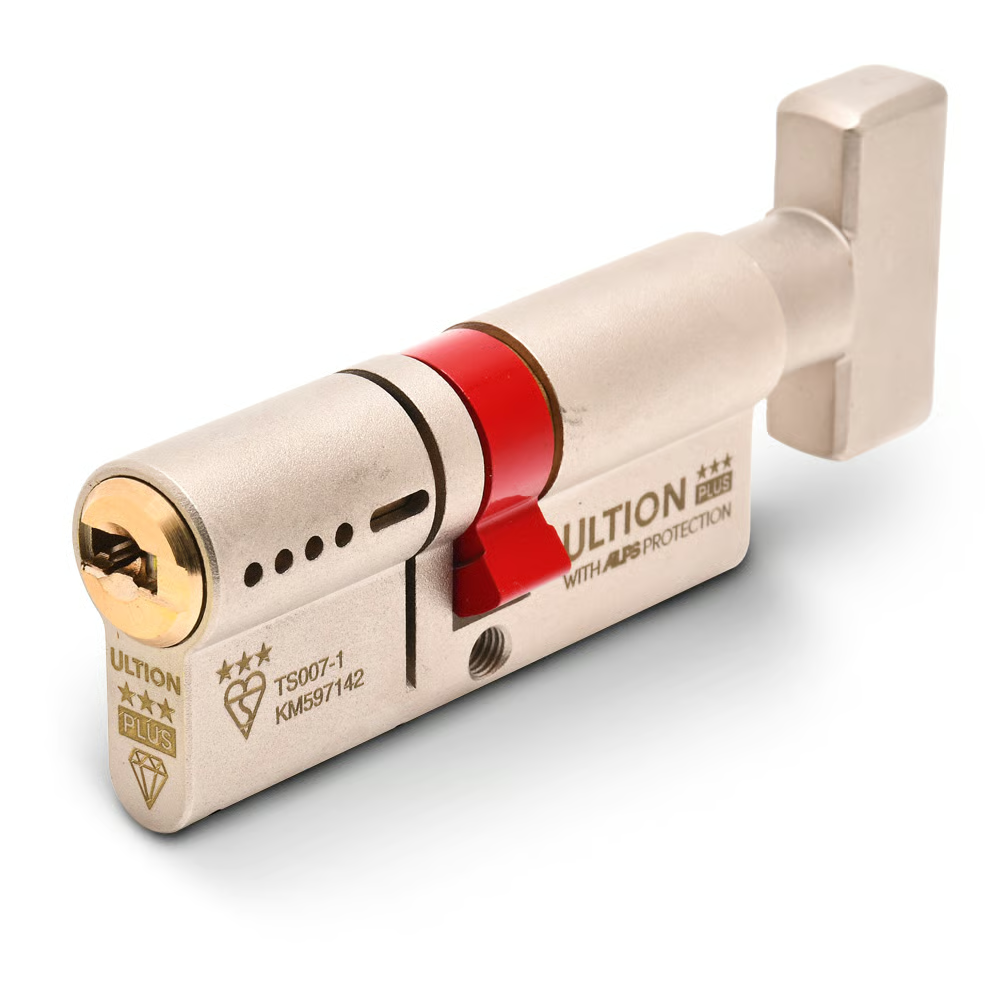
- Ultion Plus TS007 3* Kitemarked Euro Key & Turn Cylinder
- ERAB Espagnolette Window Lock Universal Lock Replacement
- Avocet Slimline Offset Window Espag
- TSS Door Handle Lever
Conclusion
Choosing the best patio door handle is a balance of function, security and durability. Tradespeople should prioritise compatibility with the lock case, suitable materials for the environment and ease of installation. DIY enthusiasts can confidently replace a patio door handle by taking careful measurements and choosing handles designed for their door profile. For 2026, focus on corrosion-resistant finishes, secure cylinder options and handles that integrate neatly with multipoint locking for the most reliable performance.
Part of our guide:
Complete Guide to Door Handles