
Best Shootbolt Systems for Casement Windows
Best Shootbolt Systems for Casement Windows Shootbolt systems are a popular choice for casement windows where secure multi-point locking is required with a...
Best Shootbolt Systems for Casement Windows
Shootbolt systems are a popular choice for casement windows where secure multi-point locking is required with a clean, flush finish. A shootbolt provides vertical locking at the top and bottom of a sash by extending steel bolts into keeps in the frame; they are commonly combined with espagnolette gearboxes or dedicated shootbolt drives to give positive engagement and enhanced security. This post explains the main shootbolt types, how to select the right system for different casement materials, and practical advice for trade installers and competent DIYers.
Types of Shootbolt Systems
- Centre‑operated shootbolts: A gearbox in the middle of the sash operates rods or solid bolts to the top and bottom when the handle is turned. Good for standard single-sash casements.
- End‑mounted or twin shootbolts: Two shootbolts are driven from an end unit; common on larger sashes or French casement pairs where increased throw and strength are needed.
- Face‑fix shootbolts: Surface-mounted bolts fitted to the face of the sash; useful for retrofit jobs where morticing is undesirable or the frame material restricts routing.
- Concealed shootbolts: Integrated into the sash edge or lock case for a neater appearance and better weather performance; typically used on new build or high-end refurbishments.
- Automatic shootbolt systems: Engage as the sash is closed, often combined with an espagnolette gearbox; enhances user convenience by ensuring points are locked without extra handle movements.
Choosing the Right Shootbolt for Your Casement Window
Selection depends on sash size, frame material, security requirements and how the window will be used:
- Sash size and weight: Heavier or taller casements need shootbolts with adequate bolt diameter and travel; check manufacturers' load ratings and choose robust drives for large sashes.
- Frame material: Stainless steel or corrosion‑resistant finishes are essential for coastal locations or aluminium frames; for timber, longer wood screws provide secure fixing; use appropriate anchors for aluminium or PVCu.
- Security standards: If you need compliance with higher security spec, consider shootbolt systems specified to PAS 24 or Secure by Design products; for windows used as escape routes check compatibility with escape‑out furniture and applicable building regulations.
- Handle and gearbox compatibility: Ensure the shootbolt gearbox matches the handle spindle size and fixing centres; some systems use geared drives rather than standard espagnolette spindles.
- Keeper design and weather sealing: Heavy‑duty keeps and strike boxes can be surface mounted or morticed. Choose keepers with integrated weather skins where water ingress might be a concern.
Practical Trade Advice
- Always check the lockcase length and backset against the sash profile before ordering: mismatches are a common cause of returns and site delays.
- Use stainless steel or nickel plated fixings in marine environments to prevent early corrosion and staining on timber finishes.
- When specifying for new builds, consider shootbolt systems that allow adjustable keeps; this saves time setting compression and ensures consistent engagement once the building settles.
- For trade fitters handling multiple sites: stock a small selection of face‑fix and mortice keeps plus an adjustable keeper pack; this reduces the chance of being held up by minor on-site variations.
- If upgrading from a standard espagnolette: confirm whether the existing cut‑out can accept a shootbolt gearbox or whether a different mortice is required; sometimes an adapter plate or conversion kit is available from manufacturers.
DIY Installation Guidance
Experienced DIYers can fit shootbolt systems to timber and PVCu casements; follow these practical steps and safety notes:
- Measure twice: confirm sash height, backset and the distance from top and bottom of the sash to planned bolt locations. Mark both sash and frame accurately.
- Remove the sash if possible: this makes routing mortices and aligning keeps much easier and avoids damage to the surrounding frame.
- Use the correct tools: a router with a guide fence or a sharp chisel will produce neat mortices. For aluminium frames, consider specialist routing bits or surface fix options.
- Fit keeps and strike plates before final fixing: temporarily screw in keeps, operate the handle and test engagement. Adjust keeper positions in small increments until the shootbolts locate smoothly without forcing.
- Secure with appropriate fixings: use longer screws into timber; for PVCu use original screw positions where possible; for aluminium, use rivets or frame anchors recommended by the manufacturer.
- Lubricate moving parts: a light machine oil or silicone spray on the bolts and a smear of grease on the striker box will reduce wear and noise; avoid heavy oils that attract dirt.
- Test multiple cycles: check operation through a full 10 to 20 open‑close cycles to settle parts and confirm no binding.
- Maintain safety: ensure child safety stays and restrictors are compatible with the shootbolt; never block escape routes by over‑securing a window used for egress.
Common Problems and Troubleshooting
- Bolts not engaging fully: usually caused by misaligned keeps or sash twist; loosen keeper fixings, reposition slightly and re‑test.
- Stiff handles: check for paint or debris in the gearbox; remove handle and apply lubrication to the spindle and moving parts.
- Wear in keeps: replace if the bolt is deforming the strike plate; consider a beefier keeper or larger strike box for high‑use windows.
- Water ingress around strike boxes: use a rubberised seal under the keeper or fit a weather‑integrated keeper that directs water away from the frame cavity.
Recommended Products
Based on this article, you may find these products helpful:
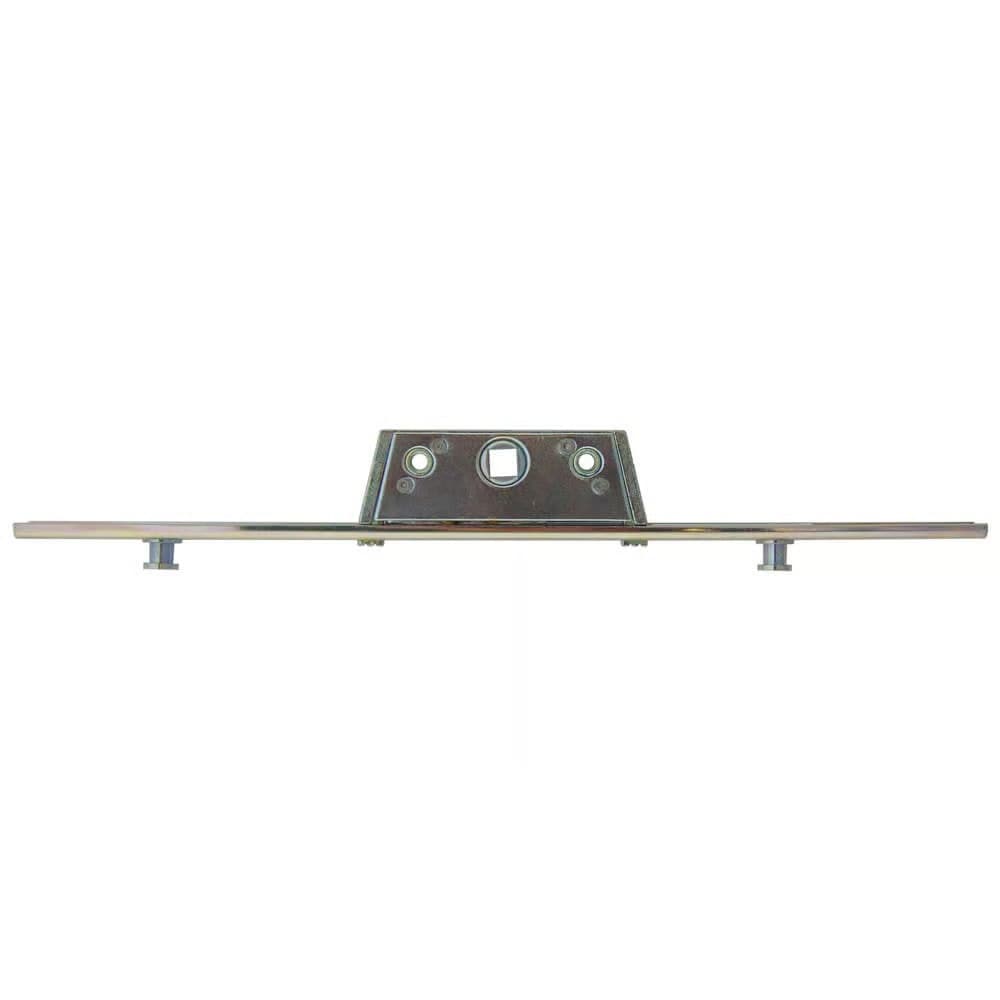
- ERAB Espagnolette Window Lock Universal Lock Replacement
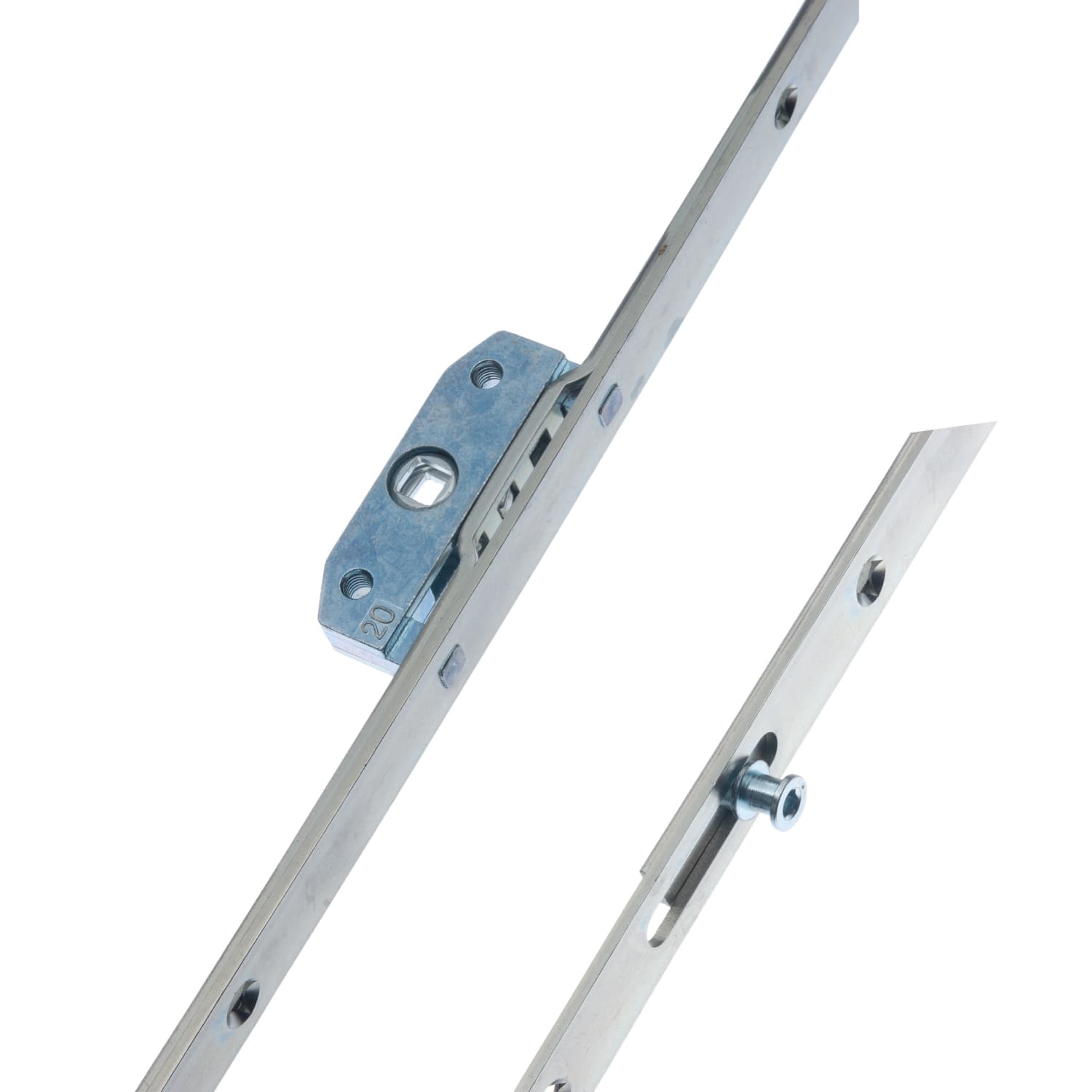
- Avocet Slimline Offset Window Espag
- UAP Keyless Window Restrictor
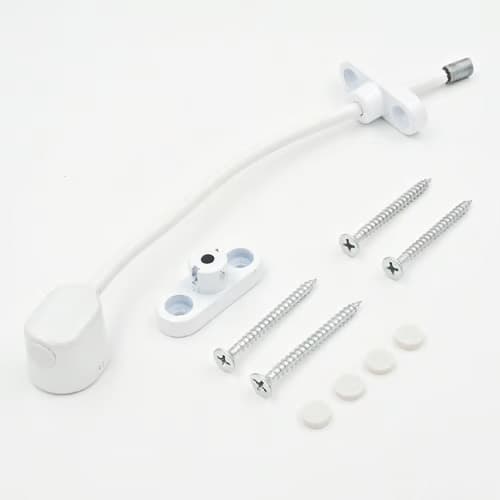
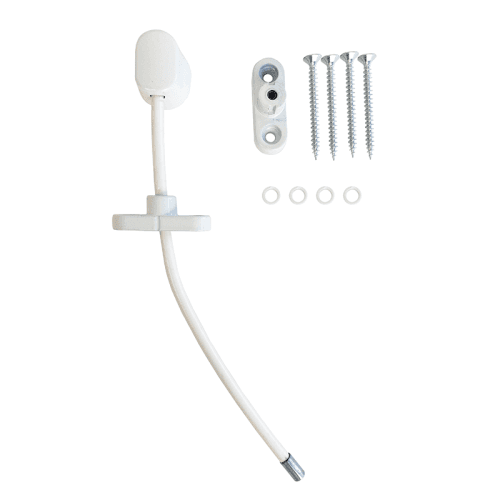
- TSS Keyless Cable Window Restrictor
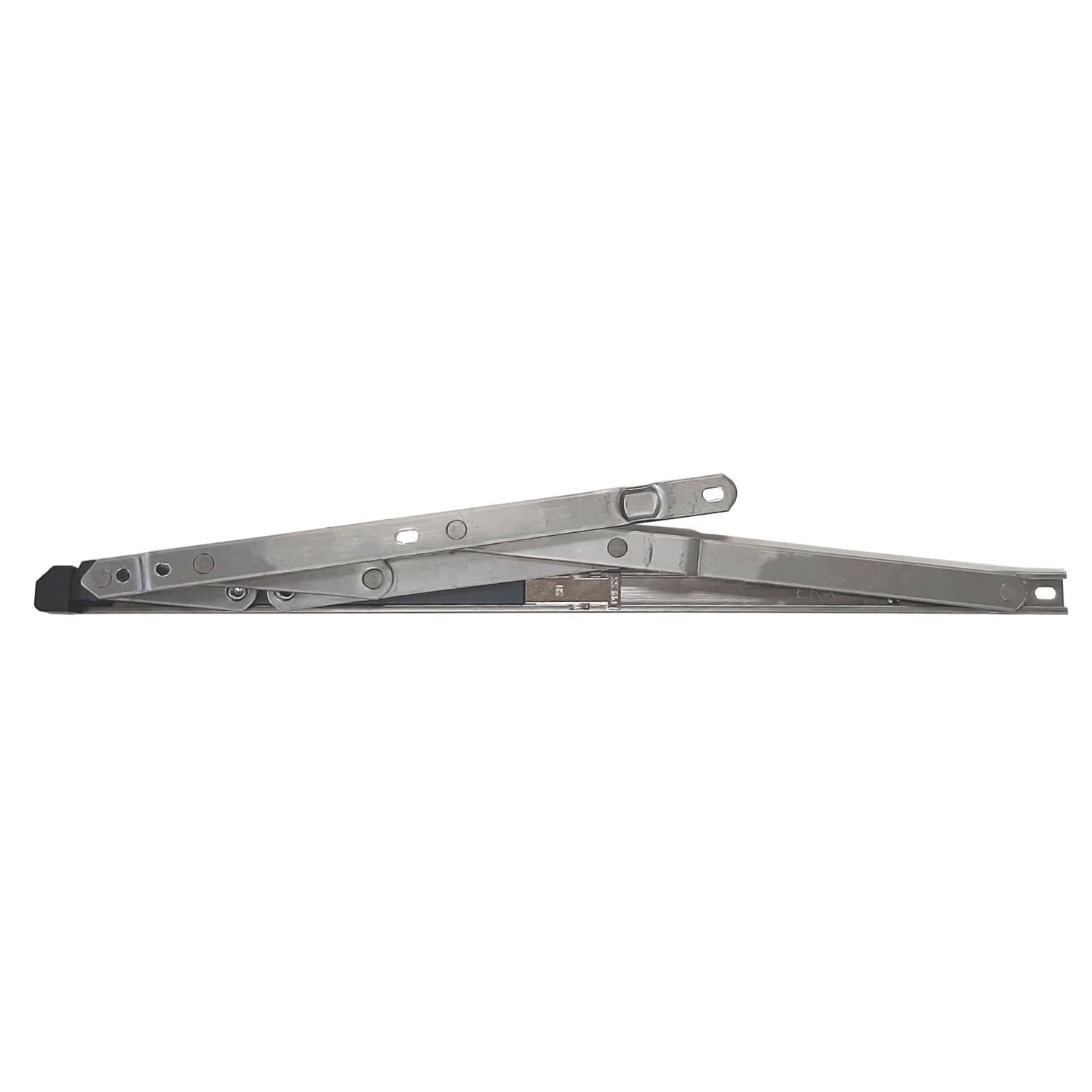
- Restricted Friction Stay Hinges
Conclusion and Next Steps
Shootbolt systems provide robust, reliable locking for casement windows when selected and installed correctly. For trade purchasers: confirm load ratings, backset and keeper type before ordering to avoid site delays. For competent DIYers: choose face‑fix options if you want a retrofit that needs minimal routing, or follow the mortice and alignment tips above for a neat finish.
For more on related locking options and how a shootbolt compares with espagnolette systems see our detailed article: espagnolette window locks. If you need product recommendations or technical drawings for a specific sash, contact our technical sales team or order a hardware sample to test fit before committing to a full set.
Related articles
Window Gearbox Maintenance: Keeping Your Locks Working Smoothly
Window Gearbox Maintenance: Keeping Your Locks Working Smoothly A well maintained window gearbox keeps casement and tilt-and-turn windows operating smoothl...
Troubleshooting Shootbolt Problems: A Window Fitter's Guide
Troubleshooting Shootbolt Problems: A Window Fitter's Guide Shootbolts are a small but vital component in many modern window and patio door locking systems...
What Is a Shootbolt Lock? Complete Guide to Window Security
What Is a Shootbolt Lock? Complete Guide to Window Security What is a shootbolt? A shootbolt is a mechanical locking element commonly used in windows and d...