
Brush vs Flap Letter Boxes: Which Keeps Draughts Out Better?
Brush vs Flap Letter Boxes: Which Keeps Draughts Out Better? Choosing the right letter box can make a noticeable difference to comfort and energy bills. Fo...
Brush vs Flap Letter Boxes: Which Keeps Draughts Out Better?
Choosing the right letter box can make a noticeable difference to comfort and energy bills. For UK homeowners and tradespeople fitting or upgrading external doors, the two main options are brush-style letter boxes and flap-style letter boxes. Both have strengths and limitations when it comes to preventing draughts, so this article compares performance, installation considerations and practical trade and DIY advice to help you decide.
How letter boxes let draughts through
Letter boxes are an intentional hole in the fabric of a door; any gap is a potential path for air movement. Draughts occur where there is a gap between the internal and external faces of the door or where seals are missing or degraded. Wind pressure, temperature differences and the quality of the closure determine how much cold air comes in. A well-chosen and correctly installed letter box reduces infiltration significantly.
Brush letter boxes: pros and cons
Brush letter boxes use a dense row of bristles fixed around the aperture or attached to the letterplate. The bristles form a flexible barrier that closes around incoming mail.
- Pros:
- Flexible seal: bristles conform to different envelope shapes and reduce drafts while allowing mail to pass.
- Low maintenance: simple to fit and replace; bristles rarely need complex adjustment.
- Quiet: brushes dampen rattling and are less likely to bang in wind.
- Good for uneven apertures and older doors where perfect alignment is hard to achieve.
- Cons:
- Not airtight: bristle seals allow small but measurable airflow; not ideal where airtightness is critical.
- Collects dirt and moisture: bristles can trap debris and require occasional cleaning.
- Less effective in high winds: strong pressure can push air through the bristles more easily than a tight flap seal.
Flap letter boxes: pros and cons
Flap letter boxes feature a solid flap that sits on a frame; many modern designs have sprung hinges, magnetic seals or internal weather strips to close tightly.
- Pros:
- Tighter seal: a well-fitted flap with a compressible gasket or magnetic catch forms a closer barrier to airflow than bristles.
- Better thermal performance: solid material reduces convective flow and can be combined with an internal liner for insulation.
- Weather resistant: with an external hood and good seals a flap design keeps rain and wind out more effectively.
- Cons:
- Alignment sensitive: a misaligned flap or loose fixings creates gaps and rattles.
- Can be noisy: in windy conditions or when used frequently the flap may slam without the correct spring or catch adjustment.
- May require stronger fixings and attention to screw length, especially on composite or foam-core doors.
Which is better at keeping draughts out?
Generally a properly installed flap letter box with a compressible gasket, magnetic or sprung closure will produce a tighter seal than a simple bristle brush. For thermal performance and airtightness, choose a flap system that includes:
- an internal seal or liner to block convective flow;
- a compression gasket or magnetic strip around the aperture;
- external hooding to deflect wind-driven rain and reduce pressure differential across the flap;
- double-flap designs when high performance is required; one external flap and one internal flap reduces both draughts and noise.
However, brush letter boxes are a practical solution where perfect alignment cannot be achieved or where a quieter, low-maintenance option is preferred. For exposed locations and properties with high heat loss, the flap option is usually superior.
Trade and DIY installation advice
Whether you are a tradesperson fitting dozens of doors or a homeowner DIYing a single replacement, follow these practical steps:
- Measure carefully: check door thickness and panel construction; use manufacturer templates for cutting.
- Mind screw length: on PVC and composite doors avoid screws that penetrate insulation cores; use manufacturer-recommended fasteners.
- Seal the edges: use silicone or low-modulus sealant around the perimeter behind the faceplate to avoid gaps and water ingress.
- Fit a backplate or internal liner: for flaps add an internal draught excluder or insulated liner to reduce heat loss.
- Check alignment: ensure the flap sits evenly across the frame; adjust spring tension or shims if it dips on one side.
- Use hooding on external face: install a cowl or hood over the external plate to break wind flow and keep out rain.
- Test after fitting: use a smoke pencil or an incense stick to detect airflow and check for leaks; tighten fixings or add foam tape to stop small draughts.
Safety and compliance notes for tradespeople
Letter boxes in fire doors require specialised products: using standard brush or flap plates can compromise fire performance. For fire-rated doors only fit components certified for that door set; intumescent liners and fire-rated seals are essential. Also consider security: letter plates should not allow access to locks or enable fishing; choose designs with internal restrictors or anti-fishing baffles when security is a concern.
Maintenance tips
- Inspect seals annually and replace worn gaskets or brush strips.
- Clean bristles with a vacuum or soft brush to remove debris and prevent water retention.
- Lubricate moving parts of flaps and adjust springs to avoid sagging.
- Check screws and fixings after seasonal movement in timber doors; retighten as required but avoid over-tightening.
Recommended Products
Based on this article, you may find these products helpful:
- E-Type Gasket - Black 5m Roll
- E-Type Gasket - Black (Per Metre)
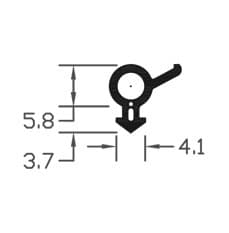
- B003 Bubble Gasket
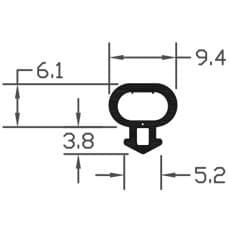
- B004 Bubble Gasket
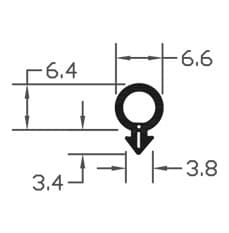
- B007 Bubble Gasket
Conclusion and next steps
For the best draught-proofing on external doors a correctly installed flap letter box with a compressible seal and internal liner usually outperforms a simple brush. However, brush letter boxes remain a useful option where alignment issues exist or a quieter, low-maintenance finish is preferred. Tradespeople should specify fire-rated and security-compliant products when applicable, and homeowners can improve existing fittings with internal liners, magnetic catches or retrofit draught excluder kits.
Next steps: assess your current letter box location and exposure; if you need product recommendations or trade quantities visit our pillar resource at /guides/letterboxes or contact Window Hardware Store for technical support and stock availability. If you are fitting the product yourself, follow the fitting tips above and test the seal before finishing.
Products mentioned in this article
Related articles
Internal vs External Letterbox Draught Excluders: Which Works Better?
Internal vs External Letterbox Draught Excluders: Which Works Better? A letterbox is a small opening that can let in a disproportionate amount of cold air,...
How to Retrofit an Anti Arson Letterbox to an Existing Door
How to Retrofit an Anti Arson Letterbox to an Existing Door What is an anti arson letterbox and why retrofit one? An anti arson letterbox is a specialist l...
Letterbox Draught Excluder for Security: Added Protection
Letterbox Draught Excluder for Security: Added Protection A well-chosen letterbox draught excluder reduces heat loss and noise while contributing to a stro...