Bubble Gasket Materials Compared: EPDM, Silicone, and TPE Explained
Bubble Gasket Materials Compared: EPDM, Silicone, and TPE Explained Bubble gasket is a common term for the rounded, compressible seals used on windows and ...
Bubble Gasket Materials Compared: EPDM, Silicone, and TPE Explained
Bubble gasket is a common term for the rounded, compressible seals used on windows and doors to exclude draughts, water and noise. Choosing the right material matters for longevity, performance and ease of fitting. This article compares EPDM, silicone and TPE bubble gaskets for UK homeowners and trade professionals, with practical advice for selection, installation and maintenance.
What a bubble gasket does and where it is used
Bubble gaskets sit between frame and sash, or in glazing beads and thresholds, to provide a resilient seal under compression. They are used on timber, aluminium and uPVC windows and on external doors for weatherproofing and acoustic improvement. Key performance factors include weather resistance, compression set, hardness and compatibility with adhesives and hardware.
EPDM bubble gaskets: the general-purpose choice
EPDM (ethylene propylene diene monomer) is widely used in window and door seals: it offers excellent resistance to UV, ozone and weathering; good flexibility in low temperatures; and reliable water resistance. For most external glazing applications EPDM provides the best balance of durability and cost.
- Advantages: Strong UV and ozone resistance; good cold-weather flexibility; cost-effective; low water absorption.
- Limitations: Poor resistance to petroleum oils and some solvents; limited use above about 120°C; tear strength modest compared with some thermoplastics.
- Typical trade use: External sash seals, glazing beads, perimeter seals on aluminium and uPVC frames.
- Practical note: EPDM bonds well with solvent-based contact adhesives and butyl tapes; mechanical fixings are a safe option for painted or powder-coated metal where adhesives may affect the finish.
Silicone bubble gaskets: premium weather and temperature performance
Silicone rubber provides exceptional resistance to extreme temperatures and UV; it remains flexible over a wider temperature range than EPDM. Silicone is particularly useful where longevity in direct sunlight or where higher operating temperatures are expected.
- Advantages: Outstanding temperature range; excellent UV and ozone resistance; low compression set in many formulations.
- Limitations: Generally more expensive; lower tear resistance than some materials; poor adhesion to some substrates without specialised adhesives or mechanical attachment.
- Typical trade use: High-end glazing, conservatory roof seals, locations with significant thermal cycling or where chemical resistance to cleaning agents is required.
- Practical note: Use neutral-cure silicone adhesives for bonding silicone gaskets; acetic cure silicones can affect some metals and finishes.
TPE bubble gaskets: flexible and economical with design versatility
TPE (thermoplastic elastomer) combines rubber-like flexibility with thermoplastic processing; this allows a wide range of hardness and profile complexity. TPE can be a cost-effective choice and is often used where recycling or ease of manufacture is a priority.
- Advantages: Wide hardness range; good feel and ease of co-extrusion with fabrications; recyclable in some types; good resistance to many chemicals depending on formulation.
- Limitations: Weather and UV resistance varies by compound; may require UV stabilisers for prolonged outdoor use; temperature range generally narrower than silicone.
- Typical trade use: Internal seals, secondary glazing, where cost and profile options are key.
- Practical note: Check the manufacturer’s weathering data; where TPE is used externally, specify UV-stabilised formulations and test colourfastness with the chosen frame finish.
Performance comparisons to consider
- Weathering and UV: EPDM and silicone are superior; TPE can match if UV-stabilised.
- Temperature range: Silicone has the widest range; EPDM is fine for UK climates; TPE varies by grade.
- Compression set and resilience: Silicone and higher-grade EPDM maintain shape well; lower-cost TPE may show faster set under prolonged compression.
- Chemical resistance: EPDM resists polar chemicals; silicone handles wide temperature and many cleaners; TPE depends on formulation.
Practical selection advice for tradespeople and DIYers
- Match material to exposure: external, sun-exposed frames benefit from EPDM or silicone; internal or sheltered seals can use TPE.
- Check profile and hardness: softer bubbles seal at lower closing force; harder profiles last longer under demanding use. Typical hardness ranges are available from suppliers; ask for Shore A data when specifying.
- Compatibility with hardware: ensure the gasket will compress without obstructing multipoint locks or drainage channels; trial-fit a sample before full installation.
- Adhesives and bonding: use the correct adhesive system for the material; when in doubt, use mechanical fixing or specialist sealant to avoid bond failure.
DIY installation tips
Follow these practical steps for clean, reliable fitting:
- Prepare the surface: clean with isopropyl alcohol or methylated spirits; remove old adhesive residues and paint contamination.
- Measure and cut: allow a small overlap or leave a compressible butt joint; avoid over-stretching the gasket when fitting.
- Corners and mitres: for mitred joints cut clean 45 degree ends; butt joints are acceptable on flexible bubbles if sealed with compatible sealant.
- Fixing: use the specified adhesive, butyl tape or mechanical clips; hold in position until adhesive sets; follow the manufacturer’s recommended cure time before closing the sash.
- Common mistakes: fitting when very cold can make gaskets brittle; excessive stretching reduces seal life; using the wrong adhesive can prevent future removal and replacement.
Maintenance and life expectancy
Inspect bubble gaskets annually: look for cracking, permanent compression, hardening or loss of elasticity. Typical life spans vary: EPDM commonly lasts 10 to 20 years; silicone 15 to 25 years in harsh sun; TPE may range from 5 to 15 years depending on formulation and exposure. Replace sections that have failed; replacing the whole perimeter gives the best long-term result.
Recommended Products
Based on this article, you may find these products helpful:
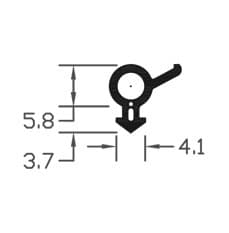
- B003 Bubble Gasket
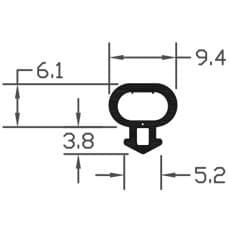
- B004 Bubble Gasket
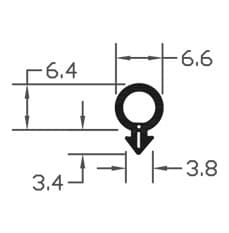
- B007 Bubble Gasket
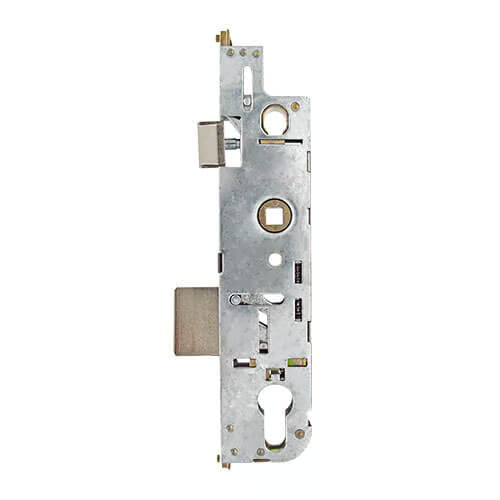
- Multipoint Gearbox GU Old Style
- E-Type Gasket - Black 5m Roll
Conclusion and next steps
Choosing between EPDM, silicone and TPE depends on exposure, budget and desired longevity: EPDM is a reliable all-rounder for most external seals; silicone suits extreme conditions and premium applications; TPE offers design flexibility and cost options where UV exposure is limited. For tradespeople, always request technical data sheets and samples to confirm hardness and compression behaviour before ordering long runs.
Next steps: measure the groove or rebate width, request sample lengths in the chosen material and check compatibility with frame finish. For more technical detail and product options visit our pillar page: /guides/gaskets-seals or contact Window Hardware Store for trade pricing and sample packs.