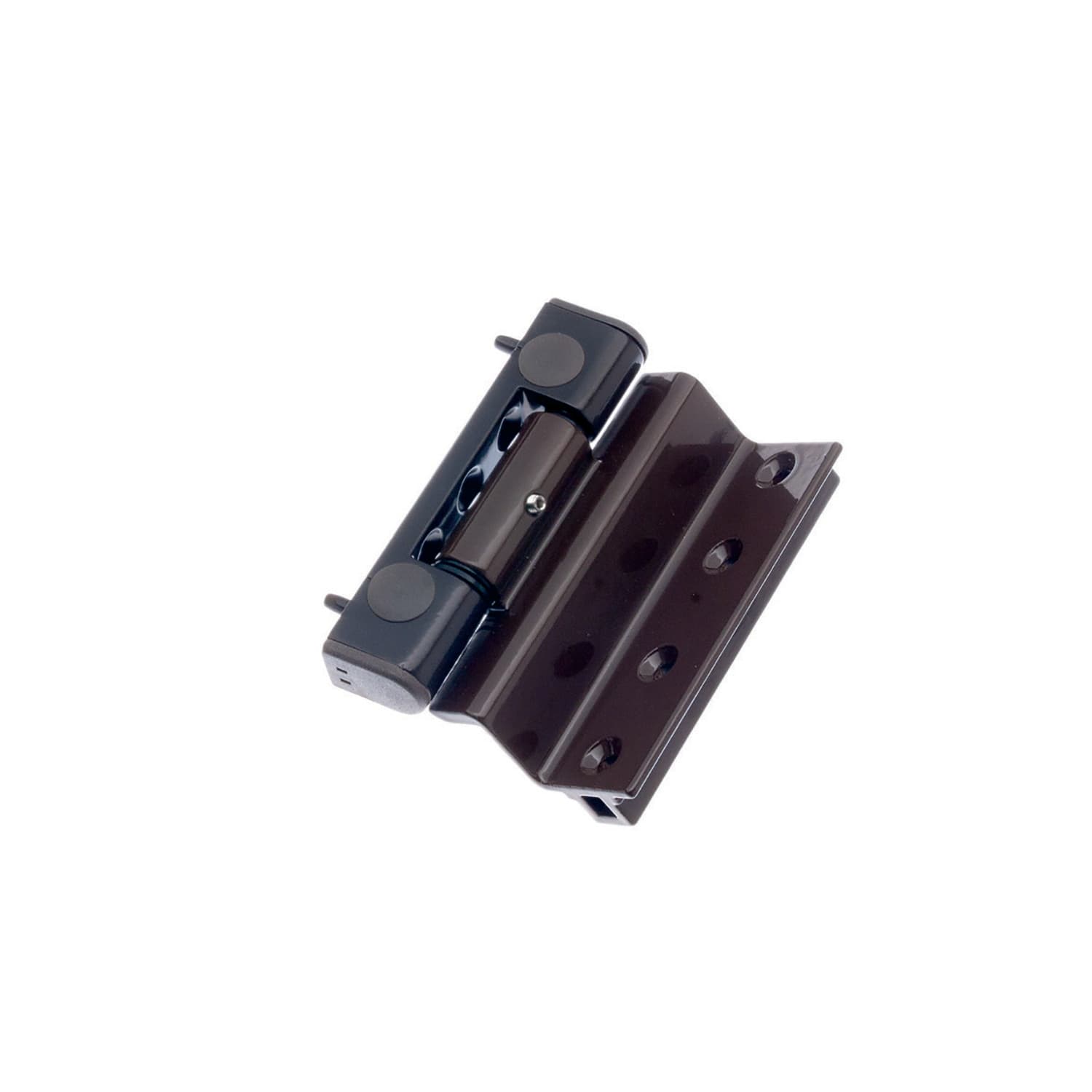
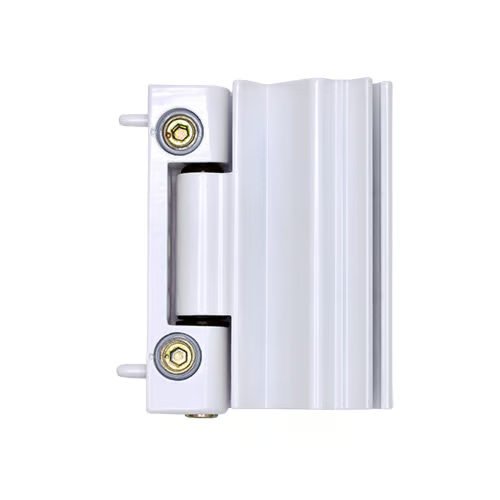
Butt Hinge Finishes: Brass, Chrome, Satin and More
Butt Hinge Finishes: Brass, Chrome, Satin and More Why finish matters for a butt hinge The finish on a butt hinge is more than cosmetic: it affects corrosi...
Butt Hinge Finishes: Brass, Chrome, Satin and More
Why finish matters for a butt hinge
The finish on a butt hinge is more than cosmetic: it affects corrosion resistance, longevity, maintenance and how well the hinge matches other ironmongery. For homeowners and trade professionals fitting external doors, internal doors or timber windows, choosing the right finish reduces call-backs and ensures a consistent aesthetic across a property. For detailed technical information about hinge types and sizing see our pillar resource: /guides/door-hinges.
Common butt hinge finishes and where to use them
-
Polished brass: bright, warm appearance often used in traditional settings and period properties. Polished brass will darken with age if unlacquered; lacquered options preserve the shine but can flake over time with heavy handling.
-
Antique brass: pre-aged finish for a rustic look; good for matching reclaimed or heritage ironmongery. Typically lacquered to protect the surface; some tradespeople choose unlacquered antique finishes for faster patination.
-
Chrome (polished chrome): high-gloss, modern look common on contemporary hardware. Chrome plating is durable but can show fingerprints; not ideal for very coastal locations unless over a suitable substrate like stainless steel.
-
Satin chrome (matt chrome): lower reflectivity than polished chrome and more forgiving of scratches and fingerprints. Popular for kitchens, bathrooms and modern joinery.
-
Nickel finishes: available as polished or satin nickel; a slightly warmer tone than chrome and very fashionable for period-meets-modern schemes.
-
Stainless steel: natural finish with excellent corrosion resistance. Grade 304 is common for internal and most external applications; grade 316 is recommended for coastal and marine-exposed locations.
-
PVD (Physical Vapour Deposition): high-performance coating available in brass, bronze, black and other tones. PVD provides superior wear resistance compared with conventional plating.
-
Powder-coated and painted finishes: used when a specific RAL colour is required. Powder coat provides a durable surface for aluminium or steel backplates; ensure the coating was applied to a corrosion-resistant base for external use.
Durability, environment and corrosion resistance
When specifying a butt hinge consider environment first: internal rooms have different needs to coastal or industrial sites. Stainless steel and PVD are best for high-corrosion environments; lacquered brass and standard plated finishes perform well indoors. For external doors that see rain and salt spray, choose grade 316 stainless or a PVD/powder finish on a stainless base; avoid basic plated steel unless the hinge is sheltered. Also check the manufacturer’s salt spray or corrosion test data if the project requires long-term durability.
Trade tips for specifying and ordering
-
Match finishes across the job: hinges should match locks, knobs, handles and letterplates. Where exact match is critical order samples for colour checks under site lighting.
-
Specify removable pin or non-removable pin depending on security and maintenance needs: external doors often require security non-removable pins or security studs to prevent forcible removal; interior doors may use removable pins for easy door removal during decoration.
-
For heavy doors use ball-bearing butt hinges or thicker leaf profiles; confirm load ratings and number of hinges required. Typical residential doors use three 100mm or 102mm hinges; heavier doors may need additional or larger hinges.
-
Order a few extra hinges in the same finish for maintenance: finishes can be discontinued or vary between batches, so keep spares for later touch-ups or repairs.
DIY fitting guidance: achieving a neat installation
Proper fitting ensures appearance and smooth operation regardless of finish. Follow these practical steps:
-
Mark centre-lines on both door and frame; position hinges so leaves are fully supported when the door is closed. Typical positions: one 150mm from top, one 150mm from bottom and one central hinge for a standard door.
-
Mortice the leaf to the correct depth: use a router or chisel to create a recess equal to leaf thickness so the hinge sits flush. Test-fit before fixing.
-
Pre-drill pilot holes for the screws; countersink if using standard countersunk screws. Use screws of adequate length to penetrate the frame by at least 30mm; for softwood and lightweight frames longer screws or coach bolts may be required.
-
Use corrosion-resistant screws that match the hinge finish where appearance matters; stainless steel screws are advisable for external use even if the hinge is plated.
-
Check for binding: after fitting, open and close the door several times. Slight adjustments to the mortice or screw positions will correct sash drop or rubbing.
-
Lubricate pins lightly with a non-staining oil; avoid petroleum-based products on lacquered brass as they can affect the lacquer over time.
Maintenance and repair considerations
Regular inspection extends the life of hinges: check screws for tightness, look for lacquer wear on brass finishes and check for rust on plated finishes. Small scratches on PVD and powder-coat finishes can often be touched up with matching paint; heavily worn lacquer on brass may be stripped and re-lacquered by a specialist. For doors that stick seasonally due to timber movement, plane or adjust the door rather than forcing hinges; adding a weathered or anti-swell strip may help.
Recommended Products
Based on this article, you may find these products helpful:
- Top-Hung Window Hinge - Standard
- Side-Hung Window Hinge - Standard
- Flag Door Hinge - Stainless Steel
- ERA Challenger 3D Rebated Hinge
- Challenger Door Hinge
Conclusion: choosing the right finish and next steps
Selecting the correct butt hinge finish balances aesthetics, environment and durability. For coastal or exposed sites choose stainless or PVD; for heritage properties select brass tones; for modern interiors satin chrome or brushed nickel are popular choices. Next steps: measure doors and windows, decide on load capacity and whether you need removable pins or security studs, request finish samples from suppliers and consult our detailed hinge information at /guides/door-hinges. If you are ordering for a site, note quantities and keep spare hinges of the same batch for maintenance. For trade enquiries or bespoke finishes contact Window Hardware Store for technical support and samples.