
Casement Window Stays: Keeping Your Windows Open Safely
Casement Window Stays: Keeping Your Windows Open Safely What a window stay does and why it matters A window stay is a simple but essential piece of hardwar...
Casement Window Stays: Keeping Your Windows Open Safely
What a window stay does and why it matters
A window stay is a simple but essential piece of hardware fitted to a casement window to hold the sash open at one or more positions. For homeowners, the right stay makes ventilation easy and prevents the sash from moving in the wind. For trade professionals, selecting and fitting the correct stay is part of delivering a durable, safe installation that meets customer expectations and reduces call-backs.
Common types of casement window stays
There are several designs, each suited to different window styles and performance requirements. Know the options before specifying or fitting:
- Peg stays: Traditional bar with fixed notches and a removable peg; simple and inexpensive for timber sashes.
- Ratchet stays: A toothed arm locks into set positions; useful where positive, repeatable opening positions are required.
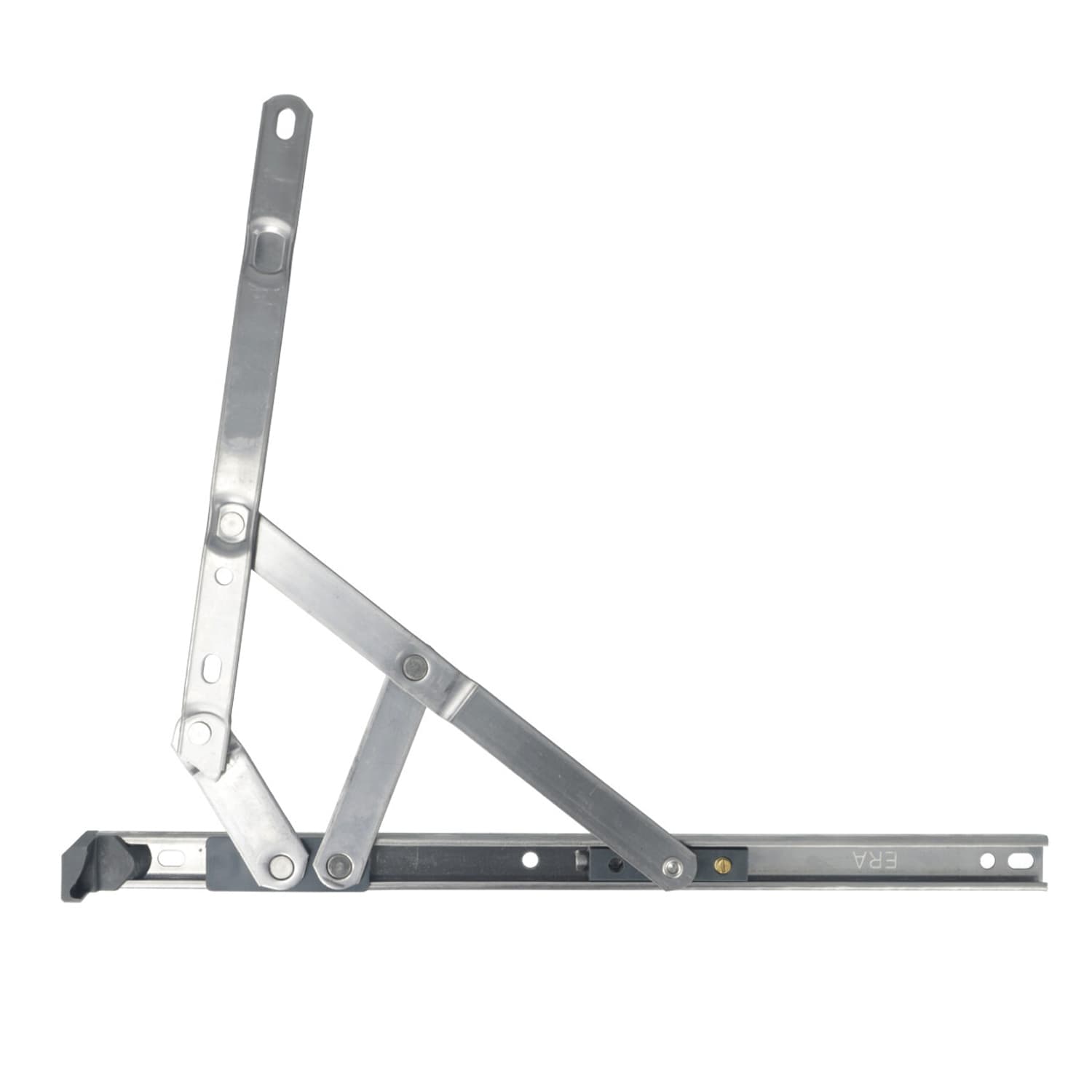
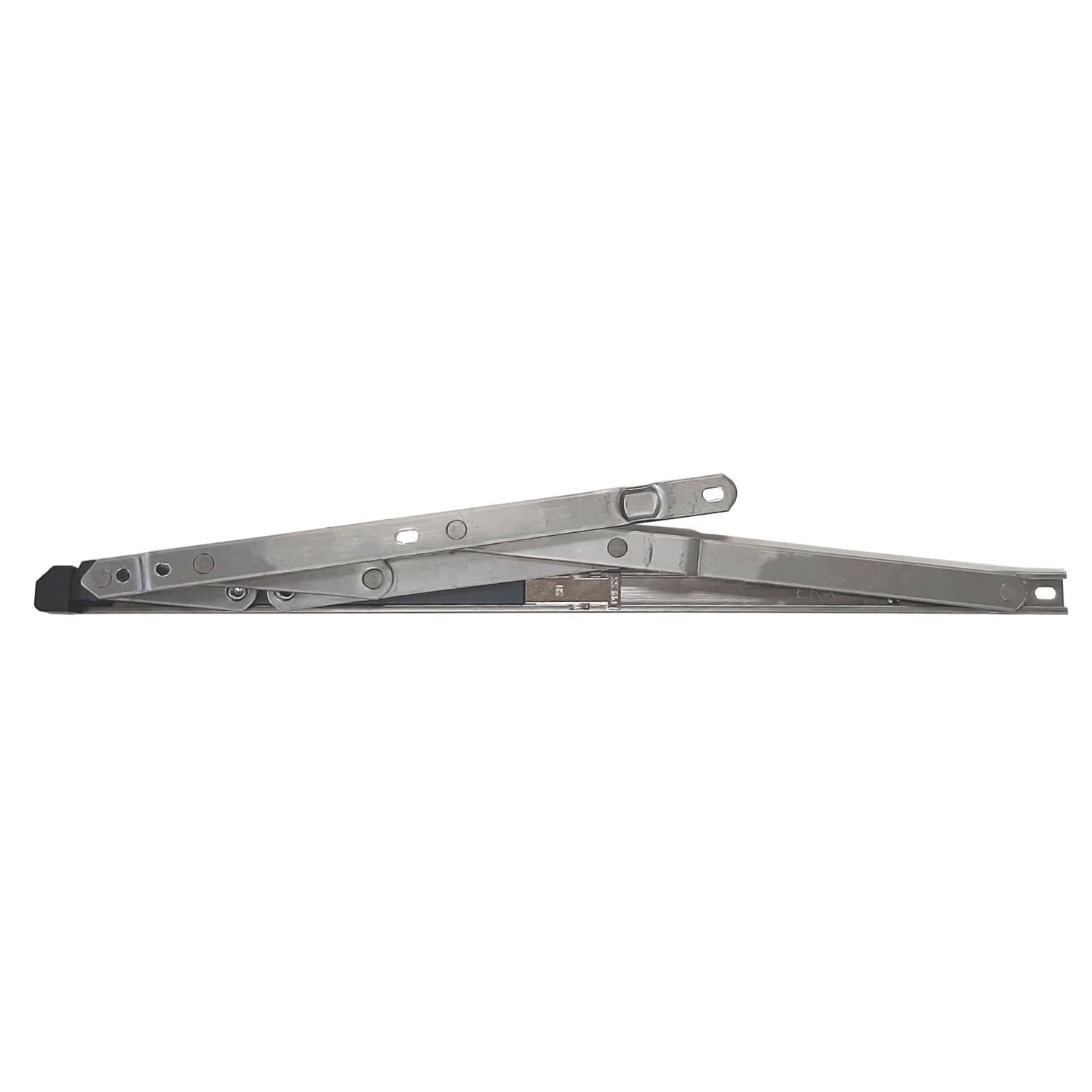
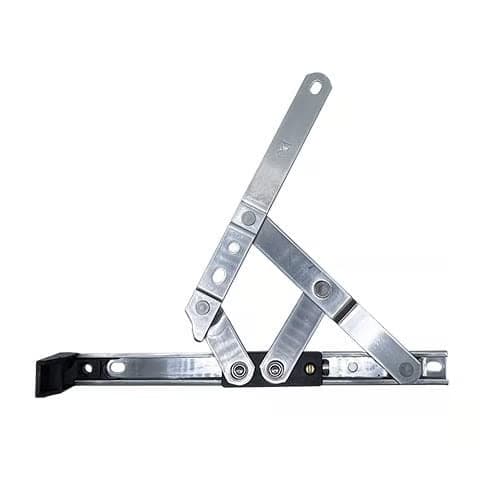
- Friction stays: Often stainless steel; integrated hinge and stay function that provides smooth friction control over the sash; common on modern uPVC and aluminium casements.
- Telescopic or adjustable stays: Allow fine adjustment of opening and can act as restrictors for safety.
- Restrictor and security stays: Limit the sash opening for child safety or to deter intruders; available with locking mechanisms.
Materials and corrosion resistance
Choose materials to suit the environment: bright zinc-plated steel is economical for internal installations; brass is traditional and decorative for period work; stainless steel is recommended for coastal or high-moisture locations. For external use always specify corrosion-resistant finishes; for coastal properties grade 316 stainless is preferable where salt spray is likely.
How to choose the right window stay
Selection depends on sash size, weight and the opening style. Key considerations include:
- Sash weight and dimensions: heavier sashes require stays or hinges with greater load capacity; friction stays are specified by length and rated load.
- Mounting method and frame material: timber, uPVC and aluminium require different screw types and fixing approaches.
- Security and safety requirements: child safety restrictors or locking stays may be needed for ground-floor or accessible windows.
- Aesthetic preference: exposed peg stays suit traditional properties; slimline friction stays suit contemporary frames.
Practical installation tips: trade and DIY
Follow these practical steps for a reliable installation; tradespeople will recognise best practice, while competent DIYers can use these pointers to get a neat result.
- Prepare tools and fixings: drill, countersink, Pozi or Phillips screwdriver, pilot drill bits, spirit level, pencil, clamps or sash support. Use corrosion-resistant screws to match the stay finish; countersunk heads give a tidy appearance.
- Measure and mark carefully: position the stay so that the arm clears the opening and does not foul handles or external casings. Dry-fit components before drilling.
- Pilot holes: for timber frames pilot holes equal to the screw core diameter reduce splitting; for hardwood increase pilot size slightly. For metal frames use metal-specific screws or self-tapping screws as appropriate.
- Screw length: choose screws long enough to engage at least 20mm of solid material in the frame or sash; for thin sashes this may mean using shorter screws in the sash and longer fixings in the frame fixing.
- Support the sash: when fitting stays to a loose sash support it to prevent sudden movement; two people or a sash clamp helps with heavier windows.
- Align and test: once fitted test the full range of movement, check for bind points and ensure the stay secures in the chosen positions. For ratchet and friction stays adjust the mechanism per manufacturer instructions.
- Seal external fixings: where the stay mounts to exposed timber or exterior face ensure a small bead of appropriate sealant or a drop of linseed oil on brass fixings to reduce water ingress and staining.
Maintenance and replacement
Regular maintenance extends life and keeps operation smooth. Typical tasks:
- Inspect annually for play, corrosion and worn teeth or pawls on ratchet stays.
- Lubricate moving joints with a light machine oil or PTFE dry spray; avoid heavy greases that attract dust.
- Replace stripped screws and damaged pegs promptly; a loose stay will not secure the sash safely.
- For friction stays check adjustment screws; these allow you to increase or decrease resistance to suit the sash weight.
Signs that a stay needs replacing include excessive movement under load, visible corrosion, broken pawls, or a fractured arm. Use a like-for-like replacement where possible; where upgrading to a friction or restricted stay, confirm compatibility with existing hinges or consider re-specifying the hinge system. For more on hinge selection see our window hinges guide.
Safety, building regulations and security
Consider safety and compliance: restrictors are often specified where child safety is a concern; for fire escape windows any restrictor must release readily from the inside in an emergency. For security specify stays with locking mechanisms or consider supplementary hardware such as hinge side bolts. Make sure fittings do not compromise escape routes and that any locks comply with relevant standards; when in doubt consult the manufacturer’s recommendations and building regulations guidance.
Trade tips: small details that reduce callbacks
- Use stainless steel screws with stainless stays: mixed metals accelerate corrosion.
- Match the centre-to-centre hole spacing to the sash thickness to avoid levering the stay out of alignment.
- Keep spares on-site: pegs and small screws are common items in call-outs.
- When replacing an old peg stay consider switching to a ratchet or friction stay for improved usability and durability; explain the benefits to the customer clearly.
Recommended Products
Based on this article, you may find these products helpful:
- Top Hung Friction Stay - 12"
- ERA Egress (Fire escape) Friction Stay
- TSS Standard Friction Stays – 13mm & 17mm Stack Height
- Restricted Friction Stay Hinges
- Top-Hung Window Hinge - Standard
Conclusion and next steps
Selecting the right window stay and fitting it correctly keeps casement sashes secure, safe and easy to use. For homeowners: check the condition of stays annually, lubricate moving parts and fit restrictors where safety is a concern. For tradespeople: specify materials suited to the environment, follow best-practice fixing methods and keep spares handy. To learn more about complementary hardware and hinge choices visit our window hinges guide or contact Window Hardware Store for product recommendations and technical support.
Related articles
Period Window Stays: Heritage Options for Older Properties
Period Window Stays: Heritage Options for Older Properties Older properties often require hardware that respects traditional appearance while providing mod...
Replacing Old Window Stays: Finding Matching Hardware
Replacing an old window stay can restore functionality, security and appearance to a worn casement. Whether you are a joiner, a glazing contractor or a dil...
How to Replace Friction Hinges on uPVC Windows
How to Replace Friction Hinges on uPVC Windows Overview Friction hinges are the most common operating mechanism on uPVC casement windows in the UK. They al...