
Cat Flap Fitting Services for uPVC Doors: What to Look For
Cat Flap Fitting Services for uPVC Doors: What to Look For. If you are searching for a reliable cat flap for upvc door installation, the choice of product ...
Cat Flap Fitting Services for uPVC Doors: What to Look For. If you are searching for a reliable cat flap for upvc door installation, the choice of product and fitter affects security, thermal performance and the long-term condition of the door. This article sets out what homeowners and trade professionals should check when quoting, fitting and finishing a pet flap into a uPVC residential door.
Why uPVC doors need specialist attention
uPVC doors are often hollow or foam-filled and typically contain steel reinforcement in the rails and lock stile. A generic cut-out will not work without planning: cutting through reinforcement can damage the multi-point locking system and lead to draughts, rattles or loss of structural rigidity. Professionals will assess door construction, handle and lock positions and frame detail before cutting. A correct installation maintains weatherproofing, retains the door’s security rating and avoids invalidating manufacturer warranties.
Pre-installation checks to make
- Confirm door type: single-skin, foam-filled, or timber-core; check for aluminium or galvanised steel reinforcement. This determines the template and tools.
- Locate internal components: multipoint locking rods, central locking hooks and the lock case; avoid cut-outs that interfere with these.
- Measure pet size and behaviour: flap height and swing direction should suit the cat’s stride line and allow free access without scraping the floor.
- Check glass and glazing positions: ensure the cut-out avoids double-glazed units and sealed glass edges.
- Consider existing security: if the door has an alarm or sensors, check for cable routing needs for electronic flaps.
What a competent fitter should provide
A reputable fitting service will carry out a site survey and produce a clear quote. During installation they should use purpose-made templates from the flap manufacturer to ensure a neat fit. Key items that indicate professional work include:
- Survey documentation showing reinforcement and lock locations.
- Use of suitable cutting tools and low-speed settings to avoid melting uPVC; drill pilot holes and use jigsaws or router cutters recommended for uPVC.
- Reinforcement plates or liners fitted into hollow doors where necessary; foam-filled doors may require a backing plate to support the frame.
- Appropriate weather seals and brush strips so the flap is draught-proof and watertight.
- Security features: flip-locks, lockable inner panels or models with one-way locking options for controlled access.
- Testing of fit, movement and any electronic functions such as microchip recognition or magnetic locks; a final clean-up and protection of surrounding frames.
Trade and DIY guidance: tools, materials and steps
Trade professionals will use jigs, templates and routers for a consistent result. For competent DIYers the following checklist explains typical steps; consider hiring a pro if any step looks uncertain:
- Tools and consumables: template supplied with flap, pencil, spirit level, masking tape, centre punch, drill with brad-point and hole-saw bits, low-speed jigsaw with fine-tooth blade suitable for plastics, file, silicone sealant, stainless steel screws, and a reinforcement plate if required.
- Mark up: use manufacturer template and mask the cut area to reduce chipping. Double-check dimensions and pet height before cutting.
- Drill pilot holes: at corners to accept the jigsaw blade; work at moderate speed to avoid melting edges.
- Cut and test-fit: cut inside the marked line to allow for adjustments; trial fit the inner and outer frames before final fixing.
- Reinforce and seal: fit backing plates in hollow doors and run silicone around the perimeter where the frame meets the door skin to prevent moisture ingress.
- Fit hardware: attach the flap frame and secure with the recommended fixings; cheat-screws or longer stainless steel screws may be necessary for foam cores.
- Complete commissioning: check flap swing, weatherproofing and any lock or electronic function; provide the owner with maintenance advice.
Security and weatherproofing considerations
Security should be a primary concern for external doors. Avoid placing a cat flap immediately adjacent to the lock stile or within the reach of multipoint gear. Choose flaps with lockable inner panels and consider models that can be locked from the inside when the owners are out. Microchip or RFID-operated flaps reduce unwanted access but need correct alignment and battery replacement schedules. Ensure brush seals and compression gaskets are in place to maintain the door’s thermal performance; a poor installation will increase heat loss and could lead to condensation in the door or frame.
Choosing the right product for uPVC
Select a product designed for uPVC doors: the manufacturer will publish templates and reinforcement requirements. Consider:
- Size: match opening to your cat’s dimensions; oversize flaps can compromise security.
- Type: mechanical swing, magnetic-seal, microchip/RFID, or electronic locking; weigh convenience against complexity and power requirements.
- Weather rating: look for flaps with good sealing, brush strips and durable, UV-stable materials so the flap will not degrade in sunlight.
- Warranty and serviceability: choose models with available spare parts and clear instructions for replacing seals or motors in electronic units.
Typical costs and timescale
Prices vary with product type and door construction. A straightforward mechanical cat flap installed in a standard uPVC panel by a professional often starts from a moderate rate, while electronic or microchip-flaps add cost for control units and batteries; reinforced doors or those requiring heavy modification attract extra labour and material charges. Expect a site survey and fitting to take between one and three hours for a standard job; complex requirements or additional reinforcement can extend this.
Recommended Products
Based on this article, you may find these products helpful:
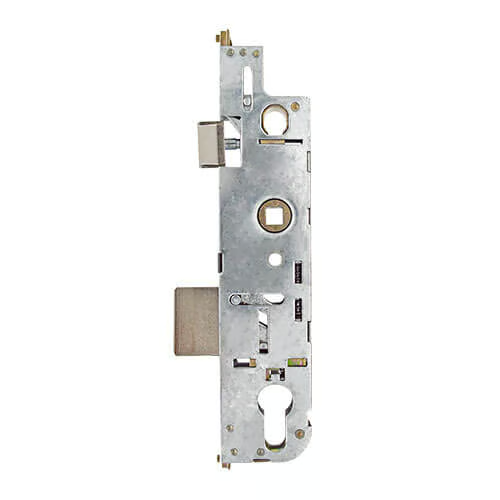
- Multipoint Gearbox GU Old Style
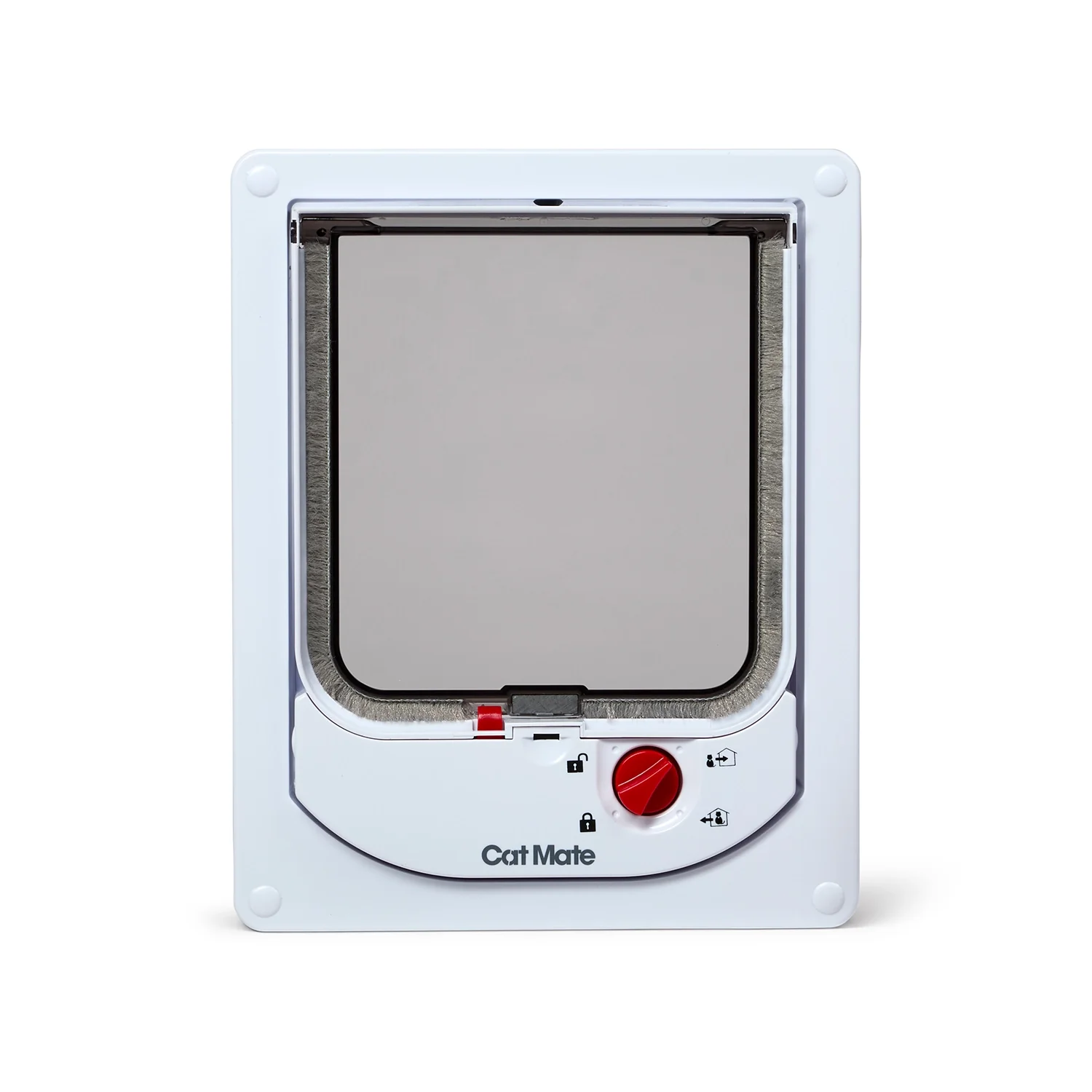
- Cat Mate Electromagnetic Cat Flap
- E-Type Gasket - Black 5m Roll
- E-Type Gasket - Black (Per Metre)
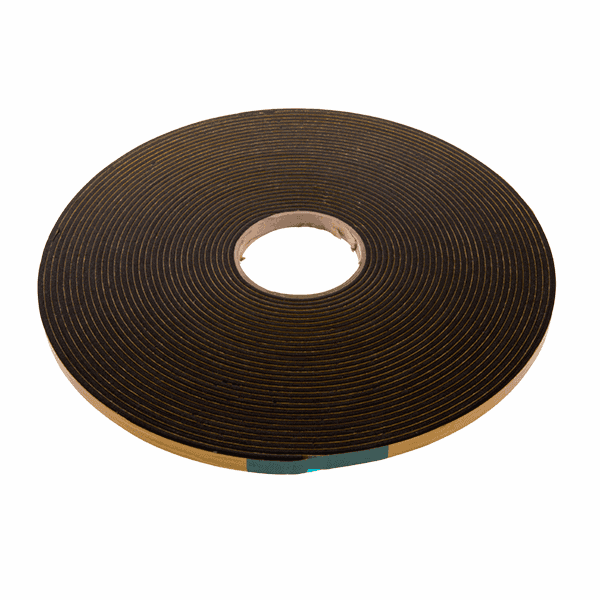
- Structural Glazing Tape - 20mm
Conclusion and next steps
Installing a cat flap into a uPVC door needs careful planning to preserve security, weatherproofing and the door’s structural integrity. For homeowners consider a pre-installation survey and choose a product with appropriate sealing and locking options. Trade professionals should confirm reinforcement requirements and provide a documented survey before cutting. For further technical detail on pet flap types and templates, visit our pillar resource at /guides/pet-flaps. If unsure about door construction or if the door contains reinforcement near the desired location, arrange a professional survey before attempting a DIY fit.
Products mentioned in this article
Related articles
Replacing uPVC Door Panels with Cat Flap Panels: A Cleaner Solution
Replacing a uPVC door panel with a purpose-made cat flap panel is a practical way to give pets easier access while keeping the rest of the door intact. Whe...
Rented Property Cat Flap Options: What Landlords Need to Know
Rented Property Cat Flap Options: What Landlords Need to Know Installing a cat flap in a rented property can improve tenant satisfaction but it raises ques...
Dog Flap Insulation: Preventing Heat Loss Through Larger Pet Doors
Dog Flap Insulation: Preventing Heat Loss Through Larger Pet Doors Large dog flaps are convenient for owners and pets, but they create a significant therma...