
Cat Flap Security: How to Stop Unwanted Cats Entering Your Home
Cat Flap Security: How to Stop Unwanted Cats Entering Your Home Cat flaps are a convenient way to give pets independent access, but they can also be exploi...
Cat Flap Security: How to Stop Unwanted Cats Entering Your Home
Cat flaps are a convenient way to give pets independent access, but they can also be exploited by neighbourhood cats, wildlife and, in rare cases, opportunistic intruders. This post covers practical trade and DIY advice on selecting, fitting and securing cat flaps to keep your home safe while maintaining thermal performance and durability.
Why unwanted cats get in through a cat flap
Understanding the reasons other cats use a cat flap helps to choose the right solution. Common drivers include food and shelter; stray or neighbouring cats will learn times when doors are unlocked or food is left out. Passive flaps are indiscriminate; any animal of a suitable size can push through if the flap is loose or damaged. In some locations, foxes or small mammals may also try to use pet flaps.
Choose the right type of cat flap
Not all cat flaps are equal. Choose a specification that matches the property, the pet and security requirements.
- Mechanical flaps: low cost but offer only basic security; they can be held open by other cats and are easy to exploit.
- Magnetic flaps: require a magnet on the cat's collar; better than mechanical models but magnets can be lost and collars may snag.
- Microchip or RFID flaps: read an implanted microchip or an RFID tag and unlock only for registered animals; this is the most reliable selective-entry option for the majority of UK homes.
- Directional flaps: allow exit only, or entry only; useful where you want to let your cat out but prevent other cats entering.
- Lockable manual flaps and secure covers: simple additional physical security that can be used at night or when away.
Hardware and installation considerations for tradespeople
When specifying and fitting a cat flap, consider the door or window type and how the installation will affect security and thermal performance.
- uPVC doors and windows: use flaps designed for uPVC; avoid cutting into sealed units. For glazed panels use a specialist double-glazed unit incorporating the flap to maintain U-values and warranty; this should be fitted by a glazier.
- Composite and solid doors: choose flaps specifically for composite construction; reinforce internally where the flap meets the door core to prevent flexing and prising.
- Timber doors: ensure the aperture is sealed and fixed with corrosion-resistant fixings; rebated frames may need additional timber packers to preserve the door's structural strength.
- Patio and sliding doors: use commercially available conversion kits; reinforce the panel and retain multipoint locking where possible; fit anti-lift devices on the sliding track.
- Through-wall installations: install an insulated tunnel sleeve to prevent cold bridging; ensure the sleeve does not compromise the damp-proof course or structural cavity insulation. Structural work should be carried out by a qualified tradesperson.
DIY fitting tips and safety checks
For competent DIYers many installations are achievable; follow manufacturer templates and take care with tools and materials.
- Measure your cat accurately: height from floor to shoulder and girth; allow adequate clearance so the cat is not stressed by the aperture.
- Use the template supplied, and check the position for comfortable access: consider internal furniture and external ground level.
- If cutting glass or sealed units is required do not attempt this yourself unless you are a qualified glazier; replacing a sealed unit is the safest option to preserve insulation and reduce condensation risk.
- Seal all edges with appropriate silicone sealant to prevent water ingress and drafts; use foam or packing where the flap sits in thin panels to prevent movement.
- For uPVC installations, remove and refit glazing beads carefully and avoid damaging glazing gaskets; use the correct screw length to avoid penetrating seals or frame chambers.
- After installation check the operation of any multipoint locks or security furniture to ensure the flap has not altered door alignment.
Upgrading for selective entry and security
For most homeowners the best balance of convenience and security is a microchip or RFID selective-entry cat flap. Trade professionals should advise on models with:
- Anti-pull and reinforced flaps to resist prising;
- Adjustable read-range and programmable IDs so only wanted animals gain access;
- Multiple locking modes including fully locked, in-only, out-only and automatic;
- Battery life and low-voltage indicators; long-life lithium batteries reduce maintenance visits;
- Weatherproof ratings and robust materials: reinforced plastic or aluminium frames resist wear and reduce rattling.
Additional deterrents and good practice
Combine hardware with behavioural measures to reduce unwanted traffic through a cat flap.
- Remove or relocate food bowls and bird feeders to make your property less attractive to strays.
- Use selective-entry modes at times of day when stray cats are most active, for example locking overnight.
- Install a lockable security cover for holidays or extended absences.
- Consider tactical landscaping: low fencing, thorny plants or gravel strips can deter stealth approaches without harming wildlife.
- Regularly check the flap for wear, cracked seals and loose fixings; replace batteries and clean sensors to keep selective-entry systems reliable.
Security against human exploitation
Although rare, prevent unscrupulous entry by reinforcing the surrounding door or panel. Recommended measures include:
- Using flaps with internal locking mechanisms and reinforced frames;
- Adding steel plates or toughened surrounds where a thief could try to lever the flap;
- Ensuring that multipoint locks and handles are not weakened by the installation; a secure door is the first line of defence.
Maintenance and troubleshooting
Regular checks extend the life of a pet flap and maintain security. Tasks include:
- Monthly cleaning of flaps and sensor areas to remove fur and dirt;
- Checking seals and gaskets for compression set and replacing them when brittle;
- Monitoring battery status and programming memory; keep a spare battery in the house;
- Inspecting fixings and frame alignment; tighten or replace screws that have worked loose.
Recommended Products
Based on this article, you may find these products helpful:
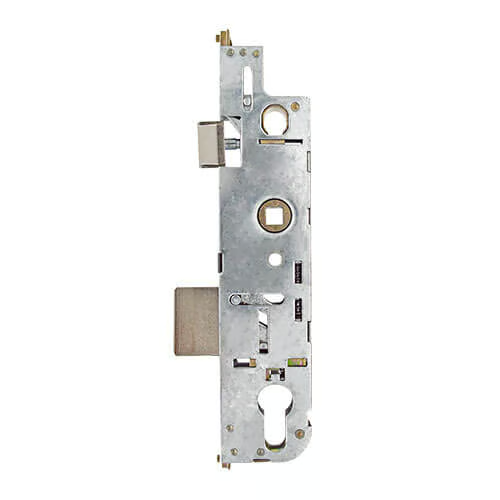
- Multipoint Gearbox GU Old Style
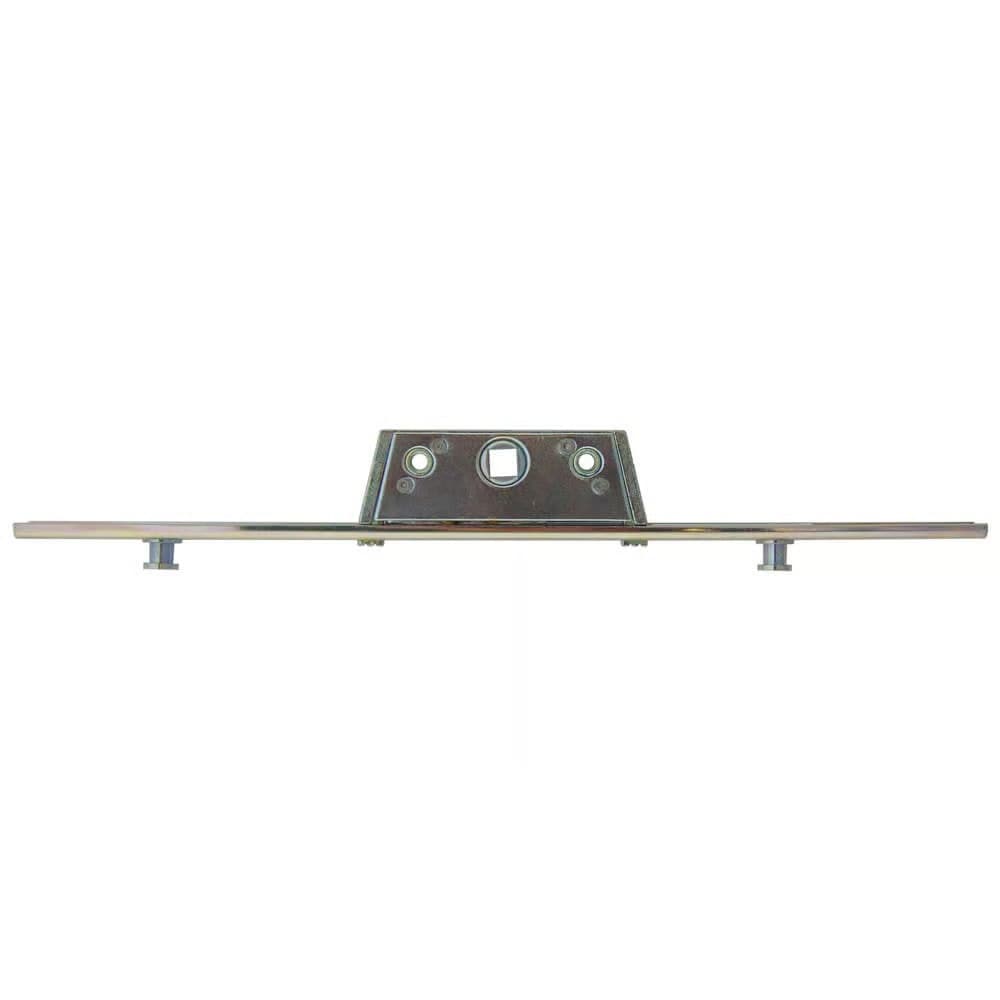
- In-Line Window Mechanism
- Offset Window Mechanism
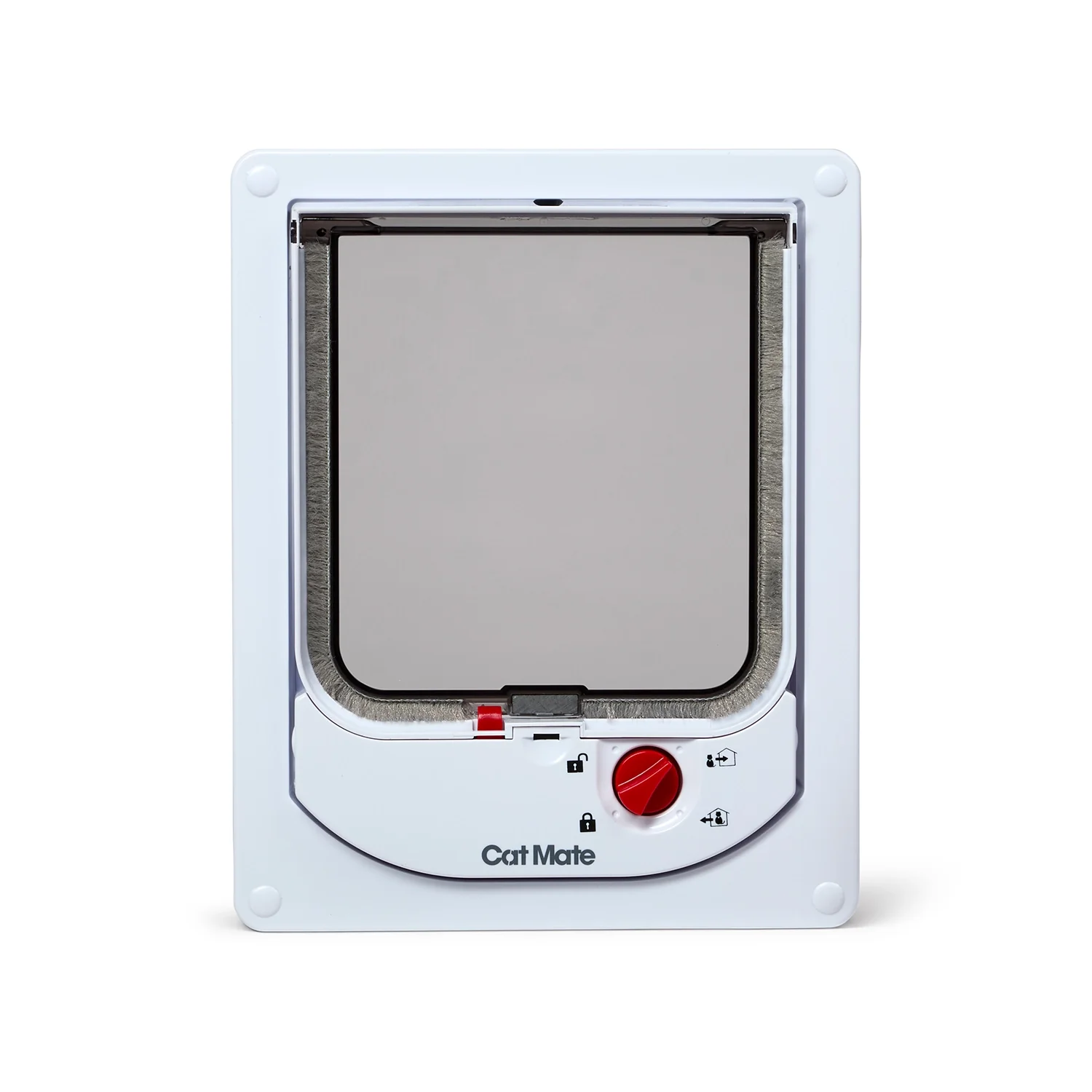
- Cat Mate Electromagnetic Cat Flap
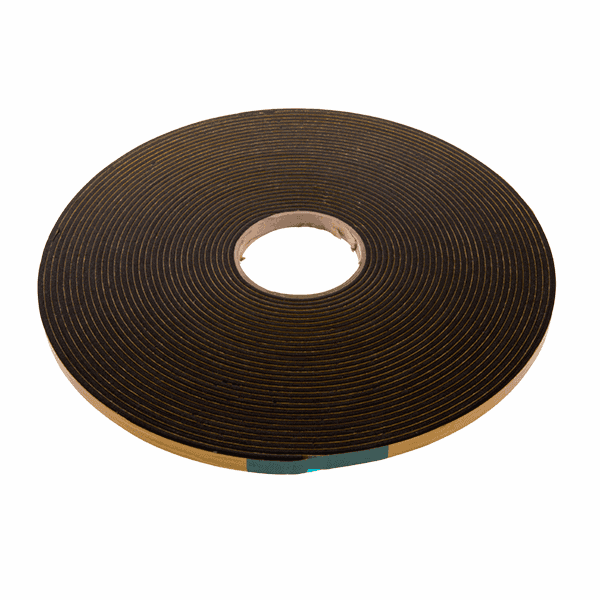
- Structural Glazing Tape - 20mm
Conclusion and next steps
Secure cat flaps are a combination of the right product, correct installation and sensible routines. For most UK homes a microchip-enabled flap fitted into an appropriate panel or sealed unit, with reinforcement where needed, will prevent most unwanted animals from gaining access. If you are unsure about cutting glazing, altering a door core or preserving multipoint locking, engage a qualified glazier or joiner to carry out the work.
For product choices, technical datasheets and trade advice see our pet-flaps hub: /guides/pet-flaps. Contact our trade team for specifications, fitting packs and bulk pricing for selective-entry cat flaps and reinforced frames.

Related articles
Replacing uPVC Door Panels with Cat Flap Panels: A Cleaner Solution
Replacing a uPVC door panel with a purpose-made cat flap panel is a practical way to give pets easier access while keeping the rest of the door intact. Whe...
Rented Property Cat Flap Options: What Landlords Need to Know
Rented Property Cat Flap Options: What Landlords Need to Know Installing a cat flap in a rented property can improve tenant satisfaction but it raises ques...
Dog Flap Insulation: Preventing Heat Loss Through Larger Pet Doors
Dog Flap Insulation: Preventing Heat Loss Through Larger Pet Doors Large dog flaps are convenient for owners and pets, but they create a significant therma...