Composite Door Handle Finishes: Chrome, Black, and Antique
Choosing the right composite door handle can transform the look, security and durability of a composite door. For tradespeople and savvy DIYers, understanding the differences between chrome, black and...
Choosing the right composite door handle can transform the look, security and durability of a composite door. For tradespeople and savvy DIYers, understanding the differences between chrome, black and antique finishes helps specify the correct product for each job. This guide explains finish characteristics, practical installation considerations, maintenance and compatibility with locks and accessories so you can make informed recommendations and get a clean, professional installation.
Why finish matters for a composite door handle
The finish on a composite door handle affects more than appearance: it influences corrosion resistance, scratch visibility and how the handle pairs with hinges and letterplates. When fitting in coastal properties or high-humidity environments, choosing the right finish is crucial. Consider these factors when specifying a composite door handle:
- Corrosion resistance: some finishes have protective coatings; others are solid plated.
- Wear and tear: matt finishes hide fingerprints; polished finishes show scratches sooner.
- Design coordination: handles should match or complement locks, escutcheons and hinges.
- Cost and availability: certain finishes may have longer lead times or higher prices.
Chrome composite door handle: pros and cons
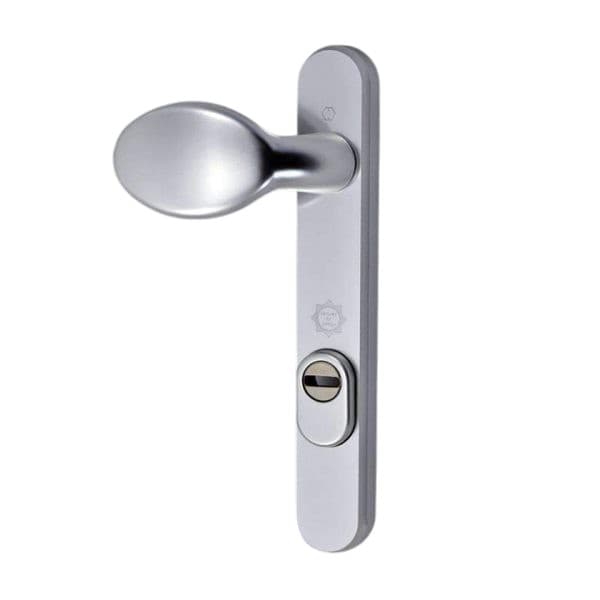
Chrome is the classic choice for modern and traditional composite doors. A chrome composite door handle typically has a bright, reflective finish that suits urban and contemporary schemes. Key points:
- Appearance: high-shine chrome gives a clean, reflective look; good for modern doors and minimalist hardware.
- Durability: chrome plating over brass or zinc is generally hard-wearing; check plating thickness for commercial settings.
- Maintenance: easy to clean with mild detergent; shows fingerprints and water marks more readily.
- Compatibility: chrome pairs well with stainless steel or chrome locks and hinges; ensure matching tones to avoid a mismatched finish.
Practical tip: for high-traffic entrances specify hard chrome or polished chrome with a robust backing material to reduce plating wear. Tradespeople should check torque settings and screw types to avoid scratching the finish during installation.
Black composite door handle: styles and performance
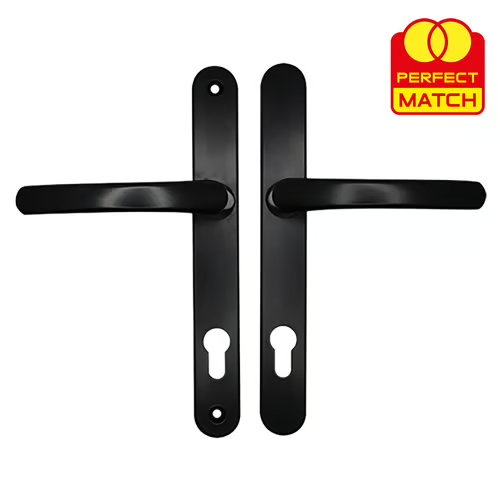
Black handles are increasingly popular on composite doors for their contemporary aesthetic. Whether matt black, satin black or textured black, this finish offers a bold contrast and hides marks effectively.
- Appearance: matt black gives a modern, understated look; satin or textured black provides subtle depth.
- Durability: powder-coated steel or PVD-coated brass gives excellent wear resistance; PVD is superior for long-term finish stability.
- Maintenance: black finishes conceal fingerprints and smudges better than chrome; clean with non-abrasive cloths to preserve coatings.
- Compatibility: black handles work well with black hinges and letterplates for a cohesive look; consider the door edge and threshold colours too.
Installation note: when fitting a black composite door handle, use the provided screws; avoid stainless screws that may contrast if visible. If drilling, protect the surface with tape to prevent chipping of the coating.
Antique composite door handle: character and care
Antique finishes add character to heritage or period-style composite doors. Antique brass or bronze-look finishes provide warmth and a hand-forged appearance suitable for traditional properties.
- Appearance: aged tones vary from honey-brown to deep brown with subtle highlights; helps blend with timber-look panels.
- Durability: many antique finishes are lacquered to protect the patina; check that the finish is sealed if used externally.
- Maintenance: avoid harsh cleaners that strip the lacquer; use wax polish for unlacquered finishes if appropriate.
- Compatibility: pairs well with period hinges, escutcheons and traditional letterplates; ensure lock finishes match to maintain cohesive styling.
Specifiers should confirm whether the antique composite door handle is lacquered or left to develop natural patina; this affects long-term appearance and maintenance needs.
Installation and compatibility considerations
Getting the right composite door handle installed correctly prevents rattles, wear and security issues. Follow these practical steps:
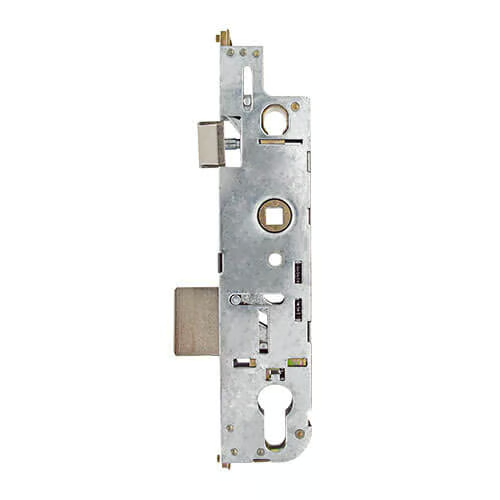
- Check spindle size and backset: confirm compatibility with the door lock and the handle set to avoid loose operation.
- Use correct fixings: choose screws and bolts recommended by the manufacturer; stainless fasteners are preferred for external use.
- Align handles accurately: ensure the spindle fully engages the mechanism and that escutcheons are flush to the door surface to avoid water ingress.
- Protect finishes during fitting: use soft cloths, masking tape and correct torque settings to prevent scratches or chipping.
- Test operation: cycle the handle and lock multiple times; check for binding, backset mismatch or spindle slip before final fixing.
Maintenance and troubleshooting by finish
Routine maintenance keeps a composite door handle performing and looking good. Follow these finish-specific tips:
- Chrome: clean with warm soapy water; avoid abrasive pads; apply a metal polish occasionally if needed.
- Black: wipe with a damp microfibre cloth; avoid solvent cleaners that can dull powder coatings or PVD layers.
- Antique: use a mild wax for unlacquered finishes; lacquered finishes only need gentle cleaning to preserve the patina.
- General: lubricate the lock mechanism annually with graphite or a dry PTFE spray rather than oil to avoid attracting grit.
Common issues to watch for include loose handles due to worn spindles, handle sag from stripped fixings, and finish damage from incorrect cleaning products. For trade jobs, carry spare spindle sets and a selection of fixings to avoid delays.
Conclusion: Selecting the right composite door handle finish depends on aesthetic goals, environmental exposure and performance needs. Chrome offers a classic high-shine look; black gives a modern, low-maintenance finish; antique provides period charm. For best results, confirm compatibility with locks and hinges, protect finishes during installation and follow simple maintenance routines. Tradespeople will find that specifying the correct composite door handle and fitting it properly leads to satisfied customers and long-lasting doors.
Recommended Products
Based on this article, you may find these products helpful:
Part of our guide:
Complete Guide to Door Handles