Composite Door Handle Security: What to Look For
Introduction Choosing the right composite door handle is crucial for security, durability and aesthetics. Whether you are a trade installer fitting multiple doors on site or a DIY homeowner upgrading...
Introduction
Choosing the right composite door handle is crucial for security, durability and aesthetics. Whether you are a trade installer fitting multiple doors on site or a DIY homeowner upgrading a front entrance, knowing what to look for helps prevent costly callbacks and security compromises. This guide explains the key security features, compatibility considerations and installation tips for composite door handle selection and fitting.
Security standards and certification
Start by checking recognised standards when selecting a composite door handle. Handles themselves may be covered by different standards than locks, but a compliant handle will work with lock cylinders and multipoint systems that meet current security requirements. Look for the following:
- PAS 24: enhanced security performance for doors; a composite door handle should be used with locks and cylinders that help the overall door assembly meet PAS 24.
- Secured by Design: products accredited to this police-backed scheme are designed with crime prevention in mind; compatible handles are frequently recommended.
- TS 007 3-star cylinders: when fitted behind a composite door handle, a 3-star cylinder reduces the risk of snapping and forced entry.
Ensure the composite door handle you choose does not impede the installation of such cylinders or multipoint locking mechanisms.
Mechanical features to prioritise
Some mechanical aspects directly affect how secure a composite door handle will be in practice:
- Spindle construction: solid steel or reinforced spindles resist shear and torsion. Avoid hollow or thin spindles on high-traffic external doors.
- Fixing centres: check the handle backplate fixing centre measurement so the handle lines up with existing lock furniture; common centres include 92mm and 92/62 for different multipoint locks.
- Dog bolts and through-fixings: handles that secure with dog bolts and long screws into reinforced blocks provide better pull-out resistance than surface screws alone.
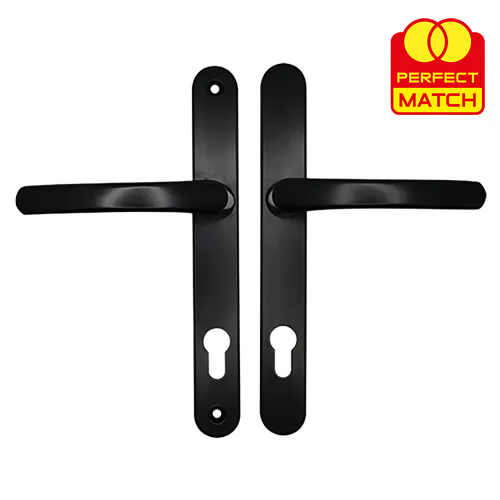
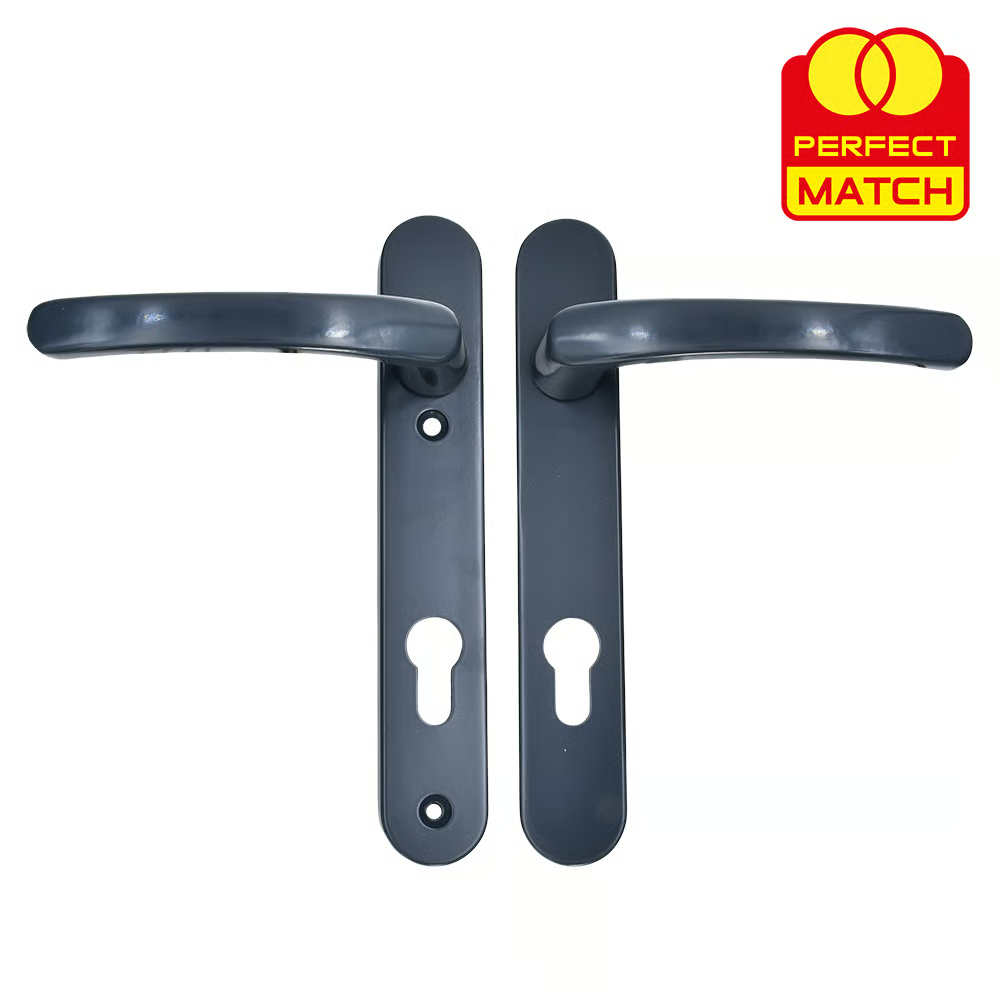
- Backplate strength: long backplates spread load across the door face; composite door handle backplates should be robust and resist levering.
- Spindle length: pre-cut or adjustable spindles should match door thickness to avoid excess spindle exposure inside the door cavity.
Compatibility with locks and multipoint systems
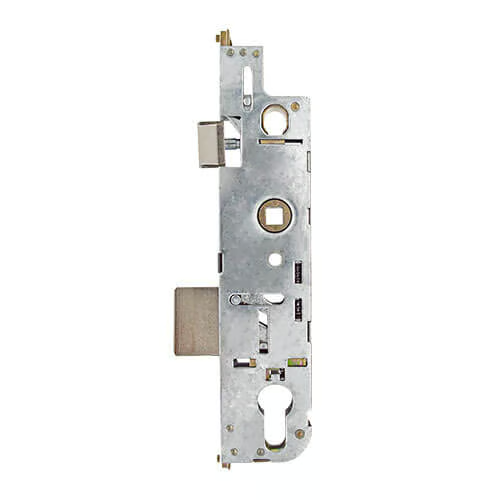
Composite doors use multipoint locks; a composite door handle must be compatible with the gearbox and follower size. Key points for tradespeople and DIYers:
- Follower size: confirm the handle follower matches the lock gearbox – common followers are 7mm and 8mm; an incorrect follower causes poor operation and wear.
- Backset and plate alignment: the handle should operate the lock correctly without binding; check the backset and keep alignment during fitting.
- Non-handed vs handed handles: composite door handle sets may be handed; confirm handing before ordering to avoid returns.
- Thumbturn and key access: if a handle is supplied with an integrated thumbturn, ensure it does not compromise cylinder security or conflict with the multi-point lock operation.
Anti-tamper features and cylinder protection
A secure composite door handle should accommodate cylinder protection measures. Consider these factors:
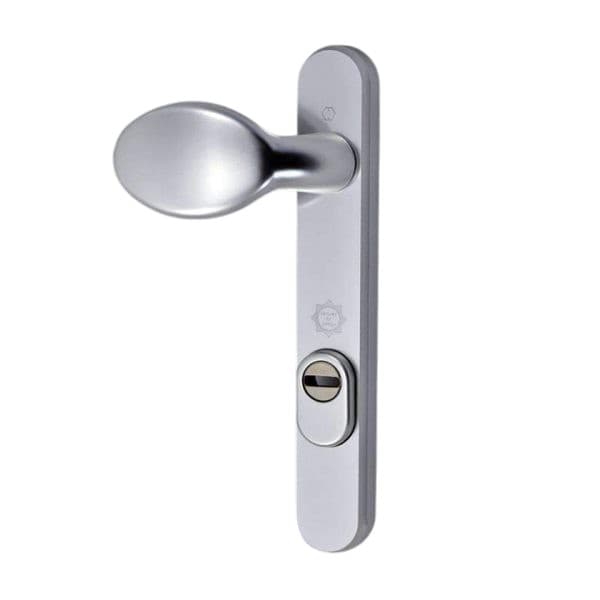
- Escutcheon design: handles designed to work with anti-snap or anti-bump cylinders provide a smaller gap around the cylinder to deter attacks.
- Integral shields: some handles include reinforced cylinder shields to stop lever tools from gaining purchase on the cylinder.
- Cylinder position: keep the cylinder well within the door edge or protected by the handle backplate; a protruding cylinder is vulnerable even with a high-quality composite door handle.
- Combined solutions: pair a strong composite door handle with a TS 007 3-star cylinder and a tested multipoint lock for best results.
Installation best practice for durability and security
Correct installation is as important as product choice. Follow these trade-focused tips to ensure your composite door handle performs as expected:
- Check door thickness: match spindle length and screw length to the actual door thickness including any outer skins or infill panels.
- Reinforce fixing points: where possible, route wood or metal reinforcing plates to accept long fixings; this improves resistance to forced entry.
- Torque and alignment: set handle operation so the spindle moves freely without excess play; over-tightening screw fixings can distort the plate and impair lock function.
- Use correct fasteners: stainless steel or coated long screws reduce corrosion and maintain pull-out strength; avoid short or thin screws supplied just for show.
- Test operation: after fitting the composite door handle, cycle the lock and handle through full operation multiple times and check for any binding or misalignment.
Maintenance and common issues
Routine maintenance extends service life and security. For installers advising clients, recommend these straightforward checks:
- Lubrication: apply a suitable graphite or Teflon-based lubricant to the cylinder; avoid oil-based products that attract dust.
- Fastener checks: inspect fixings annually; tightened or replaced as required to maintain backplate contact with the door face.
- Corrosion prevention: on coastal projects, specify corrosion-resistant composite door handle finishes and stainless fixings.
- Wear signs: look for handle wobble, increased play or difficulty operating the lock; these often indicate spindle wear or loose fixings.
If problems occur, removing the handle and inspecting the spindle, follower and backplate typically reveals the issue quickly.
Conclusion
Selecting the right composite door handle means balancing security, compatibility and build quality. Tradespeople should check standards like PAS 24 and TS 007, ensure correct follower and spindle specifications, use robust fixings and follow best practice installation methods. Homeowners can look for handles that accommodate anti-snap cylinders, have reinforced backplates and come with clear fixing and handing information. By focusing on these practical points when choosing a composite door handle, you improve door security and reduce the likelihood of call-backs or failures in service.
Recommended Products
Based on this article, you may find these products helpful:
Part of our guide:
Complete Guide to Door Handles