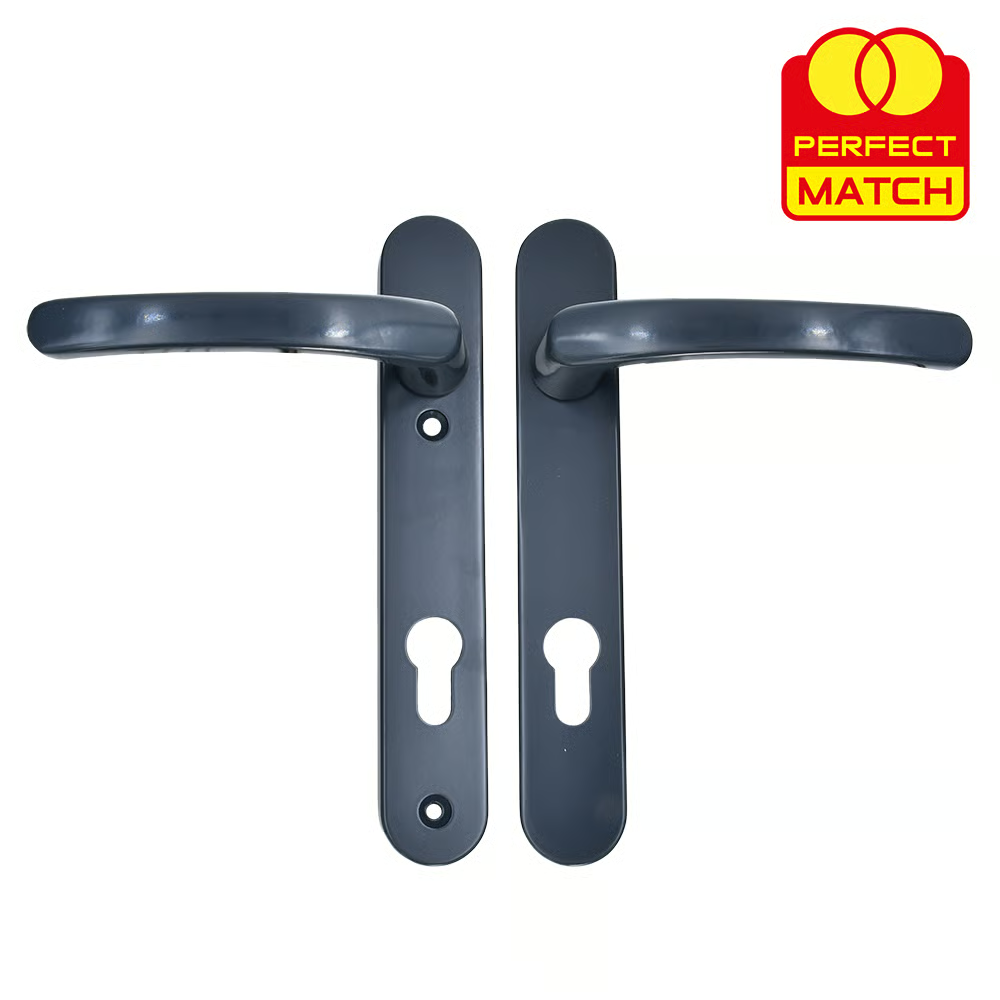
Composite Door Handle vs uPVC Handle: Key Differences
Choosing the right handle for an entrance door is a small decision that can have a big impact on security, longevity and customer satisfaction. In this post we compare composite door handle vs uPVC ha...
Choosing the right handle for an entrance door is a small decision that can have a big impact on security, longevity and customer satisfaction. In this post we compare composite door handle vs uPVC handle, focusing on build, performance, installation and trade considerations. Whether you are a fabricator, installer or a DIY enthusiast, this guide will help you specify the correct handle for the job.
What defines a composite door handle and a uPVC handle
A composite door handle is designed specifically for composite doors: typically these are stronger, heavier doors made from a timber or foam core with a GRP outer skin. Composite door handles are engineered to match the door’s construction and weight, and to meet the security expectations of a high-performance front door.
A uPVC handle is designed for lighter uPVC and PVC-U doors and windows. uPVC handles are usually slimmer, made to work with multi-point locking systems on uPVC frames, and often come as part of coordinated window hardware ranges.
Materials and build quality
Material choice affects durability, finish and how a handle interfaces with locks.
- Composite door handle: commonly manufactured from solid aluminium or zinc alloy with reinforced fixings. The spindle, screws and backplate are sized to handle greater torque and the heavier weight of composite doors.
- uPVC handle: often die-cast zinc or aluminium, but typically with lighter internal components. Fixings are designed for the uPVC sash and may rely on plastic bushes or thinner spindles.
For trade use, specifying handles with stainless steel fixings and corrosion-resistant finishes is essential, especially in coastal areas or for high-usage commercial installs.
Security and locking compatibility
Security is the main reason installers choose a specific handle type. A composite door handle is frequently designed to work with high-security multi-point locks and PAS 24 requirements. It will accept larger, robust spindle assemblies and reinforced latch engagement.
uPVC handles are suitable for standard uPVC multipoint systems, but they may not provide the same level of reinforcement found on composite-specific hardware.
- Composite door handle: typically compatible with 8mm or 10mm spindles, reinforced screw bosses and anti-snap features; suitable for thicker doors and high-security locks.
- uPVC handle: usually uses 7mm or 8mm spindles and fittings optimised for frame cavities and sash thicknesses common to uPVC doors.
Finish, aesthetics and matching
Composite doors are often specified for premium appearance, so the handle should match. A composite door handle is available in a wider range of premium finishes such as textured powder coat, polished chrome and brushed nickel, with larger backplates and escutcheons to suit the door face.
uPVC handles are typically slimmer and may be limited to white, chrome and satin finishes to match window hardware. If a customer wants a uniform look across glazing and door, pay attention to colour matching and the projection of the handle from the door plane.
Installation differences and practical site tips
Installers should be aware of the following differences when fitting a composite door handle versus a uPVC handle:
- Drill template: composite door handle fittings often require larger pilot holes or additional reinforcing plates behind the face of the door. Use manufacturer templates and check screw lengths against door thickness.
- Fixings: use stainless steel woodscrews or security-coated machine screws with backing plates as specified. Do not rely on standard uPVC screw kits for composite doors.
- Torque settings: a composite door handle will need a heavier-duty spindle and should be tested for smooth operation with the specified multi-point lock. Adjust keep plates and striker positions to avoid binding.
- Weatherproofing: when fitting a composite door handle, ensure the outer seal and any gasketed plates are correctly seated to prevent water ingress into machined fixings.
For retrofit jobs, check whether the handle holes and lock centres align; adaptors and conversion kits exist but choose them carefully to maintain security standards.
Cost, warranty and lifetime considerations
Composite door handle units tend to cost more than standard uPVC handles due to heavier materials and better hardware. However, for trade professionals the higher initial cost is offset by fewer callbacks, longer warranty periods and compliance with higher security standards.
- Lifecycle: composite door handle components are built to last; expect longer service life under heavy use compared with typical uPVC handles.
- Warranty: many composite door handle ranges come with extended guarantees; always check terms, particularly for finishes in coastal regions.
- Stocking: tradespeople should stock a small range of popular finishes and fixings for composite door handle installs; this reduces site delay and improves first-time fix rates.
Conclusion
Choosing between a composite door handle and a uPVC handle comes down to door type, security needs, finish and installation demands. For heavy, premium entrance doors, a composite door handle is the correct specification: it offers reinforced fixings, compatibility with high-security locks, and finishes that match the door’s aesthetic. For lighter uPVC doors and standard domestic applications, a uPVC handle is usually adequate and cost effective.
For installers and DIY fitting, always match the handle to the lock manufacturer’s recommendations, use the proper fixings and check weathering and warranty details. Specifying the right handle saves time on site and ensures long-term satisfaction for your customers.
Recommended Products
Based on this article, you may find these products helpful:
Part of our guide:
Complete Guide to Door Handles