Door Handle Backplate Finishes: Matching Your Décor
Choosing the right door handle backplate can transform a door from an afterthought to a design feature. For both tradespeople and DIYers, understanding finishes, compatibility and practical installati...
Choosing the right door handle backplate can transform a door from an afterthought to a design feature. For both tradespeople and DIYers, understanding finishes, compatibility and practical installation details is essential. This guide explains how to select a door handle backplate finish that complements existing décor, works with your hardware and stands up to everyday use.
Why the door handle backplate finish matters
The finish on a door handle backplate affects appearance, durability and maintenance. Tradespeople know that a backplate finish must match other ironmongery and withstand wear from hands, cleaners and weather. Homeowners benefit from understanding finishes so they can choose a look that works with wall colours, skirting and furniture.
When specifying a door handle backplate, consider these practical factors:
- Visual continuity with hinges, locks and escutcheons.
- Resistance to tarnishing and corrosion in high-use areas.
- Ease of maintenance: some finishes hide fingerprints better than others.
- Compatibility with the handle material and door type.
Common backplate finishes and their uses
Knowing the most common backplate finishes helps you advise clients or make the right DIY choice. The most popular options are: polished chrome, satin chrome, brass (polished and aged), nickel, bronze and black finishes. Each finish has trade-offs for style and durability.
- Polished chrome: Bright, reflective and contemporary. Easy to clean but shows fingerprints; suitable for modern kitchens and bathrooms.
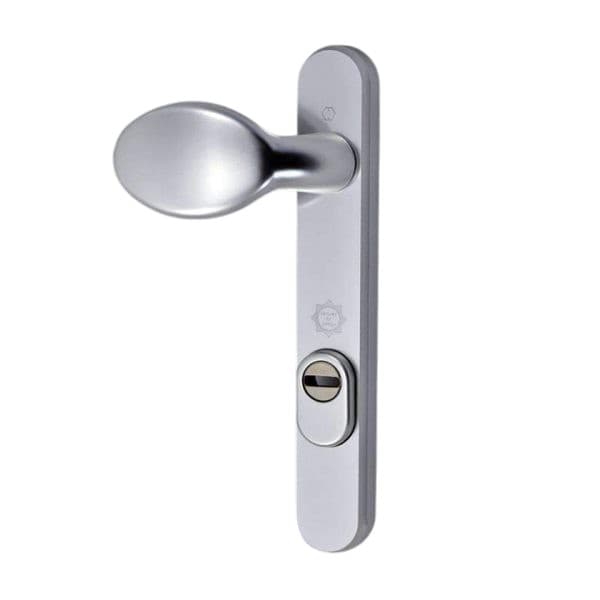
- Satin chrome / brushed chrome: Softer sheen; hides marks better than polished chrome; a good all-round choice for high-traffic areas.
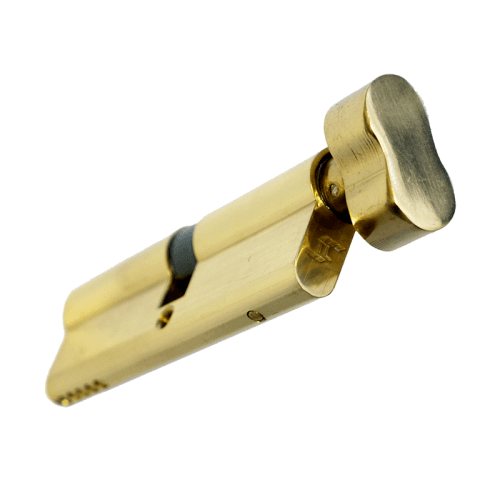
- Polished brass: Warm, traditional look; will require regular polishing unless lacquered.
- Aged or antique brass: Offers a vintage look without the need for constant maintenance; popular in period properties.
- Nickel (satin or polished): Similar to chrome but warmer in tone; matches stainless steel appliances well.
- Bronze and oil-rubbed bronze: Deep, rich appearance; good for rustic or industrial schemes but may develop a unique patina.
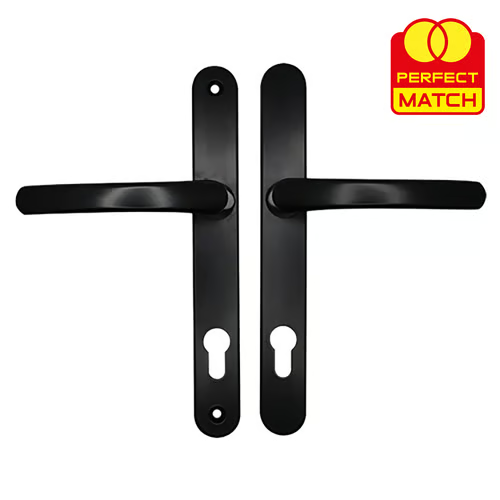
- Matte black: Contemporary and bold; conceals wear and coordinates with modern ironmongery trends.
Matching the backplate finish to your décor
To achieve a cohesive result, coordinate the door handle backplate finish with other room elements. Tradespeople should check existing hardware on site before ordering, and DIYers should take samples to the shop.
Practical matching tips:
- Match metals across visible elements: hinges, letterplates, light switches and sockets where possible.
- Balance warm and cool tones: brass and bronze suit warm-coloured interiors; chrome and nickel pair well with cool palettes.
- Use contrast deliberately: a matte black door handle backplate can provide a striking focal point against a pale door.
- Consider period accuracy: for listed or period homes, aged brass or bronze backplates often suit original carpentry.
Durability and maintenance by finish
Different finishes require different maintenance routines. Tradespeople should advise clients on long-term care to prevent complaints after installation.
- Lacquered finishes: Protect against tarnishing but can chip; avoid strong abrasives when cleaning.
- Unlacquered brass: Develops a natural patina; polish if a shiny look is preferred.
- PVD coatings (physical vapour deposition): Highly durable and scratch resistant; excellent for commercial projects.
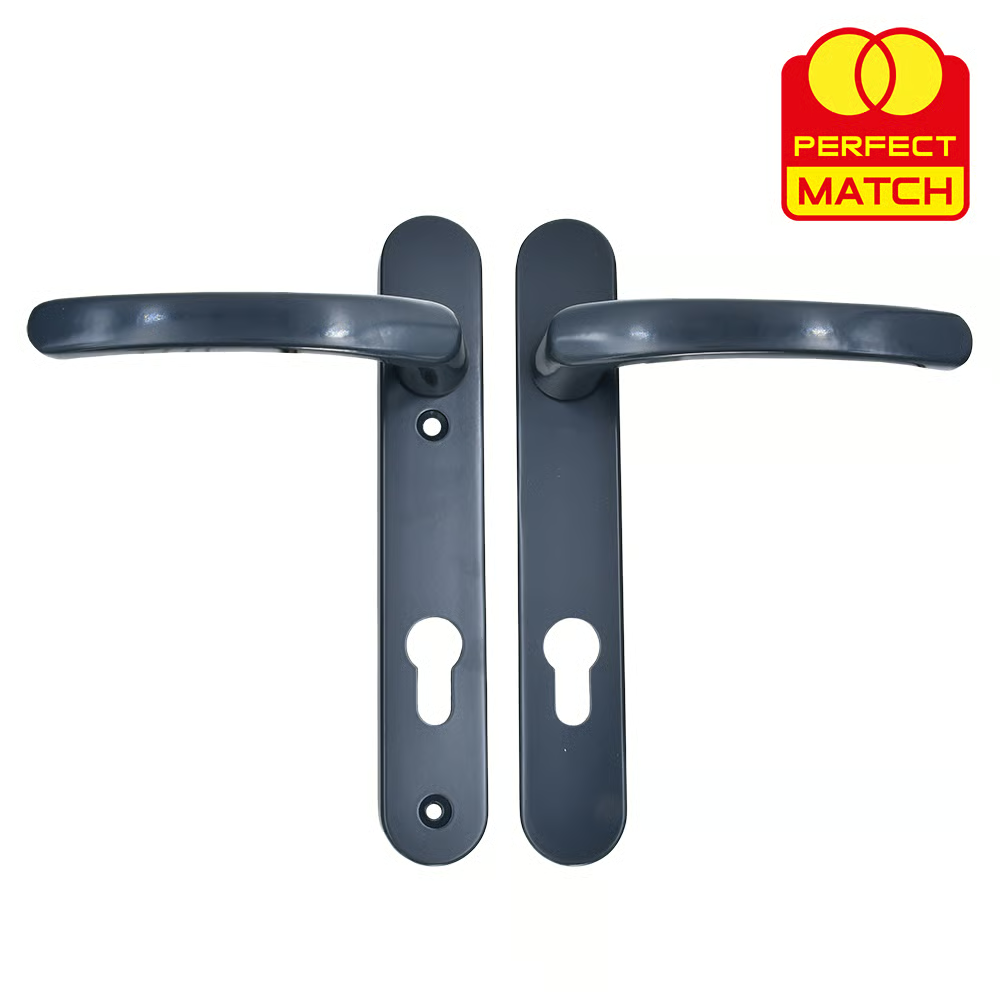
- Powder-coated backplates: Good for coloured schemes and high durability; check for UV resistance if used on external doors.
Advise customers to use mild detergents and microfibre cloths; avoid bleach or coarse pads that damage protective layers.
Practical installation considerations
Beyond finish, the functional details of a door handle backplate matter: size, screw position, keyhole type and suitability for fire doors. Tradespeople will want to check measurements and fixings on site.
- Measure existing screw centres before replacing; misaligned screw holes can weaken the door face.
- Choose backplates with captive screws where possible for a cleaner finish and faster installation.
- Check for compatibility with euro cylinders, mortice locks or bathroom especially locks; the backplate must have the correct cut-outs.
- For external doors, use stainless steel or coated backplates with good corrosion resistance.
- On fire doors, ensure the lock and backplate comply with fire safety regulations; consult manufacturer guidance.
Cost, sourcing and specifying for projects
When specifying door handle backplate finishes for a project, balance cost with expected lifespan. Tradespeople should present clients with two or three finish options and explain maintenance implications.
Key points for specification:
- Request samples or swatches for final approval on larger projects.
- Document finish codes and part numbers in tender documents to avoid substitution.
- Specify warranty and expected wear rates for high-traffic areas.
- Consider bulk purchasing of matching items to ensure consistent finish batches.
Choosing the right door handle backplate finish is about more than aesthetics: it is a balance of style, durability and practicality. Tradespeople can add value by checking on-site conditions, advising clients about maintenance and specifying finishes that suit the building’s use. For DIYers, aligning finish with other metalwork and understanding care needs will deliver a professional-looking result. With the correct selection and fitting, a door handle backplate becomes a small but significant detail that enhances both function and design.
For further guidance on choosing handles, see our broader door handles guide at /guides/door-handles where you can compare styles, mechanisms and installation tips for a complete specification.
Related Reading
Explore more guides on related topics:
- Anti Arson Letterbox: How Fire-Resistant Letterboxes Protect Your Home
- How to Replace a uPVC Door Lock: Step-by-Step DIY Guide
- Best Flag Hinges for uPVC and Composite Doors
Recommended Products
Based on this article, you may find these products helpful:
Part of our guide:
Complete Guide to Door Handles