Best Flag Hinges for uPVC and Composite Doors
Best Flag Hinges for uPVC and Composite Doors: choosing the correct flag hinge can make a significant difference to performance, security and serviceabilit...
Best Flag Hinges for uPVC and Composite Doors: choosing the correct flag hinge can make a significant difference to performance, security and serviceability of uPVC and composite doors. This post covers what flag hinges are, the types that suit modern doors, practical trade tips and clear DIY guidance for installing and adjusting them. For more general hinge types and fundamentals see our pillar page: /guides/door-hinges.
What is a flag hinge?
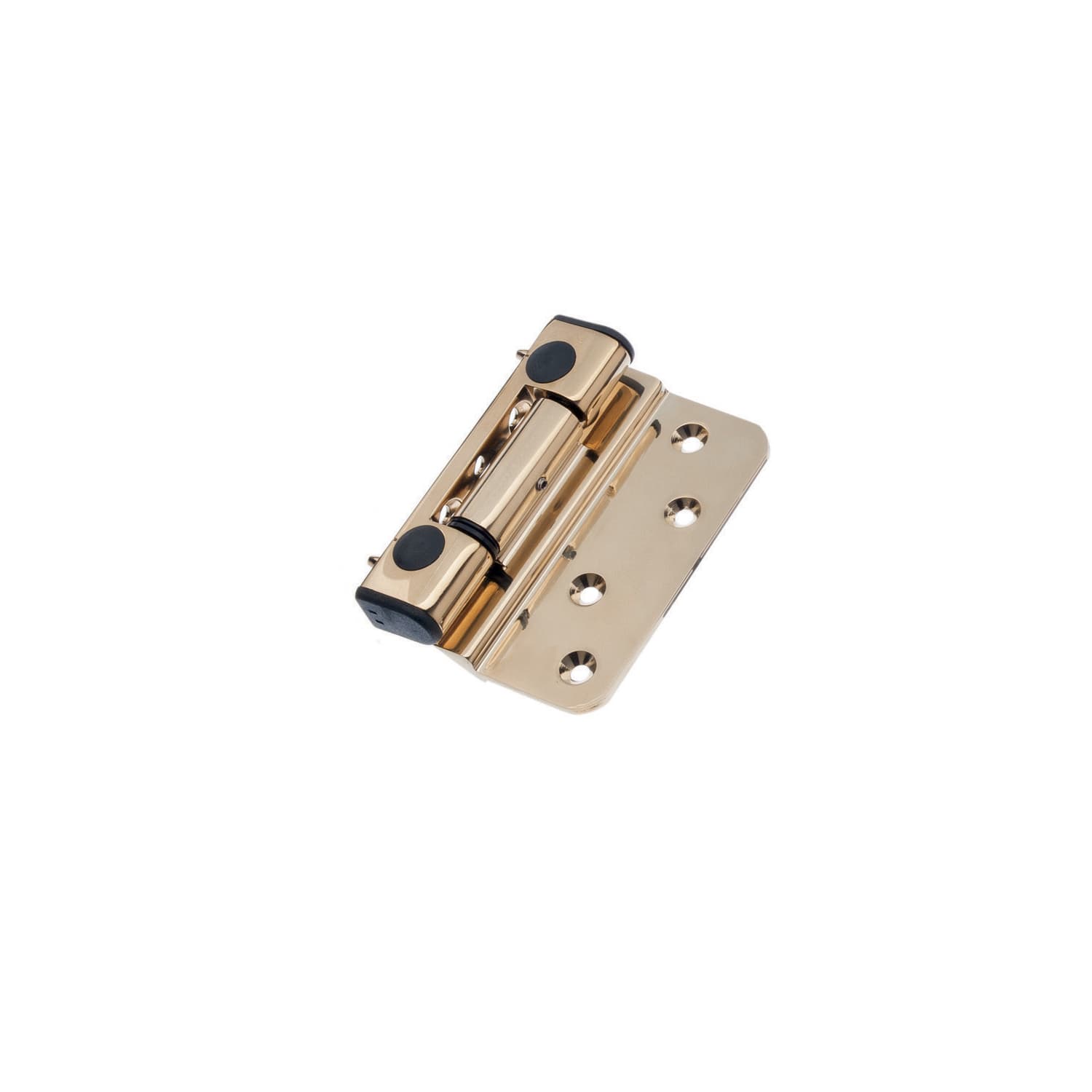
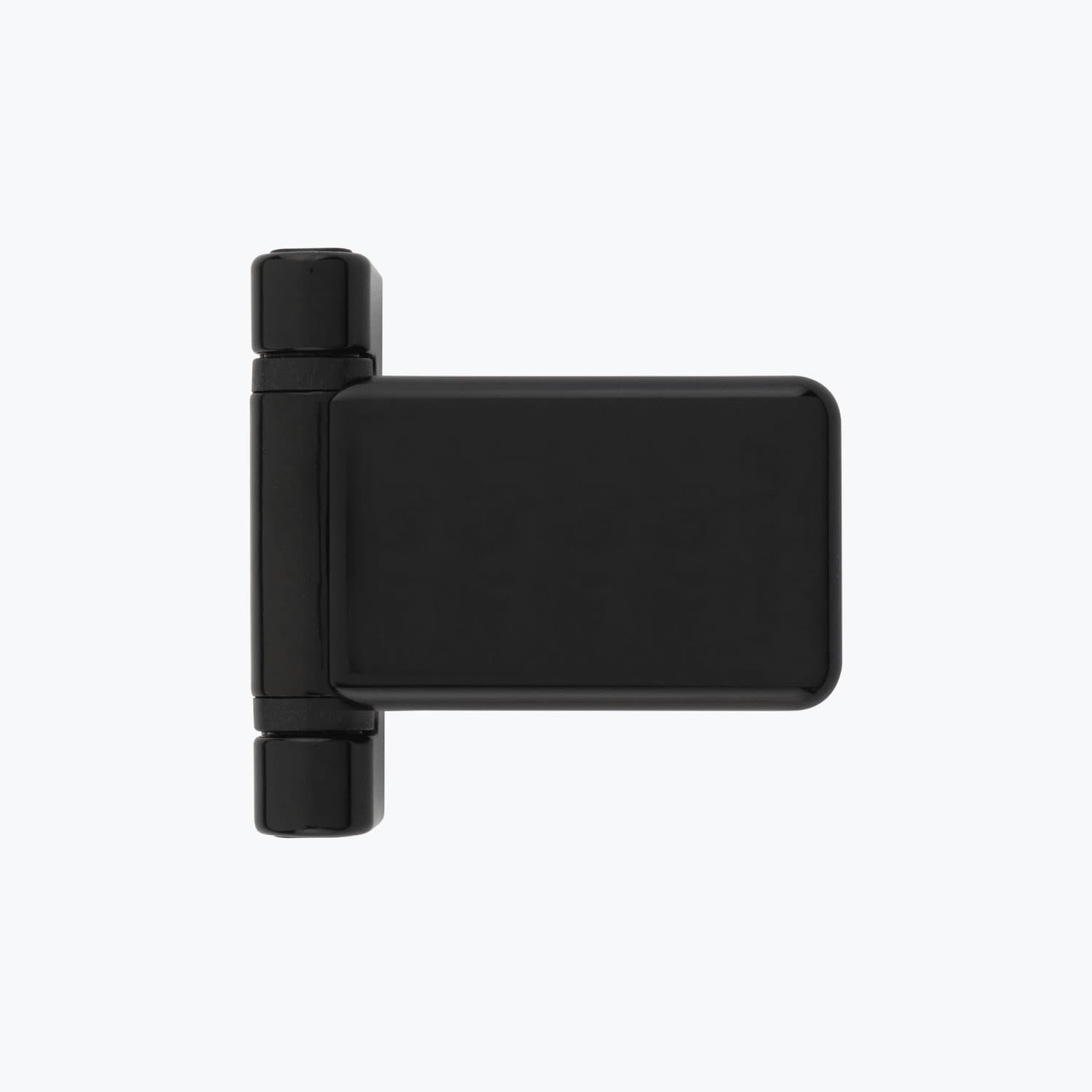
A flag hinge is a type of door hinge where one leaf is shaped like a flag and engages into the frame or a receiving plate; many are removable so the door can be lifted off the frame. Flag hinges are common on uPVC and composite doors because they are robust, simple to service and can be designed to allow adjustment in three planes: height, compression and lateral. They are available in both lift-off and non-lift-off versions, and in security variants with non-removable pins and reinforced fixings.
Why choose flag hinges for uPVC and composite doors
Flag hinges suit these door materials for several reasons:
- Durability: designed to cope with dense, heavy composite door leaves and the thicker stile profiles of modern uPVC frames.
- Adjustability: many flag hinges provide 3D adjustment to square the door quickly on site, which is essential where frames settle or plastering has altered jamb positions.
- Serviceability: removable flag designs allow installers and trades to lift the door out for decoration or hardware work without disturbing the frame.
- Security options: specialist flag hinges come with non-removable pins, anti-drill plates and security studs; crucial for outward-opening doors.
Key features to look for
When specifying flag hinges, check these practical points:
- Weight rating per hinge: calculate total door weight and divide by number of hinges; composite doors often need three heavy-duty hinges rated 50kg or more each.
- Door thickness compatibility: ensure the hinge is suitable for your door thickness and stile width; many are specified for 44mm to 70mm doors.
- Adjustment range: look for three-way adjustment (height, compression, lateral) and practical screw access for on-site realignment.
- Finish and weather performance: choose corrosion-resistant finishes for exposed doors; stainless steel, polyester powder coated white/black and corrosion-grade plated finishes are common.
- Security features: non-removable pins, reinforced screw plates, security studs and tamper-proof fixings where the hinge is exposed externally.
- Reversible or handed design: many modern flag hinges are reversible for left or right-hand doors; verify before purchasing.
Practical trade advice
For merchants, installers and fabricators these trade tips will save time on site and reduce callbacks:
- Always check door weight and specify at least one high-load hinge per door: for heavy composite doors use three heavy-duty hinges rather than two undersized ones.
- Pre-fit test on the workshop frame: fit hinges to a test unit so you can set adjustment limits and ensure the hinge screw lengths clear any steel reinforcement inside the profile.
- Order matching finish sets: hinges are highly visible; supply matching screws and cover caps to keep the finish consistent with the rest of the hardware.
- Provide clear installation instructions with fitting positions: typical hinge centres are 150–200mm from top and bottom edges with equal spacing for the middle hinge; this helps with load distribution.
- Secure fixings into reinforcement: for uPVC frames always locate screws into the internal steel reinforcing or use long frame screws that pass through to a backing stile; short screws into hollow uPVC will not hold.
DIY installation and adjustment
Competent DIYers can fit flag hinges safely if they follow correct procedures and use the right tools. Key steps:
- Support the door: use a prop or two people to support the weight before removing any hinges; never rely on a single temporary screw.
- Remove and replace one hinge at a time: when upgrading or replacing, fit bottom first, middle next and top last; this helps control alignment and prevents accidental drops.
- Use the right screws and pilot holes: choose screws specified for uPVC or composite doors; pre-drill pilot holes into timber sub-frames or through to steel railings where necessary. Do not overtighten; strip risk increases with plastic frames.
- Adjust in small increments: set compression (in/out) then height, then lateral; adjusters are small and one turn can make a noticeable difference.
- Check operation: cycle the door slowly, confirm multi-point lock engages smoothly and there is an even weatherseal compression; tweak until consistent.
Common problems and solutions
Here are issues often encountered on site with straightforward remedies:
- Door sags over time: add or tighten adjustable flag hinges; if hinge screws have pulled out of the frame, fit longer frame screws into reinforcement or use resin anchors in timber backs.
- Noisy hinge operation: switch to ball-bearing flag hinges for smoother movement and reduced wear.
- Exposed pins on outward opening doors: use non-removable pin flag hinges and add hinge-side security studs to stop forced removal.
- Misaligned multipoint lock: adjust hinge compression and lateral settings; if gap is uneven, consider shimming behind hinge leaf or re-drilling positions to centralise loads.
Choosing the right hinge for your door
Select a flag hinge based on a combination of load, security needs and adjustability. For trade customers recommend these pairings:
- Lightweight uPVC patio or internal doors: standard adjustable flag hinge with 3D adjustment and a basic corrosion-resistant finish.
- Standard residential composite doors: three heavy-duty adjustable flag hinges with at least 50kg rating each, non-removable pin for outward-opening units and matching finish.
- High-security or exposed properties: heavy-duty stainless steel or security-rated flag hinges with reinforced screw plates, anti-drill features and security studs.
Related Reading
Explore more guides on related topics:
- How to Replace a uPVC Door Lock: Step-by-Step DIY Guide
- Why Is My Composite Door Handle Stiff? How to Fix It
Recommended Products
Based on this article, you may find these products helpful:
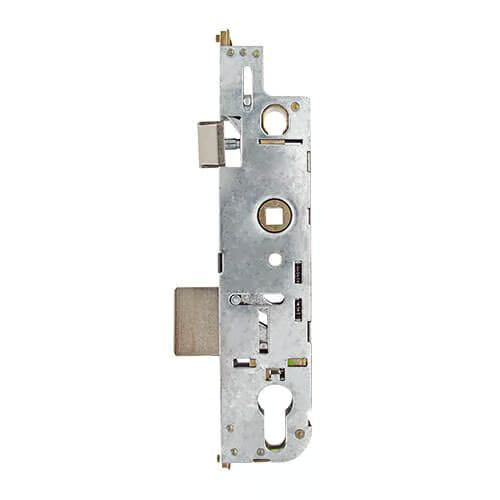
- Multipoint Gearbox GU Old Style
- Flag Door Hinge - Stainless Steel
- Adjustable Flag Hinge - 100mm
- Fab&Fix Classic Flag Hinge
- ERA Composite Door Flag Hinge
Conclusion and next steps
Flag hinges are a versatile, adjustable and serviceable option for both uPVC and composite doors when selected and fitted correctly. For trade professionals: specify hinges by door weight, thickness and security exposure; use reinforcement and correct screw lengths. For DIYers: support the door, use appropriate screws, and adjust in small steps to achieve smooth locking. If you need product recommendations or stock for a project, browse our range or contact our technical team for help matching hinge ratings and finishes to your door specification.
Part of our guide:
Complete Guide to Door Hinges