Double Glazing Window Handles: Handing and Orientation Explained
Double glazing window handles are a small component with a big impact on security, ease of use and window performance. Correct handing and orientation ensu...
Double glazing window handles are a small component with a big impact on security, ease of use and window performance. Correct handing and orientation ensure smooth operation, reliable locking and a neat finish. This guide explains common handle types, how to identify handing and orientation, and practical steps for selecting and fitting replacement handles for both homeowners and tradespeople.
Common handle types and why handing matters
Different window systems use different handle mechanisms. The three most common in UK double glazing are espagnolette (espag) handles, cockspur handles and lever or tilt-and-turn style handles. Each requires its own approach to handing and orientation:
- Espagnolette (espag) handles operate a multi-point locking mechanism via a spindle and cam. Correct handing determines cam rotation and locking engagement. The TSS Cockspur Window Handles is an example of a secure espag option.
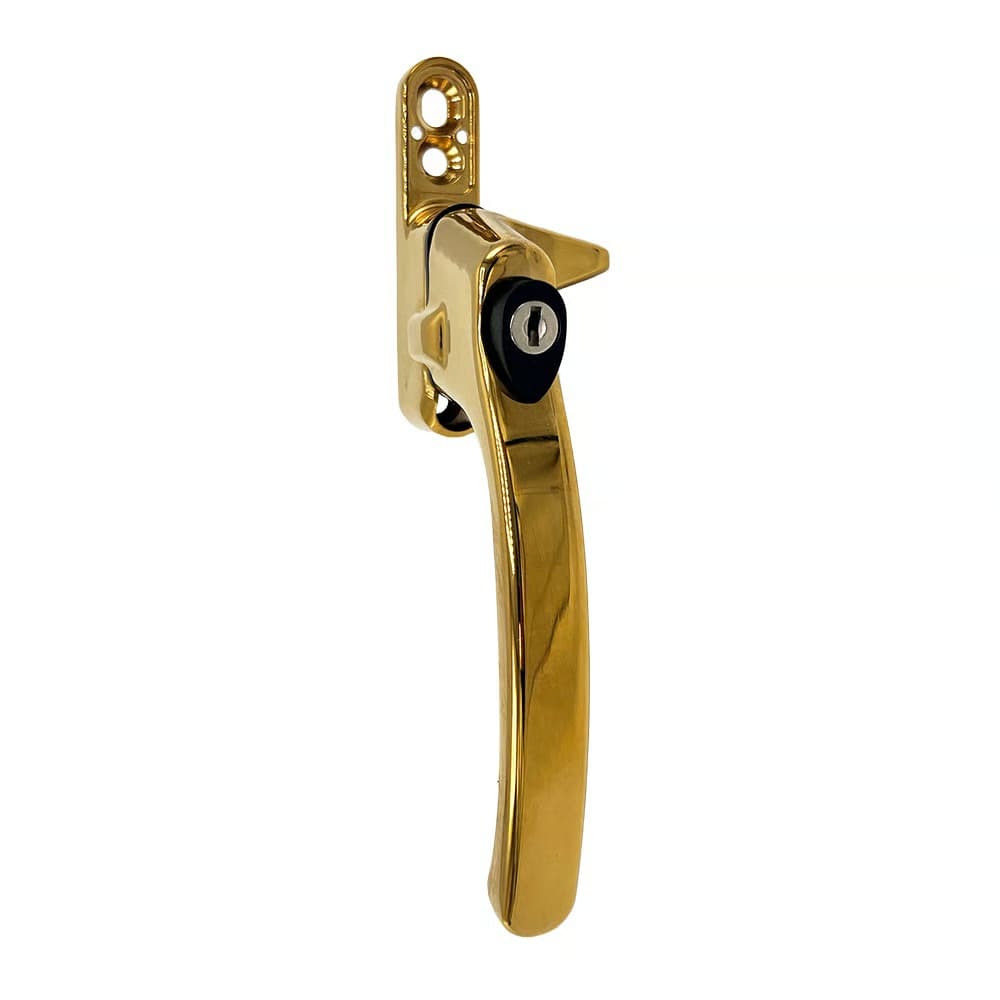
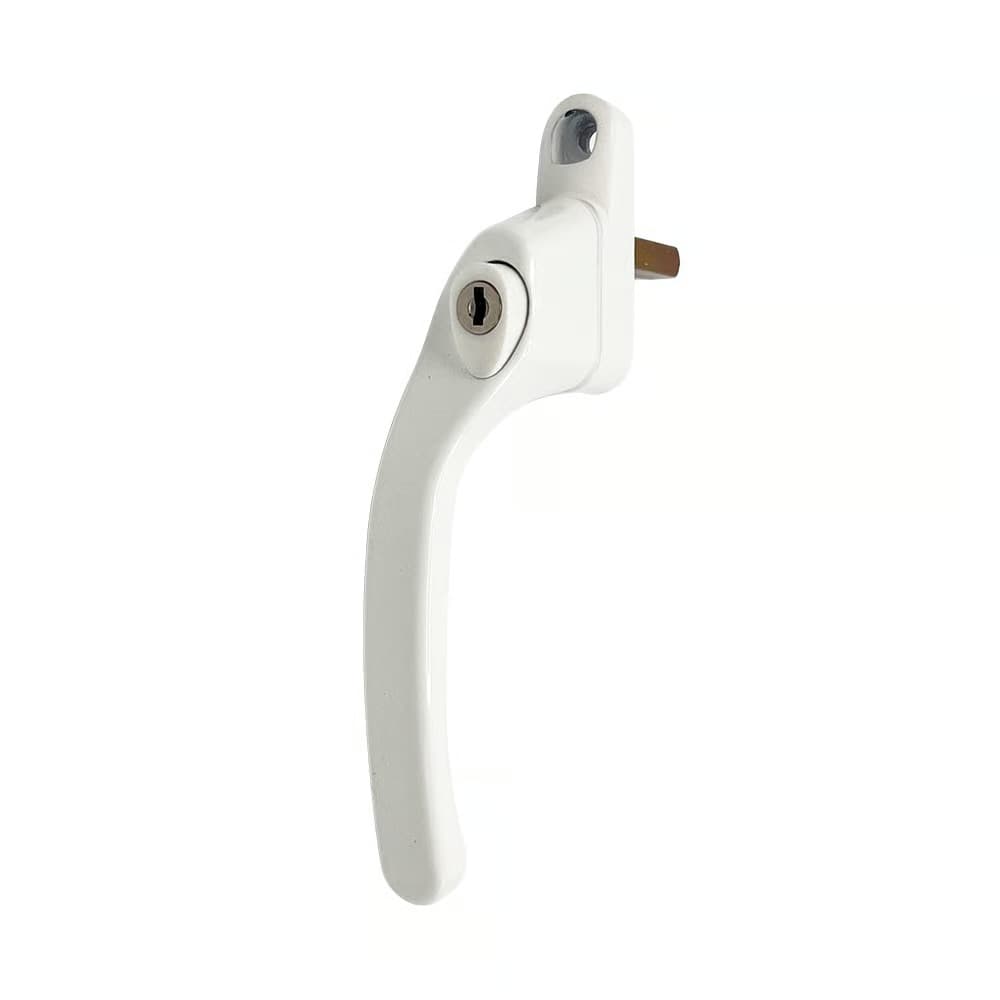
- Cockspur handles attach directly to the bead or frame and pull the sash closed. Handing dictates whether the handle reaches over the glass edge to the left or right. The TSS Cockspur Window Handle suits many traditional casement sashes.
- Lever or tilt-and-turn handles are common on PVC-U tilt-and-turn windows and often come in reversible formats or specific left/right variants. The TSS Offset UPVC Window Handles is widely used on modern PVC-U windows.
How to identify handing (step-by-step)
1. Stand on the room side of the window with the sash closed and hinge side visible. This is the standard reference position. 2. Note the hinge position: if hinges are on the left, the window is left-handed; if on the right, it is right-handed. This simple hinge-side method is the accepted industry convention. 3. Observe the handle location relative to the hinge: a handle on the right with left-side hinges confirms a left-handed sash and vice versa. 4. For top-hung or bottom-hung windows, identify whether they are top-hung (hinges at top) or bottom-hung (hinges at bottom) and record this for ordering the correct style.
Tradespeople should record hinge side, handle side and whether the window opens inwards or outwards; many manufacturers require this full description to supply the correct handed gearbox or handle.
Orientation details for espag and cam handles
Espag handles have a spindle that drives the locking rod or gearbox. Key orientation points:
- Spindle length: measure from the handle base to the end of the spindle. Standard spindles are commonly 7mm square but lengths vary (typically 35–45mm). Confirm the measurement before ordering.
- Cam position and rotation: when closed, note whether the handle rotates clockwise or anticlockwise to lock. Some espags are supplied with reversible cams or require a left/right version.
- Screw centres: measure the distance between fixing screws on the backplate; common centres include 43mm and 92mm. Matching screw centres avoids new drilling.
Cockspur handles and simple handing checks
Cockspur handles fix near the frame and pull the window shut. Practical checks:
- Identify whether the spur points towards the hinge or away from it when closed. This determines left/right orientation.
- Measure the sash thickness and ensure the length of the cockspur reaches past the bead to engage correctly.
- Confirm whether a keyed lock on the cockspur is required for additional security; many cockspur designs offer an integral lock.
Practical fitting tips and common pitfalls
- Prepare tools: long Phillips/Pozi drives, Allen keys for spindles, pencil for marking, and a torque-limited screwdriver when available to avoid over-tightening.
- Mark and measure before removal: take photos and measure spindle length and screw centres while the old handle is still in place. This removes guesswork.
- Keep fixings: original screws and backplates can vary; retain these for accurate replacement or to replicate thread type.
- Avoid overtightening fixings which can distort the handle base and impair operation. Fasten until snug and test operation before fully tightening.
- For espag conversions, check the gearbox type and locking cam. Replacing the handle without matching the gearbox cam position can require purchasing a different cam or a handed handle.
- Test the locking sequence several times after fitting to ensure multi-point locks engage fully and the gasket seals correctly.
Security and compliance considerations
Handles are a security-critical component. For higher security needs, choose handles with 3 star cylinder vision or dedicated locking features and ensure compatibility with the multi-point locking system. For rented properties or commercial premises, confirm any handle replacement complies with building regulations or tenancy agreements.
When to call a professional
Simple replacements are straightforward for a competent DIYer or experienced tradesperson. However, call a professional when:
- The locking gearbox is damaged or seized.
- Multiple windows share a common locking rod that needs synchronisation.
- The window is stuck or the frame has warp causing misalignment that a simple handle cannot correct.
Final checks and maintenance
After fitting, apply a light silicone-free lubricant to moving parts, check that the handle returns to the correct closed position and confirm smooth multi-point engagement. Regular maintenance—cleaning, lubricating and checking fixings—extends life and avoids unnecessary replacements.
For detailed guidance on selecting, measuring and maintaining window handles, consult the comprehensive resource: Window Handles Guide
This practical approach to handing and orientation will reduce errors, improve security and ensure that double glazing window handles perform reliably for years.