Window Handles
uPVC Window Handles for Double Glazing: Compatibility Checklist
uPVC window handles are a small component with big impact on security, operation and appearance of double glazing. This checklist helps homeowners and trad...
Window Hardware Store Team
20 April 2026
5 min read
uPVC window handles are a small component with big impact on security, operation and appearance of double glazing. This checklist helps homeowners and tradespeople confirm compatibility, make accurate measurements, and choose the right replacement handle to ensure smooth operation and maintain security standards.
Identify the handle type and locking mechanism
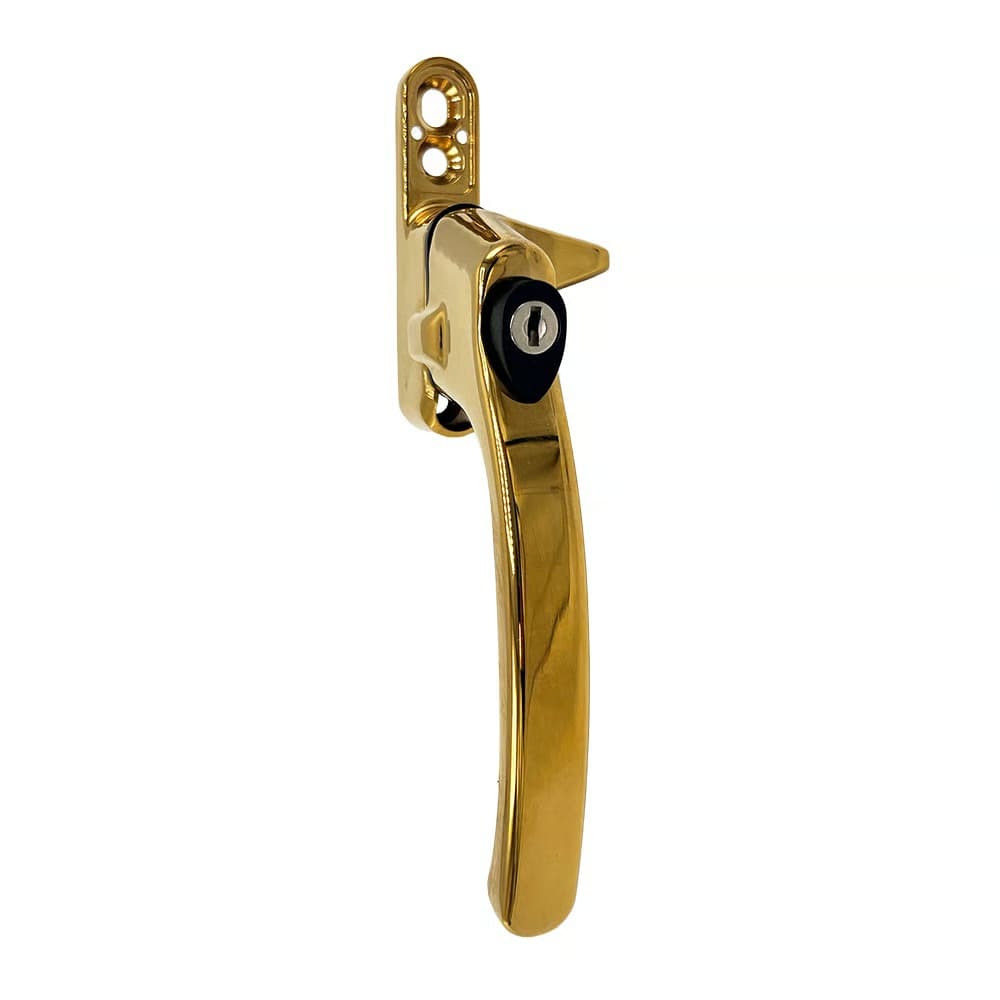
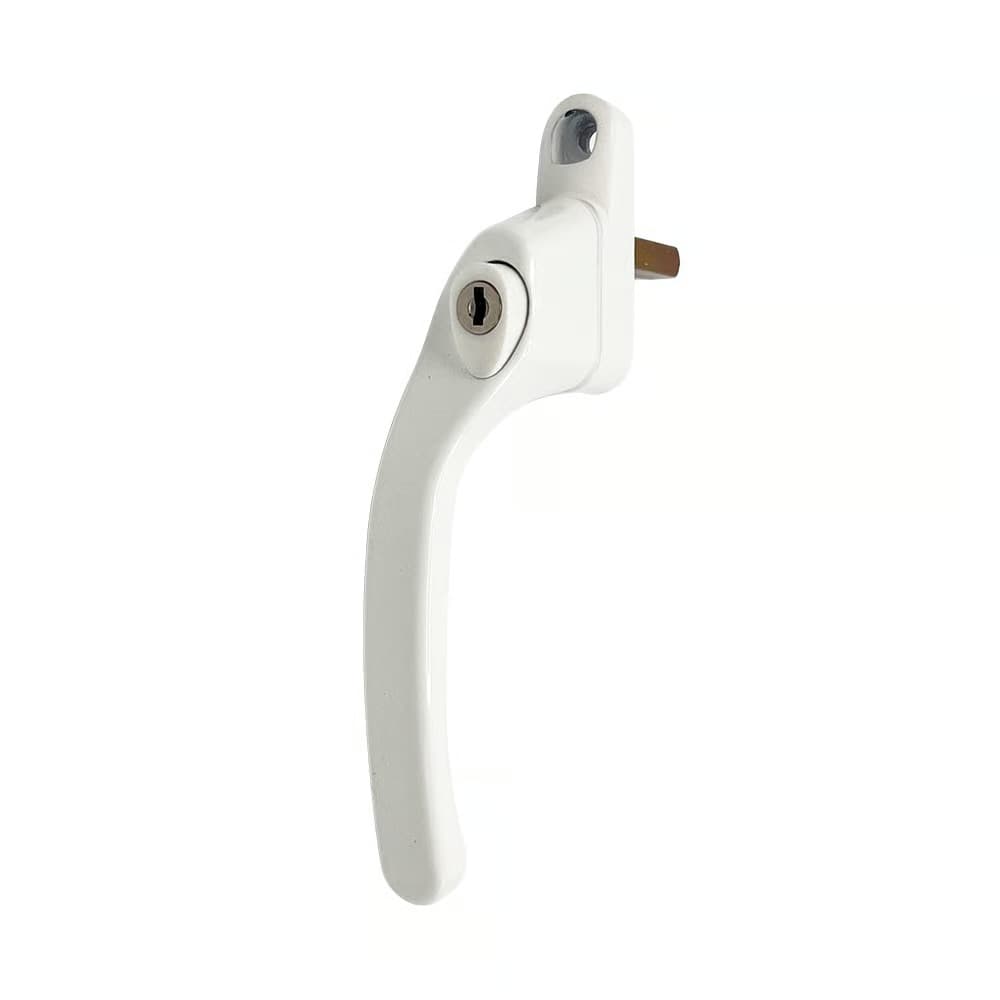
Different handles suit different window systems. Common types for double glazing include espag/espagnolette handles, cockspur handles and tilt-and-turn handles. Knowing the type determines the fixing method and the internal hardware interface.- Espag/espagnolette handles operate a multi-point metal espagnolette strip inside the frame and require a square spindle and matching gearbox. A typical example is the TSS Cockspur Window Handles, designed for espag windows with specific spindle sizes and gearbox options.
- Cockspur handles latch directly onto a keep on the frame and are surface-mounted. The TSS Cockspur Window Handle is representative of these simple replacements.
- Handle options for tilt-and-turn or specialist systems may include different fixing positions and spindle requirements; the TSS Offset UPVC Window Handles is an example of a common replacement for euro-profile locking systems.
Take accurate measurements
Accurate dimensions are critical. Use a steel rule or digital caliper for precision.- Spindle length and size: Measure the square spindle projection from the handle base to where it enters the gearbox or backset. For espag handles, common spindles are 7mm square; confirm by measuring both length and cross-section.
- Fixing centres: Measure the distance between the mounting screw centres on the handle rose or base. Typical centres are 43mm or 45mm for many euro-profile handles, but confirm against the old handle.
- Backset or projection: For cockspur handles, measure how far the handle projects to ensure it clears bead or frame. For espag handles, measure the projection to ensure the handle can rotate freely without interference.
- Height of boss or rose: Some frames have raised or recessed bosses; measure thickness so the replacement sits flush.
- Keeper / keep position: Note where the keep on the frame aligns with the handle latch or hook; some replacements require a repositioned keep or an adapter.
Check lock type, hand and operation direction
Window handing affects the spindle orientation and the operation direction. Determine whether the window is left- or right-hand opening and whether the handle operates clockwise or anti-clockwise to close.- Replace like-for-like: A non-handed handle replacing a handed one may still function, but cosmetic fit and lock alignment can be compromised.
- Locking cylinder vs. fixed pin: Some handles include a key-operated cylinder; others have a push-button or fixed pin. Match the desired security level and ensure the frame can accept a cylinder if needed.
Confirm compatibility with espagnolette rods and keeps
Espag rods come in different lengths and hook types (dog bolt, mushroom, cam). Ensure the new handle’s gearbox engages the existing espagnolette correctly.- Check gearbox type and cam height: If the replacement handle uses a different cam or gearbox, it may not fully retract the espagnolette, causing poor sealing or incomplete locking.
- Replace keep/striker if necessary: A new handle or espagnolette rod may require a different keeper position. Adjustable keep plates solve minor misalignments.
Material, finish and weather resistance
uPVC frames are often white, but replacement handles are available in various finishes. Choose materials suited to external exposure.- Aluminium and zinc-alloy handles resist corrosion better than cheaper plastics. Powder-coated or chrome-plated finishes retain appearance longer.
- For coastal properties, specify marine-grade finishes or stainless fixings to avoid rapid corrosion.
Security and standards
Increasingly, window hardware must meet security standards.- Look for handles that comply with relevant British standards or Secured by Design recommendations when replacing locks on ground-floor or accessible windows.
- Locking handles with multi-point engagement are recommended for enhanced security over non-locking variants.
Practical installation checklist
This step-by-step checklist streamlines installation and reduces errors.- Tools: cross-head screwdriver, flat screwdriver, steel rule, drill with appropriate bits, replacement screws, packers.
- Preparation: remove glass or bead only if necessary; protect the sill with a cloth.
- Removal: unscrew fixing screws, withdraw spindle, note orientation and any shims.
- Fit new handle: insert spindle to correct length, align fixing centres, insert and tighten screws evenly.
- Test operation: cycle the handle through full movement to confirm smooth operation and full engagement of espagnolette or latch.
- Adjust keeps: if operation is stiff or incomplete, adjust the keeper position or replace with the correct keeper for the new handle.
- Final checks: ensure no binding, sealing compression is correct and the handle locks (if applicable).
Common pitfalls and solutions
- Mismatched spindle size: Measure before ordering; adapters are available but best avoided.
- Wrong fixing centres: Some handles use different screw spacing; a new backplate or small packers can resolve minor differences.
- Incomplete engagement of espagnolette: Likely gearbox or cam mismatch — replace with a compatible espag handle or change the gearbox.
- Corroded screws or seized bushes: Use penetrating oil and the correct screwdriver head to avoid stripping; replace fixings with stainless steel ones for longevity.
Final recommendations
Always replace uPVC window handles with a like-for-like type where possible and keep a record of measurements for future maintenance. For straightforward surface-mounted replacements, choose a cockspur handle suited to the keep; for more secure, multi-point systems, use an espag/espagnolette-compatible handle. Tradespeople should carry common spindle sizes, a few keeper types and standard handles to complete most jobs on first visit.upvcwindow handlesupvc