
Draught-Proof Letter Boxes: Stop Cold Air Coming Through
Draught-Proof Letter Boxes: Stop Cold Air Coming Through A poorly sealed letter box is a common weak point in a front door: cold air, rain ingress, and noi...
Draught-Proof Letter Boxes: Stop Cold Air Coming Through
A poorly sealed letter box is a common weak point in a front door: cold air, rain ingress, and noise can all pass through the gap around the flap. Whether you are a homeowner tackling a DIY job or a trade professional advising customers, effective letter box draught-proofing improves comfort and reduces heat loss. This article covers practical solutions, materials, installation tips and compliance considerations for UK doors.
Why letter boxes cause draughts
Letter boxes interrupt the continuity of a door leaf; flaps, gaps and worn seals all create paths for air movement. Even when the flap appears closed, small gaps around the aperture allow convective airflow and infiltration. Older metal letter plates may corrode or have minimal sealing; plastic flaps can shrink or warp; brushliners can be compressed and lose effectiveness. Addressing these issues reduces heating bills and removes cold spots around the entrance.
Common draught-proofing solutions
- Brush-seal letter plates: face-fix plates with integrated brush pile on the inner face. The bristles allow the flap to open and close while limiting air movement.
- Rubber or silicone seals: soft seals around the flap perimeter; good for larger gaps and offer better airtightness than bristles where movement is minimal.
- Internal draught excluder panels: a secondary internal flap or sock that attaches to the inside face of the door to trap air and stop draughts without altering the external plate.
- Letter box draught excluder socks: a textile mail sock fixed behind the letter aperture; cheap and quick to fit, though less durable and not suitable for heavy mail volumes.
- Replacement letter plates: upgrading to a purpose-designed draught-proof letter plate that combines weatherproof outer plate, thermal break, and internal brush or rubber seal.
Materials and hardware to choose
Choose materials based on durability and exposure: stainless steel or powder-coated aluminium plates resist corrosion on external doors; brass offers a traditional look but needs lacquering to avoid tarnish. For seals, EPDM and silicone provide long life and good compression set resistance; neoprene is an economical alternative. Brush piles should be UV-stable polyamide for outdoor-facing plates. For trade installations, specify fixings that suit the door material: woods typically take wood screws, while PVC-U requires self-tapping or suitable rivets where recommended by the door manufacturer.
DIY installation: step-by-step for homeowners
- Measure the existing aperture and check the door thickness; buy a letter plate designed for that width. Note whether the door is rebated; ensure the new plate matches the rebate depth.
- Remove the old letter plate: unscrew carefully and keep the fixings if you plan to reuse them. Inspect the aperture and clean any old sealant or paint.
- Dry-fit the new plate to check alignment. If the new plate sits proud, you may need backset packing or a plate sized for rebated doors.
- Seal the edges: apply a thin bead of neutral-cure silicone around the outer edge before screwing in place; this prevents wind-driven rain and improves airtightness. Avoid over-tightening screws that can deform the plate or crush seals.
- Check flap operation: post a test envelope and ensure the flap opens freely without catching on the frame or seals. Trim internal brush or compressible seals only if they prevent smooth operation.
- Complete with an internal draught excluder or mail sock if required for extra performance.
Trade advice for installers and specifiers
When fitting letter boxes for clients, consider the door type, location and regulatory constraints. For fire doors, any alteration must maintain the door’s fire performance: fit only certified fire-rated letter plates or follow the fire door manufacturer’s guidance. Modifying a certified fire door with a non-approved letter box can void the fire rating and insurance.
For exposed elevations, specify plates with drip channels and thermal breaks to reduce heat transfer and water ingress. Use stainless steel fixings and apply a compatible sealant to dissimilar materials to avoid corrosion. If working on PVC-U or composite doors, check with the manufacturer for recommended fastening methods; some panels have internal reinforcement that must be engaged.
Testing and performance checks
After installation, perform simple checks: visual inspection for gaps; feel for draughts on a windy day or use a lit incense stick to see air movement around the aperture. For a more accurate assessment, trade professionals can use a smoke pencil or door fan tests to quantify infiltration. Record any adjustments and advise the client on maintenance intervals.
Maintenance and durability
Regular maintenance extends life and keeps performance high: clean brush seals with a soft brush to remove dust; replace worn bristles or rubber gaskets every few years depending on exposure; top-up silicone sealant if gaps appear. For timber doors, check surrounding paintwork to prevent moisture ingress around the plate. Offer clients a maintenance schedule and include any spare seals with the handover pack.
Practical considerations and alternatives
- If security is a concern, combine draught-proofing with anti-tamper letter plates; internal mail boxes with secure closure are available for flats and communal doors.
- For doors where no external alteration is allowed, fit an internal seal or a mail retention catcher behind the aperture.
- Where condensation or mould is an issue, improving ventilation elsewhere in the property will be more effective than chasing every small infiltration point; letter box seals help but do not replace adequate ventilation.
For product selection and fitting instructions consult the pillar resource at /guides/letterboxes where you will find specifications, part codes and compatible accessories for different door materials.
Recommended Products
Based on this article, you may find these products helpful:
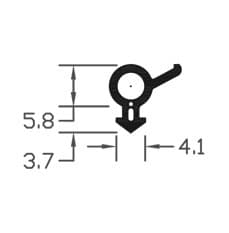
- E-Type Gasket - Black 5m Roll
- E-Type Gasket - Black (Per Metre)
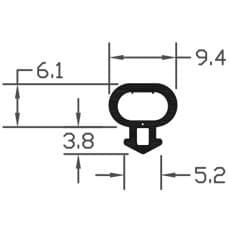
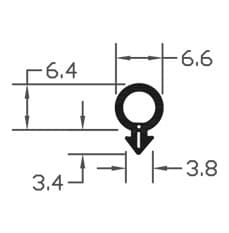
- B003 Bubble Gasket
- B004 Bubble Gasket
- B007 Bubble Gasket
Conclusion: next steps
Draught-proofing a letter box is a cost-effective way to improve comfort and reduce heat loss. Homeowners can fit brush or rubber-seal plates and internal excluders as a DIY task; trade installers should consider door type, fire performance and corrosion resistance when specifying hardware. Start by measuring the aperture and door thickness, choose a sealed letter plate suited to the exposure, and follow correct sealing and fixing practices. For specialist doors or fire-rated doors seek certified products and manufacturer approval. If you need technical support or product recommendations, contact your local trade supplier or view our detailed product guides at /guides/letterboxes.
Products mentioned in this article
Related articles
Internal vs External Letterbox Draught Excluders: Which Works Better?
Internal vs External Letterbox Draught Excluders: Which Works Better? A letterbox is a small opening that can let in a disproportionate amount of cold air,...
How to Retrofit an Anti Arson Letterbox to an Existing Door
How to Retrofit an Anti Arson Letterbox to an Existing Door What is an anti arson letterbox and why retrofit one? An anti arson letterbox is a specialist l...
Letterbox Draught Excluder for Security: Added Protection
Letterbox Draught Excluder for Security: Added Protection A well-chosen letterbox draught excluder reduces heat loss and noise while contributing to a stro...