
Essential Glazing Tools for Window Fitters: The Complete Kit List
Essential Glazing Tools for Window Fitters: The Complete Kit List Whether you are a trade professional or a confident DIY homeowner, having the right glazi...
Essential Glazing Tools for Window Fitters: The Complete Kit List
Whether you are a trade professional or a confident DIY homeowner, having the right glazing tools makes installations safer, faster and more durable. This article lists the must-have equipment for handling insulating glass units, single panes and sealed units, with practical advice on when to use each item and how to avoid common mistakes. If you need materials as well as tools, see our pillar resource at /guides/double-glazing-supplies.
Core hand tools every fitter should carry
These are the basic items you will use on almost every job: measuring, trimming, fixing and finishing frames and glass.
- Tape measure: 5m or 8m with a robust case; consider a second long tape for large frames.
- Spirit level and torpedo level: for checking vertical and horizontal alignment; a 1200mm aluminium spirit level is ideal for frames.
- Combination square or try square: ensures glass and beads sit squarely in the frame.
- Utility knife and heavy-duty blades: for cutting old sealant, glazing tape and trimming packers.
- Screwdrivers and interchangeable bits: include Phillips, Pozidriv and square-drive bits; a magnetic bit holder helps in narrow frames.
- Cordless drill/driver and impact driver: for pilot holes and fixing frame screws; keep a selection of self-tapping and coach screws suitable for timber, masonry and metal frames.
- Hack saw or mitre saw for trimming beading and aluminium profiles.
Glass handling and safety
Handling glass safely is essential. Use mechanised aids on larger units and correct personal protective equipment for all tasks.
- Glass suction lifters: single and triple-pad suction cups with swivel handles; rated to the weight of the IGU you plan to lift. For large sealed units use mechanical lifters or two-person lifting protocols.
- Glass pliers and running pliers: for cutting and breaking small panes safely when replacing single glass.
- Safety gloves: cut-resistant gloves (EN388) and nitrile or leather over-gloves for grip.
- Safety glasses or face shield, hi-vis, knee pads and steel-toe boots for on-site protection.
Specialist glazing tools
These items are specific to the glazing trade and make the difference between a quick, professional installation and a remedial repair call-out.
- Setting blocks: elastomer or polypropylene blocks used to support the glass within the frame at the correct height and to allow thermal movement.
- Glazing packers and shims: various thicknesses in polypropylene for levelling and aligning sashes and sealed units; colour-coded for easy selection.
- Bead lifter and bead removal tools: designed to remove and refit uPVC or timber beads without damage.
- Bead roller or gasket roller: to seat rubber gaskets and beads, especially on aluminium frames.
- Glazing wedges: flexible wedges to pack beads and prevent glass movement while sealant cures.
- Rubber mallet and soft-faced hammer: for gentle persuasion of beads and frames without marring surfaces.
- Sealant guns: both pistol (cartridge) guns and sausage guns for mastics; a ratchet sausage gun is useful for thicker sealants.
- Glazing spatulas and finishing tools: for smoothing sealant joints and tooling silicone to a neat finish.
Sealants, tapes and adhesives
Choosing the correct sealant or tape is key to long-term performance and warranty compliance for sealed units.
- Neutral cure silicone: good for most frame materials where compatibility is required; use low-modulus where movement is expected.
- Polyurethane or MS polymer sealants: for structural joints or where paintability is needed; follow manufacturer guidance for substrate compatibility.
- Glazing tape and double-sided foam tape: for temporary support and to create immediate weatherproofing during installation.
- Butyl tape: traditional choice for sealed unit bedding and secondary sealing; still used in many window systems.
Fastenings, fixings and ancillary hardware
Correct fixings depend on the frame type and substrate; selecting the right screw length and type avoids splitting timber or loose anchors in masonry.
- Frame bolts, coach screws and mechanical anchors: keep a range of sizes and corrosion-resistant finishes for external work.
- Self-tapping screws for metal frames and specific screw sets for uPVC hardware.
- Frame packer sets: to level frames within openings; reusable precision packers speed up final adjustment.
- Replacement beading clips, hinge screws and locking keep screws for retrofit work.
Practical trade tips and DIY guidance
Follow these practical points to avoid common problems and ensure safe, durable installations:
- Measure twice; order once: always check both frame and opening dimensions, accounting for packer thickness and thermal movement allowance.
- Setting blocks placement: position them under the glass at support points recommended by the unit manufacturer; typically near quarter points of the unit to prevent bowing.
- Leave movement gaps: allow linear gaps between glass edge and frame as specified by the IGU maker, usually a few millimetres to accommodate expansion.
- Do not over-tighten fixings: screws that pull the frame out of square or compress packers can stress glass seals and cause failure.
- Use appropriate sealant: match the sealant type to frame material and exposure; test compatibility where uncertain.
- For DIYers replacing small panes: work with helpers, use suction cups, wear cut-resistant gloves and choose the correct setting blocks; for large sealed units or high-level work, hire a professional.
- Record torque and fixing positions: on trade jobs log the screw types and positions to assist future maintenance and warranty claims.
Checklist for a typical IGU installation
Quick sequence to follow when installing an insulating glass unit in a frame:
- Check unit dimensions and inspect for damage.
- Remove beads carefully using a bead lifter; store beads in order.
- Fit setting blocks and packers to manufacturer recommendations.
- Offer the unit using suction lifters; centre it and check with spirit level.
- Secure frame with initial fixings without over-torquing; re-check squareness.
- Apply glazing tape or sealant; re-fit beads and roll gaskets as required.
- Tool the sealant, remove excess, and allow correct cure time before final adjustment.
Recommended Products
Based on this article, you may find these products helpful:
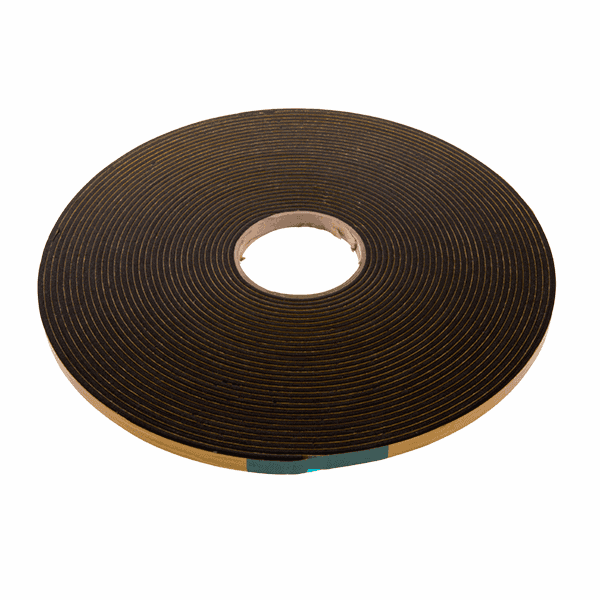
- Structural Glazing Tape - 20mm
- Security Glazing Tape
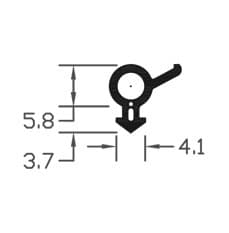
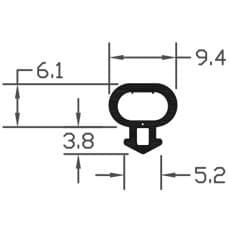
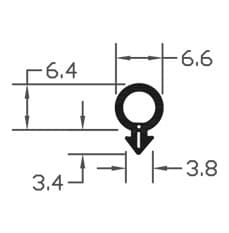
- B003 Bubble Gasket
- B004 Bubble Gasket
- B007 Bubble Gasket
Conclusion and next steps
Having the correct glazing tools reduces installation time and minimises call-backs. For trade fitters, assembling a kit that covers measuring, lifting, sealing and finishing is essential; for homeowners, a smaller selection focused on safety and handling will suffice for small repairs. If you need supplies, hardware or further technical data on best practice and approved products, visit our double glazing supplies page or contact a specialist for advice matched to your window system and substrate.
Products mentioned in this article
Related articles
How Old uPVC Window Parts Differ from Modern Replacements
How Old uPVC Window Parts Differ from Modern Replacements Older uPVC windows fitted in the 1980s and 1990s were robust for their time, but the components u...
Glazing Tools Safety Guide: Avoiding Common Injuries
Glazing Tools Safety Guide: Avoiding Common Injuries Working with glazing tools carries a real risk of cuts, crushed fingers and slips when handling panes ...
How to Maintain Your Glazing Tools for Longer Life
How to Maintain Your Glazing Tools for Longer Life Whether you are a trade glazier or a DIY homeowner replacing a pane, well‑maintained glazing tools save ...