
How to Replace uPVC Window Parts Without Calling a Professional
How to Replace uPVC Window Parts Without Calling a Professional Replacing common upvc window parts yourself can save time and money; it also keeps your hom...
How to Replace uPVC Window Parts Without Calling a Professional
Replacing common upvc window parts yourself can save time and money; it also keeps your home secure and draught-free. This post covers diagnosis, the correct tools, step-by-step procedures for the parts most frequently replaced, and practical trade tips for sourcing the right components. The content is aimed at UK homeowners and trade professionals who want accurate, safe and efficient methods for repairing uPVC windows.
Diagnose the Fault Before Ordering Parts
Start by identifying the symptom: is the handle loose, the window hard to open, the sash sagging or there a visible draught? Typical failure points include handles and spindles, espagnolette lock gearboxes, keep plates, friction stays and sash hinges, and worn gaskets. Take clear photos of the whole window and close-ups of the faulty part; note any manufacturer marks. Accurate diagnosis prevents unnecessary orders and repeat visits.
Essential Tools and Materials
- Basic toolkit: Philips and flat screwdrivers, torque screwdriver, hex keys, pliers.
- Power tools: cordless drill with 2–3mm and 4mm bits for pilot holes; avoid overdriving screws into uPVC.
- Safety: safety glasses, work gloves and a dust sheet. Use suction cups for moving glazed sashes if necessary.
- Consumables: stainless steel screws, silicone spray or PTFE grease, proprietary window sealant and backing rod if resealing is required.
- Replacement parts: handles, espagnolette gearboxes, keeps, friction stays or hinges, gaskets; match the profile and fixing pattern.
Practical Advice for Sourcing upvc Window Parts
When ordering upvc window parts provide: window type (casement, tilt-and-turn), window manufacturer if known, a photo of the part in situ, the screw hole centres and overall length for stays and hinges. Many components are supplied by multiple manufacturers; match the fixing pattern rather than relying on brand names alone. Use stainless steel or A2/A4 where outdoors to prevent corrosion. For a wide selection, see our pillar page: /guides/double-glazing-supplies.
Step-by-Step: Replacing Handles and Spindles
- Open the window to access the handle fixing. Most uPVC handles have a small grub screw under the rose or a plastic cover cap to remove.
- Remove the grub screw and pull the handle off the spindle; if seized, gently lever the cap to avoid breaking the handle rose.
- Measure the spindle length and square size; common spindles are 7mm or 8mm square. Match the spindle and handle type (left or right hand).
- Fit the new handle on the spindle, align the fixing holes and tighten the grub screw to a firm setting; avoid over-tightening which can strip the handle or deform the rose.
- Test full operation: lock and unlock several times to ensure the spindle engages correctly with the gearbox.
Step-by-Step: Replacing an Espagnolette Lock Gearbox
- With the window open, remove the handle as above and rotate the gearbox to the unlocked position if possible; this eases removal.
- Unscrew the faceplate screws and remove the old gearbox; mark the backset and screw hole centres for the replacement. Photograph the orientation of cams and locking rods.
- Choose a replacement matching the locking rod configuration and backset. Many gearboxes are modular; ensure the cam height and spindle position match the keep plate.
- Fit the replacement gearbox, reattach the faceplate and refit the handle. Operate the mechanism and check that locking points engage with the keeps; adjust the keep position if necessary for smooth locking.
Step-by-Step: Replacing Friction Stays and Hinges
- Support the sash with a prop or have an assistant hold it; do not rely on the existing stay when removing screws.
- Unscrew the sash side first, then the frame side; keep screws organised by position so replacements go back into the correct holes.
- Measure the length and note the fixing pattern of the stay; many come in left and right handed versions and with different torque ratings.
- Fit the new stay, secure with stainless screws, then test the opening and closing. Adjust the friction using the adjustment screw to achieve the desired resistance.
Gaskets, Seals and Glazing
Worn gaskets cause draughts and rattles. Replacing seals is usually straightforward: ease out the old gasket using a small flat screwdriver and push the new gasket into the glazing channel; ensure the gasket sits squarely without twists. Use the correct profile gasket for your window; silicone or lubricant can help with tight sections.
Replacing sealed double-glazed units is generally specialised: they require accurate handling, new beads and proper sealing to maintain thermal performance. If the sealed unit is misted or cracked, consider contacting a glazing specialist or verified supplier rather than attempting a DIY sealed-unit swap unless you have the proper tools and experience.
Adjustment and Fine Tuning
After fitting parts, adjust keeps and strike plates to obtain smooth operation and correct compression on the gasket. Small keep adjustments can often cure sticking or misalignment: loosen the keep, move it slightly and re-tighten. Use PTFE or silicone lubricant on moving metal-to-metal parts; avoid petroleum-based oils on gaskets as they can degrade the material.
Safety, Compliance and Practical Tips
- Wear eye protection when drilling or levering components; use suction cups for glass handling and prop sashes safely.
- Keep children and pets away; a loose glass pane is a serious hazard.
- Record part codes and take serial images for future maintenance; they speed up repeat orders.
- When in doubt about structural issues, broken reinforcements or sealed unit replacement, consult a trade professional to avoid compromising the window frame or warranty.
Recommended Products
Based on this article, you may find these products helpful:
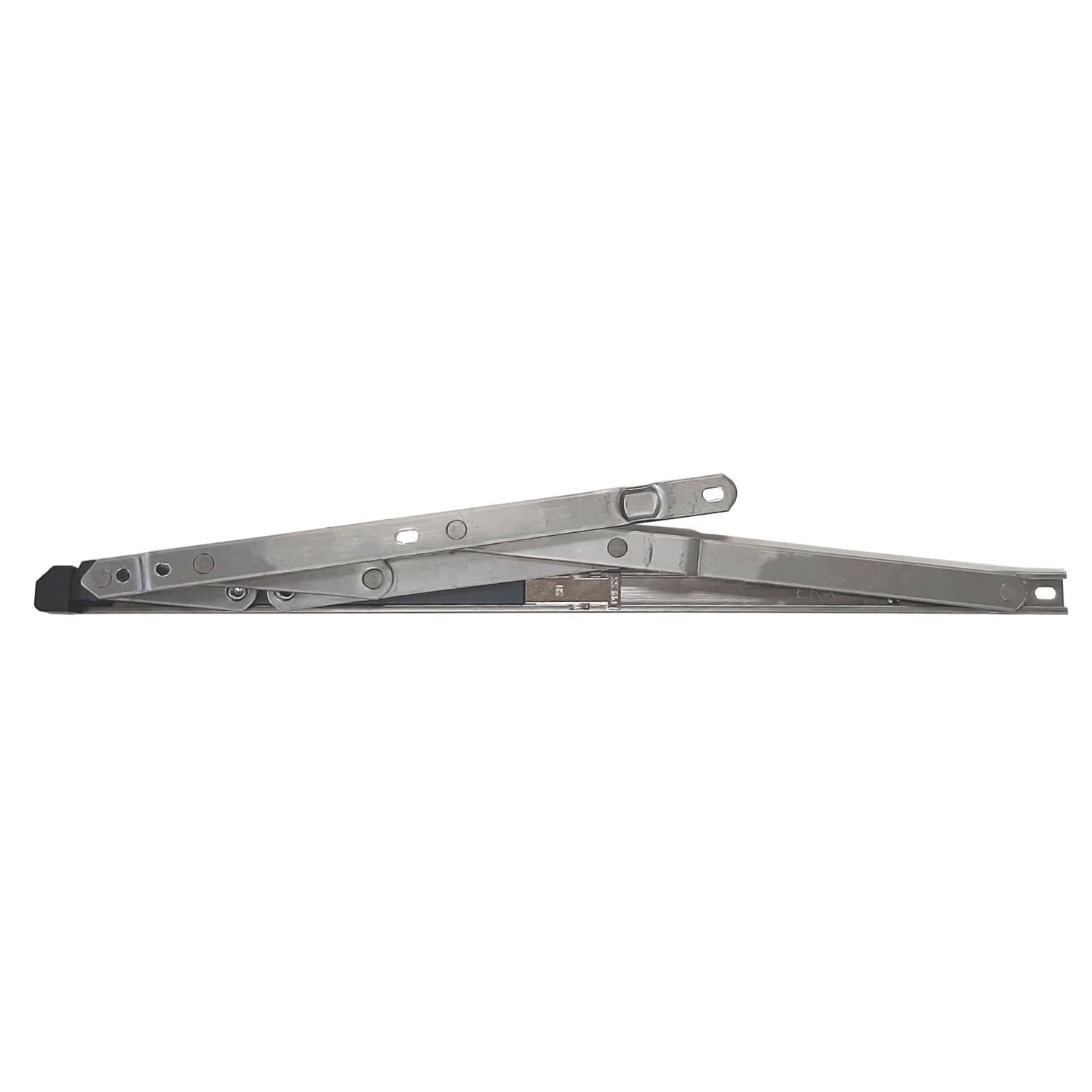
- Top Hung Friction Stay - 12"
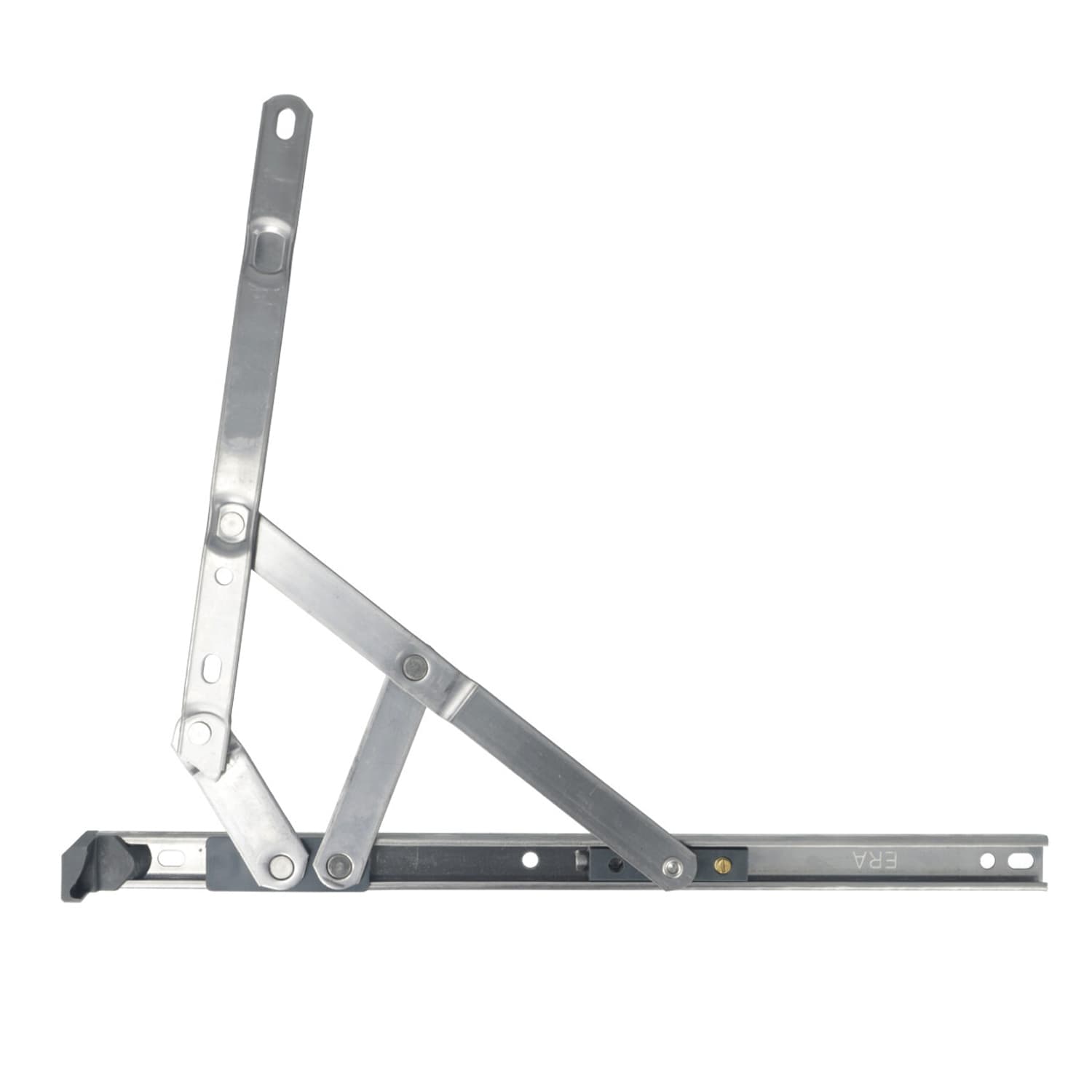
- ERA Egress (Fire escape) Friction Stay
- TSS Standard Friction Stays – 13mm & 17mm Stack Height
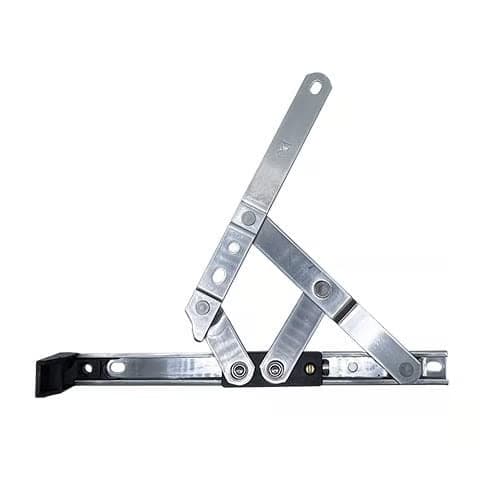
- Restricted Friction Stay Hinges
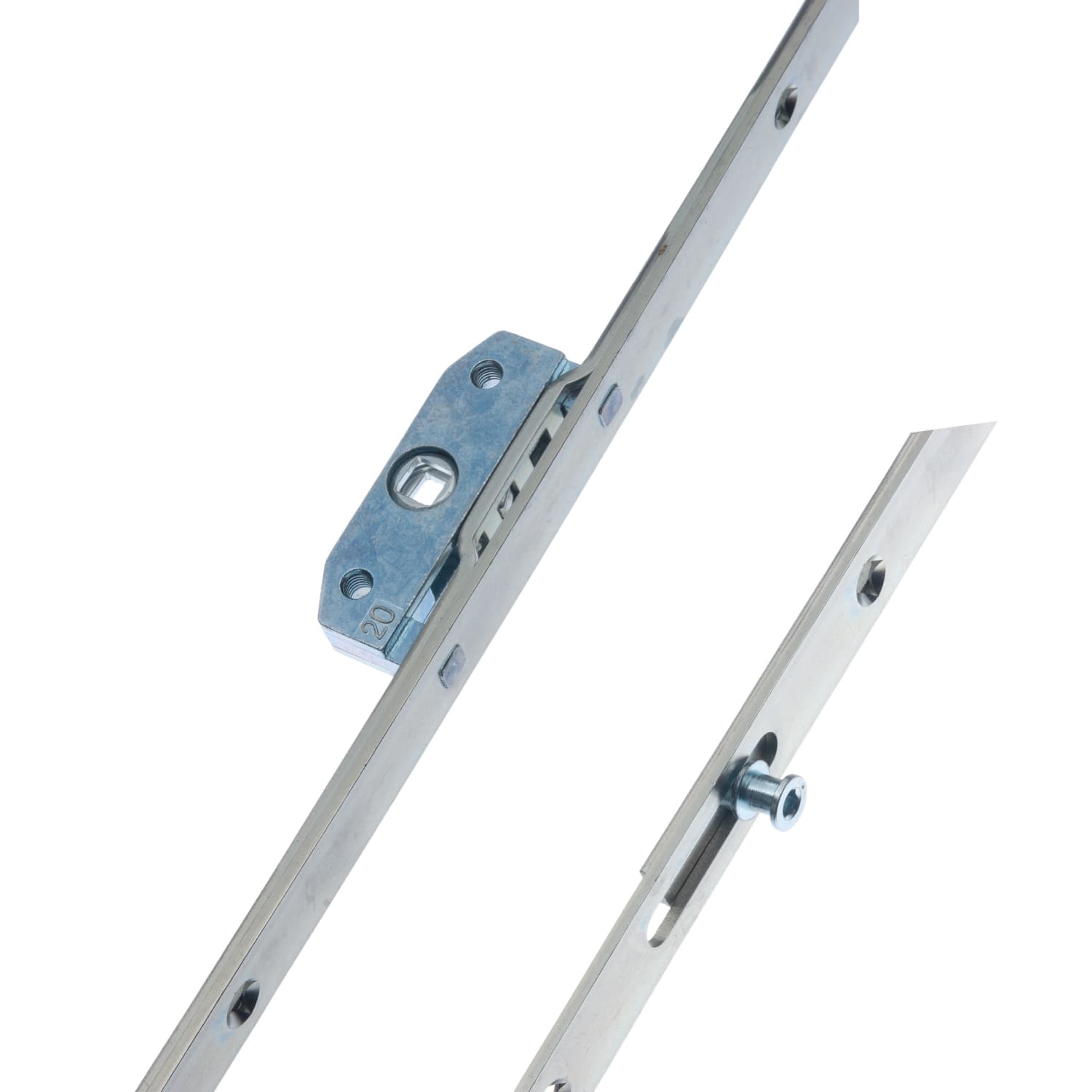
- ERAB Espagnolette Window Lock Universal Lock Replacement
Conclusion: Next Steps
Many upvc window parts can be replaced safely and effectively by a competent DIYer or trade professional using the correct tools, parts and techniques: handles, spindles, espagnolette gearboxes, friction stays, hinges and gaskets are commonly replaced without specialist assistance. For sealed unit replacement or structural repairs consult an experienced glazer. To source quality components and find technical datasheets, visit our trade supplies section at /guides/double-glazing-supplies or contact our sales team with your photos and measurements for fast part identification.
Related articles
How Old uPVC Window Parts Differ from Modern Replacements
How Old uPVC Window Parts Differ from Modern Replacements Older uPVC windows fitted in the 1980s and 1990s were robust for their time, but the components u...
Glazing Tools Safety Guide: Avoiding Common Injuries
Glazing Tools Safety Guide: Avoiding Common Injuries Working with glazing tools carries a real risk of cuts, crushed fingers and slips when handling panes ...
How to Maintain Your Glazing Tools for Longer Life
How to Maintain Your Glazing Tools for Longer Life Whether you are a trade glazier or a DIY homeowner replacing a pane, well‑maintained glazing tools save ...